


The Camino de Santiago via the Spiritual Variant, the route that blends land and sea in the Rías Baixas. 106 kilometres on foot from Pontevedra through the Armenteira monastery and Vilanova de Arousa, with the Traslatio stage, which retraces on land, along the river Ulla, the journey of the boat that brought the Apostle's remains to Padrón and Santiago, among vineyards, monasteries and the Towers of Catoira.
We handle the logistics so you only have to walk: accommodation, your pilgrim's credential, full documentation and travel insurance, from 321 €. On long stages like the Traslatio, the daily luggage transfer makes things easy: add it if you want it.
The Spiritual Variant of the Portuguese Way is an itinerary organised by Viajes Camino de Santiago®.
Services
Included in all our routes
- Accommodation
6 days / 5 nights
- 6 days / 5 nights accommodation
- Complete documentation (Dossier and material for the Camino)
- On-the-road emergency telephone assistance
- Pilgrim's Credential
- Travel insurance
Optional
- Extra night
- Luggage transfer during the stages. (1 piece per person max 15 kgs)
- Supplement for single room
- Breakfast
- MP (Breakfast and dinner)
- Cancellation Insurance
Accommodations
- Most popular
Basic accommodation (Private hostels)
321 €
The most authentic accommodation on the Camino. Hostels are the ideal option for those traveling on a tight budget, solo pilgrims, or anyone who wants to experience the Camino de Santiago in its purest form. They are the perfect place to socialize, share stages, and connect with fellow walkers along this ancient route.
- Most popular
Private comfort (Guesthouses, rural houses and small hotels)
498 €
The perfect balance between charm and comfort. Guesthouses, B&Bs and country houses await you in the villages along the Camino with private rooms, private bathrooms, TV, and daily cleaning service. Simple and welcoming, they are the ideal place to truly rest and enjoy the peaceful rural essence that only the Camino can offer.
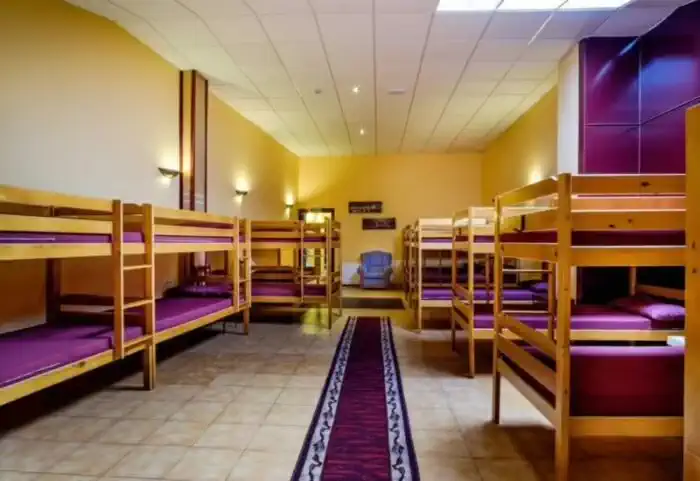
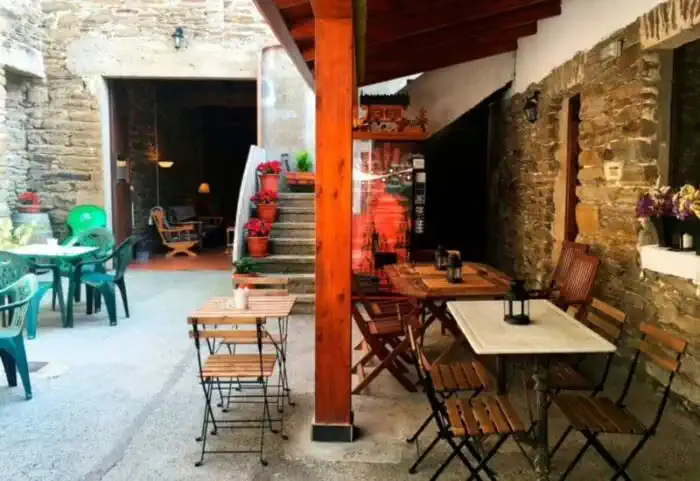
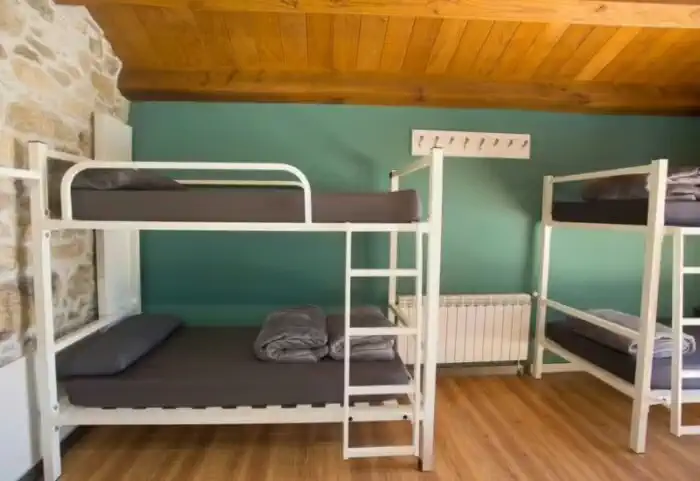
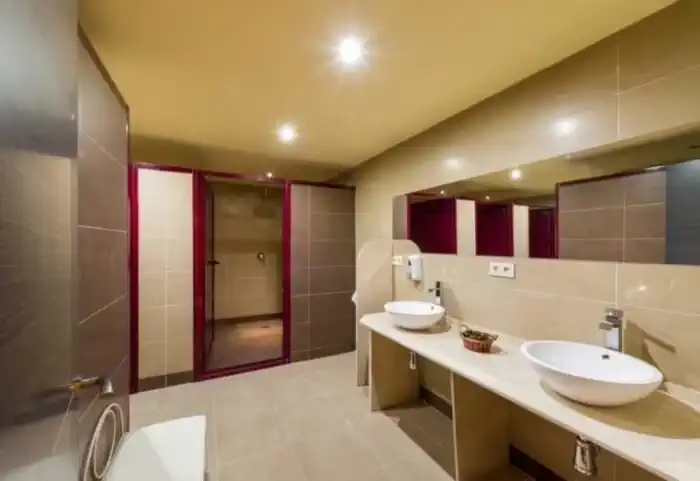
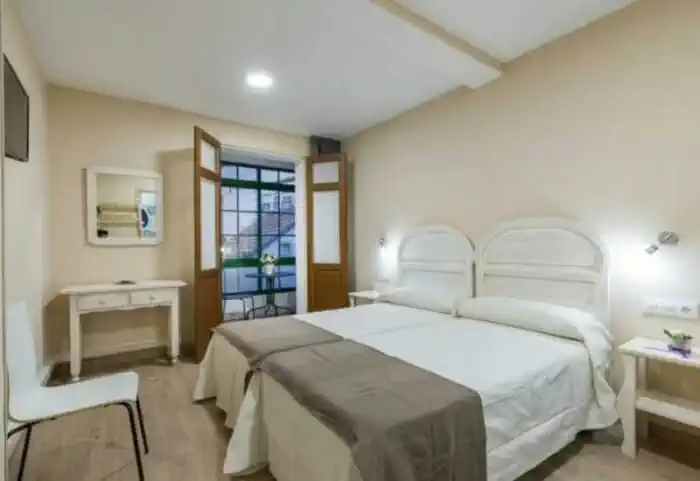
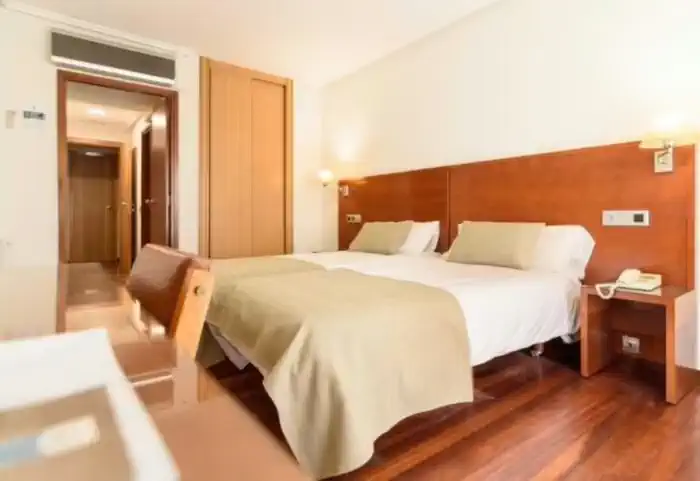
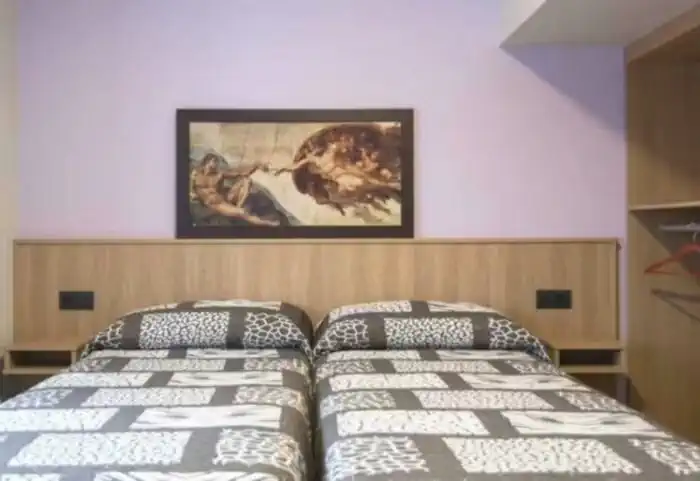
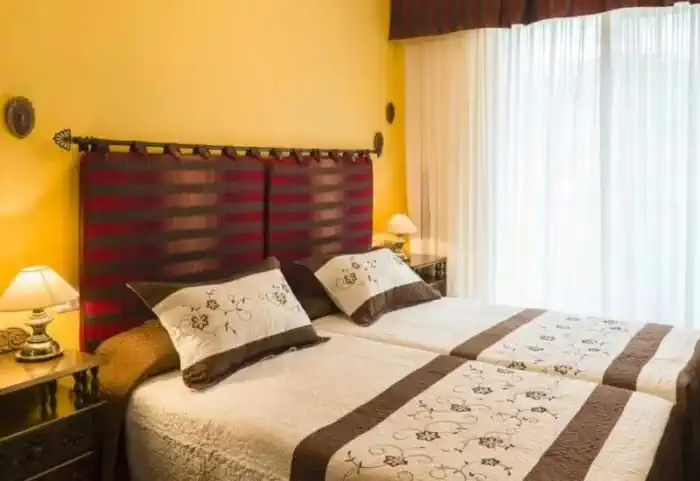
Photos


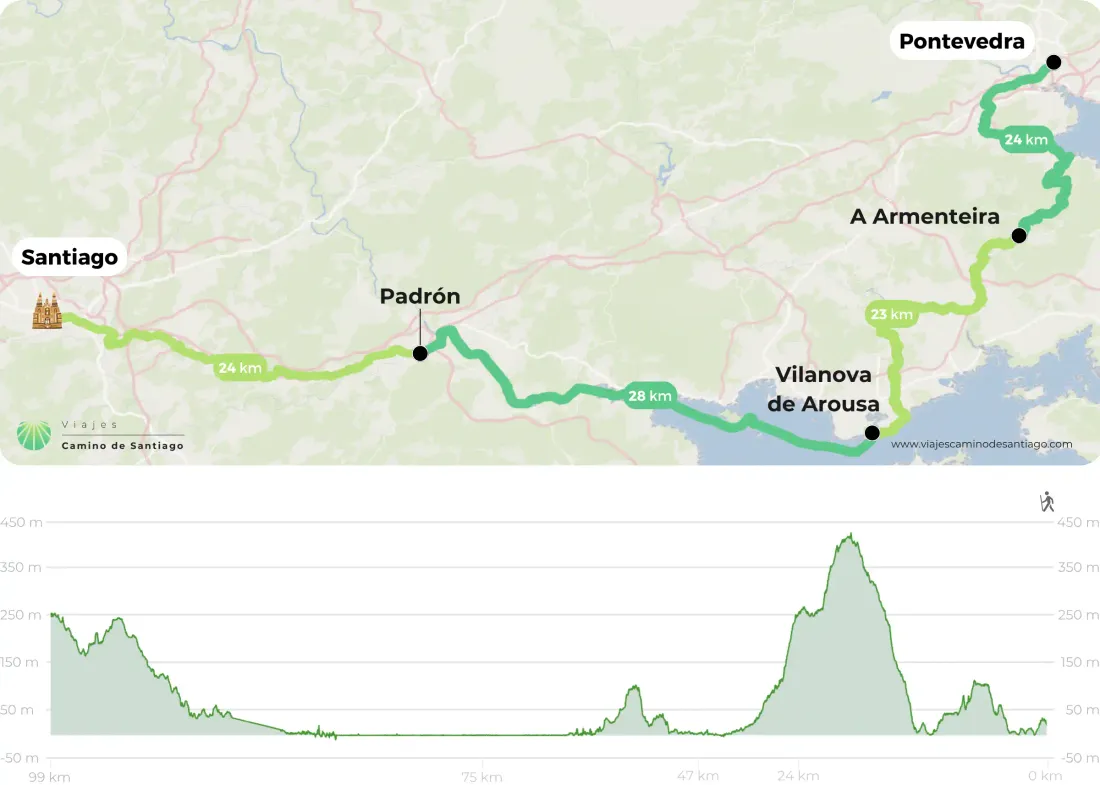
Map of the Portuguese Way: spiritual variant
Stages
- day 1
Arrival at Pontevedra
- day 2
Stage 1. Pontevedra - A Armenteira (23.2 km)
You set off walking from Pontevedra towards the coast, hugging the sea until you reach Combarro, one of the prettiest fishing villages in Galicia: lose yourself among its more than 60 granaries and its stone crosses by the ría. Afterwards, the path climbs past the Mirador do Loureiro up to the monastery of Santa María de Armenteira, the end of today's stage, a haven of peace with centuries of Cistercian history.
- day 3
Stage 2. A Armenteira - Vilanova de Arousa (22.7 km)
Today you walk one of the most beautiful routes in Galicia: the Ruta da Pedra e da Auga, which follows the A Armenteira river through lush vegetation, small waterfalls, bridges and old mills. Afterwards, the vineyards signal the ría de Arousa and you reach Vilanova de Arousa, birthplace of Valle-Inclán and port of the legendary maritime Traslatio. Its beaches await you for a well-earned rest.
- day 4
Stage 3. Vilanova de Arousa - Padrón (35.5 km)
The day of the Traslatio, which retraces overland the boat journey that carried the Apostle's remains. From Vilanova you pass through Vilagarcía and continue upstream along the Ulla river; the most striking moment comes at the Torres de Catoira. After Pontecesures you cross into Padrón, land of peppers and the legendary Pedrón. Set out early: here you can collect the Pedronía, the Spiritual Variant's own certificate.
- day 5
Stage 4. Padrón - Santiago de Compostela (24.3 km)
Last day! Rise early and set off from Padrón promptly: excitement will make the kilometres fly by as you cross Iria Flavia and the final villages on the way to Compostela. And suddenly, Obradoiro Square and Santiago Cathedral right in front of you: you've completed your Camino. Collect your Compostela at the Pilgrim's Office (Rúa Carretas) and don't miss the pilgrim's mass or the rest of the Galician capital.
- day 6
End of the Camino
After arriving... End of the Camino
Related Trips
 7 days / 6 nights
 8 days / 7 nights
 13 days / 12 nights
Frequently Asked Questions
-
Do I have to carry my luggage during each stage?
Not if your trip has luggage transport: it is included in group trips, trips with a dog and VIP trips, and on all other trips you can add it as an optional service when booking. We take care of transporting your luggage from stage to stage. You only need to carry what's necessary for walking during each stage, making your journey much more enjoyable. -
I need to cancel my reservation.
You can cancel your trip free of charge up to 15 days before the start date, with no need to give any explanation.
- 15 days or more in advance → refund of 100 % of the amount paid, with no penalty. The refund is processed within a maximum of 7 days.
- Less than 15 days → Between 15 and 8 days before: 50 % of the total amount. 7 days or less → 100 % of the total amount.
- No-show → no right to a refund.
If you have taken out the Cancellation Insurance, you must inform us regardless of how many days' notice you give, but you have to handle the refund process with the insurer yourself.
Transfer of the booking: if you cannot travel, you can transfer it to another person at no cost; we only need you to let us know far enough in advance for us to arrange it. In that case, payments are settled directly between clients.
The client is responsible for any additional cost arising from the cancellation.
⚠️ IMPORTANT: every cancellation must be notified by email: info@viajescaminodesantiago.com (cancellations are not processed by phone).
👉 More info: Booking conditions.
-
Does the Spiritual Variant from Pontevedra qualify you for the Compostela?
Yes. The Spiritual Variant covers about 106 km from Pontevedra to Santiago, above the minimum of 100 km on foot that the Pilgrim's Office requires to obtain the Compostela.
-
What is the Spiritual Variant of the Portuguese Way?
It is an alternative route of the Portuguese Way through the Rías Baixas: 106 km from Pontevedra via the Armenteira monastery and Vilanova de Arousa, and from there on foot along the Ulla River to Padrón, recreating the Traslatio overland, through vineyards and monasteries.
-
Is it worth doing the Spiritual Variant of the Camino de Santiago?
Yes, if you're looking for something different from the standard Portuguese Way: the Armenteira monastery, the Ruta da Pedra e da Auga, the Albariño vineyards and the Traslatio stage along the Ulla River to Padrón, through quieter Rías Baixas landscapes.
-
Where does the Spiritual Variant begin?
In Pontevedra, from where the route leaves the standard Portuguese Way towards the Armenteira monastery and Vilanova de Arousa, and from there continues on foot along the Ulla River to Padrón.
-
What is the Pedronía?
The Pedronía is the Spiritual Variant's own certificate: it proves you've reached the end of the route in Padrón, and you can collect it there after the Traslatio stage. It doesn't replace the Compostela, which you collect the next day at the Pilgrim's Office in Santiago. While in Padrón, be sure to see the Pedrón in the church of Santiago: the stone where, according to tradition, the Apostle's boat was moored.
-
What is the Ruta da Pedra e da Auga?
It's the trail that opens the second stage of the Spiritual Variant, right after leaving the monastery of Armenteira. It follows the Armenteira stream through riverside woodland, past bridges, small waterfalls and a string of old mills. For many it's the most beautiful stretch of the whole route. Afterwards, through vineyards, you reach the Arousa estuary and Vilanova.
-
Is the Traslatio on the Spiritual Variant done by boat?
On this trip, no: it's done on foot. Stage 3, from Vilanova de Arousa to Padrón (35.5 km), recreates over land the journey of the boat that, according to tradition, brought the Apostle's remains: you pass through Vilagarcía, follow the river Ulla upstream, see the Towers of Catoira and, after Pontecesures, cross into Padrón. By walking the whole route you cover the trip's 106 km and earn the Compostela.
-
How do I prepare for the 35.5 km stage between Vilanova de Arousa and Padrón?
It's the longest stage of the Spiritual Variant, so set off early. The day is almost all flat, following the estuary and the river Ulla, and it helps to split it mentally into sections: Vilagarcía, Catoira with its towers (a good place to rest) and Pontecesures before crossing into Padrón. Take water and some food. If you add luggage transfer, you walk with just a light daypack, and on this day you'll notice it.
-
What to see in Combarro on the first stage of the Spiritual Variant?
Combarro, in Poio, is one of the prettiest fishing villages in Galicia. It has more than 60 hórreos (raised granaries) lined up along the estuary and stone crosses all over its old town. Enter from Plaza de Chousa, wander its alleys and have lunch before the climb: after Combarro the stage goes up via the Camino Vilar and the Mirador do Loureiro to the monastery of Armenteira.
Portuguese Way: spiritual variant
From 321 €

Reviews
María López
Carlos Jimenez
Jorge Soto
Ramón Alvarez