


The Camino de Santiago to Finisterre and Muxía, the Atlantic finale to the pilgrimage. 115 kilometres from Santiago through Negreira, Olveiroa and Cee to Cape Fisterra and the sanctuary of A Virxe da Barca in Muxía, among the wild Costa da Morte, lighthouses and end-of-the-world beaches.
We handle the logistics so you only have to walk: accommodation, your pilgrim's credential, full documentation and travel insurance, from 239 €. If you want to reach the end of the world without carrying a thing, add the daily luggage transfer.
The trip along the Finisterre and Muxía Way is organised by Viajes Camino de Santiago®.
Services
Included in all our routes
- Accommodation
7 days / 6 nights
- 7 days / 6 nights accommodation
- Complete documentation (Dossier and material for the Camino)
- On-the-road emergency telephone assistance
- Pilgrim's Credential
- Travel insurance
Optional
- Extra night
- Luggage transfer during the stages. (1 piece per person max 15 kgs)
- Breakfast
- MP (Breakfast and dinner)
- Cancellation Insurance
Accommodations
- Most popular
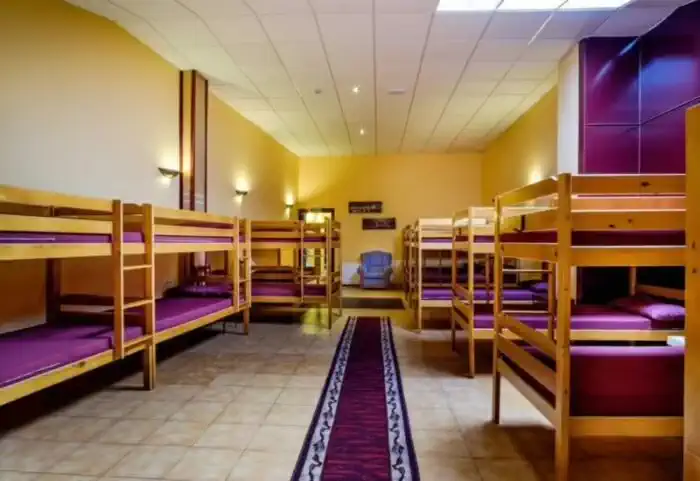
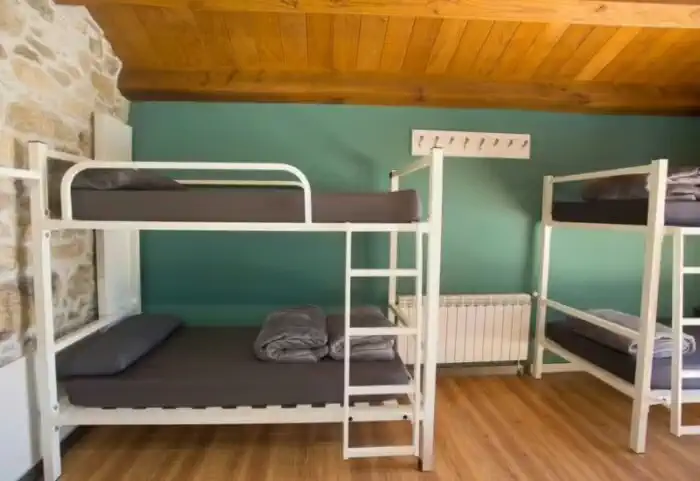
Basic accommodation (Private hostels)
239 €
The most authentic accommodation on the Camino. Hostels are the ideal option for those traveling on a tight budget, solo pilgrims, or anyone who wants to experience the Camino de Santiago in its purest form. They are the perfect place to socialize, share stages, and connect with fellow walkers along this ancient route.
- Most popular
Private comfort (Guesthouses, rural houses and small hotels)
540 €
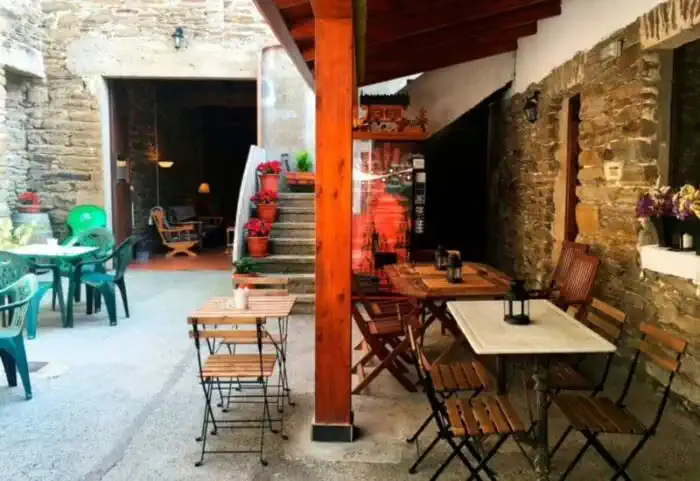
The perfect balance between charm and comfort. Guesthouses, B&Bs and country houses await you in the villages along the Camino with private rooms, private bathrooms, TV, and daily cleaning service. Simple and welcoming, they are the ideal place to truly rest and enjoy the peaceful rural essence that only the Camino can offer.
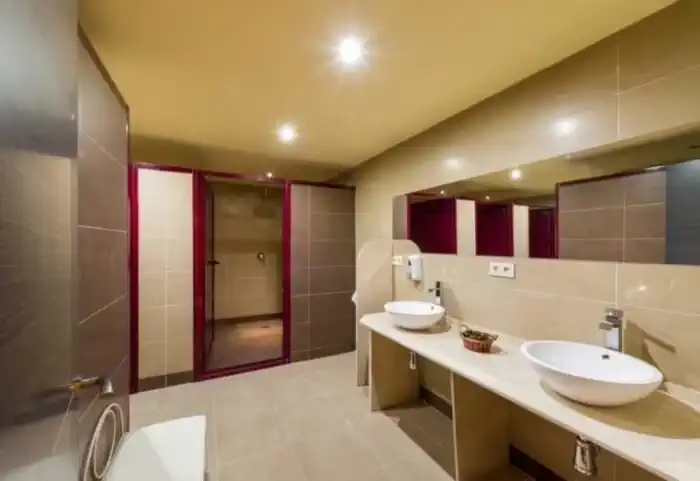
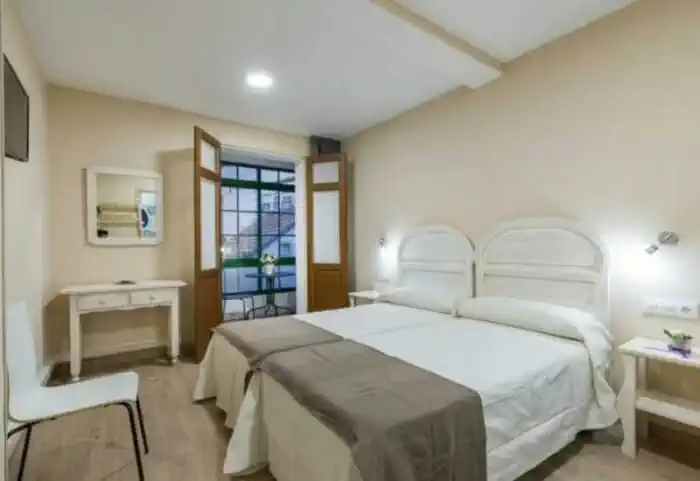
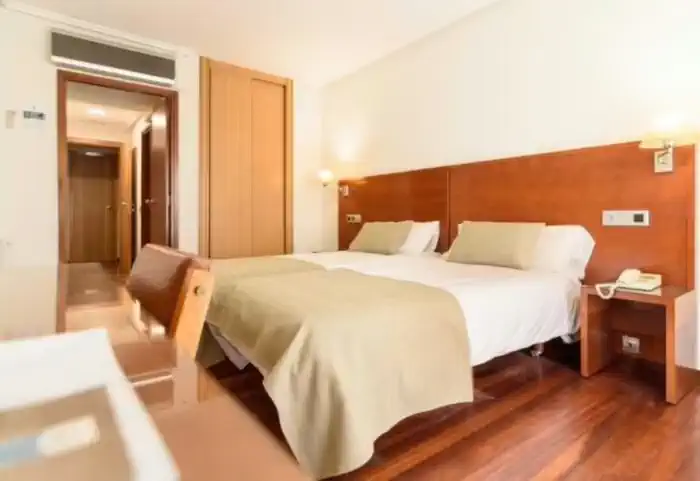
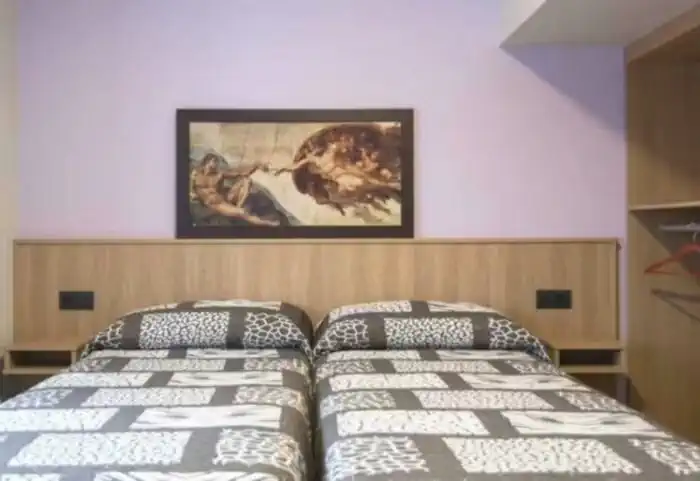
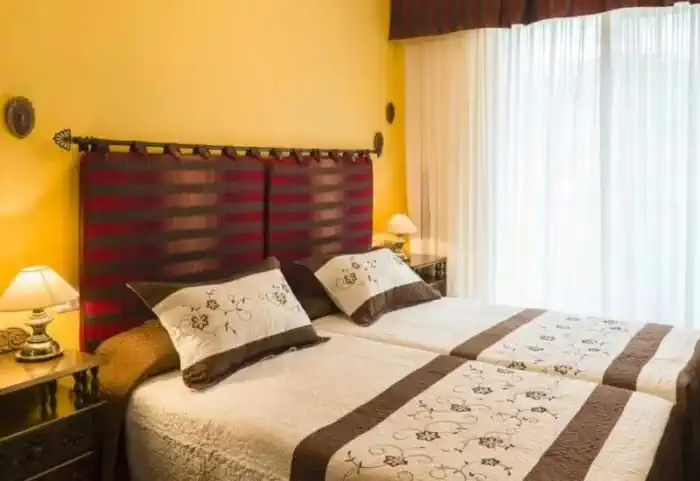
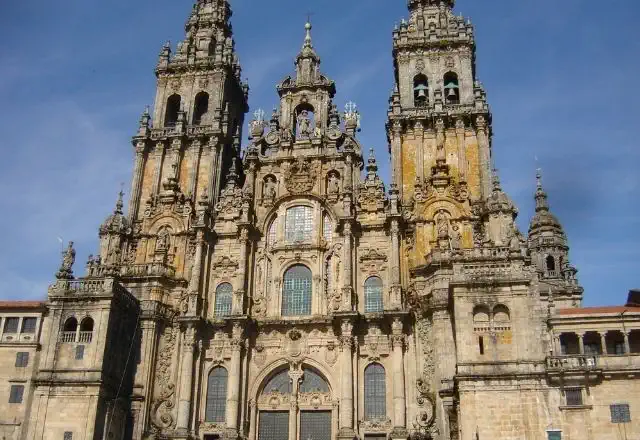
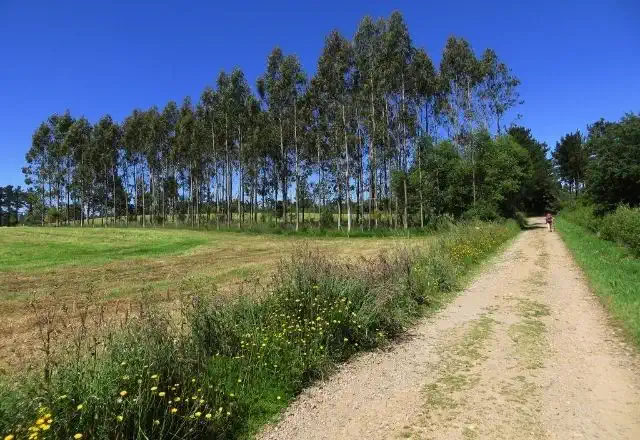
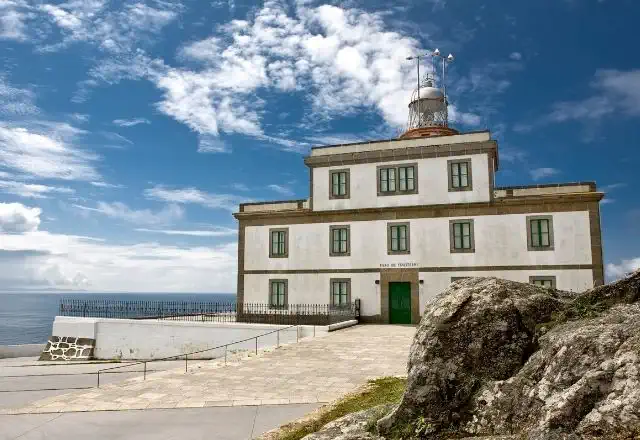
Photos


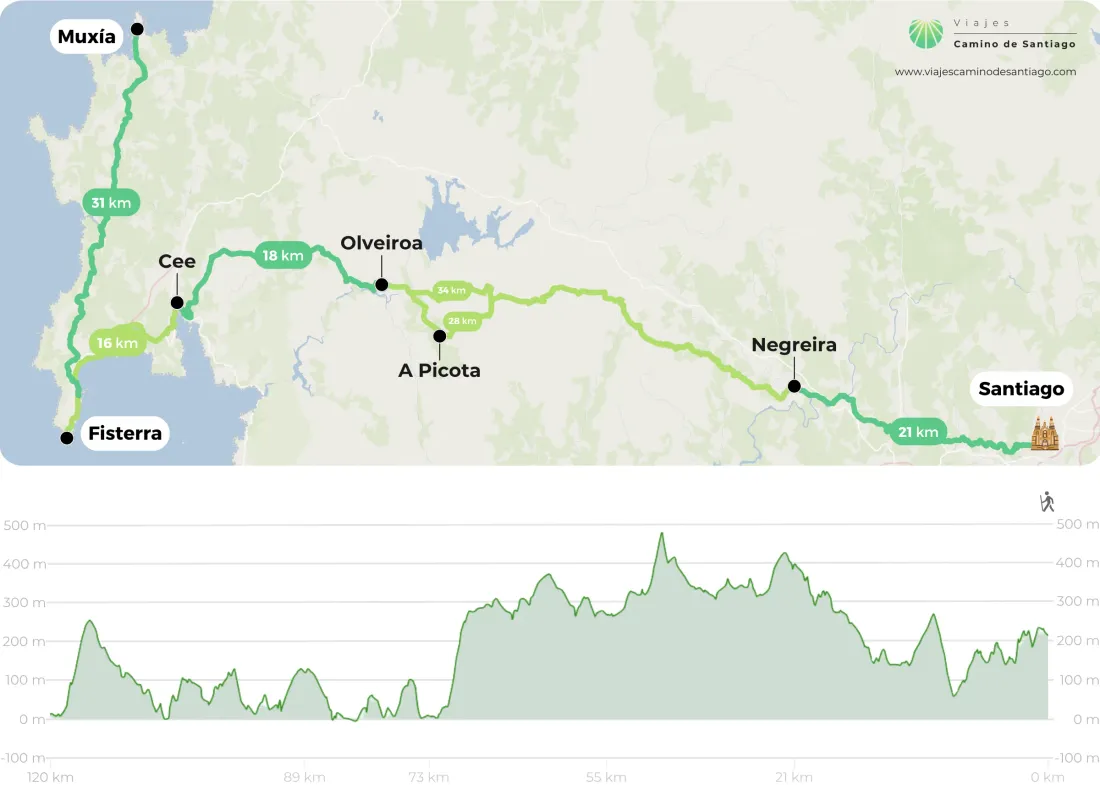
Map of the Camino to Finisterre and Muxía
Stages
- day 1
Arrival at Santiago de Compostela
- day 2
Stage 1. Santiago de Compostela - Negreira (20.6 km)
You set off on your walk to Finisterre from the very Plaza del Obradoiro. After leaving Santiago through the Carballeira de San Lourenzo, you enjoy a beautiful panoramic view of the city from Sarela de Abaixo and continue on through forests and villages. The highlight of the day is Ponte Maceira, one of the prettiest villages in Spain, with its spectacular medieval bridge over the Tambre. Shortly after, you reach Negreira, the end of the stage.
- day 3
Stage 2. Negreira - Olveiroa (30 km)
The longest stage of the way to Finisterre, though without any great difficulty: over 30 kilometres of purely rural scenery, through meadows, native woodland and small villages of friendly people. Just before arriving, the descent from Monte Aro rewards you with beautiful views of the A Fervenza reservoir. You finish in Olveiroa, a renovated rural spot famous for its centuries-old hórreos (granaries). (If there is no accommodation, the stage ends earlier, at A Picota.)
- day 4
Stage 3. Olveiroa - Cee (17 km)
The longest stage of the way to Finisterre, though without any great difficulty: over 30 kilometres of purely rural scenery, through meadows, native woodland and small villages of friendly people. Just before arriving, the descent from Monte Aro rewards you with beautiful views of the A Fervenza reservoir. You finish in Olveiroa, a renovated rural spot famous for its centuries-old hórreos (granaries). (If there is no accommodation, the stage ends earlier, at A Picota.)
- day 5
Stage 4. Cee - Fisterra (16 km)
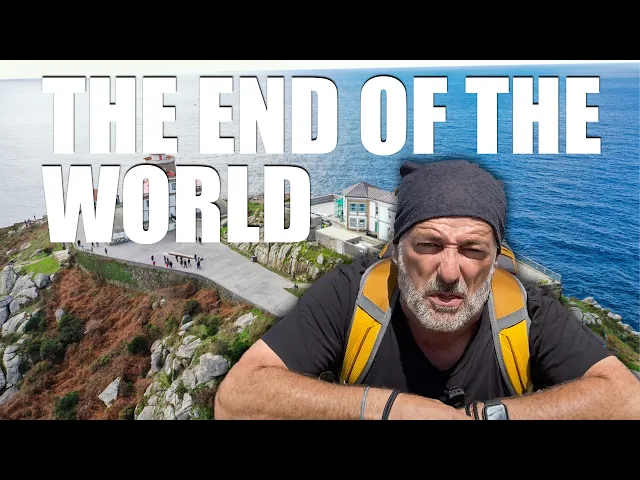
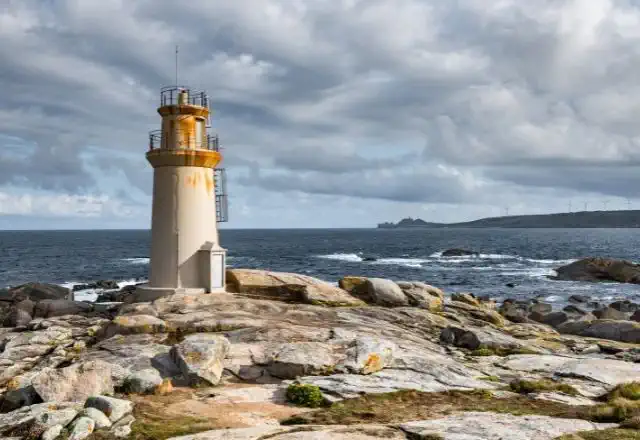
The day you reach the end of the world. You leave Cee and soon reach Corcubión, a Historic Site of stone houses well worth a stroll. Then, pure Costa da Morte: paths through flowering gorse with the sea in the background and beaches like Sardiñeiro and the long Langosteira, where many take a dip. And finally, Finisterre. Don't miss the climb up to the lighthouse to see one of the most beautiful sunsets in the world.
- day 6
Stage 5. Fisterra - Muxía (31 km)
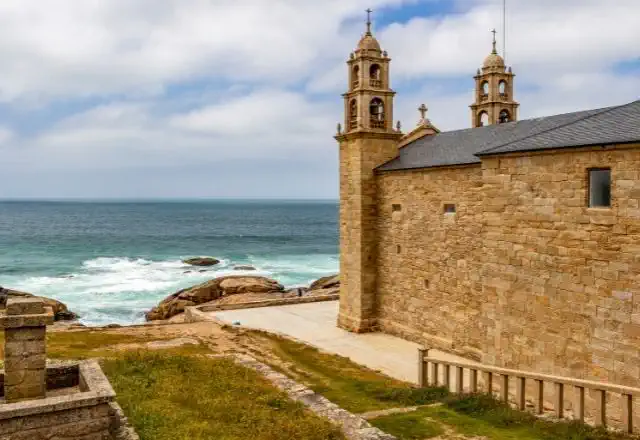
From magical Finisterre you head towards Muxía along the Costa da Morte. The path crosses villages and woodland to Lires, the only village on the stage with services and a great spot for a break. Then you climb up to Facho de Lourido, the highest point, and descend to Lourido beach, with Muxía already in sight. On arrival, order your Muxiana and head to the sanctuary of A Virxe da Barca, facing the wild Atlantic.
- day 7
End of the trip
After your last night, you check out of your accommodation and your trip comes to an end.
Related Trips
 6 days / 5 nights
 6 days / 5 nights
 4 days / 3 nights
Frequently Asked Questions
-
Is it necessary to book the luggage transfer in advance?
On group trips, trips with a dog and VIP trips luggage transport is included, so you don't need to book it. On all other trips it is an optional service: just request it when booking and we will leave it all arranged. And if during the Camino you need to add extra luggage, you can call us and we will arrange it without any problem. -
Why is it called Finisterre?
Finisterre, which in Galician is called Fisterra, is so called because in Roman times it was considered the known “end of the world” or the “end of the earth”. The word would derive from finis and terrae, that is, “end of the earth.” -
What do pilgrims do when they arrive in Finisterre?
Upon arriving in Finisterre, pilgrims usually visit the Lighthouse, watch the ocean and the sunset, and participate in symbolic rituals such as throwing a stone into the sea. Although clothing was burned in the past, this is currently prohibited. They also visit the Church of Our Lady of the Sands and can obtain the "Fisterrana" as a certificate of their arrival. -
Which Camino passes through Finisterre?
The Camino de Finisterre and Muxía reaches Finisterre from Santiago de Compostela. Outside the routes of the Camino de Santiago, it is also the end of the Camino de los Faros. -
How many kilometres is it from Santiago to Finisterre and Muxía?
It is 115 km in five stages: Santiago–Negreira (21 km), Negreira–Olveiroa (30 km), Olveiroa–Cee (17 km), Cee–Fisterra (16 km) and Fisterra–Muxía (31 km). The trip lasts 7 days and 6 nights, including the day you arrive in Santiago. Muxía is not an add-on: it is included as the final stage.
-
What is the Finisterre to Muxía stage like?
It is 31 km along the Costa da Morte, so it is worth planning it well. The Camino crosses villages and woods to Lires, the only village with services on this stage: stop there to eat and drink. Then you climb the Facho de Lourido, the highest point of the day, and go down to Lourido beach, with Muxía already in sight.
-
What is there to see in Lires on the way to Muxía?
Besides being your lunch stop, Lires has an estuary rich in birdlife: if you like birds, bring binoculars. There are also fine examples of traditional and religious architecture, such as the Romanesque church of Santa María de Morquintián. It is the best place to rest before climbing the Facho de Lourido.
-
At the fork after Hospital, do I head for Fisterra or for Muxía?
Towards Fisterra: to the left, heading down to Cee. On this trip you reach the end of the world first and walk from there to Muxía on the last stage, so you don’t take the direct branch to Muxía. Stop in Hospital before the junction, because from there the paths are lonely until you start the descent to Cee.
-
Where can I swim between Cee and Finisterre?
There are several beaches along the way. Right after leaving Cee you pass through Corcubión, whose historic centre deserves a stroll; there you will find Quenxe beach, sheltered from the Costa da Morte winds. Further on come Sardiñeiro and the long Langosteira beach, where many pilgrims take a dip before entering Finisterre. The stage is short, 16 km, so there is time.
-
Which certificates can I get on the Camino to Finisterre and Muxía? Do I get the Compostela?
Not the Compostela: it is given to those who arrive in Santiago after walking at least the last 100 km, and this route starts in Santiago. If you have just finished another Camino, collect it at the Pilgrim’s Office before setting off. What you can ask for are the Fisterrana, when you reach Fisterra, and the Muxiana, when you reach Muxía, by showing your pilgrim passport (included in the trip) stamped since Santiago.
-
Is it worth staying a few more days in Muxía and on the Costa da Morte?
If you have time, yes. The trip ends in Muxía, but you can add extra nights and get to know the Costa da Morte better. Muxía is a lively fishing town, and nearby you have places like Cape Touriñán, the westernmost point of mainland Spain, or the Cape Vilán lighthouse in Camariñas.
Camino to Finisterre and Muxía
From 239 €

Reviews
Merche
bruno
Fran
Ramiro
carles