


What to see and do in Padrón

Information
Padrón is a municipality in the province of A Coruña, in the Sar region and a stop on the Portuguese Way, famous for its Padrón peppers and for the "pedrón" stone kept in the Iglesia de Santiago Apóstol, where the apostle's boat was said to be moored. The visit is rounded off by the Puente de Santiago, the Rosalía de Castro house-museum, and the Colegiata de Iria Flavia, a former episcopal seat.
This place of ancient population stands out in the Jacobean and religious world, for being a representative landmark of the legend of the Traslatio. Legend has it that after the death of the apostle St. James, his disciples Theodore and Athanasius transported his mortal remains in a stone boat to the coast of Galicia, accessing land by Padron after going up the river Ulla.
Would you like to walk this part of the Camino with your accommodation booked for every stage? These organised trips pass through Padrón: Portuguese Way from Tui (6 stages), Portuguese Way from Tui (5 stages), Portuguese Way in short stages and Portuguese Way VIP in luxury hotels.
What to see in Padrón
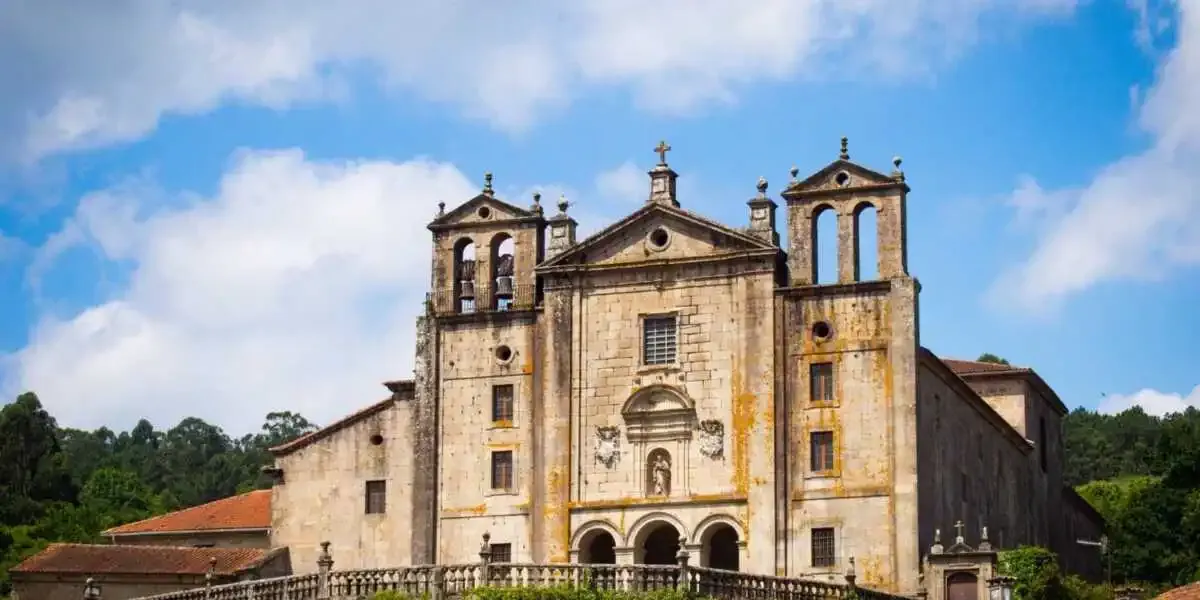
Church of Santiago Apostle
The most representative thing about this church is that it houses the "pedrón", the place where Theodore and Athanasius supposedly moored the boat carrying the remains of the apostle St. James. It is a must for pilgrims.
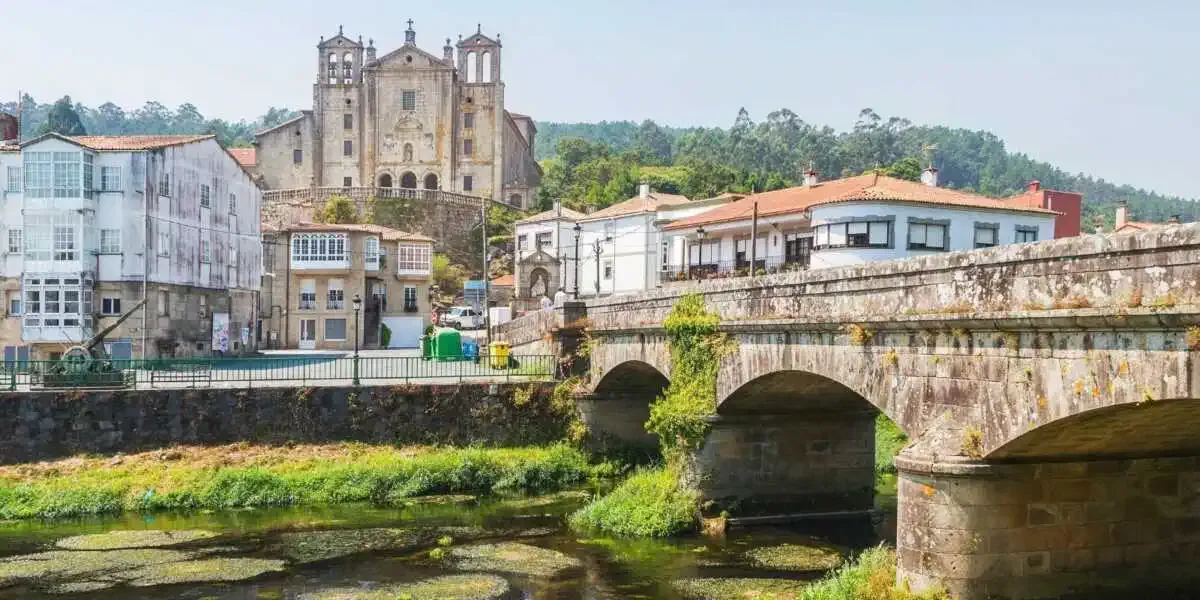
Bridge of Santiago
It is a bridge built in the 19th century, replacing an old medieval bridge that was washed away after a flood of the river. This construction joins the historic centre of Padrón with the area of A Trabanca.
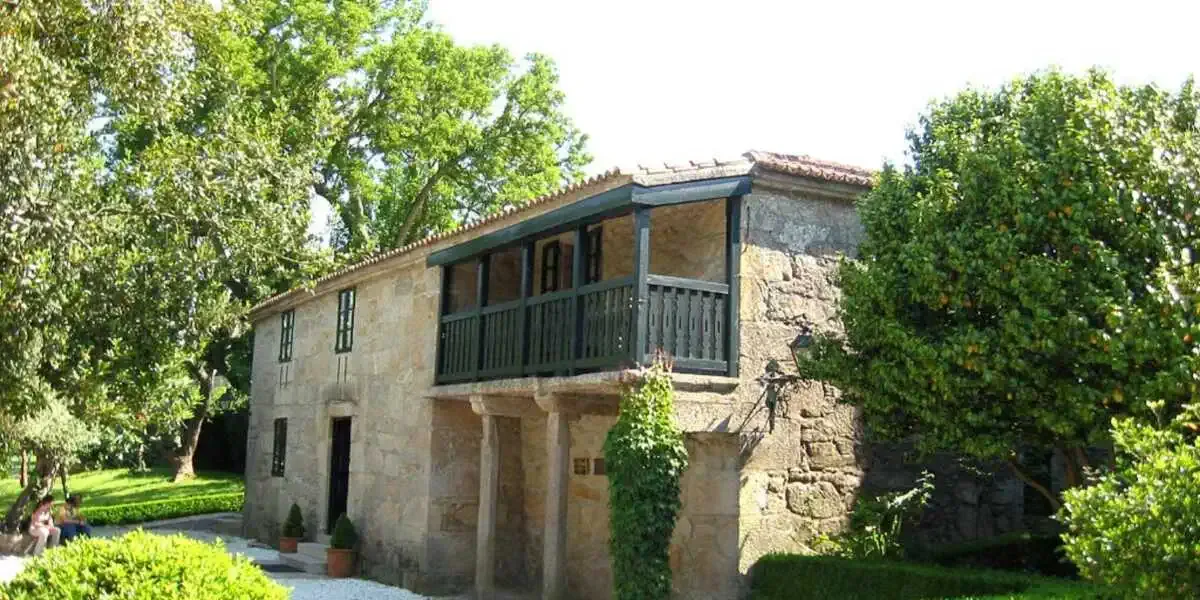
House Museum of Rosalía de Castro
Former home of the illustrious writer Rosalía de Castro, which today acts as a House-Museum.
Collegiate Church of Iria Flavia
It is a construction dated from the XII century, since the previous pre-Romanesque temple was destroyed after the razzia to Compostela of Almanzor (end of the X century). It was the episcopal see until the 11th century, when it was transferred to Santiago de Compostela by order of bishop Gelmírez.
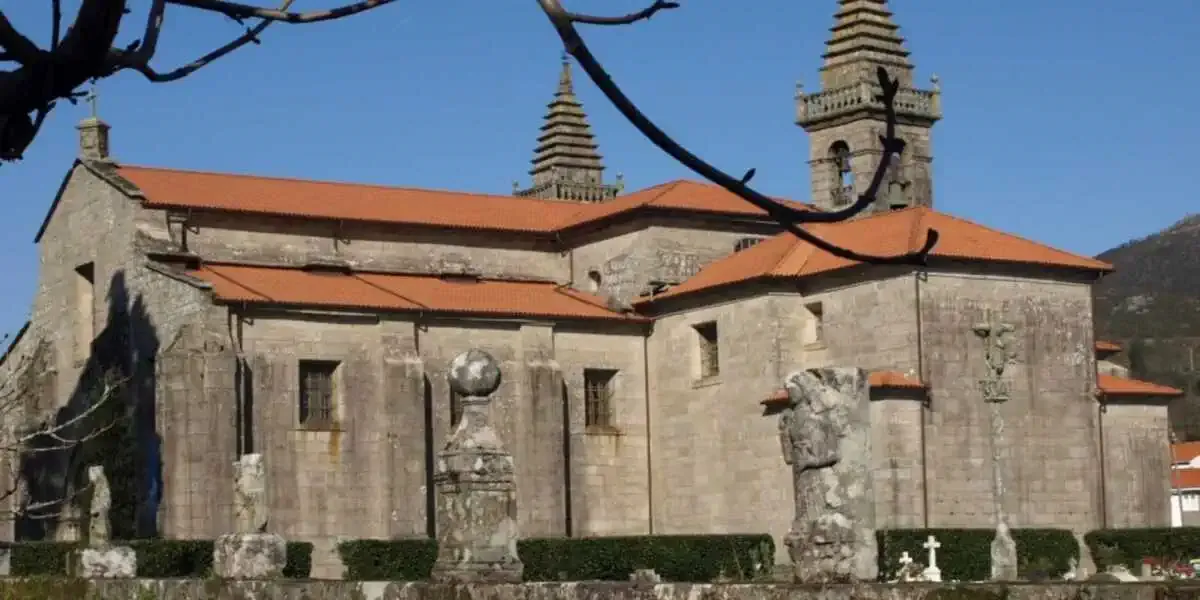
Church of Santa María de Herbón
It is a Romanesque church, ordered to be built in the second half of the 12th century by the archbishop of Compostela Gelmirez. The three archivolts of the doorway stand out for their Gothic style.
www.padron.gal
Map of Padrón
Map of Padrón