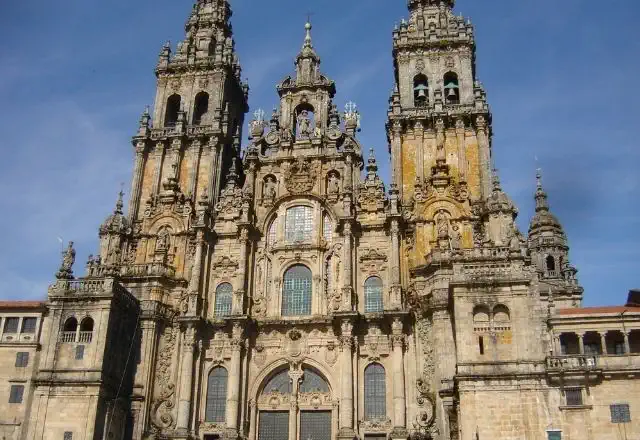
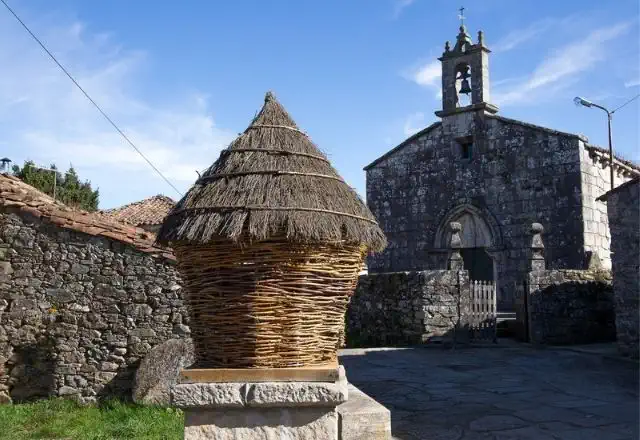
The Primitive Way from Lugo to Santiago de Compostela is a walking journey designed for those who wish to complete the final sections of this historic Jacobean route without complications, walking through rural settings and connecting Lugo with Santiago de Compostela. The proposal is usually structured over 7 days and 6 nights of travel, allowing you to cover the approximate distance between both cities, with an itinerary that can reach around 132 km from the starting point to the goal in the Galician capital.
This trip includes accommodation throughout the journey, luggage transfer, detailed documentation, telephone assistance, and travel insurance, with a price starting from 260 €. It is ideal for walkers with moderate fitness who seek to combine the experience of the Camino with comfortable and accessible organization, without having to plan each stage separately.
Photos
Accommodations
- Most popular
Private Hostels
260 €
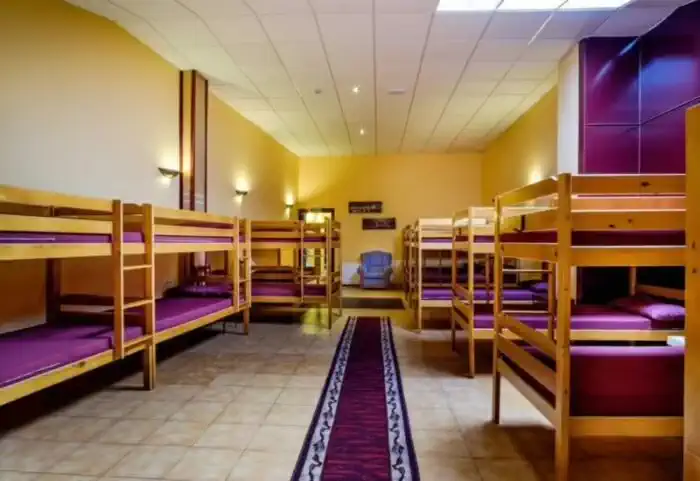
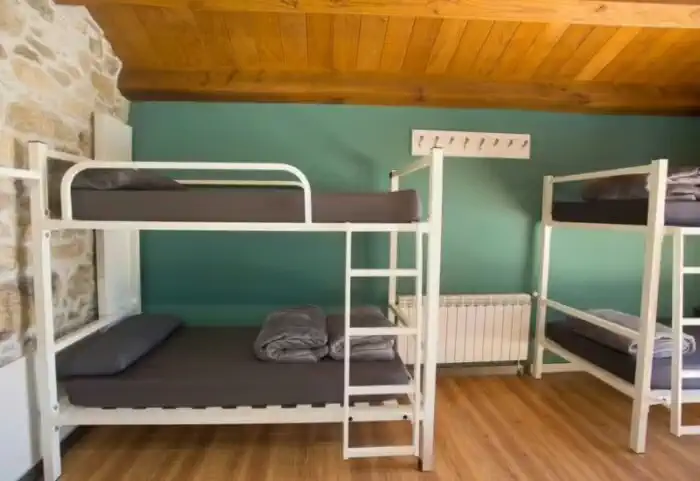
Hostels are the ideal option for those traveling on a tight budget, solo pilgrims, or those looking to experience the essence of the Camino de Santiago to the fullest. It is the accommodation par excellence for socializing and sharing the values of this ancient route.
- Most popular
Hostels, guesthouses, and rural houses
501 €
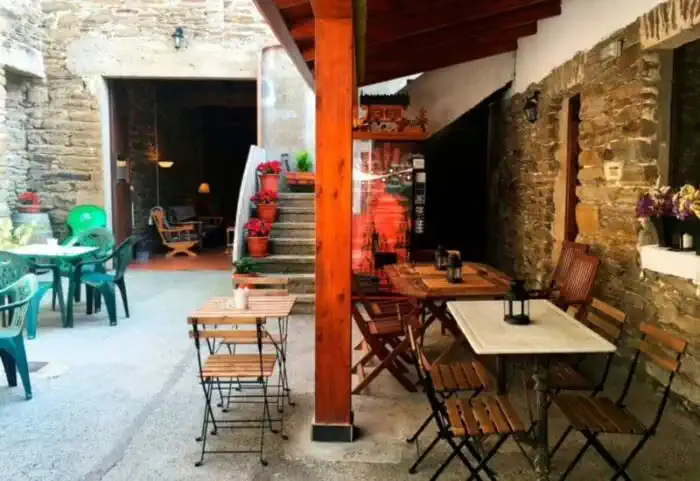
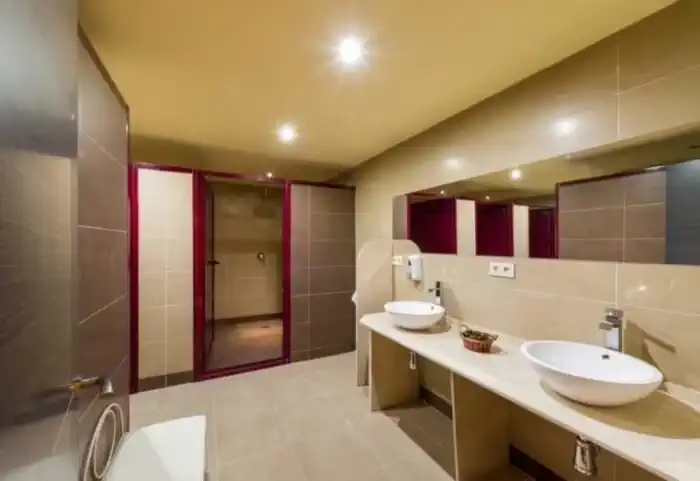
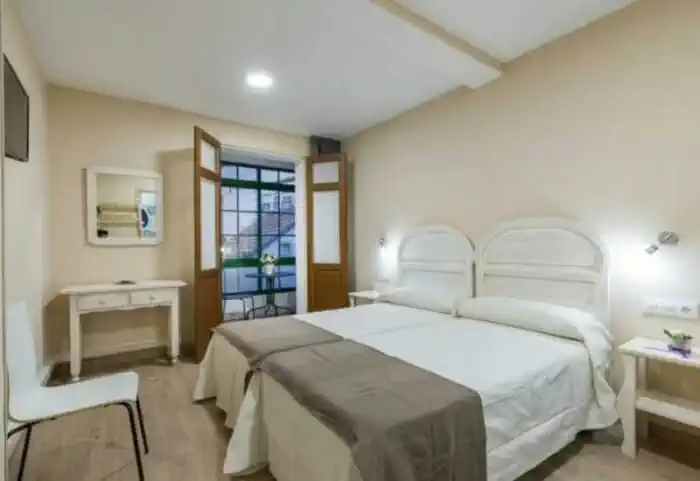
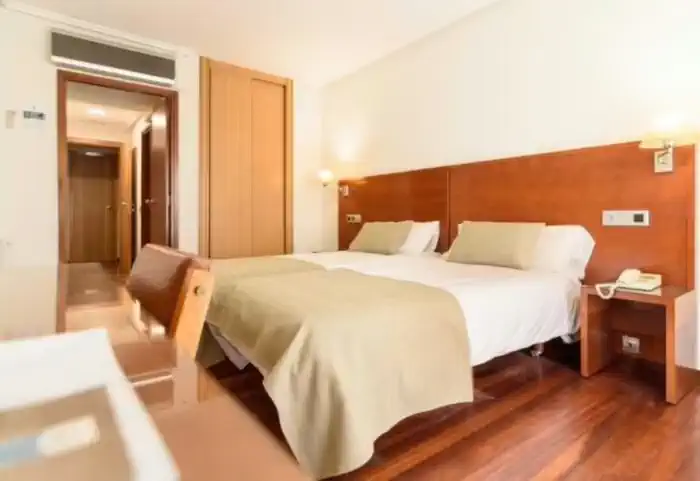
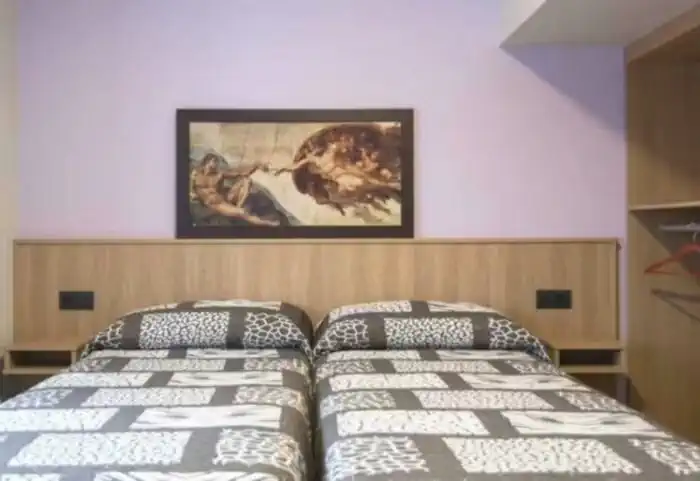
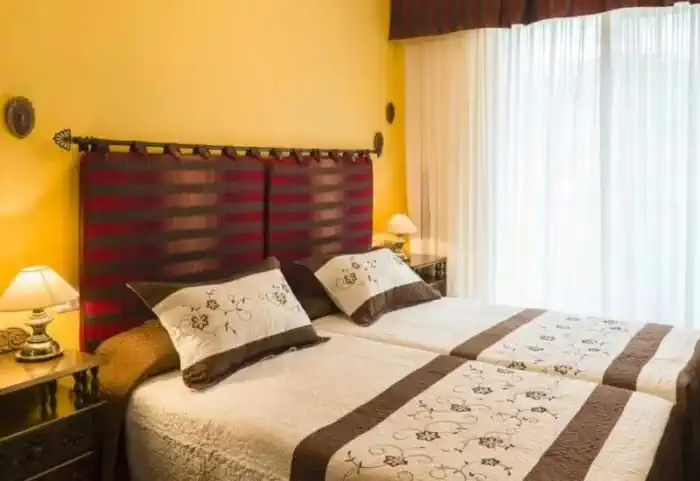
Hostels, Guesthouses, and Rural Houses are ideal in the towns of the Camino de Santiago. Simple and charming accommodations with private bathroom, TV, and impeccable cleanliness. Perfect for resting and enjoying the rural essence and tranquility at each stage.
Services
Included in all our routes
- Accommodation
7 days / 6 nights
- Complete documentation (Dossier and material for the Camino)
- Luggage transfer during the stages. (1 piece per person max 15 kgs)
- On-the-road emergency telephone assistance
- Pilgrim's Credential
- Travel insurance
Optional
- Supplement for single room
- Extra night in Santiago de Compostela
- Breakfast
- MP (Breakfast and dinner)
- Cancellation Insurance
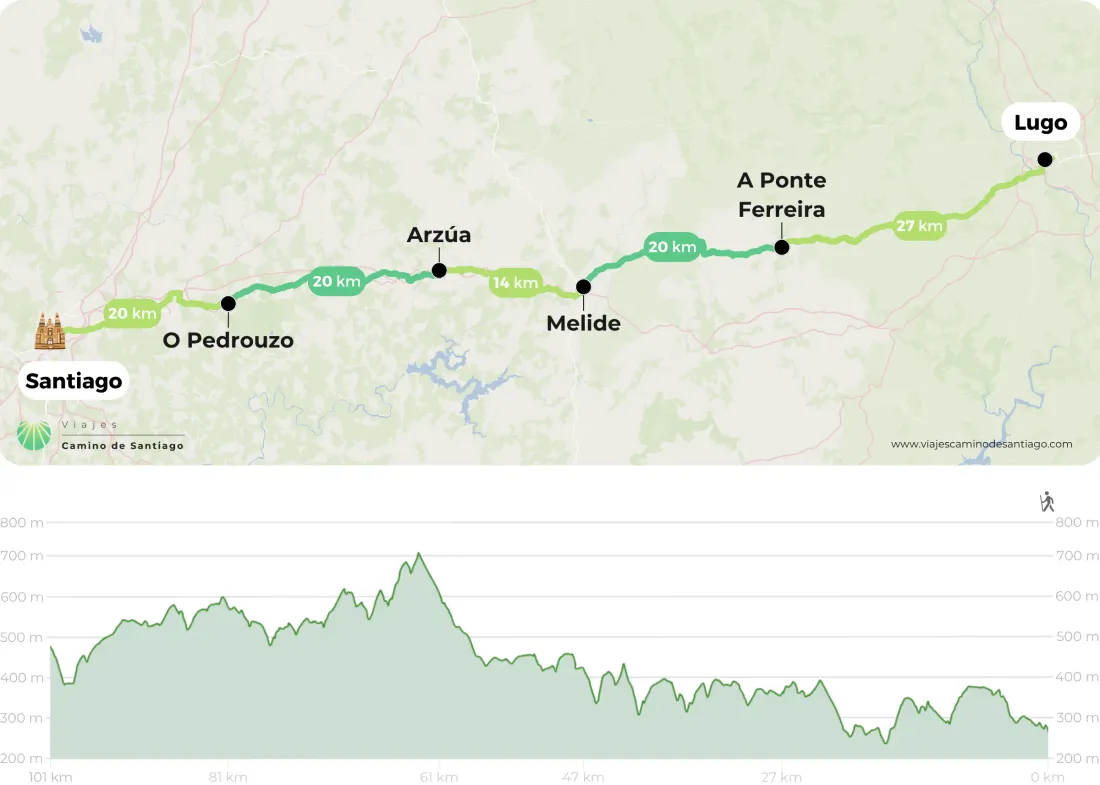
Map of the Primitive Way from Lugo
Stages
- day 1
Arrival at Lugo
We cross O Cádavo following the same direction as on arrival and leaving the village square on the left, we go down an asphalted track to Pradela and start the gentle ascent along dirt tracks until we reach the Alto da Vacariza, last ascent until reaching Lugo, already in the council of Castroverde.
We enter Castroverde by the LU-530 road. Shortly after we leave the road to take a street on the left hand side until we come out next to the town hall and the church. Castroverde is the last place before Lugo where there are bars and shops, not to mention the 4 vending machines for drinks and food that we will find on the roadside.
Without crossing the road we find the fork between the official road to Vilalle and the old road to Vilabade, signposted as "Complementary Road". The latter is 500 meters longer, but it will be worth it to be able to visit the church of Santa María de Vilabade, known as the "Castroverde Cathedral". We enter Castroverde on the LU-530 road, which we leave shortly afterwards to take a street on the left that leads to the town hall and the church.This is the last village before Lugo where there are bars and shops, not counting the vending machines that we will find along the way.
We leave Castroverde through a beautiful forest, pass by a fountain and cross the road and a ring road. We always ride in the same direction, alternating asphalt and dirt in a placid rural environment.
From Gondar we go up the same road until we reach a quarry and take a path to the right, which leads back to the road. We walk along the shoulder for 1 km, which takes forever. We leave the LU-530 road, crossing it with caution and following the road to Manzoi for 250 metres, until we turn left onto a pleasant path.
We arrive at As Casas da Viña and continue along a dirt road, crossing a bridge over the A-6 motorway and, shortly afterwards, another bridge.
We go around the village of O Carqueixo and reach Castelo, from where we descend to the neighbourhood of A Chanca, the entrance to the city of Lugo. We cross the bridge over the river Rato, from where we go up to the town centre, passing under the railway tracks and going up the stairs of Fontiñas Street and Carril das Flores, until we reach the Roman wall.
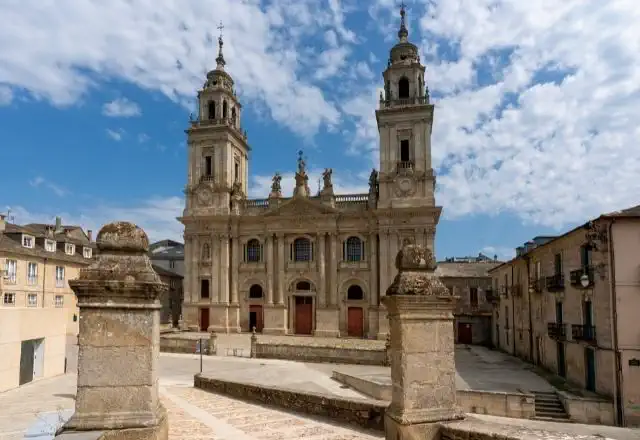
We enter the old town through the Puerta de San Pedro until we reach the Plaza Mayor and the Cathedral of Santa Maria.To consider
The official route from O Cádavo has been modified and does not go through Vilabade, but through Vilalle, saving 500 metres but avoiding the church of Santa María de Vilabade, although in any case, the old route is still signposted as a "complementary route" at the milestones until reaching Lugo.Of interest
- Church of Santa María de Vilavade - Castroverde
- Roman Wall - Lugo
- Santa María Cathedral - Lugo
- Historic centre - Lugo
- House of Mosaics - Lugo
- Domus del Mitreo - Lugo
- Rosalía de Castro Park - Lugo
- Roman Bridge - Lugo
Typical dishes
Although it is a complex statement, Lugo is one of the cities with the best food in Galicia. All drinks are accompanied by a cold pincho and a hot tapa, plus in any bar or restaurant you can taste typical dishes at very cheap prices.- Pork and veal steaks
- Octopus á feira
- Lacón with turnip tops
- Galician broth
- Zorza
- Raxo
- Orella, snout and cachola
- Empanada
- After dinner with typical liqueurs: coffee liqueur, herbs and cream of orujo.
- Cake of Santiago, roscón, filloas
- Cheese with quince
- day 2
Stage 1. Lugo - Ferreira (26.5 km)
We say goodbye to Lugo in front of the Cathedral and leave the walled city through the gate of Santiago, to go down Santiago street and after 400 metres we turn right onto Calzada da Ponte, which takes us in the direction of Ferreira.
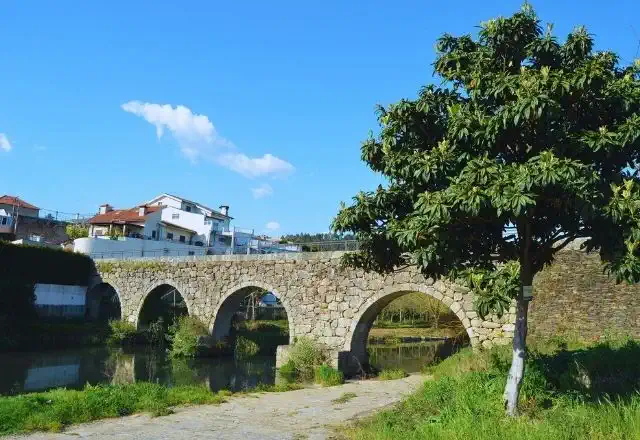
We continue along the Ronda del Carmen and pass under the N-VI road that takes us to the Roman bridge over the river Miño, called Ponte Vella. We cross the bridge and turn off to the right along Vella da Ponte and Fermín Rivera streets, enjoying the views of the river. We arrive at the fountain of the chapel of San Lázaro, where an old leper hospital was located.At the height of the church of San Lázaro we take the detour to the left, through some streets going uphill, moving away from the river and definitively saying goodbye to the city.
A little further on, we cross a tunnel on the N-540, go through a housing estate and cross another road, this time the LU-232. We take the local LU-2901 road, which we follow until we reach Seoane, a town with no services.
We continue along the same local road LU-2901, passing through different villages until we reach San Vicente do Burgo. Here you will find a bar 100 metres from the Camino and you can take advantage of the stop to visit its 18th century baroque church.
The LU-P-2901 is still a faithful companion. Although luckily we will find a couple of detours to the right, on tracks and paths, which break the monotony of the asphalt. A couple of kilometres before arriving we pass a crossroads that leads to the Crecente Inn, 100 metres from the Camino.
We continue along the road until we reach the church of San Romao da Retorta, in the municipality of Guntín, and we continue along a rural road dotted with hamlets and parishes without services, with quite a lot of asphalt. We finally arrive at Ferreira, where we will find a small Roman bridge with a single arch and some toilets.To be taken into account:
If you want to sleep in a public hostel, we have to shorten the stage by 8 km from Ferreiros to end up in San Román da Retorta, or lengthen it by 5.6 km to the village of As Seixas and halfway through the stage, 2.5 km off the Way, you will find one of the most unique monuments in Lugo, the Church of Santa Eulalia de Bóveda (3rd - 4th century), declared an Asset of Cultural Interest. It can be visited from Tuesday to Saturday from 10:00 to 15:00.
There is the possibility of linking the Primitive Way with the North Way (Lugo - Friol - Sobrado dos Monxes), lengthening a little more our arrival to Santiago de Compostela.Places of interest
- Church of San Lázaro da Ponte
- Church of San Vicente do Burgo
- Church of Santa Eulalia de Bóveda (2.5 km detour from the Camino)
- Church of San Romao da Retorta
Typical dishes:
- Octopus á feira
- Galician broth
- Stew
- Mougan peppers
- Beef steak
- Raxo
- Zorza
- Lacón with turnip tops
- Artisan bread
- day 3
Stage 2. Ferreira - Melide (20 km)
We cross the Roman bridge of Ferreira and go up a path until we reach the local road LU-231 for 2 km in the direction of Melide. We turn off to the left towards Leboreira to, shortly after, take the same road again.
We leave the road on the right a little further on, and through a small path we join another local road. After passing Merlán, we leave it to the left to reach the village of As Seixas, where you will find a hostel. We pass the hamlet and go up a dirt track to Casacamiño. We go over a high point through a stone track that offers beautiful views.We go down to Hospital das Seixas, where we will find a fountain and a rest area.
We continue along an asphalted track, climbing a small hill in the Sierra del Careón, which divides the provinces of Lugo and A Coruña. We go down the opposite slope of the mountain range through an asphalt and gravel track until we take the detour to the left that goes down to Vilouriz.
We cross a path with meadows until we reach another village, Vilamor, where there is a fountain behind the church. From here we continue along the road, through an urbanized area. We cross the river Furelos until we reach the crossroads of Melide, which we follow to the left until we reach the centre of the village. Here our Primitive Way joins the multitudinous French Way.To consider
From the moment you start in Ferreira and throughout the stage you will find small bar-shops, although they do not usually have fixed opening hours. Melide is the capital par excellence of octopus á feira, which you cannot fail to try in two of its famous pulperías: Pulpería Ezequiel and A Garnacha.Places of interest
- San Roque Chapel - Melide
- Melide Crossing
- Church of Sancti Spiritus - Melide
- Capilla del Carmen - Melide
- Museum of the Earth of Melide
Typical dishes
- Octopus á feira
- Potato omelette
- Arzúa Cheese
- Padrón Peppers
- Beef steak
- Raxo
- Zorza
- Lacón with turnip tops
- After dinner: Almendrados, melindres and ricos (typical of Melide), orujo de hierbas, coffee liqueur and cream of orujo.
- day 4
Stage 3. Melide - Arzúa (14 km)
Today you will say goodbye to Melide with a short stage ahead, although with some moderate elevation. However, we assure you that the effort will be worth it as you find yourself surrounded by extraordinary Atlantic forests. And if the weather is on your side, you can't forget your swimsuit. Upon arriving at Ribadiso de Abaixo, you will have the opportunity to swim in the river and enjoy the beautiful landscape and the magical environment that accompanies this small village. Once in Arzúa, you will have all the services to stock up and rest. Ah! And you can't leave without trying the typical cheese that bears the name: Denomination of Origin Arzúa-Ulloa; accompanied by other typical products from the area. - day 5
Stage 4. Arzúa - O Pedrouzo (20 km)
This stage is a pleasant walk on flat and comfortable terrain, with plenty of bars and restaurants that will encourage you to take it easy. You will alternate between villages and pine and eucalyptus forests. Small towns like Salceda mark the halfway point of the stage, a perfect stop to recharge your batteries before the last kilometres of the stage. - day 6
Stage 5. O Pedrouzo - Santiago de Compostela (19 km)
At last the last stage of your journey is here. As we said before, the sooner you start walking today the better, because the sooner you will get to Santiago de Compostela. Once you arrive at Monte do Gozo, you will discover that pleasant sensation when you first see the towers of the cathedral. A perfect panoramic view before savouring your last kilometres and making the triumphal entrance to the Plaza del Obradoiro. - day 7
End of the Camino
After arriving... End of the Camino
Frequently Asked Questions
-
What is on-the-road telephone assistance?
In your travel documents, you'll find an emergency telephone number where we're accessible while you're on the road. This ensures you'll journey with peace of mind, knowin our team members will assist you with any problems, incidents, or questions you encounter along your Camino de Santiago.
-
What is travel insurance?
It is the guarantee that you can enjoy your Camino in a safe way. In our trips you already have an insurance included with your trip to be protected during the Camino de Santiago. We will send you the insurance policy along with all the documentation of your trip, so you will have everything you need to enjoy the Camino with peace of mind. Walk without worries! -
What does the private transfer service consist of?
We have a taxi service that you can hire whenever you need it. You can hire it, for example, to go from the airport to the start of your Camino, or to go from Santiago to your starting point to pick up your car once you finish the stage. The price of the transfers will depend on the distance from your point of origin to the destination. If you have any questions about this service do not hesitate to contact us. -
Where are the accommodations located?
In your travel documents, you will find the names of the accommodations assigned to you, as well as their contact telephone number and location. As a general rule, all accommodation are located in the centre of the different towns along the Pilgrims' Route to Santiago de Compostela, without the need to deviate too far from the route. But sometimes, due to lack of availability, it is possible that some accommodation may be a little far from the village or even in neighbouring towns. For all the accommodations that are at a considerable distance from the route of the Camino, we will provide you with a free taxi service that you can use to get to your accommodation and return to the Camino the next morning. In any case, these are exceptions that we will inform you at the time of booking. -
What coverage does the travel insurance have?
The basic travel insurance included in our packages offers extensive coverage against unforeseen events, ensuring you'll receive guaranteed medical assistance and numerous benefits. You can review the specifics in the General Conditions of Travel Insurance.
-
How do I make a reservation?
To make a reservation, you can follow these steps:
- Through our website: Select the route you want and follow the steps indicated in the form. Provide your personal information and that of your companions, choose the type of accommodation, room distribution, meals, transfers, bike rental, etc.
- By email: If you prefer to make the reservation by email or need a personalized trip, you can send us an email to info@viajecaminodesantiago.com. We will provide you with the necessary information to complete the reservation via email.
It is important to note that if the routes or services available on the website do not meet your specific needs, you can request a personalized quote by sending an email to info@viajescaminodesantiago.com.
-
Can I choose the dates I want?
Yes, you will have total freedom to choose your departure date. However, if you want to do your Camino de Santiago in the months of December, January and February, we recommend that you check availability before making your reservation. At this time of year most accommodation is closed and many services may not be available. -
What does Camino de Santiago on your own mean?
In this modality you will do the Camino de Santiago at your own pace and you will only have to worry about choosing the route you like the most, the type of accommodation and your departure date. If you choose this option you will travel alone or with the people that appear in your reservation, and you will have all the services included so that you only have to worry about walking and enjoying the experience. -
What is luggage transport and how does it work?
Luggage transport service by default is included in all our trips and it is not necessary to request it. You can enjoy the Camino de Santiago without the burden of carrying your luggage on your back, knowing that your suitcase will be waiting for you at your next accommodation upon your arrival. Along with your credential, you'll also receive stickers. Cover these stickers with the requested information and stick them in a visible place on your suitcase. Upon arrival at your accommodation, we suggest asking at the reception where you can leave your luggage. You'll need to leave your luggage at the designated spot early in the morning for our carrier to pick it up. This ensures that when you arrive at your next accommodation, your luggage will already be waiting for you. -
What services are included in the Camino de Santiago on your own?
The Camino de Santiago at your own pace includes the following services:
- Accommodation for resting.
- Luggage transport so you do not have to carry it.
- An informative dossier with details about the stages.
- The Pilgrim Passport.
- A 24-hour assistance phone number available at all times.
- A travel insurance for your peace of mind.
Additionally, you have the option to customize your experience by adding extra services:
- You can choose whether to include breakfast or half board.
- We offer private transfers to take you to the start of the stage from Santiago de Compostela, from its airport, or any other point.
- We can take your vehicle from the starting point to the end of your Camino.
- You have the option to book extra nights at the beginning or end of your trip.
Unlike group trips, we do not include a guide or support vehicle between stages. However, we provide you with a 24-hour assistance phone number to resolve any issues or unforeseen events you may encounter on your journey.
Primitive Way from Lugo
From 260 €


Reviews
Antonio Fernandez Caballero
guada lopez
Esteban
Rosi
rocio marhuenda
leti
Esther
rosa
Silvia
Viajes Camino de Santiago