


The Camino de Santiago from Vigo, Galicia's largest ría as a starting point. 99 kilometres through Redondela, Pontevedra, Caldas de Reis and Padrón to the Obradoiro, among the ría of Vigo, woods, vineyards and the pilgrim buzz of the final stretch.
You walk; we provide the logistics: accommodation, your pilgrim's credential, full documentation and travel insurance, from 229 €. Add the daily luggage transfer and arrive at each hotel with everything already waiting for you.
The Camino from Vigo in 5 stages is a trip organised by Viajes Camino de Santiago®.
Services
Included in all our routes
- Accommodation
7 days / 6 nights
- Complete documentation (Dossier and material for the Camino)
- On-the-road emergency telephone assistance
- Pilgrim's Credential
- Travel insurance
Optional
- Luggage transfer during the stages. (1 piece per person max 15 kgs)
- Supplement for single room
- Extra night in Santiago de Compostela
- Breakfast
- MP (Breakfast and dinner)
- Cancellation Insurance
Accommodations
- Most popular
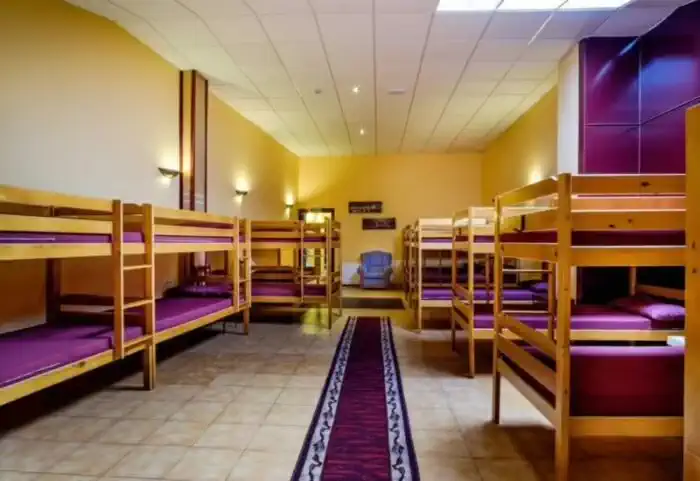
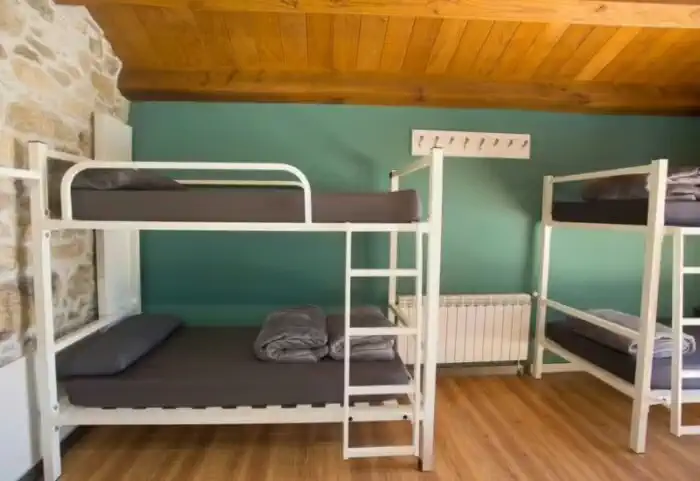
Basic accommodation (Private hostels)
229 €
The most authentic accommodation on the Camino. Hostels are the ideal option for those traveling on a tight budget, solo pilgrims, or anyone who wants to experience the Camino de Santiago in its purest form. They are the perfect place to socialize, share stages, and connect with fellow walkers along this ancient route.
- Most popular
Private comfort (Guesthouses, rural houses and small hotels)
452 €
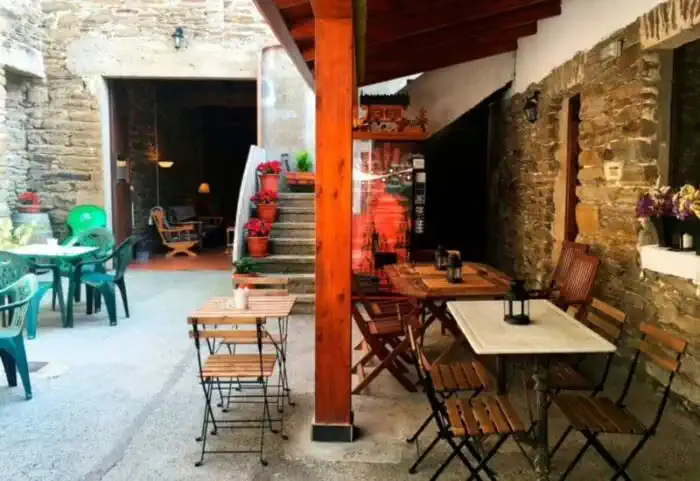
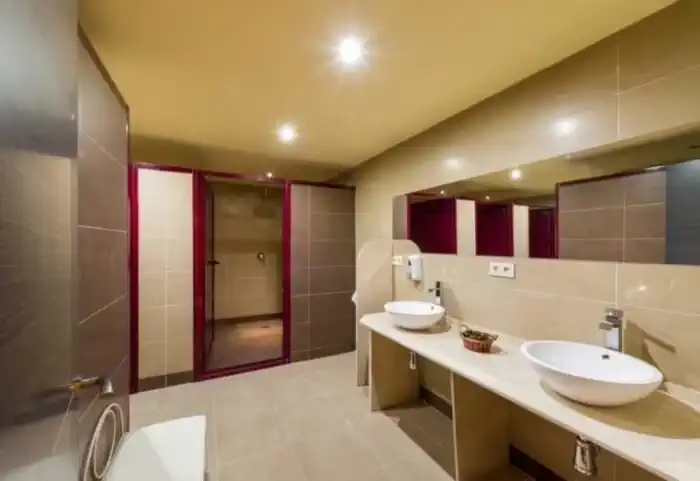
The perfect balance between charm and comfort. Guesthouses, B&Bs and country houses await you in the villages along the Camino with private rooms, private bathrooms, TV, and daily cleaning service. Simple and welcoming, they are the ideal place to truly rest and enjoy the peaceful rural essence that only the Camino can offer.
- Most popular
Superior accommodation (Charming hotels)
765 €
For those who want to reach each stage and recover in complete comfort. The best hotels and manor houses along the Camino de Santiago, featuring elevators, restaurants, private bathrooms, and quality services. Gardens, terraces, and swimming pools to end each day the way a pilgrim who values well-being deserves.
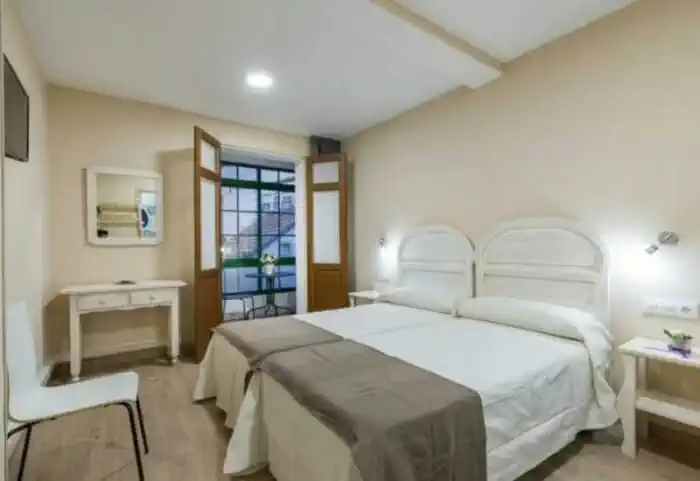
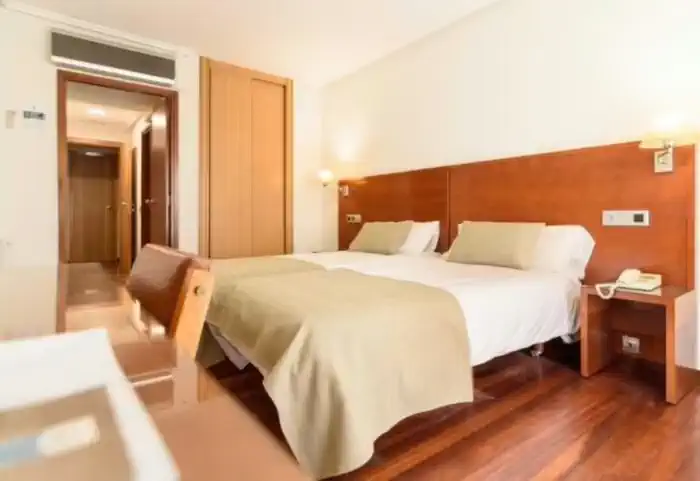
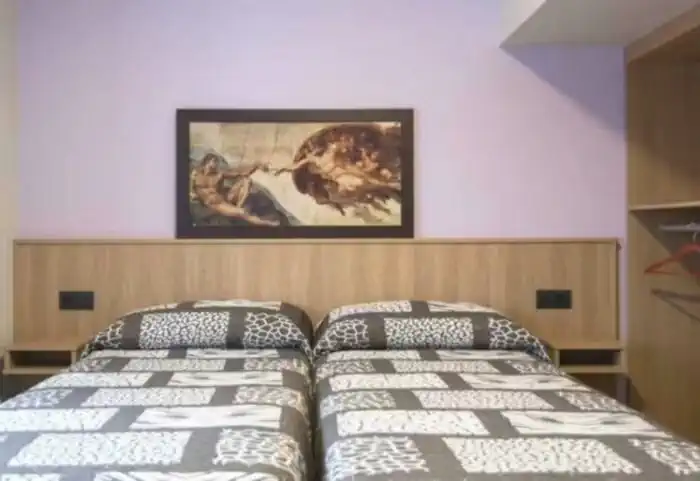
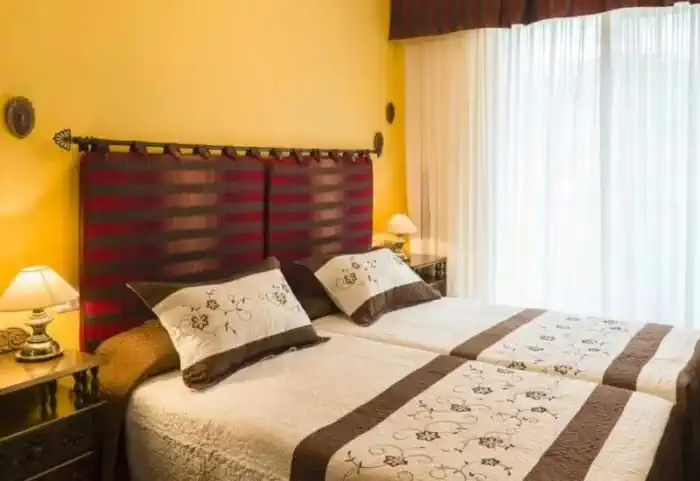
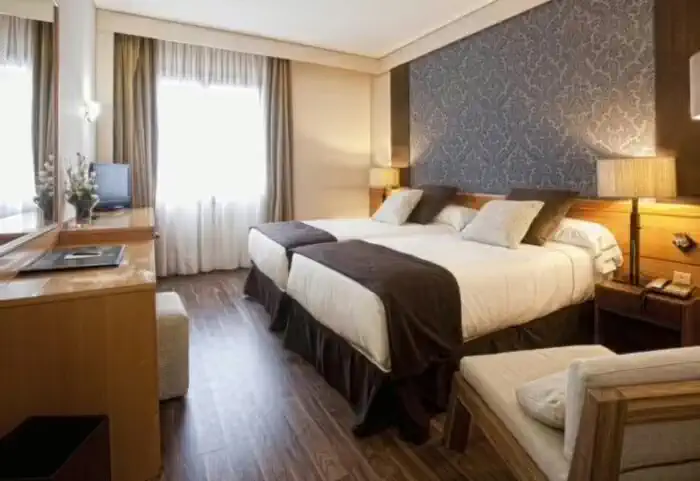
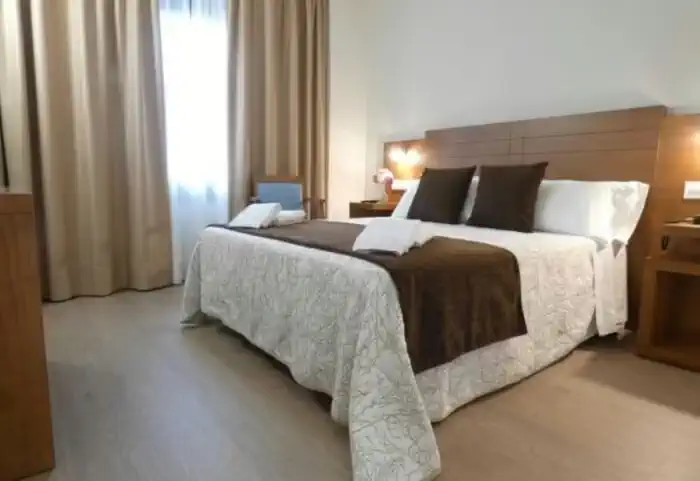

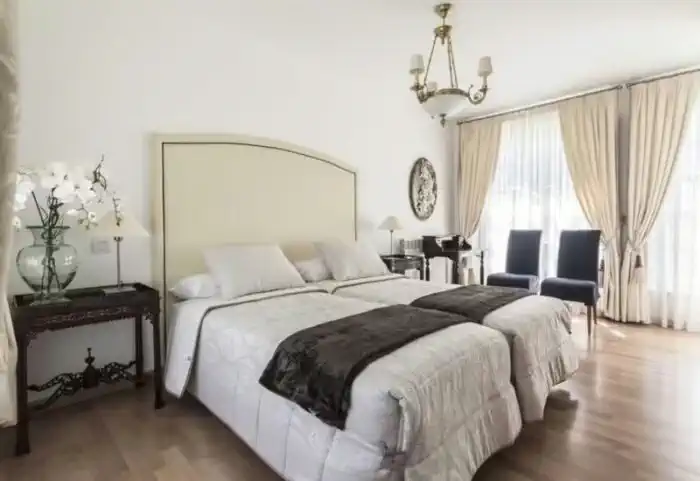
Photos
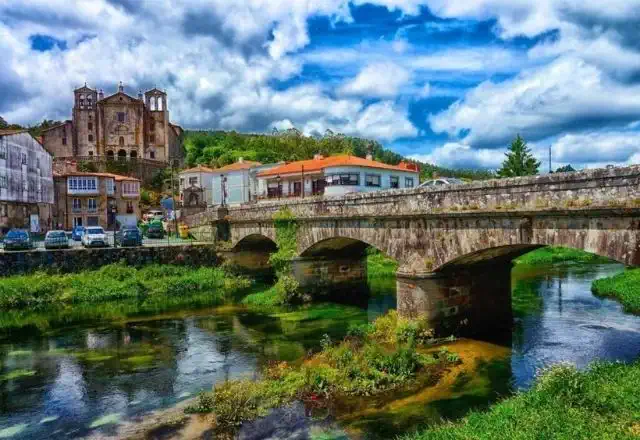
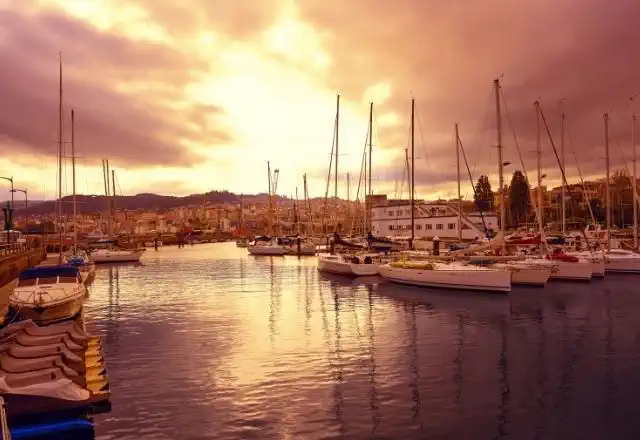
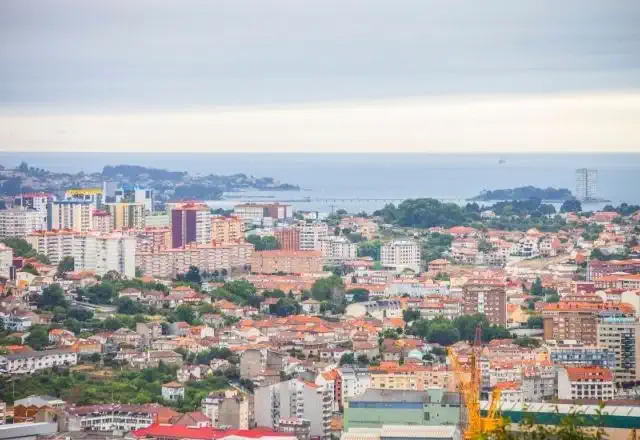
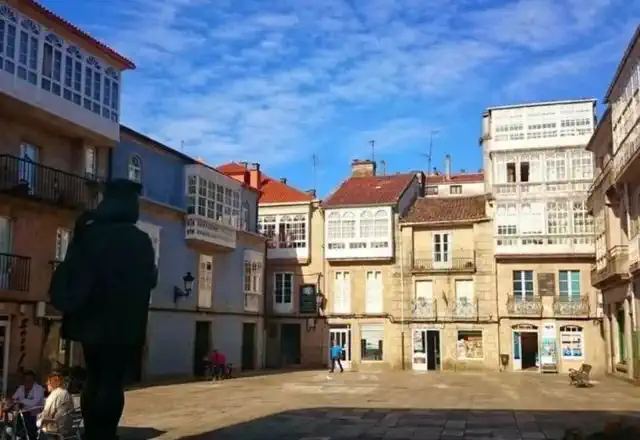
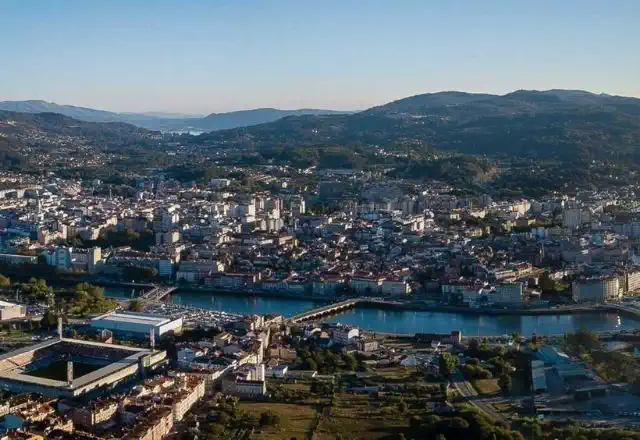
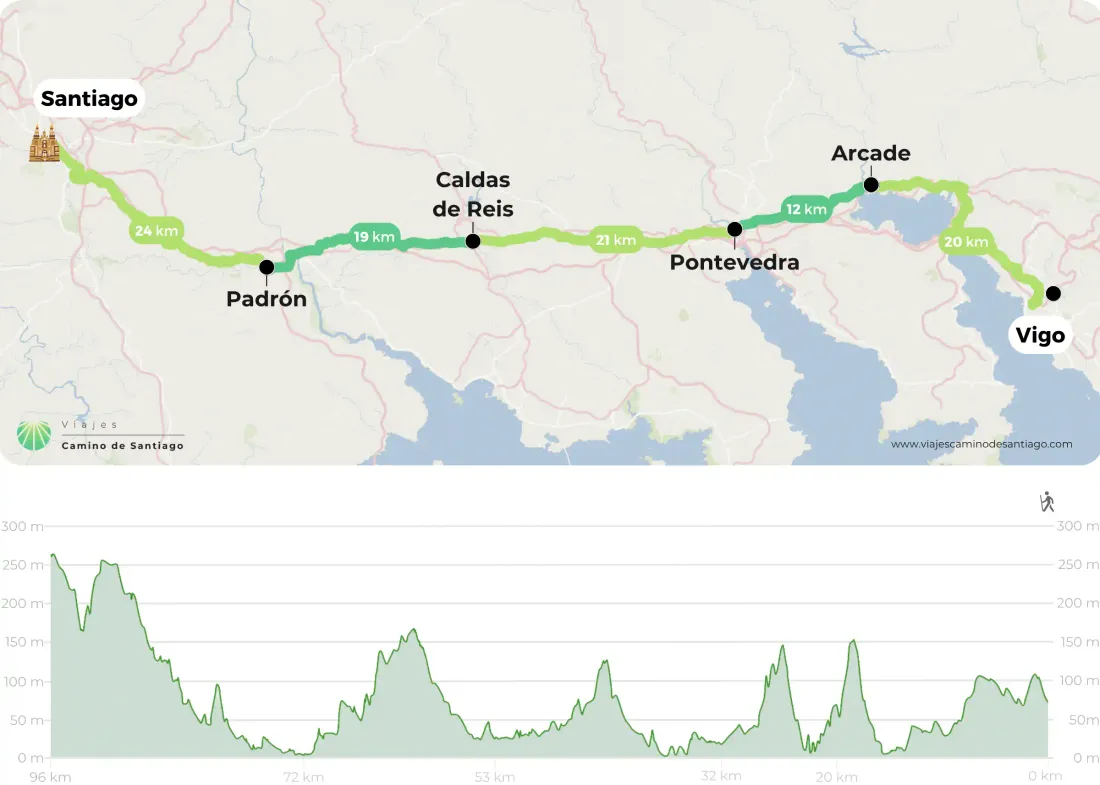
Map of the Portuguese Way from Vigo (5 stages)
Stages
- day 1
Arrival at Vigo
- day 2
Stage 1. Vigo - Arcade (23 km)
You say goodbye to Vigo along Rúa Urzaiz and pick up the yellow arrows again heading toward Arcade. The day gives you beautiful views of the Ría de Vigo, the Rego de Fondón waterfall and the climb to the church of San Andrés de Cedeira, before joining the central Camino Portugués at Redondela. You finish in Arcade, the oyster capital.
- day 3
Stage 2. Arcade - Pontevedra (12 km)
You leave Arcade crossing the historic Pontesampaio bridge, the site of the battle against Napoleon's troops in 1809. Afterwards you walk the evocative Roman road of the Brea Vella da Canicouva, with its great stone slabs, through woods and villages. The stage ends in Pontevedra, for many the prettiest city in Galicia: lose yourself in its cobbled streets and squares before resting.
- day 4
Stage 3. Pontevedra - Caldas de Reis (21 km)
A gentle, pleasant stage. You leave Pontevedra through the Plaza de la Peregrina and cross the Puente do Burgo to head into a lovely rural setting, in the shade of centuries-old oaks. The small detour to the Barosa river waterfall is well worth it before reaching Caldas de Reis, a thermal town since ancient times: relax in its waters and follow its water route among waterfalls and mills.
- day 5
Stage 4. Caldas de Reis - Padrón (18.6 km)
The second-to-last day before Santiago. You leave Caldas de Reis along rural paths, pass through Valga and Pontecesures — the old "Port of Compostela" — and cross the river Ulla to enter Padrón. Here Jacobean legend hangs in the air: its church holds the Pedrón, where tradition says the boat carrying the Apostle's remains was moored. Try its famous peppers and turn in early: tomorrow, Santiago.
- day 6
Stage 5. Padrón - Santiago de Compostela (24.3 km)
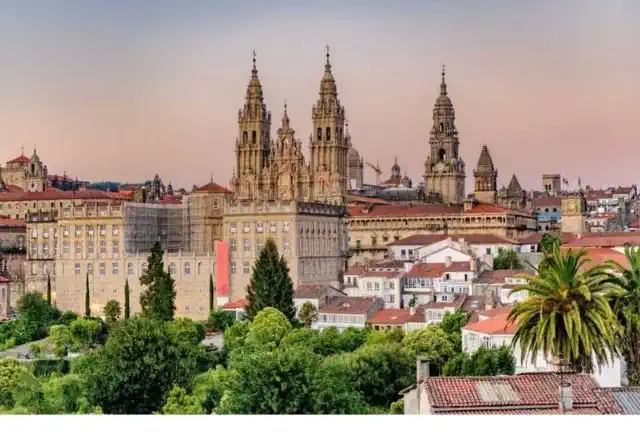
Last day! Get up early and set off from Padrón soon: the excitement will make the kilometres fly by as you cross Iria Flavia and the last villages toward Compostela. And suddenly, the Plaza del Obradoiro and the Cathedral of Santiago right in front of you: you've completed your Camino Portuguese. If you've walked at least the last 100 km, collect your Compostela at the Pilgrim's Office (Rúa Carretas) and don't miss the pilgrim's mass or the rest of the Galician capital.
- day 7
End of the trip
After your last night, you check out of your accommodation and your trip comes to an end.
Related Trips
 7 days / 6 nights
 8 days / 7 nights
 15 days / 14 nights
Portuguese Way along the coast from Porto to Santiago
13 Stages 271 Kms
From 1954 €Explore this Camino
Frequently Asked Questions
-
Do I have to carry my luggage during each stage?
Not if your trip has luggage transport: it is included in group trips, trips with a dog and VIP trips, and on all other trips you can add it as an optional service when booking. We take care of transporting your luggage from stage to stage. You only need to carry what's necessary for walking during each stage, making your journey much more enjoyable. -
I need to cancel my reservation.
You can cancel your trip free of charge up to 15 days before the start date, with no need to give any explanation.
- 15 days or more in advance → refund of 100 % of the amount paid, with no penalty. The refund is processed within a maximum of 7 days.
- Less than 15 days → Between 15 and 8 days before: 50 % of the total amount. 7 days or less → 100 % of the total amount.
- No-show → no right to a refund.
If you have taken out the Cancellation Insurance, you must inform us regardless of how many days' notice you give, but you have to handle the refund process with the insurer yourself.
Transfer of the booking: if you cannot travel, you can transfer it to another person at no cost; we only need you to let us know far enough in advance for us to arrange it. In that case, payments are settled directly between clients.
The client is responsible for any additional cost arising from the cancellation.
⚠️ IMPORTANT: every cancellation must be notified by email: info@viajescaminodesantiago.com (cancellations are not processed by phone).
👉 More info: Booking conditions.
-
How many stages does the Camino from Vigo have?
There are 5 stages through Redondela, Pontevedra, Caldas de Reis and Padrón to Obradoiro, through the Vigo estuary, forests and vineyards.
-
How do you get to Vigo to start the Camino?
Vigo has its own airport (Vigo-Peinador), a high-speed train station and good bus connections, being the largest city in Galicia.
-
What to see in Vigo on the day I arrive to start the Camino?
Spend the afternoon in the old town (casco vello). Find the Calle de las Ostras, where oysters are opened right in front of you and served with an Albariño from the Rías Baixas. From the old town, the Mercado da Pedra and Monte do Castro, where the city was born, you get the best views of the estuary. If you have time left, stroll along Calle Príncipe or head down to Samil beach. The next day you set off along Rúa Urzaiz.
-
Are there dangerous sections between Pontevedra and Caldas de Reis?
They're not dangerous, but they do require attention. Leaving Pontevedra you cross the river Lérez and pass the Marismas de Alba, a large wetland full of birds. From there the Camino crosses roads and railway level crossings several times, so look carefully before crossing and don't walk with headphones on. The rest of the 21 km stage is gentle and shaded by oak trees.
-
What to see in Padrón on the last night before Santiago?
Padrón is full of Camino history. The church of Santiago keeps the Pedrón, the stone where, according to tradition, the boat carrying the Apostle's remains was moored. It's also the land of Rosalía de Castro, and you can visit her House-Museum. Have some Padrón peppers for dinner (some are hot, some aren't) and get to bed early: the next day, leaving town, you pass the collegiate church of Iria Flavia on your way to the Obradoiro.
-
What do you see on the stage from Vigo to Arcade?
It's the most maritime stage of the trip: 23 km with the Vigo estuary almost always in view. Along the way you see the Cíes Islands in the distance, the Morrazo peninsula opposite, the huge Rande bridge and the San Simón inlet, with its island, wetlands and small beaches. You also pass the Rego de Fondón waterfall and, in Redondela, join the central Portuguese Way. You finish in Arcade, the oyster capital.
-
What to see in Pontevedra if I arrive with time to spare?
You'll have plenty of time: the stage from Arcade is the shortest of the trip, just 12 km. After Santiago, Pontevedra is the city with the richest heritage on the Portuguese Way. Don't miss the church of La Peregrina, the city's symbol, the Royal Basilica of Santa María la Mayor and the Ruins of Santo Domingo. Then wander its stone squares: for many, it's the prettiest city in Galicia.
-
Is the detour to the Barosa waterfalls worth it?
Yes. On the stage from Pontevedra to Caldas de Reis, near Briallos, a detour of just half a kilometre takes you to the Barosa Waterfalls: a drop of around sixty metres with fourteen old mills along the river. It's one of the most beautiful natural spots of the trip and takes very little time. Then you carry on to the spa town of Caldas for a relaxed afternoon.
-
Does the Camino from Vigo qualify you for the Compostela?
Yes. The tour page shows 99 km because it adds up the distance of our stages, but the Pilgrim's Office accepts Vigo as a valid starting point and gives you the Compostela all the same. Get your pilgrim passport stamped along the Camino (at least two stamps a day over the last 100 km) and show it when you arrive. The pilgrim passport is included in your trip.
From Vigo (5 stages)
From 229 €

Reviews
Ma. del Pilar Friera Villaseñor
Ma. del Pilar Friera Villaseñor