


What to see and do in Markina
Information
Markina, officially Markina-Xemein, is a town in Bizkaia on the Northern Way, birthplace of great Basque pelota players amid rural surroundings of exceptional beauty. It preserves the baroque Palacio Patrokua and its garden, the Palacio Solartekua (now the town hall), the church of Santa María de la Asunción, and the Ermita de San Miguel de Arretxinaga, whose three rocks form a small chapel inside.
A little history
This town was founded in the 14th century and a large part of its historic quarter still retains its medieval layout. The old town is made up of numerous buildings and monuments of interest. Also, surrounding the main centre there are more elements that are worth a visit, such as the Palace of Patrokua or the Parish Church of Santa María de la Asunción de Xemein, declared a National Monument of the Basque Country.
Would you like to walk this part of the Camino with your accommodation booked for every stage? These organised trips pass through Markina: Northern Way from Irún to Bilbao.
What to see in Markina
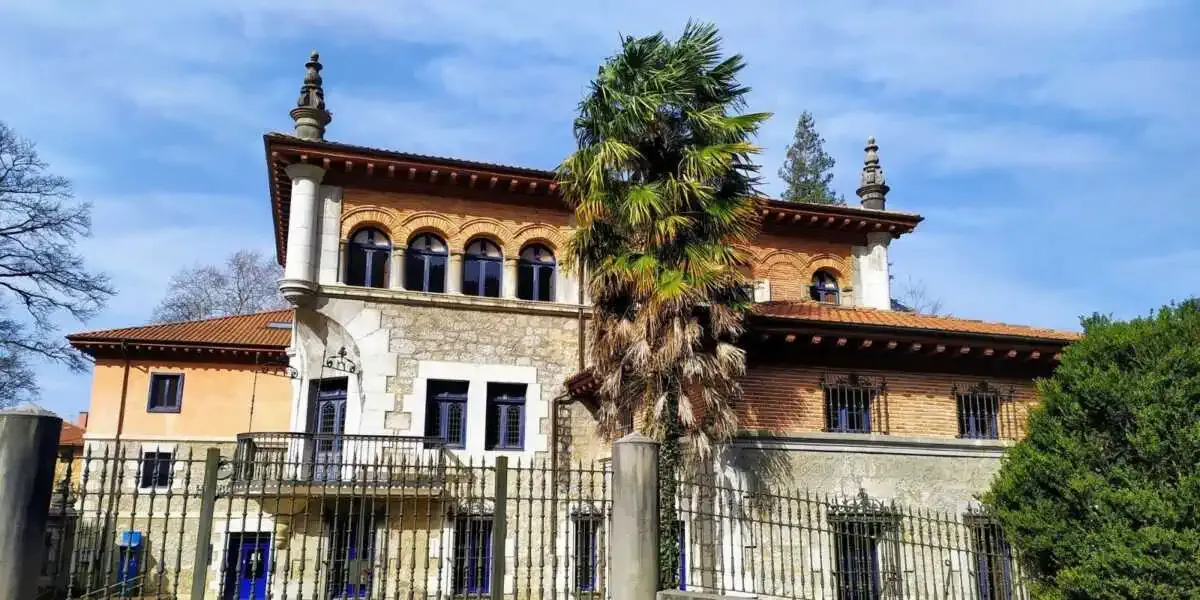
Patrokua Palace
It is the former residence of the Barroeta lineage. Its construction is divided into three phases from the 18th century to 1945. The space houses a beautiful baroque garden that contains a sculpture in honor of the writer and priest Juan Antonio Moguel. This garden is currently owned by the Lea Artibai school.
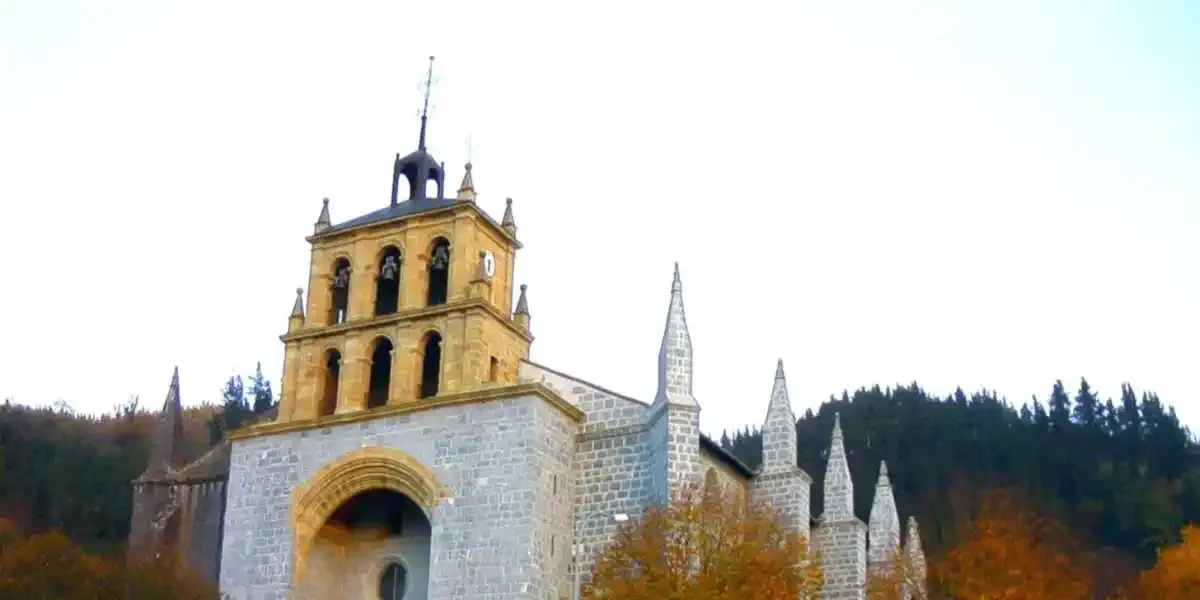
Church of Santa María de la Asunción
The location of this church is outside the limits of the original Markina core, due to the merger process mentioned above. Its construction is the result of the remodelling carried out in the 16th century on the old medieval temple, following the style of the German Hallenkirche (hall churches) of the Renaissance.
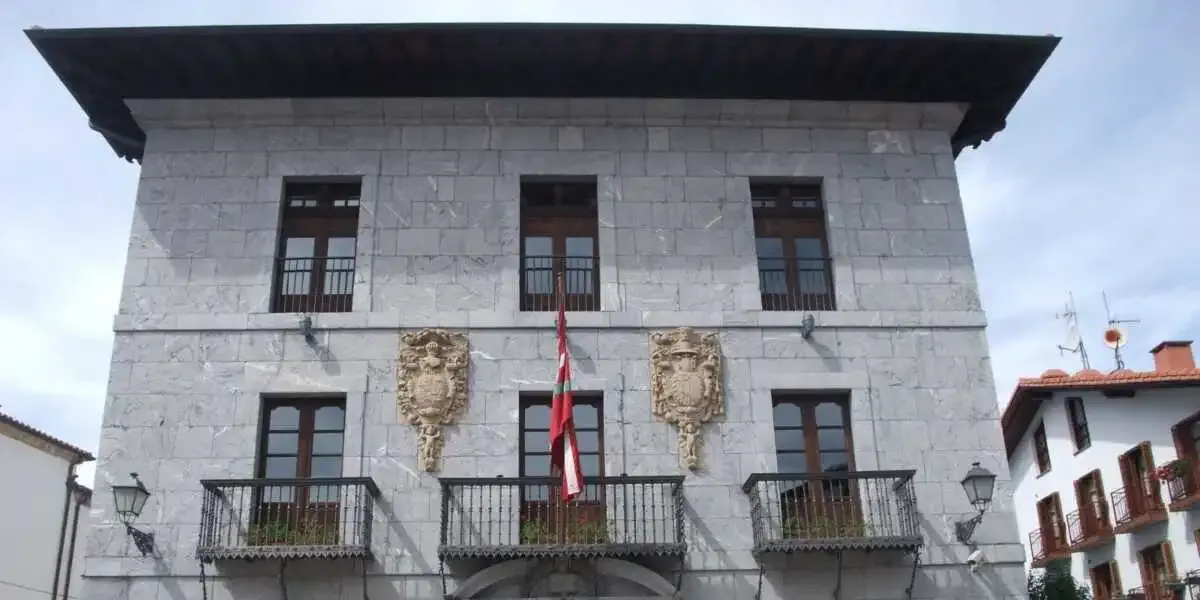
Solartekua Palace
It is a baroque palace built in the 17th century, which currently houses the town hall of the municipality.
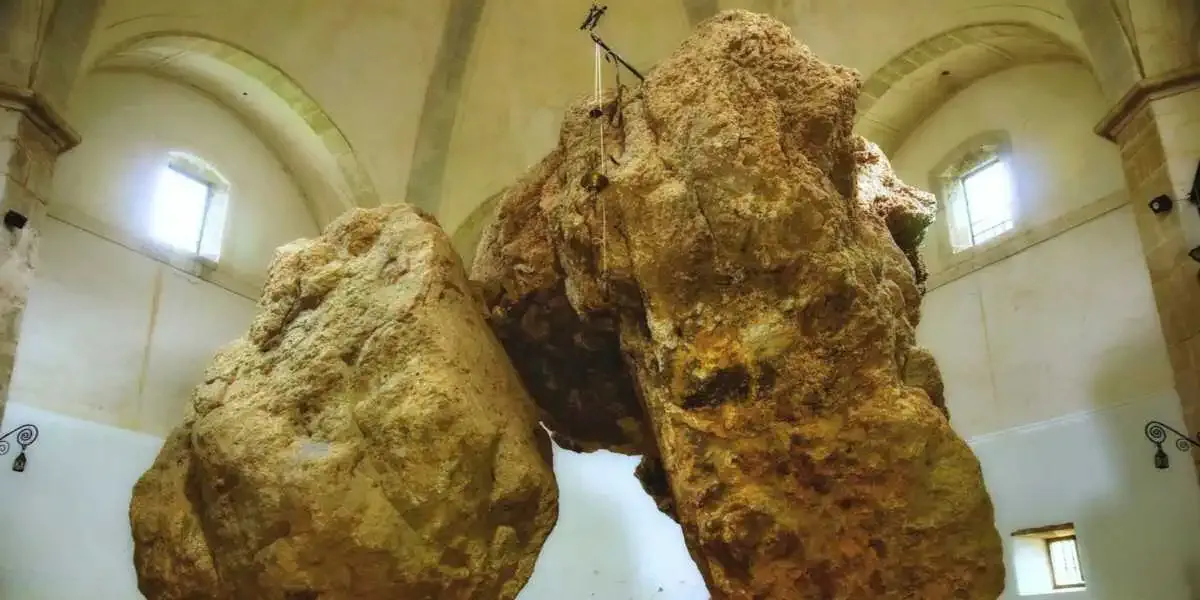
Hermitage of San Miguel de Arretxinaga
This beautiful chapel was built in the 18th century on the site of an ancient ruined temple. It has a hexagonal floor plan with a polyhedral roof. The most unique feature of the temple is the three large rocks found inside, which support each other, creating a natural structure over the altar.
Map of Markina
Map of Markina