


What to see and do in Zamora

Information
Zamora is a city close to the Portuguese border, on the Silver Route, with a medieval historic center and views over the Douro River. Its Romanesque legacy — churches such as Santo Tomé and San Juan de los Caballeros — sits alongside the Castle and City Walls, the church of Santa Lucía, and the historic Mercado de Abastos, still a living landmark today.
What to see in Zamora
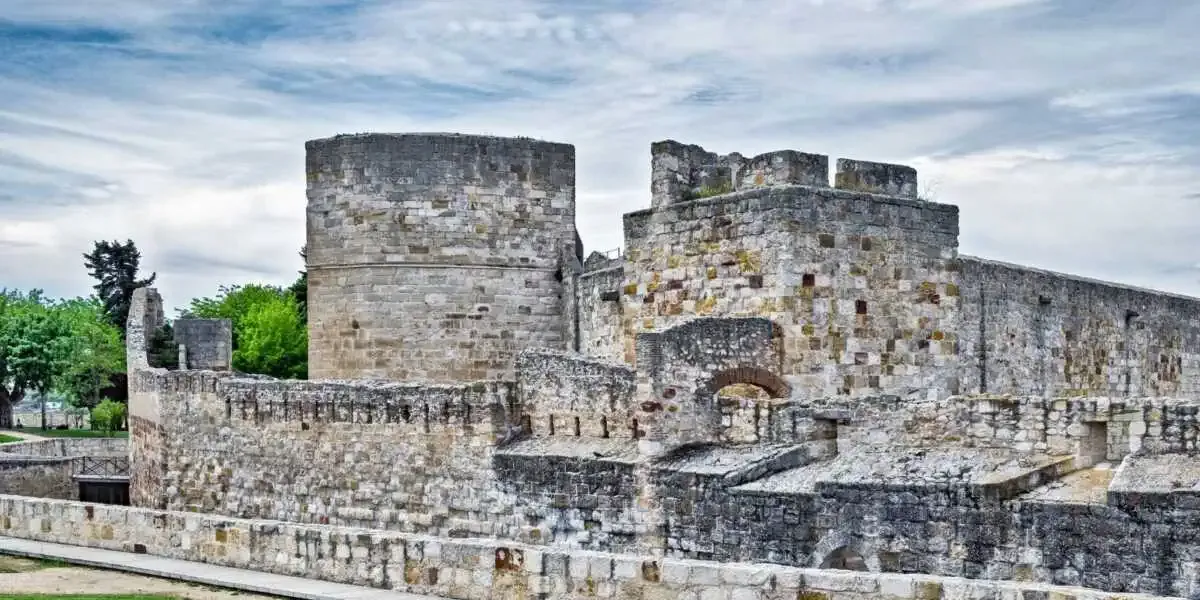
The Castle and Walls of Zamora
This is one of the architectural ensembles essential in the visit to Zamora. The castle had its period of great splendour in the Middle Ages and remained in its functions until the Carlist War. It has a rhomboidal floor plan and is a splendid viewpoint from which to contemplate the Cathedral, the River Douro and the Campo de la Verdad. From the castle itself continues the wall, which has grown over the course of different extensions. Therefore, it currently has three walled enclosures, each of them corresponding to a historical period ranging from the ninth century to the fourteenth century.
A walk through the Romanesque
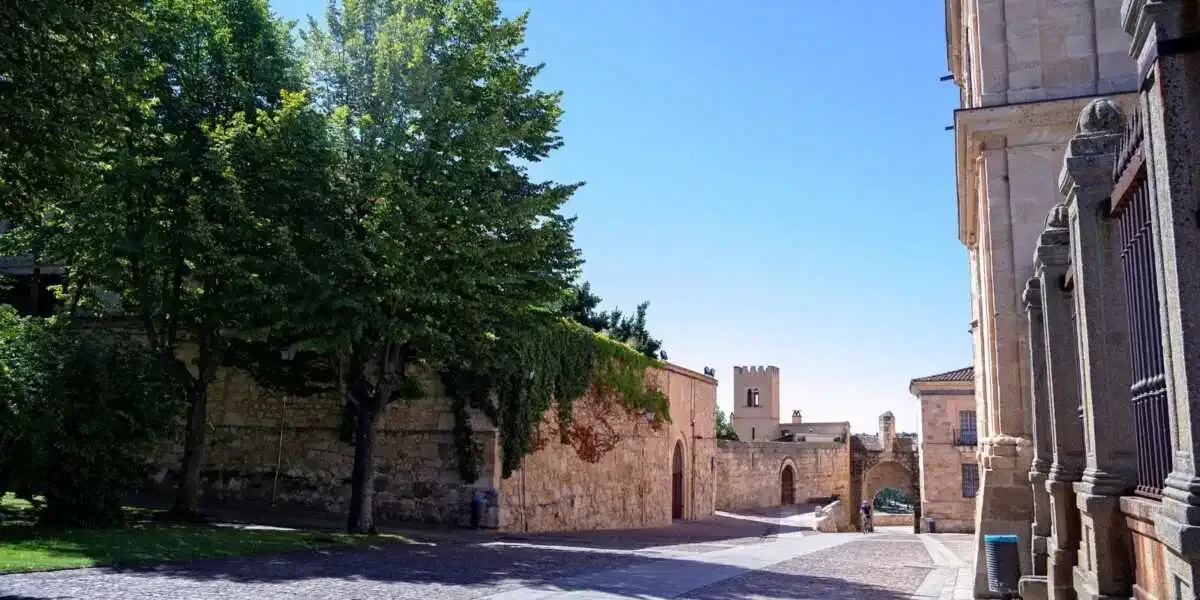
The Romanesque of Zamora overwhelms by its hybrid and synthetic character. The chevet of Santo Tomé, the Bishop's Gate, the tomb of the Magdalena, the capitals of the interior of San Juan de los Caballeros or the crumbling calendar of San Claudio are just a few examples that allow us to contemplate a singular Romanesque ensemble capable of enchanting any traveller.
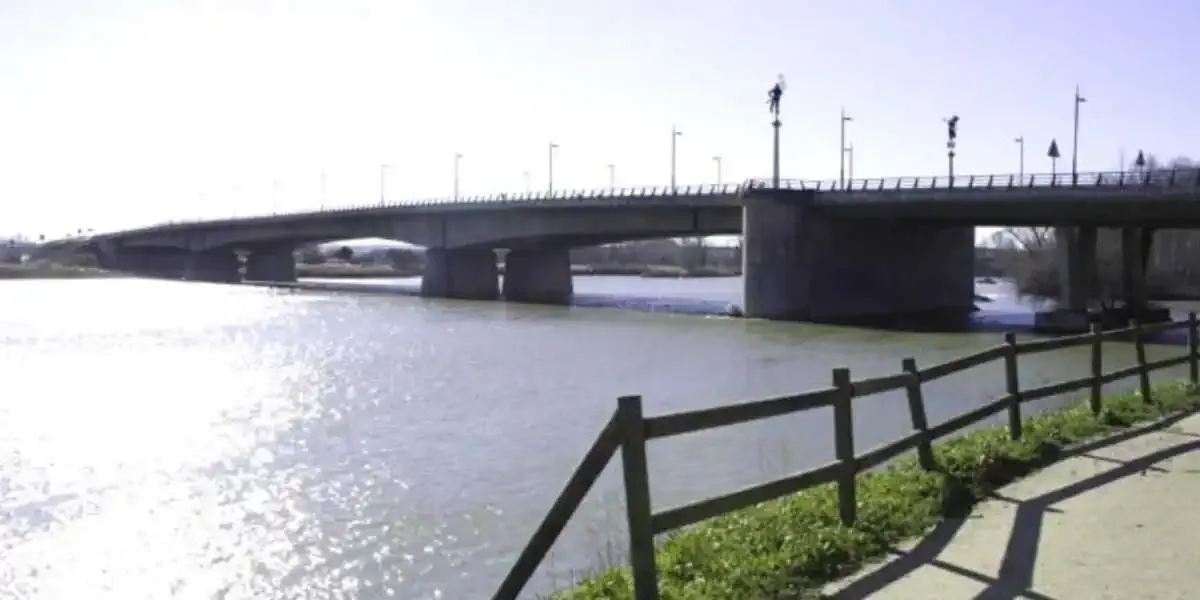
The Three Trees Bridge
The Three Trees Bridge was built in the eighties of the twentieth century. It has a concrete body and is perfectly integrated into the city and its aesthetics. It is representative that in this bridge there are two very marked parts, one crosses most of the riverbed and the other reaches the Park of the Three Trees. A national road runs over it and through the park that offers pedestrian access.
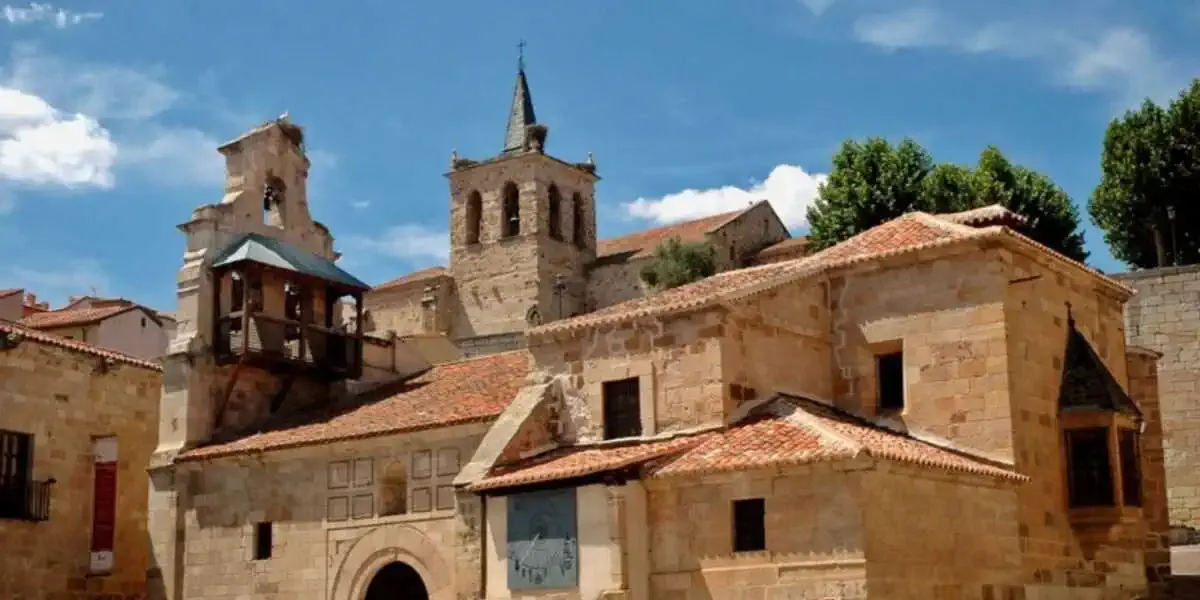
The church of Santa Lucia
The original temple was built at the end of the 12th century or beginning of the 13th century in the so-called Puebla del Valle. In this area the Jewish quarter was extended and the main craft activities were carried out. It is detected that it had three naves although it has preserved part of the primitive north wall, crowned by eaves with very simple corbels. At the foot of the nave there is a chapel covered with a Gothic ribbed ceiling dating from 1524. In its different reconstructions, powerful perpendicular arches that support a roof were included, and the flat chancel was also rebuilt, to which a Baroque chapel covered with slate scales was attached. Nowadays this church is used as a lapidarium that can be visited, part of the Museum of Zamora.
The Abastos Market
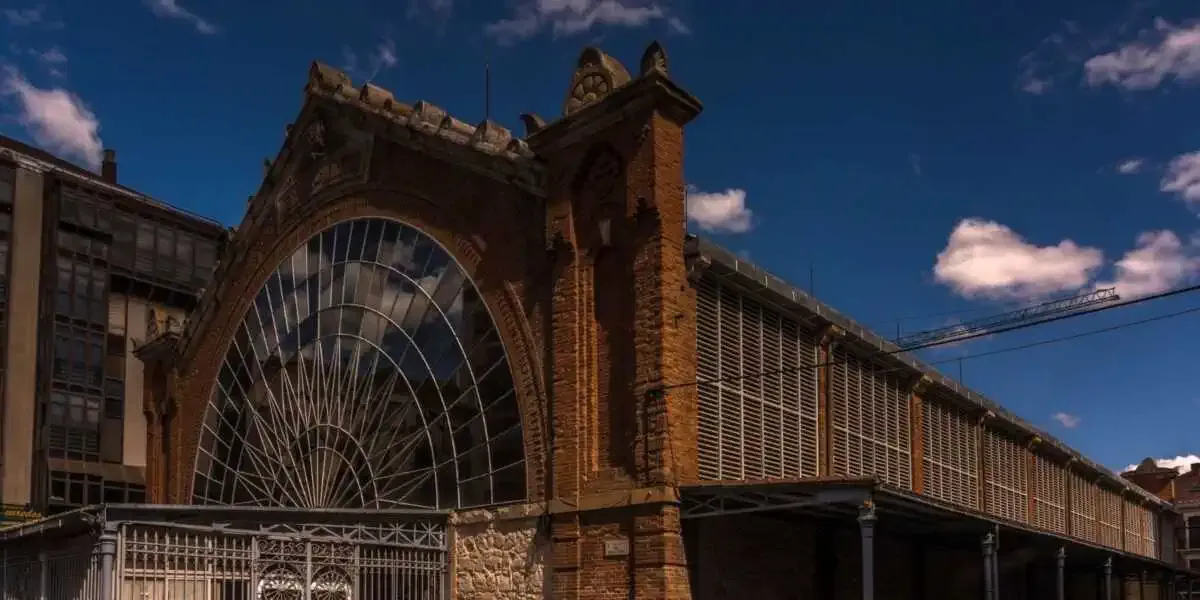
The Mercado de Abastos de Zamora is an important construction and an interesting contribution to our heritage, the work of the architect Segundo Viloria. This professional designed an iron and brick building at the beginning of the 20th century with the intention of improving life in the city. This market still retains the main function for which it was created and is still in use today.
The Stone Bridge
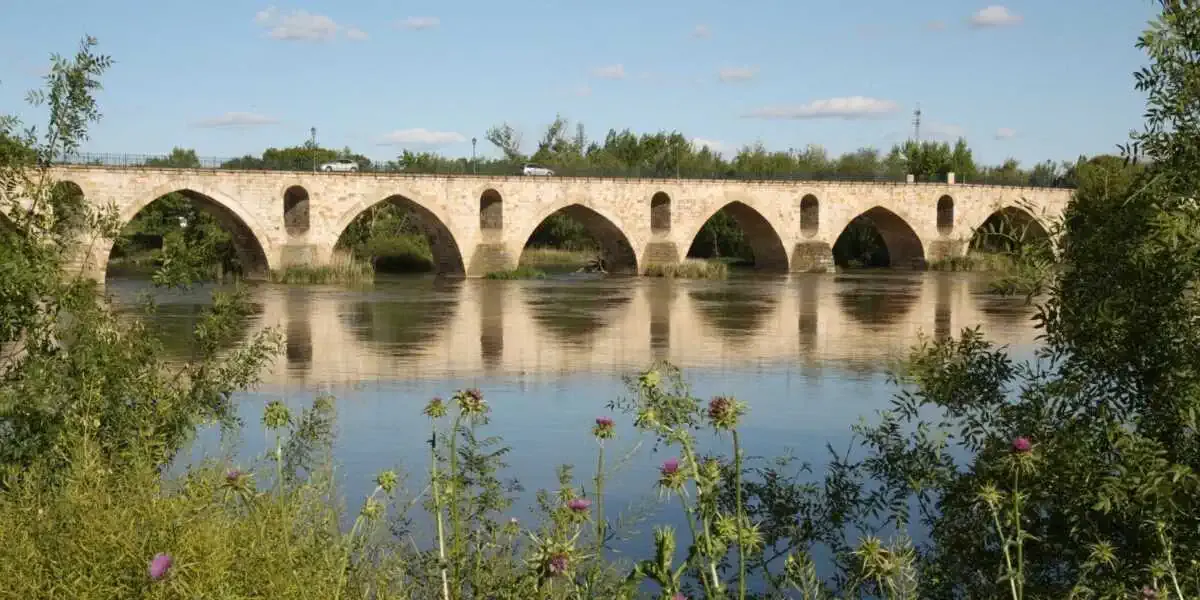
This bridge is the oldest bridge still standing. It is a construction of medieval origin that is already mentioned in the 12th century. In its early years it was called Puente Nuevo (New Bridge), while the so-called Puente Viejo (Old Bridge) still lets its remains rest downstream, as it was ruined in the 14th century. For a long time the Stone Bridge was the only access to Zamora from the left bank of the river.
Palace and Gate of Doña Urraca
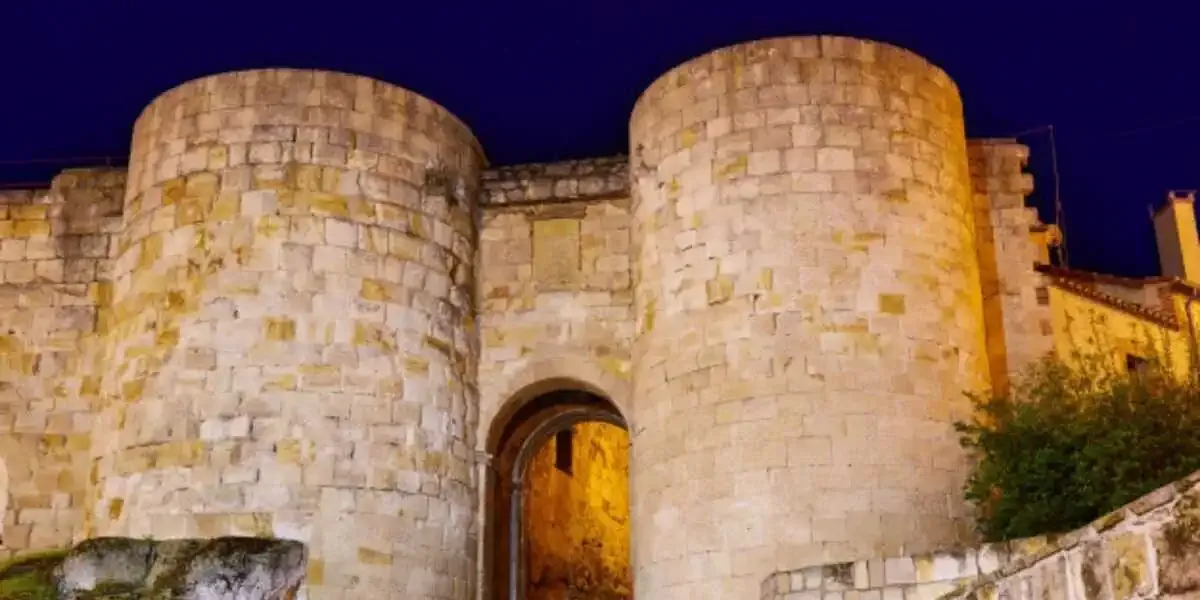
The building we are talking about was formerly known as Puerta de Zambranos, or Puerta de la Reina, they say that the term Urraca comes from the coat of arms that stands above it, but it is too badly eroded to see what is engraved on it. The door is flanked by well-restored cubes, massive blocks that act as crutches for a triple semicircular arch dating from the 13th century.
www.zamora.es
Map of Zamora
Map of Zamora