


What to see and do in Portugalete
Information
Portugalete is a town in Bizkaia, in the metropolitan area of Bilbao, right on the Northern Way, on the left bank of the estuary, almost at the mouth of the Nervión River on the Bay of Biscay. Its historic quarter brings together the Puente Bizkaia — a transporter bridge declared a UNESCO World Heritage Site —, the Basílica de Santa María and the Torre de Salazar, among other landmarks.
A little history
As expected, its origin and foundation are closely related to the development of the Bilbao enclave. Portugalete was founded by María Díaz de Haro. It should be noted that the House of Haro was a noble family of the Kingdom of Castile that held the title of the Lordship of Vizcaya from the 10th to the 14th century.
Would you like to walk this part of the Camino with your accommodation booked for every stage? These organised trips pass through Portugalete: Northern Way from Bilbao to Santander.
What to see in Portugalete
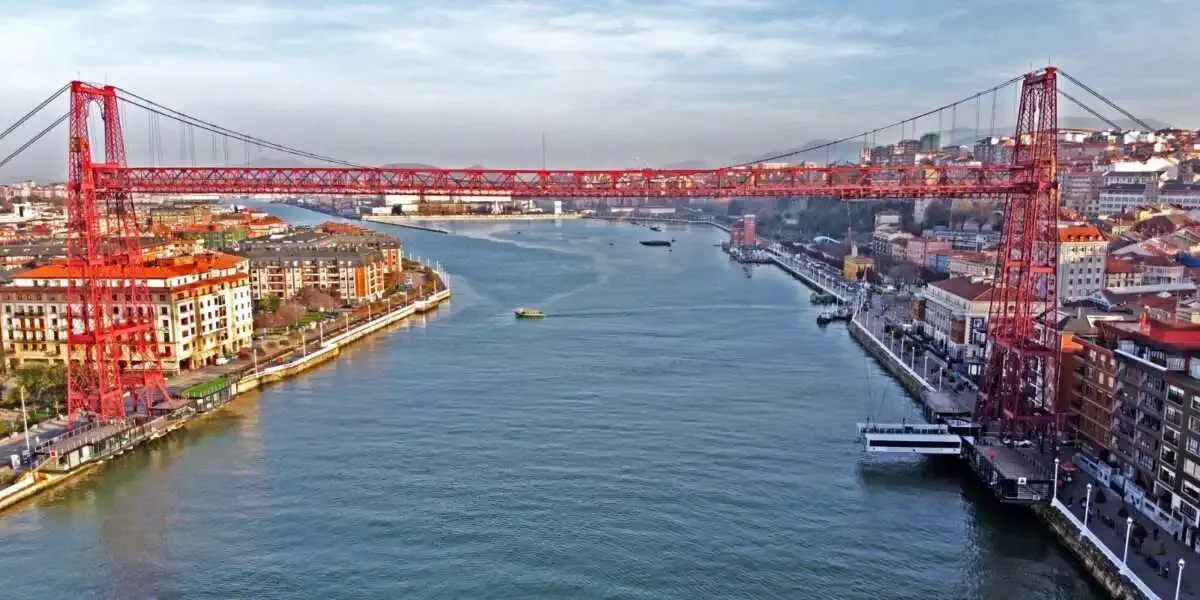
Bizkaia Bridge
Also known as the Portugalete Hanging Bridge, it is a transporter bridge built in the 19th century to connect the two banks of the estuary. It represents an exceptional example of iron architecture and was declared a World Heritage Site by UNESCO in 2006.
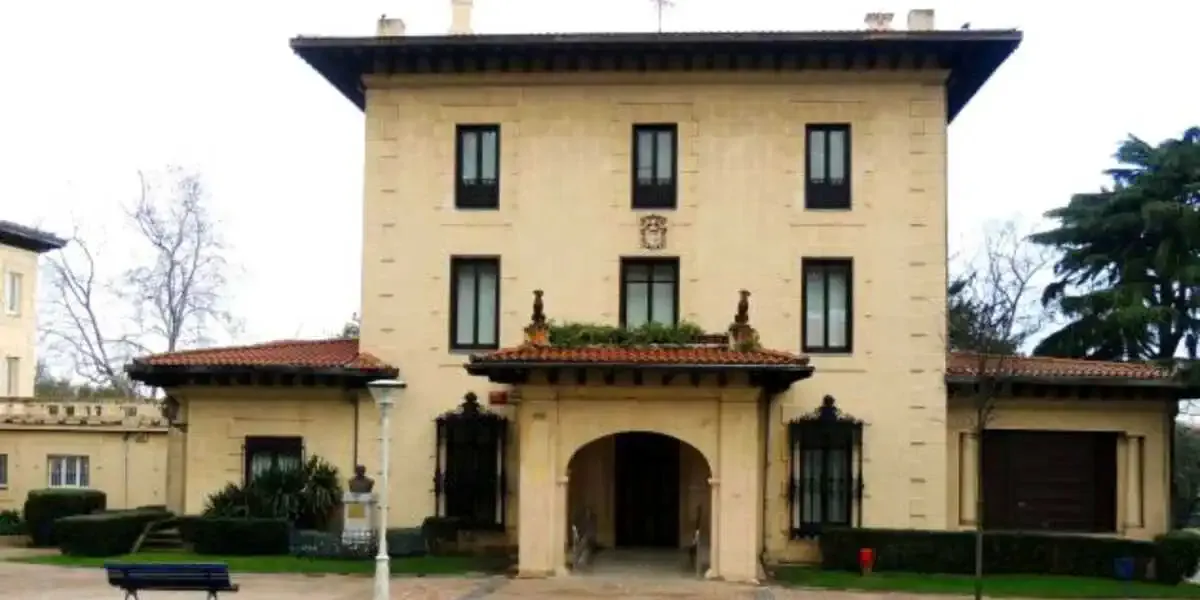
Lexarza Palace
It is a square neoclassical palace, built in the 19th century by the Martínez de Lexarza family. The family coat of arms is visible on the façade. Currently, the palace houses a headquarters of the National Distance Education University (UNED).
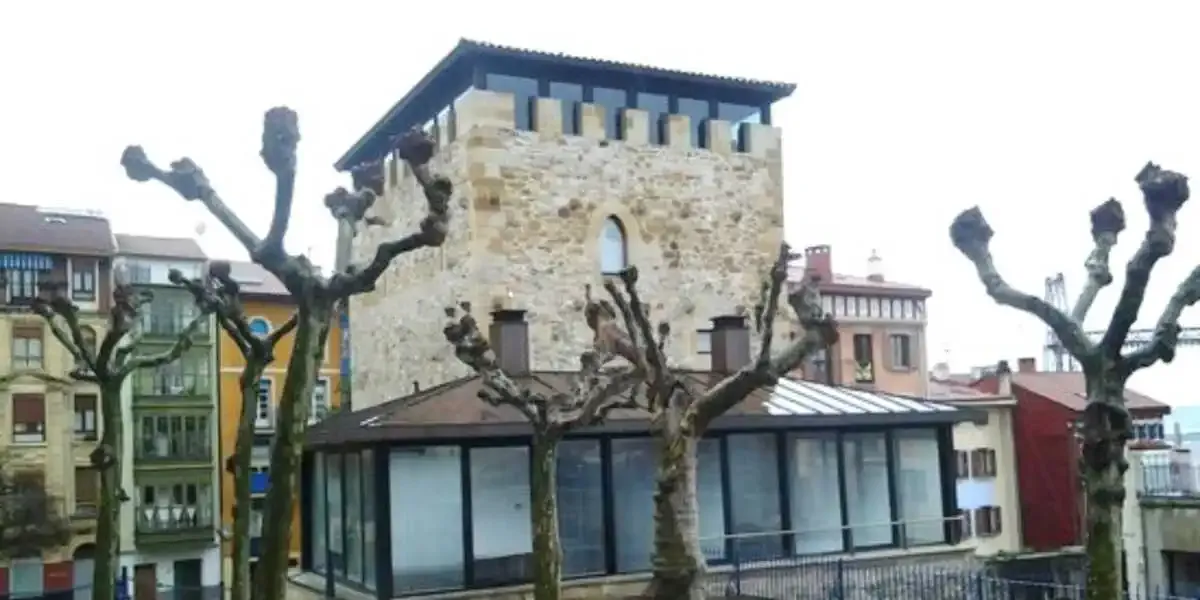
Salazar Tower
This is a tower house built in the 14th century, during the Late Middle Ages. Inside, it houses exhibitions and documents detailing the history of Portugalete and the Salazar lineage.
Convent of Santa Clara
This convent was built in the 17th century for the Order of Poor Clares. The building was originally designed in an unornamented Baroque style, but after being destroyed during the Carlist Wars, it was remodeled in the 19th century in a historicist style.
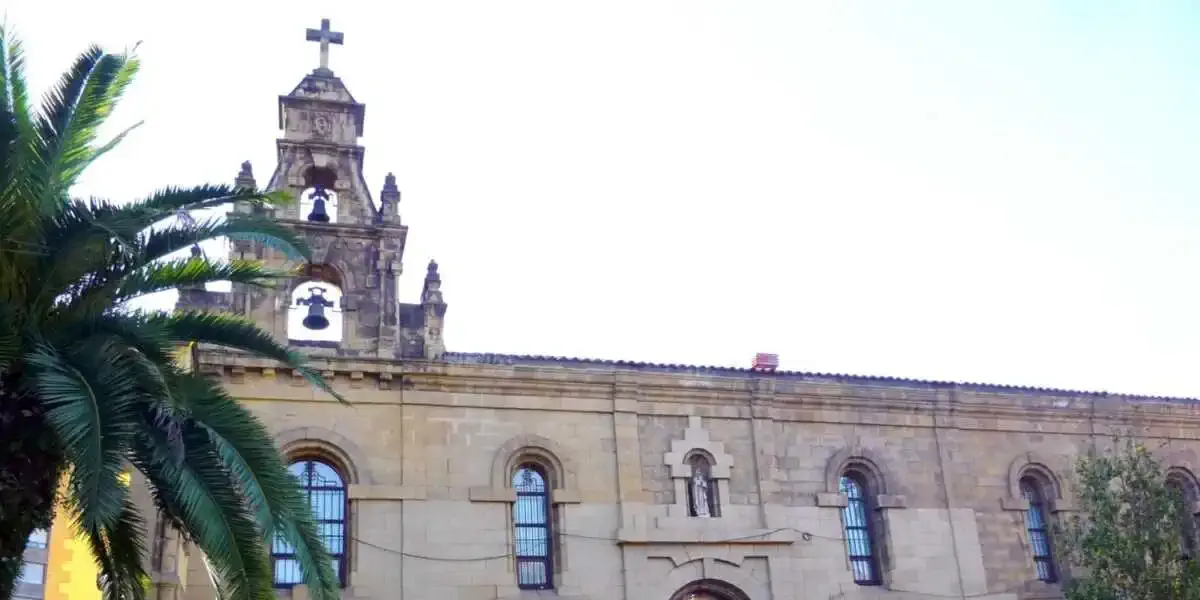
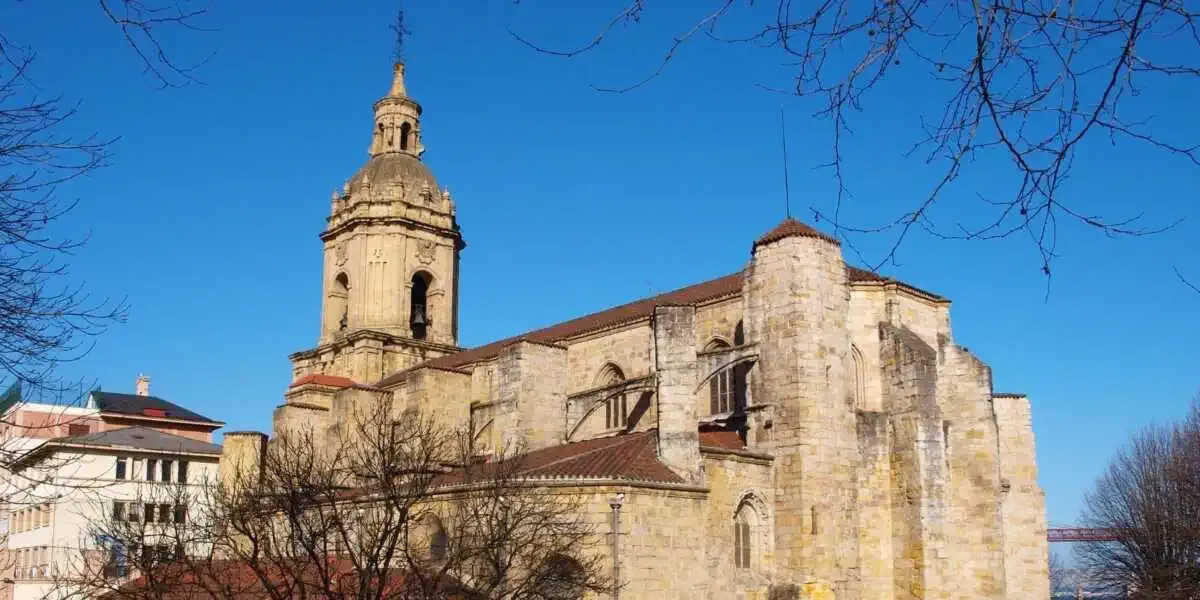
Basilica of Santa Maria
This temple was first erected by the House of Haro in 1322. The original structure was built in the Gothic style, with later remodelings in the Baroque style. It is declared an Asset of Cultural Interest.
Map of Portugalete
Map of Portugalete