


What to see and do in Irún
Information
Irún is the city where the Northern Way begins, in Gipuzkoa. Its border location with France made it witness to important historical moments —here, on the Isla de los Faisanes, the Treaty of the Pyrenees was signed— and today gives it great economic dynamism. Its heritage includes the Casa Consistorial, an 18th-century Baroque civil building rebuilt after the Civil War.
A little history
The oldest remains of occupation found in the territory date back to the Neolithic period. In ancient times, it formed part of the Vascona tribe and has always had strong links with Navarre. During the Modern Age, it was the meeting place for the signing of the Treaty of the Pyrenees, which put an end to the Thirty Years' War. Likewise, it was a very relevant point in the development of the Civil War.
Would you like to walk this part of the Camino with your accommodation booked for every stage? These organised trips pass through Irún: Northern Way from Irún to Bilbao.
What to see in Irún
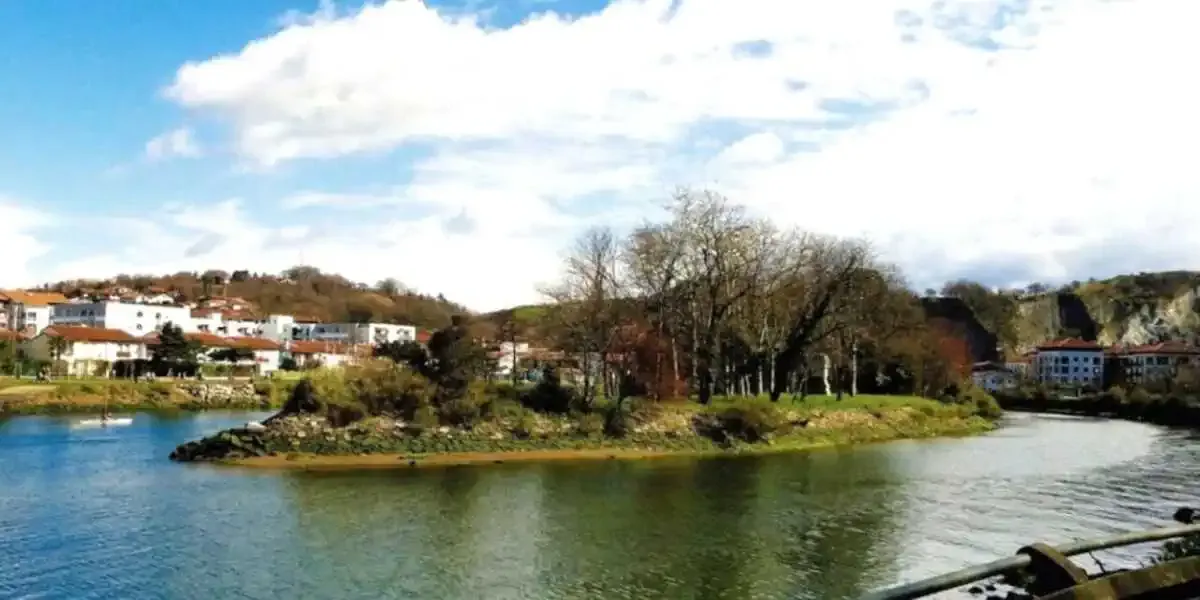
Pheasant Island
This island, located at the mouth of the river Bidasoa, is the border division between Hendaye and Irun. This was the place chosen for the signing of the Treaty of the Pyrenees mentioned above.
Collegiate Church of Iria Flavia
This collegiate church was declared a Historic-Artistic Monument in 1973. It was built between the 16th and 17th centuries, combining Gothic and Baroque styles.
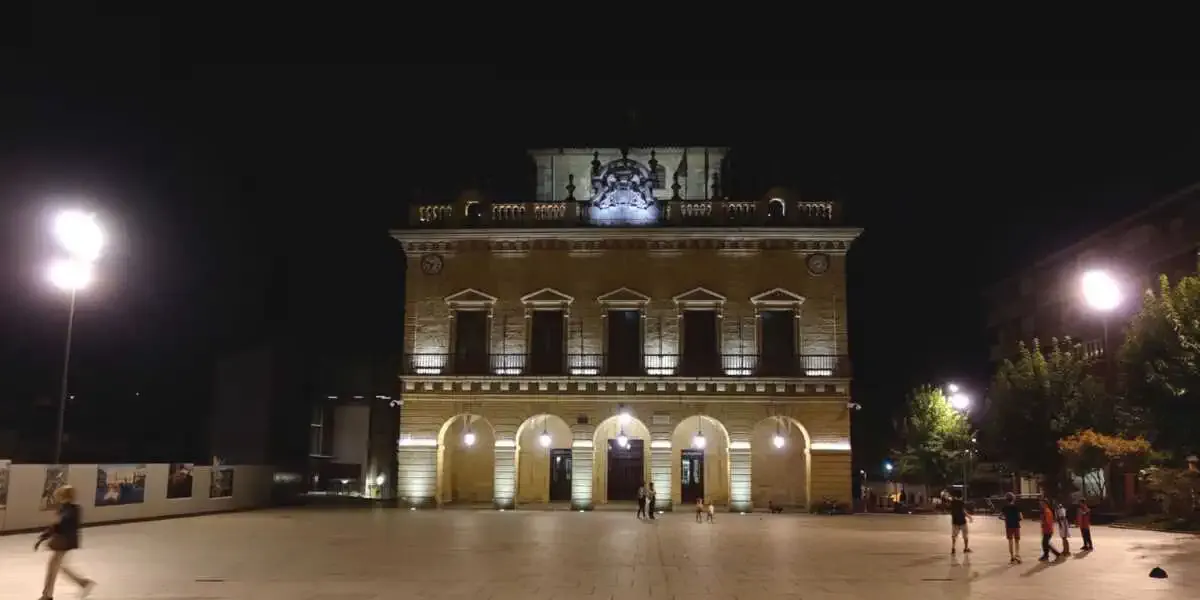
Town Hall
It is a beautiful civil building in Irun built in the 18th century to house the city's municipal headquarters. Of Baroque style, its sober and symmetrical façade stands out. The building had to be rebuilt after the Civil War.
Map of Irún
Map of Irún