


What to see and do in Castro Urdiales
Information
Castro Urdiales is Cantabria's easternmost municipality and the first one pilgrims cross on the Northern Way, as well as one of the largest towns in the province. Its historic quarter, protected as a Conjunto Histórico since 2000, gathers the Church of Santa María de la Asunción — a UNESCO World Heritage Site and Cantabria's most important Gothic monument —, the Casa de los Chelines and the Ballena municipal cemetery.
A little history
This traditionally seafaring town has evidence of human occupation dating back to the Palaeolithic period, found in caves such as Peña del Cuco and Urdiales. There was also significant pre-Roman and Roman presence (Flaviobriga). During the Middle Ages, its development was closely linked to the sea, while in the Contemporary Age, its prosperity was driven by mining and fishing activities. Currently, the economic decentralization of activities from nearby Bilbao is a major factor in the city's dynamism.
Would you like to walk this part of the Camino with your accommodation booked for every stage? These organised trips pass through Castro Urdiales: Northern Way from Bilbao to Santander.
What to see in Castro Urdiales
Historical Ensemble
The historic quarter of the town of Castro Urdiales has been protected as a Historic Site since the year 2000. This protection covers the entire civil and religious historical heritage, as well as various archaeological remains.
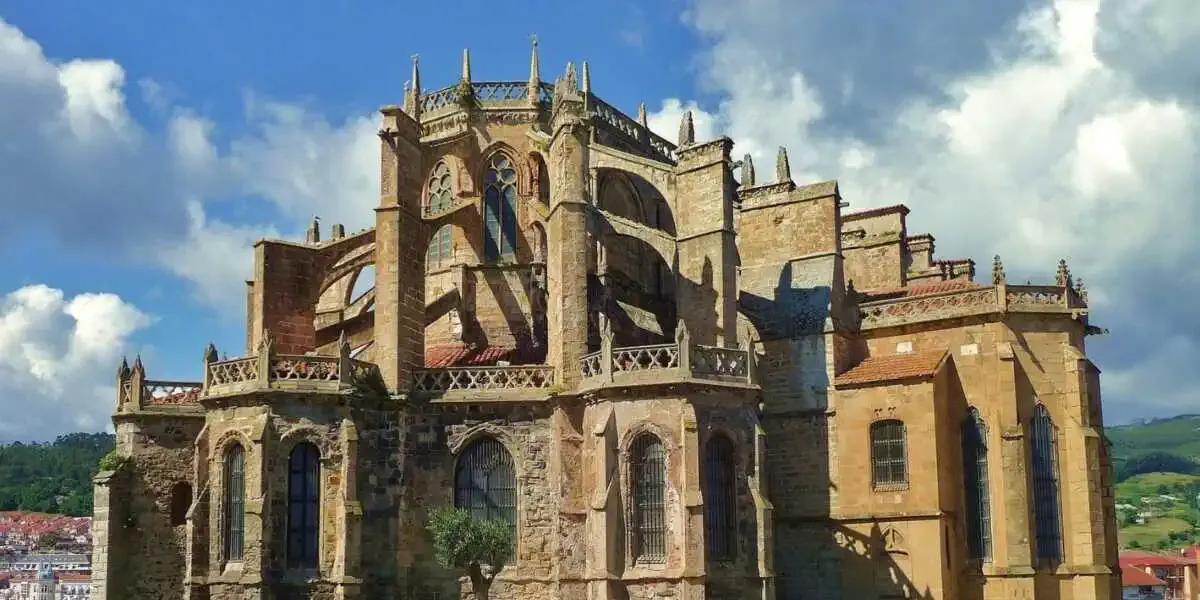
Church of Santa María de la Asunción
This church, declared a World Heritage Site by UNESCO as part of the Routes of Santiago de Compostela, was built in the Middle Ages in the Gothic style. It is considered the most important Gothic monument in Cantabria.
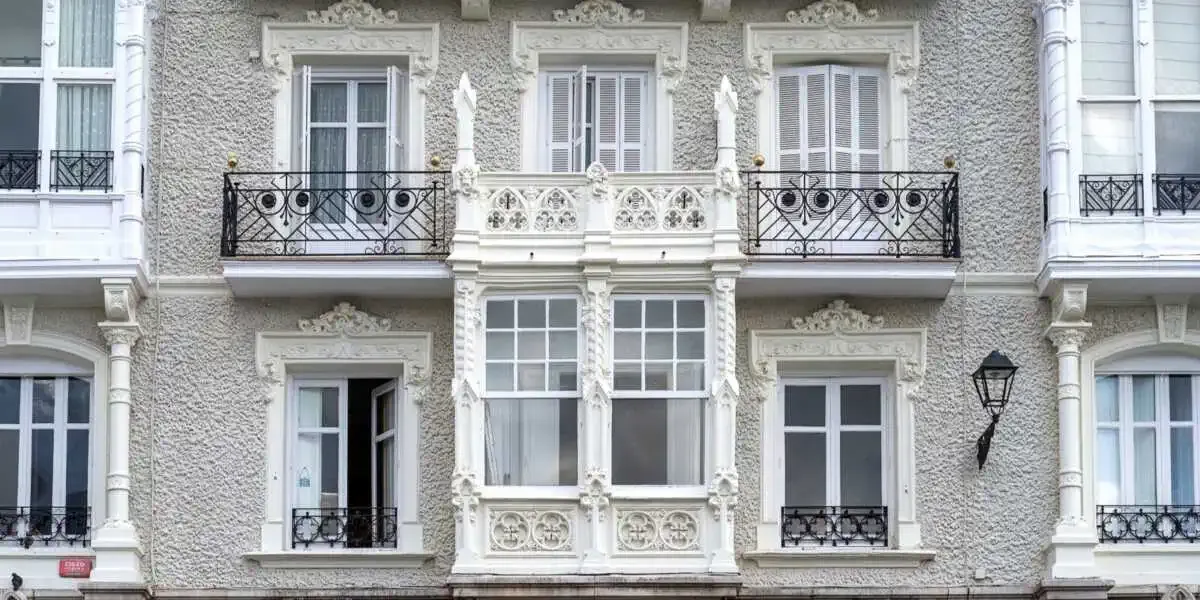
Casa de los Chelines
This is a beautiful Neo-Gothic building with modernist influences designed by Severino de Achúcarro. It is prominently located in the Town Hall Square.
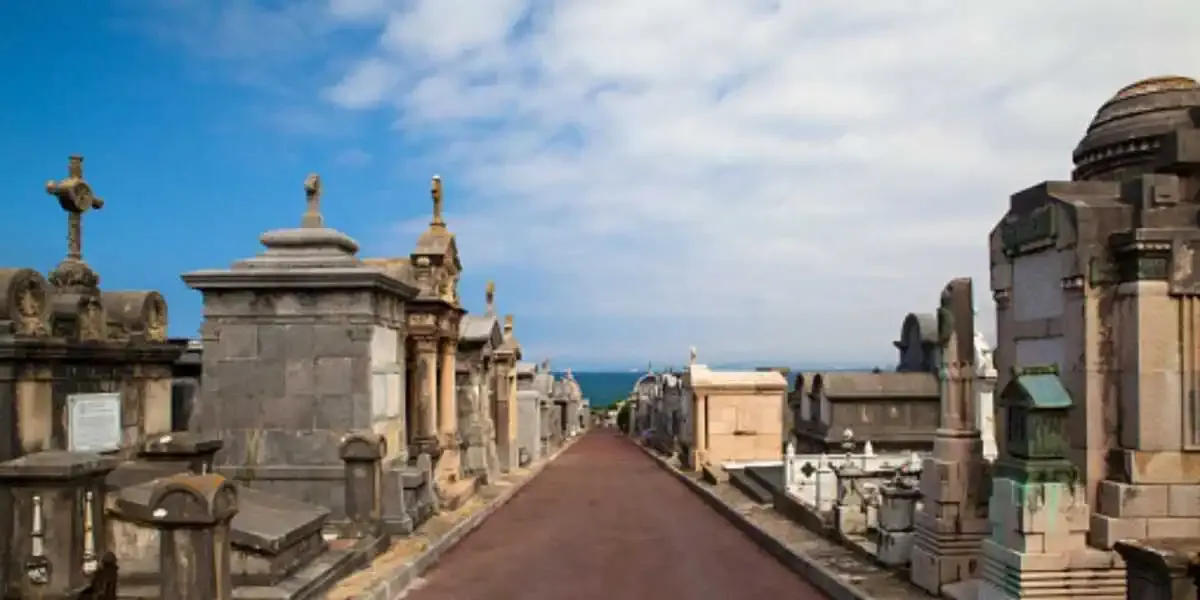
Ballena Municipal Cemetery
This eclectic 19th-century cemetery stands out for the variety of its architectural heritage. It is declared an Asset of Cultural Interest and forms part of the monumental and religious heritage network of Castro Urdiales.
Map of Castro Urdiales
Map of Castro Urdiales