


The Most Complete Guide to the Camino de Santiago
13 March, 2025
A complete guide to the Camino de Santiago provides all the essential information to plan your pilgrimage, from the different available routes (such as the French Way, Portuguese Way, or Northern Way) to practical details about accommodation, pilgrim passports, stages, transportation, and safety tips. Additionally, it includes recommendations on the appropriate gear, physical and mental preparation, and what to expect on each section, ensuring a comfortable, safe, and enriching experience along the way.

The Camino de Santiago is one of the oldest and most famous pilgrimage routes in the world, a journey that attracts thousands of people each year. Regardless of the motivation that drives you to undertake it, this path offers a unique experience that combines spirituality, history, nature, and a myriad of emotions. In this complete guide, we will tell you everything you need to know to prepare for this incredible adventure through the Jacobean routes.
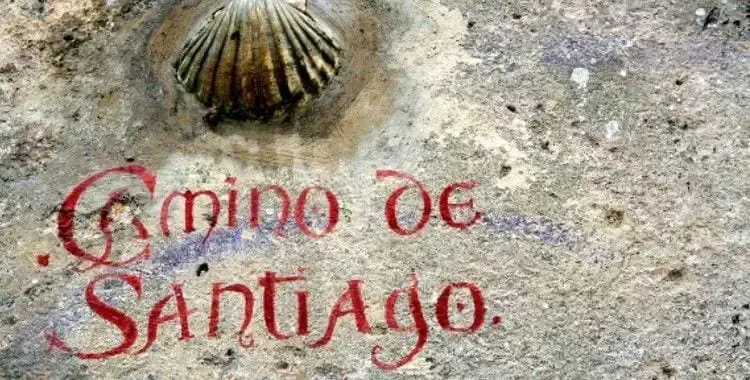
The Camino de Santiago is much more than a set of routes
What is the Camino de Santiago
The Camino de Santiago is a network of European pilgrimage routes that converge in Spain to reach the Catedral de Santiago de Compostela, but why?
The origin of the Camino de Santiago dates back to the 9th century, when the tomb of the Apostle James “the Greater” was discovered in Santiago de Compostela. From that finding, a network of paths began to form that led to the city for the faithful and devout medieval Christians, pilgrims to Santiago eager to venerate his mortal remains, becoming the main network of pilgrimage routes in Christendom.
Today, the Camino remains a symbol of faith, hope, and overcoming, as well as a way to connect with oneself and the world around us. It has also become a tourist and cultural attraction, where pilgrims enjoy a unique environment full of history and tradition.
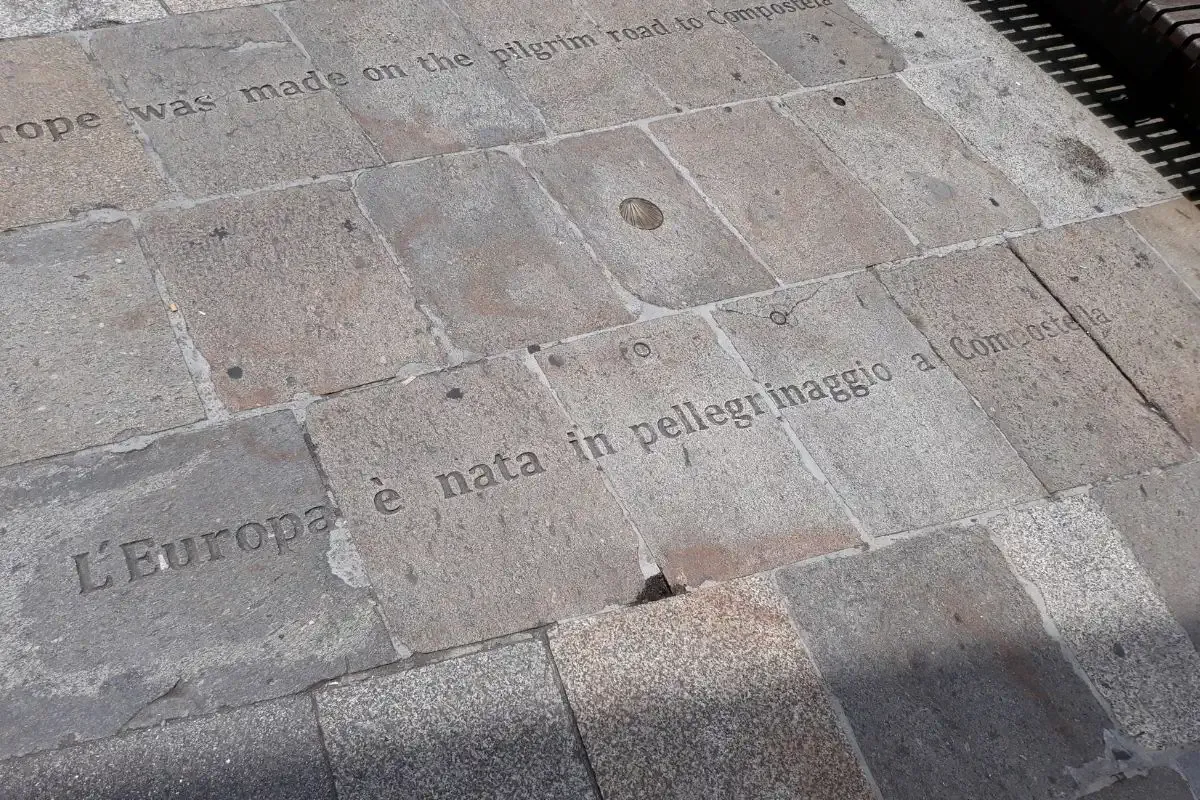
Inscription of a phrase attributed to Goethe about the Camino de Santiago
Why undertake the Camino de Santiago?
Walking the Camino can mean many things, depending on each pilgrim's perspective. For some, it is a way to find inner peace; for others, a means to connect with nature, or an opportunity to meet people from all over the world.
Motivations for undertaking the Camino de Santiago
The reasons for undertaking the Camino are diverse and very personal. Some of the most common motivations include:
- Religious and spiritual quest: The Camino is a pilgrimage, and many undertake it with a religious or spiritual purpose, seeking answers, serenity, or a deeper connection with their faith.
- Personal growth: The physical and mental challenge that the Camino represents is a way to test one's limits and discover a new capacity for resilience.
- Disconnect from routine: For many, the Camino is an opportunity to escape everyday stress and reconnect with oneself and nature.
- Social connection: While walking the Camino, one meets other people from around the world, creating a network of support and friendship along the way.
What the Camino can give you goes beyond the physical
Benefits of doing the Camino de Santiago
The Camino de Santiago offers a series of physical and spiritual benefits that go beyond the experience of walking long distances. Among the main benefits are:
- Physical and mental health: Constant exercise improves cardiovascular health, muscle strength, and endurance. Additionally, contact with nature and disconnecting from everyday stress have very positive effects on mental health.
- Reflection and self-knowledge: The time spent in introspection while walking alone or in small groups provides an ideal space to reflect on life and personal goals.
- Sense of achievement: Completing the Camino is a challenge that offers a deep sense of satisfaction and a feeling of personal accomplishment.
- Culture and history: The Camino allows you to explore various towns and cities rich in history, medieval architecture, and traditions, greatly enriching the experience.
Routes of the Camino de Santiago: where does the Camino begin?
The Camino de Santiago has different Jacobean Routes that cross Spain and other countries in Europe, each with its own charm, duration, and level of difficulty. Here we present some of the most popular routes, along with their various starting points.
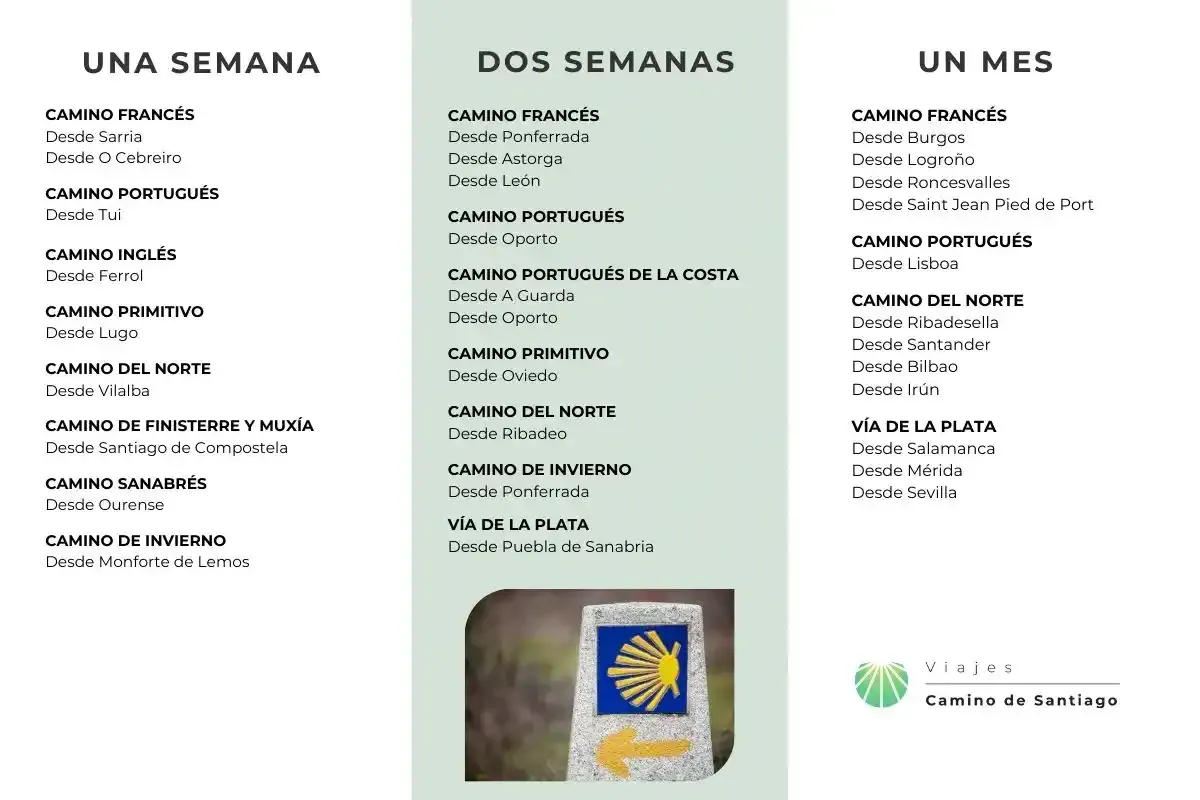
Routes of the Camino de Santiago by duration
The French Way
It is the most well-known and traveled route, with over 700 kilometers crossing the north of Spain, from Roncesvalles to Santiago de Compostela. The French Way, with about 33 stages, is a perfect route for those seeking a complete experience, with diverse stages, impressive landscapes, and a rich history.
The Portuguese Way
This way begins in Lisbon and crosses the north of Portugal until reaching Santiago. The Portuguese Way, with its more than 600 km and 26 stages, is one of the gentler routes in terms of physical difficulty and is ideal for those who desire a more tranquil experience with a mix of Portuguese and Spanish culture.
The Coastal Portuguese Way
The Coastal Portuguese Way is an official coastal variant of the Portuguese Way that begins in Porto and follows the line of the Atlantic coast, passing through beautiful fishing villages and beaches of the region. With its more than 250 km and 12 stages, this route is ideal for those who enjoy maritime landscapes and want a more relaxed experience, but with the same cultural and spiritual background that the Portuguese Way offers.
The English Way
The English Way begins in the city of A Coruña, which is about 76 km away, or from Ferrol, which at about 114 km in 5 stages is the preferred option for most pilgrims. It is a short route in its total length, providing the opportunity to complete the route in just a few days. Additionally, it offers a less crowded path, ideal for those seeking a more tranquil experience.
The Northern Way
This route follows the northern coast of Spain from Irún, with spectacular views of the Cantabrian Sea over more than 800 km in 34 stages. The Northern Way is a more demanding route due to its mountainous terrain, but it offers impressive natural landscapes both inland and along the coast.
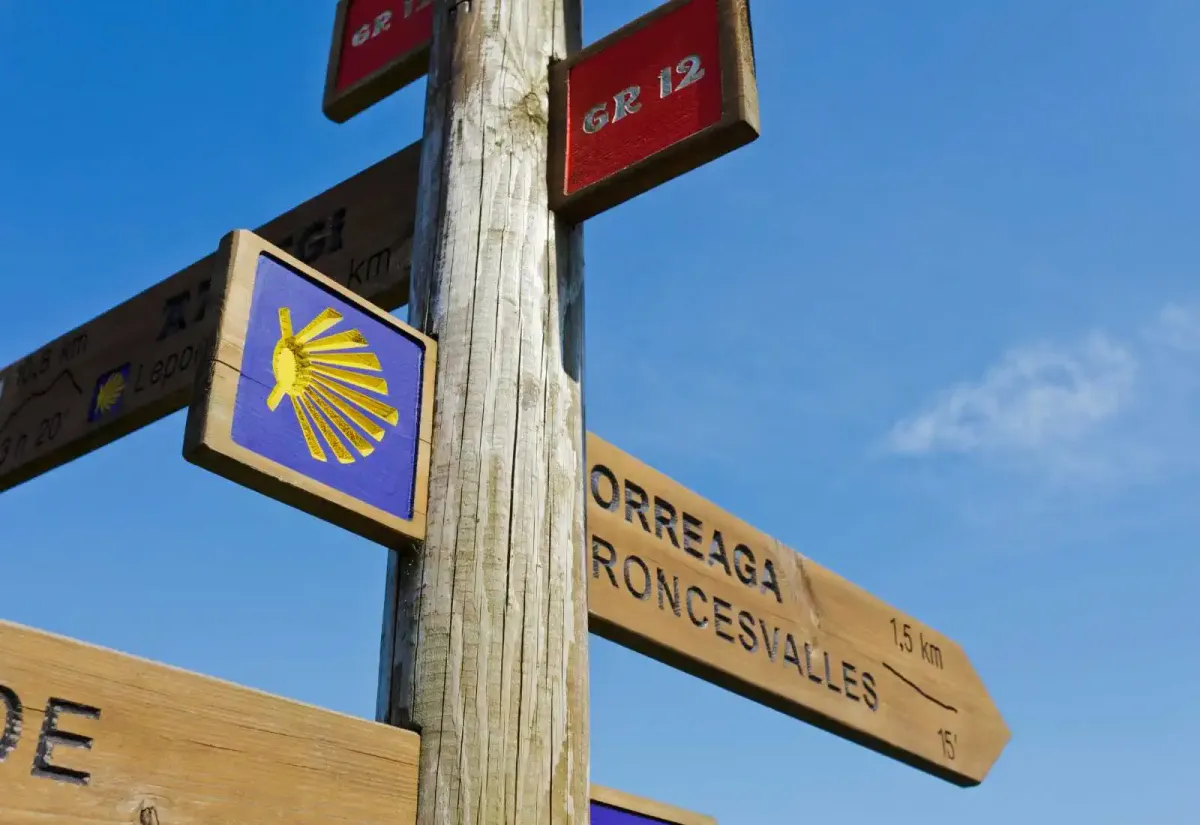
The French Way from Roncesvalles is a very popular route among pilgrims
The Primitivo Way
It is the original route of the Camino de Santiago, starting in Oviedo and traversing mountainous areas and bucolic fields over its 320 km in 14 stages. The Primitivo Way is ideal for those seeking a more solitary experience in contact with nature. Furthermore, it is one of the most demanding routes.
The Finisterre and Muxía Way
The Finisterre and Muxía Way is considered the “Epilogue” of the Camino, as it takes place after arriving in Santiago de Compostela, from where it begins. This route leads to Finisterre and Muxía over 120 km in 5 stages, the “end of the world” on the Atlantic coast or Costa da Morte, where it is believed that pilgrims complete their spiritual journey. It is a shorter route, but very symbolic, with stunning landscapes and the opportunity to reflect after the experience of the Camino.
The Silver Way
The Silver Way is the longest route of the Camino de Santiago, starting in Seville and crossing the west of Spain over approximately 1000 km and around 36 stages. This path, which follows ancient Roman roads, is ideal for those seeking a long and challenging adventure. The route is quite varied in terms of landscapes, from plains to mountains, and passes through several regions of great beauty and cultural richness. Its particularity is that it can continue along the French Way from Astorga, or along the Sanabrés Way from the province of Zamora; depending on where you wish to continue to Santiago de Compostela, the total distance and duration of the journey may vary significantly.
The Sanabrés Way
The Sanabrés Way is one of the routes that connects the Silver Way with the French Way. It begins in the province of Zamora and ventures into the northwest of Spain, passing through beautiful natural landscapes and small villages. With its 16 stages and over 360 km, it is a somewhat less traveled route, making it ideal for those seeking a more tranquil experience in contact with nature.
The Winter Way
The Winter Way is an alternative route to the French Way, which passes through the Galician mountains, avoiding the passage through O Cebreiro and the most difficult sections. This route, which begins in Ponferrada, is less known, but with its 10 stages and 200 km, it offers a unique experience by traversing rural villages and mountainous landscapes, ideal for those seeking a quieter and less crowded journey.
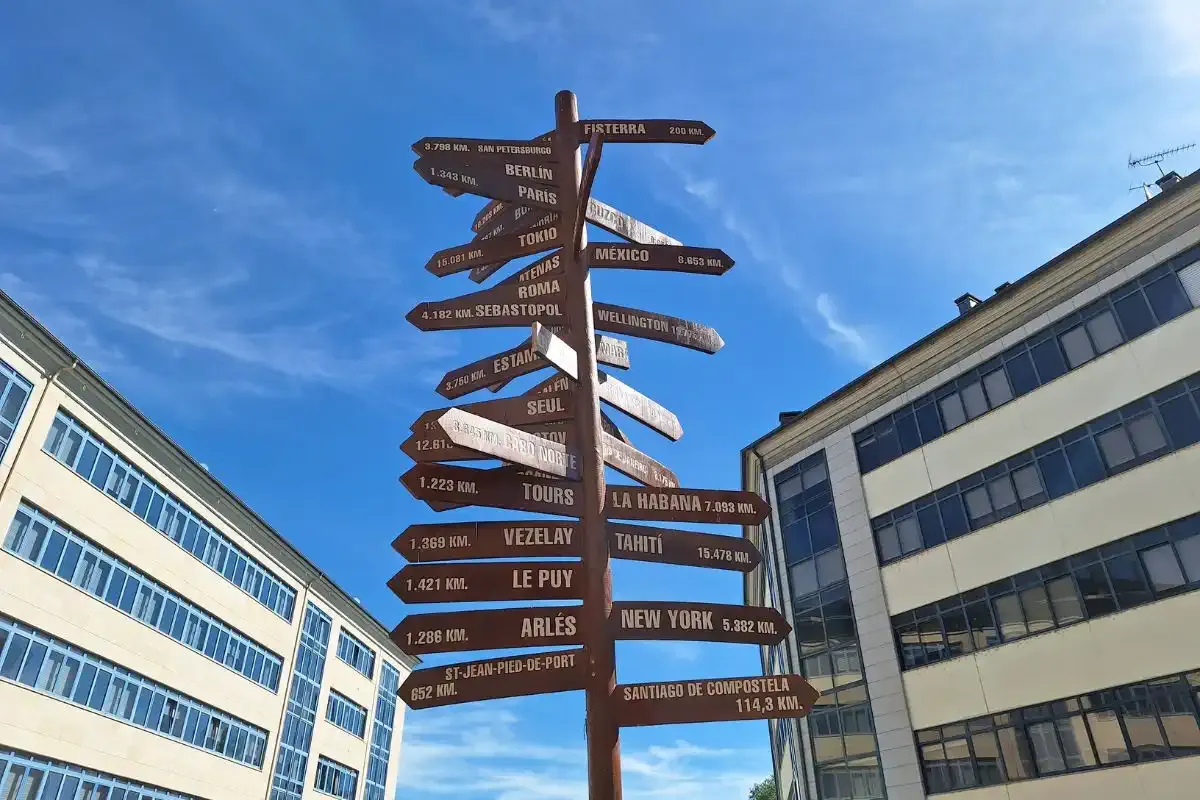
It is said that “there are as many ways as there are origins of pilgrims”
How to undertake the Camino de Santiago
If you decide to embark on this adventure, good planning is essential, and knowing how to do the Camino will ensure you enjoy the experience to the fullest.
Prior planning
The first step is to decide when you want to do the Camino. Among all the times to do the Camino de Santiago, summer is the most popular season, but also the most crowded. Spring and autumn are quieter, and the temperatures are more pleasant.
The number of days to complete the Camino depends on the route and stages you choose. For example, the French Way or the Portuguese Way can take between 30 and 40 days if you walk them in full. However, many pilgrims choose to do only a part of the journey, such as the last 100 km of an official route. In fact, the most popular would be the French Way from Sarria or the Portuguese Way from Tui.
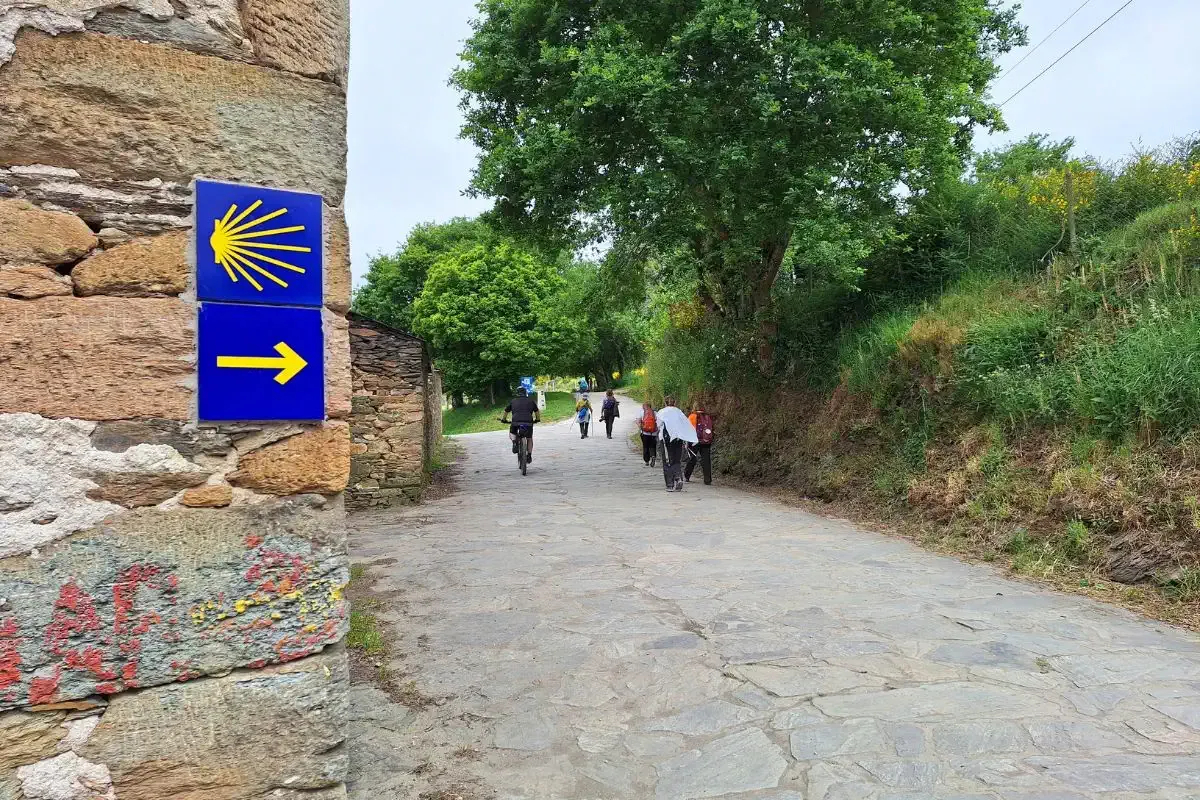
Choose your Camino and follow it
Physical, mental preparation, and equipment
It is important to prepare both physically and mentally. The Camino involves walking long distances each day, so it is advisable to train in advance. Go out for walks and hiking before your trip, and carry a backpack with the approximate weight you plan to carry on the way.
Regarding the necessary equipment, you will need comfortable clothing, suitable footwear (boots or trekking shoes), and a lightweight backpack with the essentials (clothing, sleeping bag, sun protection, etc.).
How to get there
How to reach the starting point depends on the chosen route and starting point: Sarria on the French Way, Tui on the Portuguese Way, etc. These, as well as other routes of the Camino de Santiago, have good public transport connections. Here we provide you with these and other very popular starting points of the Camino:
- How to get to Sarria.
- How to get to Tui.
- How to get to O Cebreiro.
- How to get to Roncesvalles.
- How to get to Ferrol.
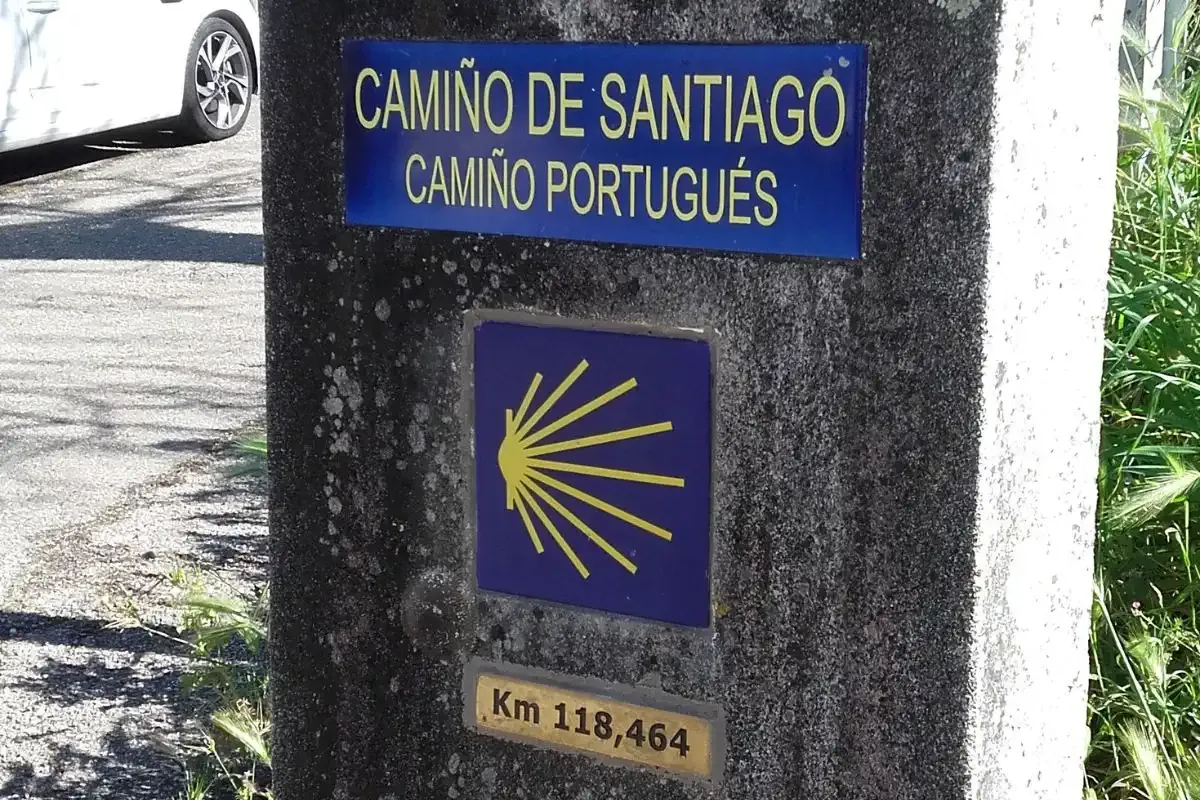
Don't forget to photograph your starting point of the Camino, like this signage in Tui
Ways to do the Camino
The Camino de Santiago can be undertaken in various ways, adapting to the preferences and needs of each pilgrim. Whether seeking an introspective experience, enjoying the company of loved ones, or sharing the experience with a group, there are multiple ways to live this unique adventure. If you are unsure how to do the Camino de Santiago, below we present some of the main ways to do the Camino, so you can choose the one that best fits your style and what you seek in your pilgrimage.
- Doing the Camino alone: Walking the Camino solo is one of the most profound and transformative experiences. It allows you to enjoy solitude, reflect on your life, and connect with yourself while traversing beautiful landscapes. Although it can be challenging, the freedom to walk at your own pace and the opportunity to meet new pilgrims along the way make this option very special.
- Doing the Camino with friends: Doing the Camino with friends is an excellent way to share this unique experience. Together you can support each other, enjoy moments of conversation, and live adventures that will further strengthen your relationship. It is a perfect way to combine fun, exercise, and spirituality in a journey that becomes a shared memory for a lifetime.
- Doing the Camino with family: The Camino de Santiago with family is an ideal option for those who wish to share this experience with their loved ones. Whether with children or adults, walking together allows you to strengthen family bonds and enjoy the nature, history, and culture of the Camino. Additionally, it is an excellent way to teach the little ones the values of perseverance and coexistence.
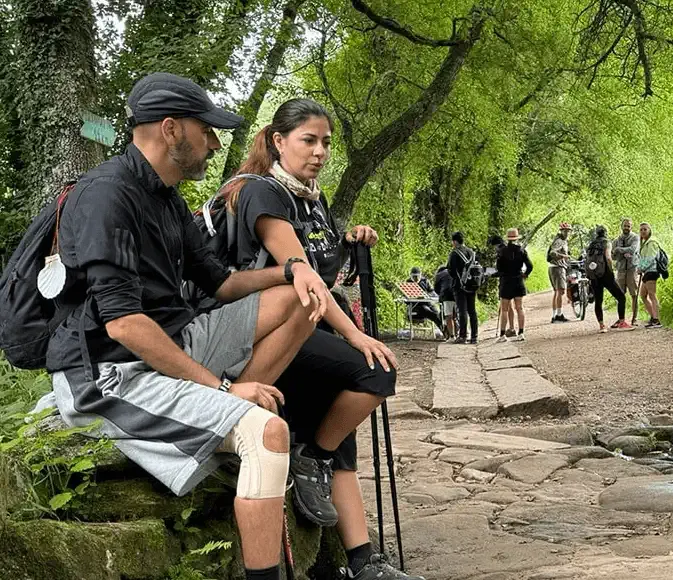
How do you want to do the Camino? Alone or in company?
- Doing the Camino in an organized group: If you prefer not to worry about logistics, doing the Camino in an organized group can be the perfect option. This modality is ideal for those who prefer to walk in a group and have everything organized in advance, enjoying the company and the community atmosphere.
- Doing the Camino by bicycle: For lovers of two wheels, doing the Camino by bicycle is a different and exciting way to traverse it. The Camino by bike allows you to cover greater distances in less time, giving you the opportunity to explore more of the landscape and enjoy the freedom of pedaling through stunning routes. However, it is an option that requires a good physical level due to the elevation changes and distances.
- Doing the Camino with a dog: More and more pilgrims are choosing to undertake the Camino accompanied by their pets, especially dogs. This option is perfect for those who consider their dog part of the family and wish to share the experience with them. If you decide to do the Camino with your dog, it is important to choose routes that are suitable for them and ensure that your furry companion is well-trained for long walks. Additionally, there are shelters and services that accept dogs, making travel planning easier.
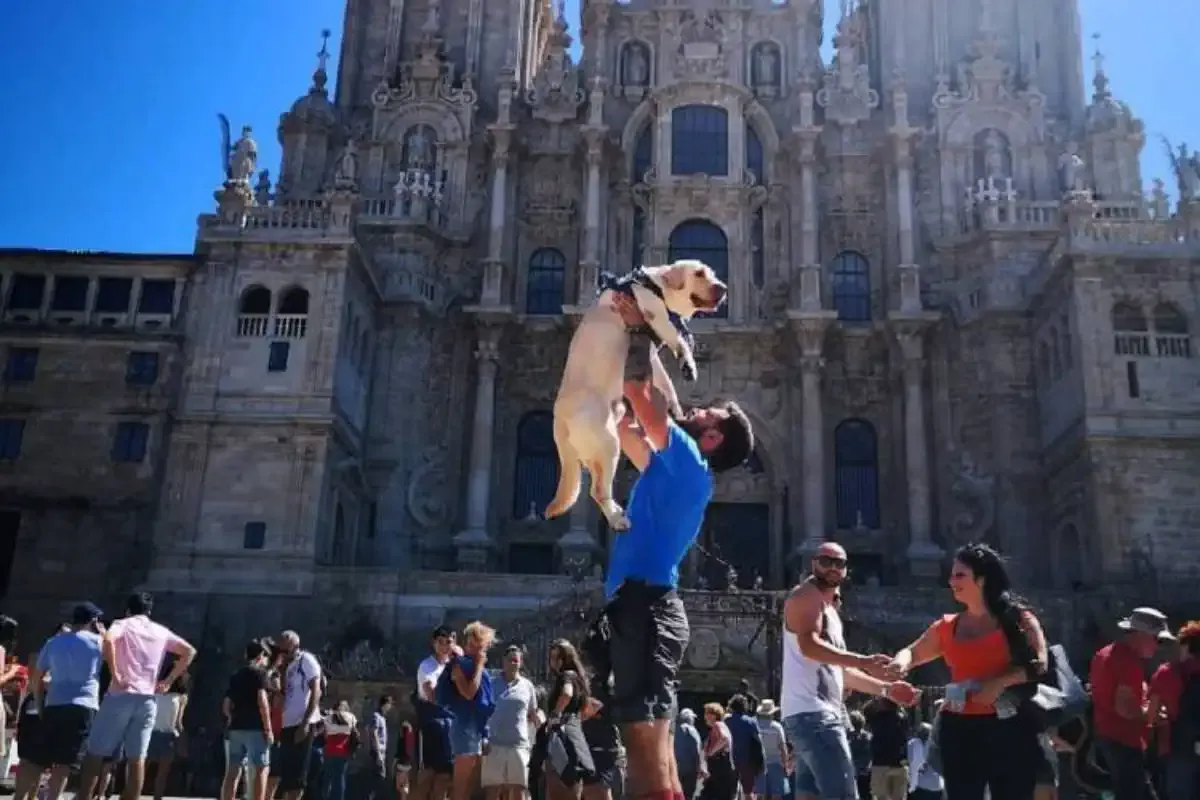
However you do it, the Camino will be the journey of your life
The Pilgrim Passport and the Compostela
The Pilgrim Passport is an essential document for anyone undertaking the Camino de Santiago and identifies you as a pilgrim. It can be obtained at churches, tourist offices, and many other places, and in our trips, we always include it so you don’t have to worry about getting your Pilgrim Passport.
As you progress, you must stamp your Pilgrim Passport in the various towns you pass through, whether at churches, tourist offices, accommodations, bars, etc. Remember! You must stamp it at least twice a day and write the date. Thus, upon arriving in Santiago, if you have completed at least 100 km on foot or 200 km by bicycle, you can request the Compostela, a certificate that acknowledges your effort and recognizes you as a pilgrim.
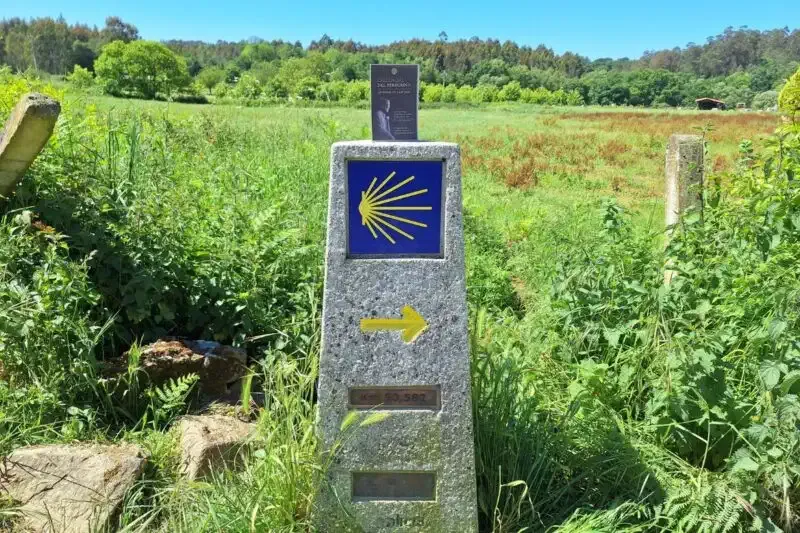
Don’t forget your Pilgrim Passport if you are going to do the Camino de Santiago
Signage on the Camino de Santiago
The Way is perfectly marked with yellow arrows and shells, symbols of the Camino de Santiago that indicate the path to follow. The signage is clear and abundant, making it very difficult to get lost. There are also milestones, markers, signposts, traffic signs, and information panels at the main points along the route. Additionally, if you believe it is necessary, you can always rely on GPS tracks or applications for the Camino de Santiago.
Services and gastronomy on the Camino de Santiago
Along the Way, you will find a wide variety of services that make life easier for pilgrims: accommodations, restaurants, grocery stores, pharmacies, etc. Good nutrition during the Camino is an important part of the experience: you should carry something in your backpack to snack on during the stage and eat well at the end to regain strength.
In each region, you can try local dishes that reflect the local culture, and indeed, the gastronomy on the Camino is extensive and appetizing. There are even options for all tastes and needs, such as vegetarian or gluten-free menus.
The arrival at the Cathedral of Santiago is indescribable
If you are looking for a transformative experience, the Camino de Santiago is the perfect adventure for you. No matter the reason you decide to undertake it, each step on the Way is an opportunity to discover yourself, connect with others, and live a unique experience.
We would love to accompany you on your pilgrimage! If you wish to plan your next Camino de Santiago, calculate its price here, no obligation. We will be here to assist you with everything you need, so that your Camino is an unforgettable experience.
Comments (8)
jaume
CaminoSantiago
José Manuel
Viajes Camino de Santiago
teresa
Sonia Torres
CaminoSantiago
Margarita
Gustavo Rangel
CaminoSantiago
Amanda
CaminoSantiago
Carlos Perez
CaminoSantiago
Leave a comment