


Atapuerca on the Camino de Santiago: what to see and why visit it
31 March, 2026
Atapuerca, near the French Way and Burgos, is a key site for understanding human evolution. Visiting it adds depth to the Camino, inviting reflection on our origins and the meaning of the journey beyond merely advancing stages.

There are places on the Camino de Santiago that are understood with your feet. And there are others that are better understood with imagination. The caves of Atapuerca belong to the latter. The pilgrim walks through the province of Burgos thinking about the next stage, the yellow arrow, the mid-morning coffee, or arriving in the city, but very close to the French Way there is a place that forces you to look much further back. Much, much further back. Before churches, pilgrim hospitals, and monasteries, even before written history, there were already human beings walking through this same territory in Atapuerca.
It is a powerful idea. You set out on the Camino seeking landscape, silence, heritage, or a personal experience, and suddenly you discover that very close to your route lies one of the most important places in the world for understanding the origin and evolution of human beings in Europe. Atapuerca is not just a cultural excursion from Burgos or an interesting visit to complement the journey: it is a way to add depth to the Camino. Because sometimes the journey is not just about moving forward, but about understanding the ground you are walking on.
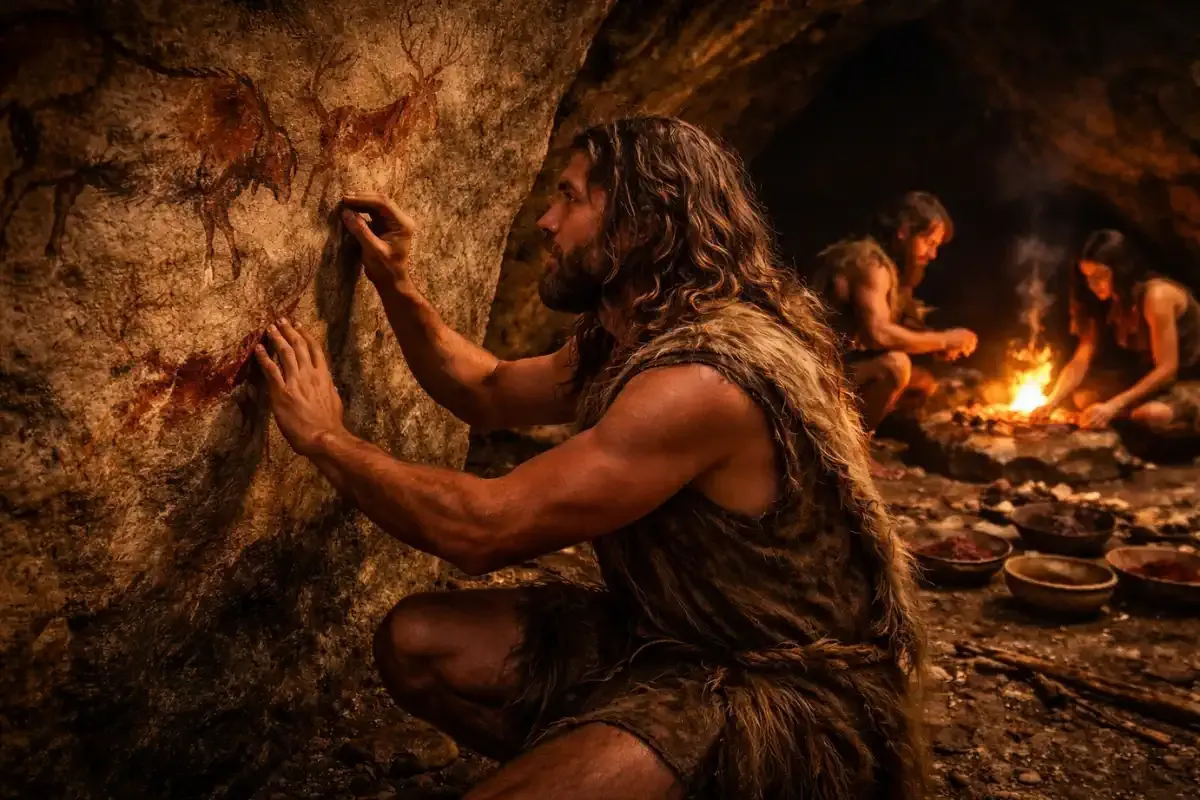
The reason is simple: we are not talking about an isolated monument or a curious museum, but about an exceptional place. Atapuerca is part of the Camino’s territory and, at the same time, goes beyond it. Those who visit it not only add a cultural stop to their route, but also gain a completely different perspective. Because this is not about admiring a beautiful façade or entering a Romanesque church: it is about looking into a very remote past, a timescale that puts the pilgrim in perspective and reminds them that the human journey began long before the Jacobean one.
For those traveling with time, Atapuerca fits especially well as a visit during a stop in Burgos. For those with tighter schedules, it can also be a carefully planned excursion. The important thing is to understand that it is not just about “seeing some caves,” but about visiting a key place to understand where we come from.
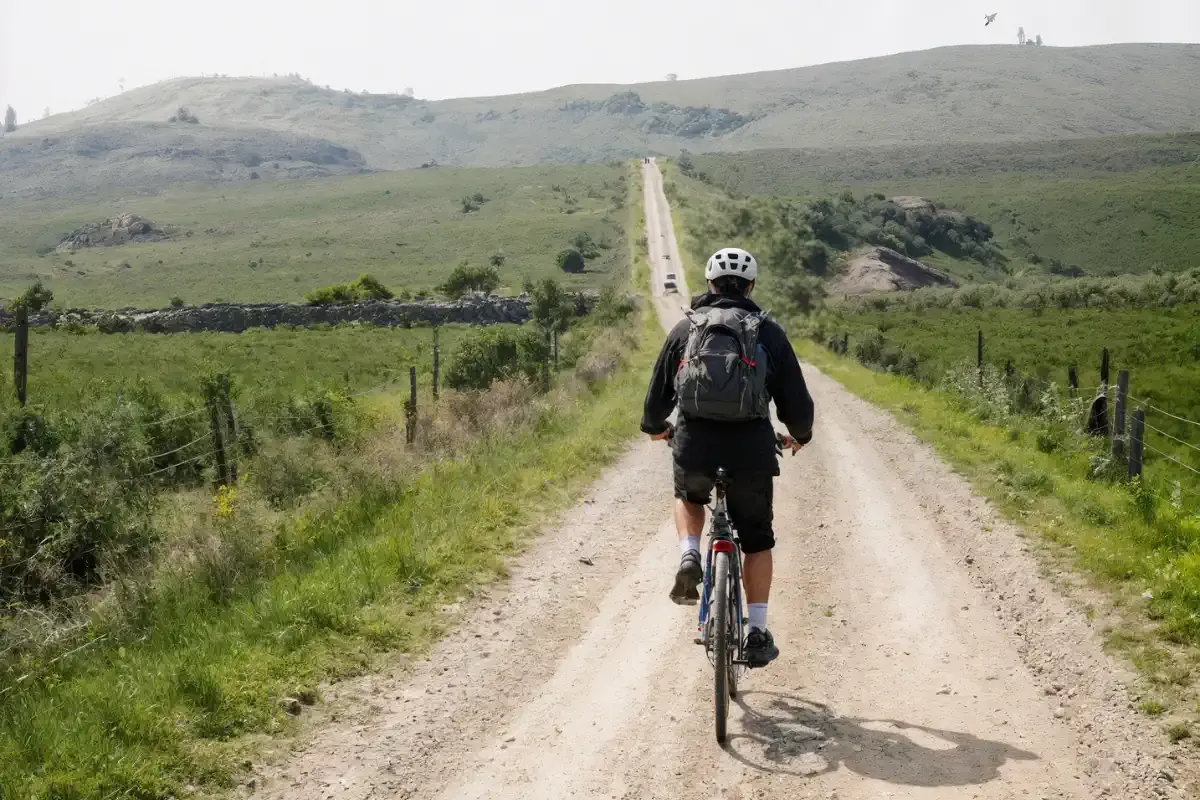
Atapuerca is not a visit for every pilgrim. Those who are in a hurry, feeling accumulated fatigue, or focused only on reaching Santiago may prefer to keep walking. But those who are curious about the human landscape, the deep history of the Peninsula, or everything that adds depth to the journey will find here a stop that is very hard to forget.
What is astonishing about Atapuerca is not just its age, but its continuity. Here, human remains, fossils, tools, and traces of occupation have been found that allow us to reconstruct a very long history of human presence. It is not an isolated discovery or a cave famous for a single piece: it is an entire system of sites that has changed our understanding of human evolution in Europe. And that is probably the best reason to include Atapuerca in a Camino blog: because it speaks of travel, movement, adaptation, survival, human communities, and territory.
These discoveries have helped us better understand how and when the first humans arrived in Europe. Alongside other points such as the Sima del Elefante, Atapuerca has become a fundamental site for explaining human evolution in a clear and accessible way.
That is why Atapuerca fits so well into the Camino de Santiago. Because it also speaks of people on the move. Of adaptation, of search, of survival. In the end, the pilgrim does not only move forward toward Santiago. Sometimes, they also look back. And better understand where they come from.
It is a powerful idea. You set out on the Camino seeking landscape, silence, heritage, or a personal experience, and suddenly you discover that very close to your route lies one of the most important places in the world for understanding the origin and evolution of human beings in Europe. Atapuerca is not just a cultural excursion from Burgos or an interesting visit to complement the journey: it is a way to add depth to the Camino. Because sometimes the journey is not just about moving forward, but about understanding the ground you are walking on.
The caves of Atapuerca hold some of the most important clues to understanding human evolution in Europe
Atapuerca on the Camino de Santiago: where it is and why it is worth it
If you are walking the French Way, Atapuerca is very close to Burgos. The sites in the Atapuerca mountain range are located about 15 kilometers east of the city, in an area perfectly manageable for those who want to dedicate a few hours, or even half a day, to a different kind of visit during their pilgrimage. It is not on the strict route of the Camino, but it is close enough for many pilgrims to consider the detour. And the truth is that few detours offer so much in return.The reason is simple: we are not talking about an isolated monument or a curious museum, but about an exceptional place. Atapuerca is part of the Camino’s territory and, at the same time, goes beyond it. Those who visit it not only add a cultural stop to their route, but also gain a completely different perspective. Because this is not about admiring a beautiful façade or entering a Romanesque church: it is about looking into a very remote past, a timescale that puts the pilgrim in perspective and reminds them that the human journey began long before the Jacobean one.
A few kilometers from the French Way
Burgos is, in itself, one of the great cities of the Camino de Santiago. Its cathedral, its streets, its historical importance, and its pilgrim atmosphere justify the stop. But in its surroundings lies this prehistoric treasure which, well integrated into the itinerary, can turn a stage or a rest day into something much more memorable.For those traveling with time, Atapuerca fits especially well as a visit during a stop in Burgos. For those with tighter schedules, it can also be a carefully planned excursion. The important thing is to understand that it is not just about “seeing some caves,” but about visiting a key place to understand where we come from.
However you choose to do the Camino de Santiago, you should not miss stopping at Atapuerca
Is it worth the detour as a pilgrim?
Yes, if you are interested in more than just completing stages. Yes, if you enjoy history, heritage, and those places that make you think. And yes, especially if you like the idea that the Camino is not just a line to follow, but a territory to interpret.Atapuerca is not a visit for every pilgrim. Those who are in a hurry, feeling accumulated fatigue, or focused only on reaching Santiago may prefer to keep walking. But those who are curious about the human landscape, the deep history of the Peninsula, or everything that adds depth to the journey will find here a stop that is very hard to forget.
What Atapuerca is and why it is one of the most important places in the world
The caves of the Atapuerca mountain range form one of the most important archaeological and paleontological complexes on the planet. This is no exaggeration: it has been recognized as a World Heritage Site for its exceptional value in understanding the presence and evolution of the first human beings in Europe.What is astonishing about Atapuerca is not just its age, but its continuity. Here, human remains, fossils, tools, and traces of occupation have been found that allow us to reconstruct a very long history of human presence. It is not an isolated discovery or a cave famous for a single piece: it is an entire system of sites that has changed our understanding of human evolution in Europe. And that is probably the best reason to include Atapuerca in a Camino blog: because it speaks of travel, movement, adaptation, survival, human communities, and territory.
A key place to understand our origins
Atapuerca has transformed what we know about the first Europeans thanks to discoveries such as human remains over 900,000 years old in Gran Dolina and the impressive Sima de los Huesos, one of the most important sites in the world.These discoveries have helped us better understand how and when the first humans arrived in Europe. Alongside other points such as the Sima del Elefante, Atapuerca has become a fundamental site for explaining human evolution in a clear and accessible way.
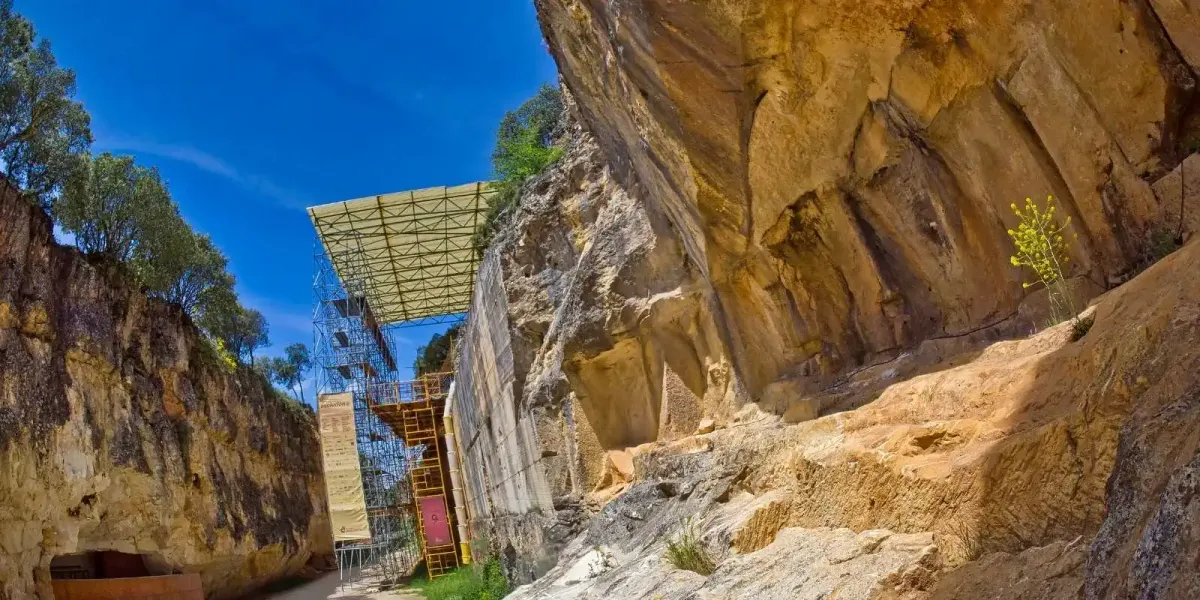
Atapuerca Archaeological Site
What to see in Atapuerca if you are doing the Camino
If you decide to visit Atapuerca, you can do more than just explore the sites. The experience is completed with other spaces that help you understand what you are seeing. The visit to the sites is guided and starts from nearby visitor reception centers. In addition, the whole complex is complemented by the Museum of Human Evolution in Burgos.The archaeological sites
The visit to the sites is the heart of the experience. It is not a free excursion, but a guided one, which allows you to better understand the environment and its importance. You are not simply looking at a mountain range or some caves. You are looking at a fundamental part of human history.The Museum of Human Evolution in Burgos
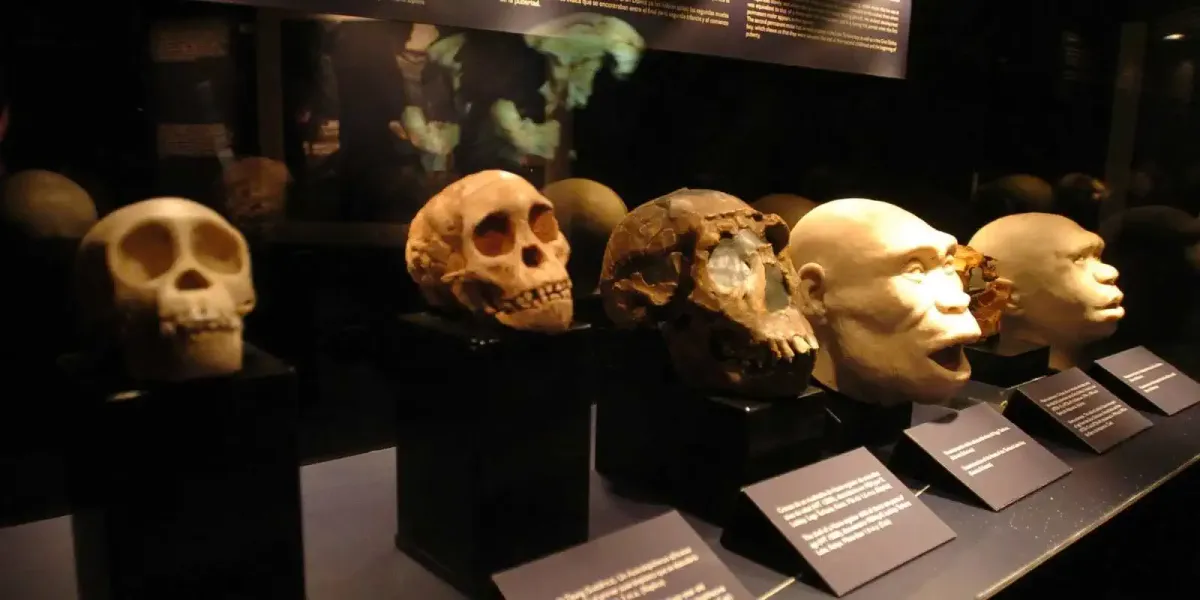
The museum is the perfect complement. It allows you to clearly understand everything that has been discovered in Atapuerca and why it is so important. For many pilgrims, the ideal combination is to visit the museum in Burgos and, if time allows, then head to the sites.Representation of human evolution based on the findings of Atapuerca, one of the most important archaeological sites in Europe
Practical tips for visiting Atapuerca as a pilgrim
If you are thinking of including Atapuerca in your journey, it is worth planning it a bit. Visiting the sites requires prior reservation and has specific schedules. My recommendation is simple: if you know you will stop in Burgos and you are interested, organize it in advance. Do not leave it as something improvised. And there is something important: visiting Atapuerca does not compete with the Camino, it complements it.Walking the Camino and through human history
Perhaps that is the most interesting thing about Atapuerca for a pilgrim: it changes the scale of the journey. You arrive on the Camino thinking in centuries. Atapuerca forces you to think in thousands of years. To think that while today we follow a marked route, there were human beings walking through this same territory without maps, without defined paths, and without a clear destination. And yet, somehow, we are still part of the same story.That is why Atapuerca fits so well into the Camino de Santiago. Because it also speaks of people on the move. Of adaptation, of search, of survival. In the end, the pilgrim does not only move forward toward Santiago. Sometimes, they also look back. And better understand where they come from.