


How many kilometers is each Camino?
04 February, 2026
The guide on how many kilometers the Camino de Santiago has explains the distances of the main Jacobean routes, how they are measured, what minimum distance is required to obtain the Compostela, and provides guidance on choosing stages according to your time and physical condition when planning your pilgrimage.

"All roads lead to Rome." This ancient proverb, well known to all, is perfectly applicable today with Santiago de Compostela. Following the discovery of the Apostle's tomb, the Way has been traveled for hundreds of years by pilgrims from all over the world through its kilometers of length. Since then, old paths of the European continent emerged with the same destination in mind, Santiago. It was from the construction of the cathedral that pilgrimages multiplied and what is now known as the Camino de Santiago was consolidated.
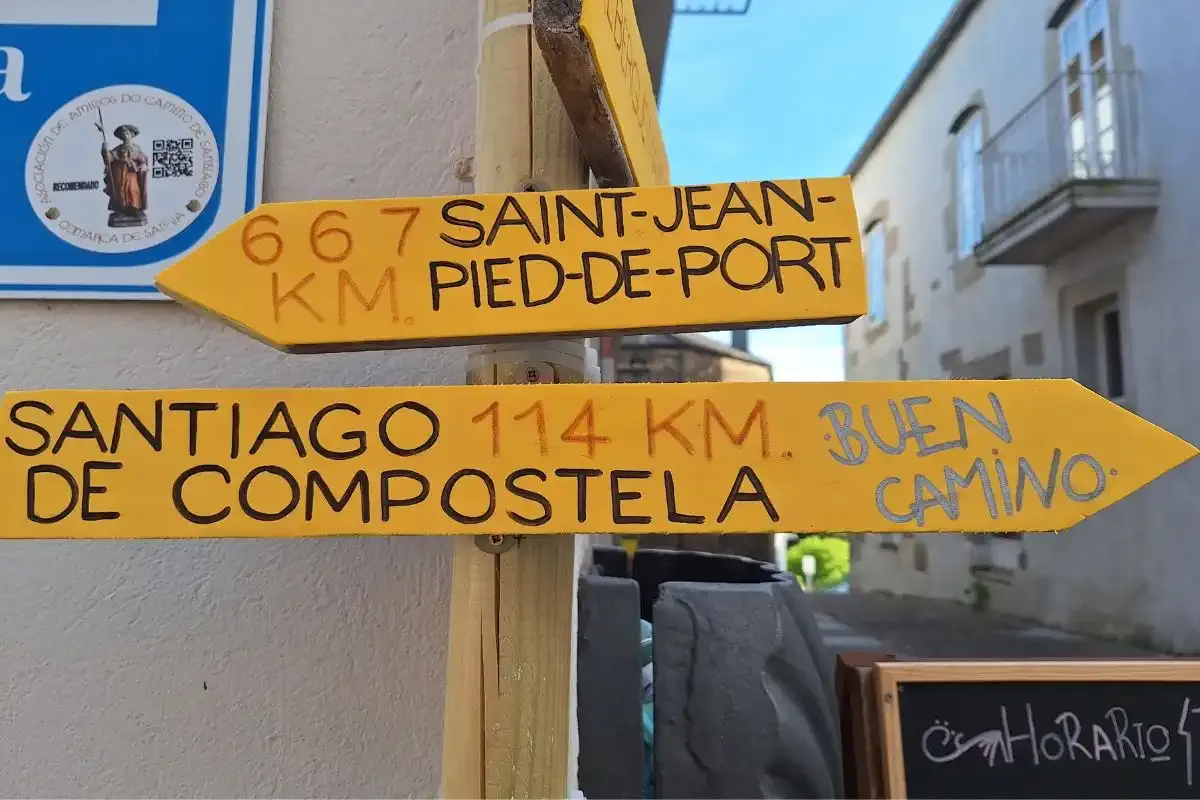
Waymark of the Camino
If you have arrived here seeking information about the kilometers of each route, you have come to the right place. In this article, we will explore the most important routes of the Camino de Santiago, their distances, and fascinating details. Get ready to discover the beauty, spirituality, and history that await you at every step.
More routes than we can count
Here you have a fascinating fact about the Camino de Santiago: Did you know that there are currently more than 64 routes that converge at the cathedral of Santiago de Compostela? It is truly impressive how this network of paths attracts thousands of pilgrims from all over the world each year. Whether for religious, spiritual reasons, or simply in search of a unique experience, the Camino de Santiago offers a variety of routes to satisfy the desires of every pilgrim. Next, we will present the most important routes of the Camino de Santiago and their respective distances. Get ready to explore this incredible network of trails!
The French Way: The Most Popular Route
The French Way is the most traveled and well-known route of the Camino de Santiago. With an approximate length of 780 kilometers, it starts from Saint-Jean-Pied-de-Port, in France, and crosses beautiful landscapes until reaching Santiago de Compostela. This route will immerse you in medieval history and allow you to discover the cultural richness of Spain. Along the way, you will find charming towns such as Pamplona, Logroño, Burgos, and León, where you can experience the authentic hospitality and delicious gastronomy of the region. Interestingly, all of them are very interesting starting points if you do not have enough time to complete the more than 30 stages that this Camino lasts.
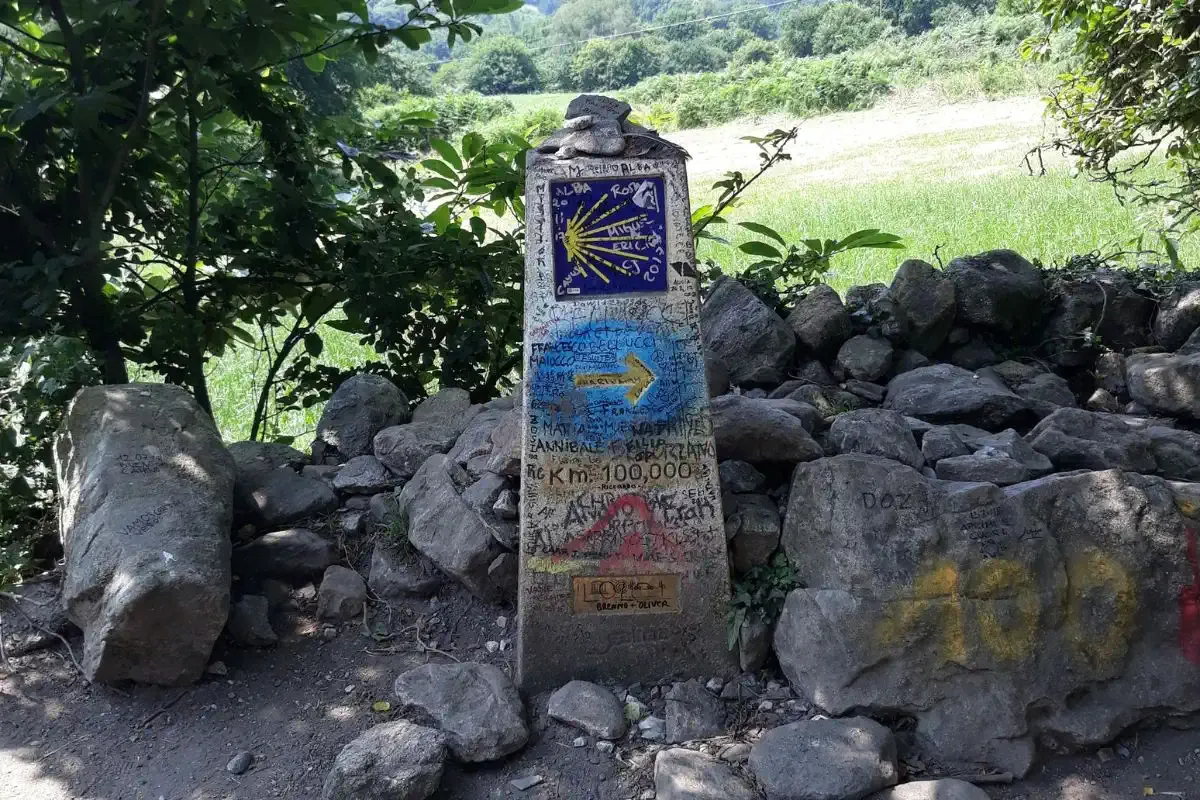
The classic milestone or marker of kilometer 100 of the French Way
The Portuguese Way: A Meeting with Tradition
The Portuguese Way is another prominent route, with an approximate length of 620 kilometers. Starting from the city of Lisbon, in Portugal, it crosses beautiful towns and landscapes until reaching Santiago de Compostela. This route offers you the opportunity to immerse yourself in the rich tradition and Portuguese hospitality, as well as to explore impressive historical monuments along the way.
Within the Portuguese Way, starting from the city of Porto, it divides into two main variants: the Central Variant and the Coastal Variant. Each of these variants offers a unique experience and different views along the route.
The central variant. The most traveled variant in its last kilometers
The Central Variant of the Portuguese Way has an approximate length of 240 kilometers. Following this route, pilgrims will pass through towns such as Barcelos, Ponte de Lima, and Tui, before rejoining the main Portuguese Way in the city of Redondela, with the Portuguese Way from Tui being the preferred starting option for those who immerse themselves in the Portuguese Way.
The Coastal Way. A quieter option
On the other hand, the Coastal Variant, as its name indicates, follows the coastline and has a length of approximately 280 kilometers. This route offers panoramic views of the Atlantic Ocean, as well as the opportunity to visit coastal towns such as Viana do Castelo, Caminha, and Baiona, before rejoining the traditional Portuguese Way in Redondela.

Boots-sign to Santiago de Compostela and Fátima
The Northern Way: A Coastal Journey Full of Beauty
The Northern Way is a spectacular route that runs along the northern coast of Spain. With an approximate length of 825 kilometers, it starts in Irún and winds along cliffs, beaches, and charming fishing villages until reaching Santiago de Compostela. During this journey, you will have the opportunity to enjoy stunning views of the Cantabrian Sea and immerse yourself in the rich culture of Spain's coastal regions. Some highlighted stops on this route include San Sebastián, Bilbao, Santander, Gijón, and Ribadeo. Here, the stages will be long, and the kilometers may be tough, but it is well compensated by the views of the best cliffs in Spain, as well as some of its finest beaches.
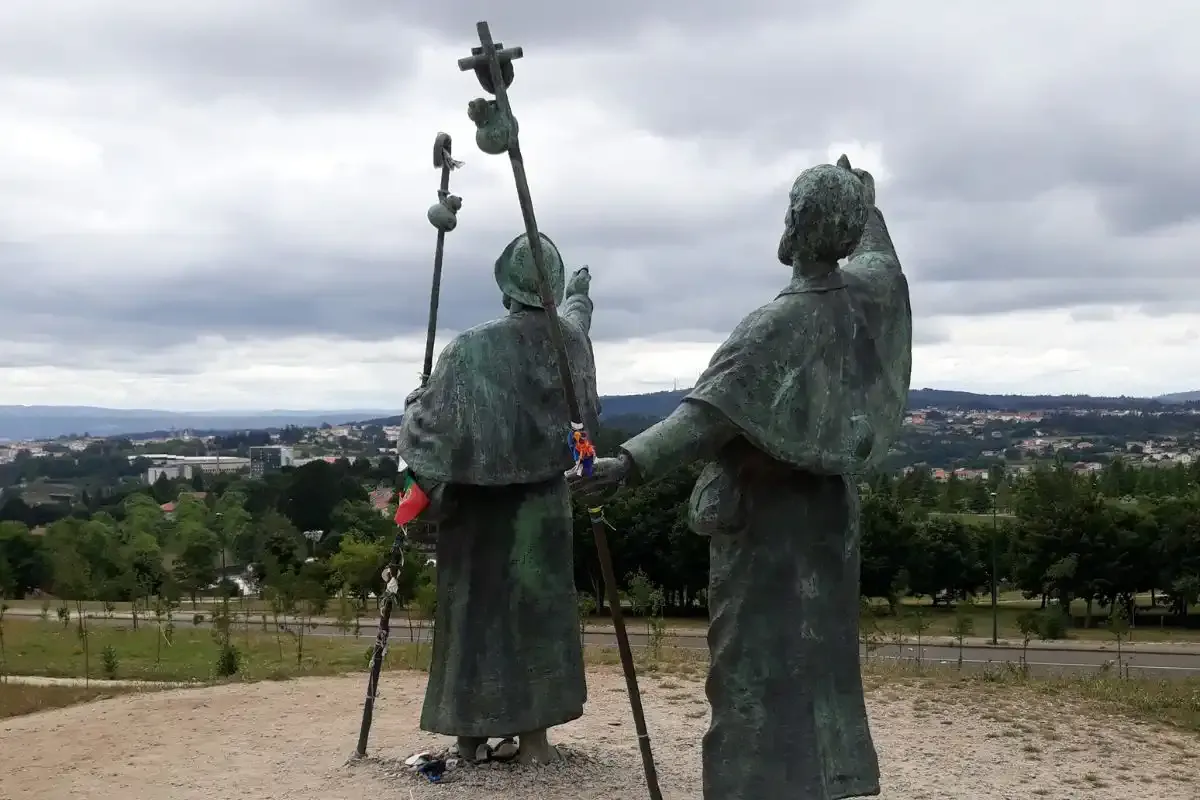
Statue of the pilgrims at Monte do Gozo, upon arriving in Santiago
The Primitive Way: The Original Route of the Pilgrims
The Primitive Way is considered the original path followed by the first pilgrims. With an approximate length of 317 kilometers, this route starts in Oviedo and offers a unique experience through mountainous landscapes and authentic rural villages. Along the way, you can marvel at Asturian pre-Romanesque architecture and enjoy the tranquility of nature. Some highlighted stops on the Primitive Way include Grado, Salas, Tineo, and Lugo.
Within the Camino de Santiago, the Primitive Way stands out as one of the most challenging and demanding. Known for being the original path followed by the first pilgrims, the Primitive Way features a mountainous and demanding terrain that requires good physical condition and hiking experience. This route is especially suitable for experienced pilgrims with a mindset prepared to overcome the challenges presented along the way. This is why here the kilometers count double.
Due to its level of difficulty, the Primitive Way is considered the least crowded of all the main routes of the Camino de Santiago. Only those very experienced pilgrims willing to face the challenges of steep and demanding terrains venture onto this path. However, those who dare to undertake the Primitive Way are rewarded with an authentic and enriching experience, surrounded by stunning landscapes and a sense of achievement upon completing this historic route.
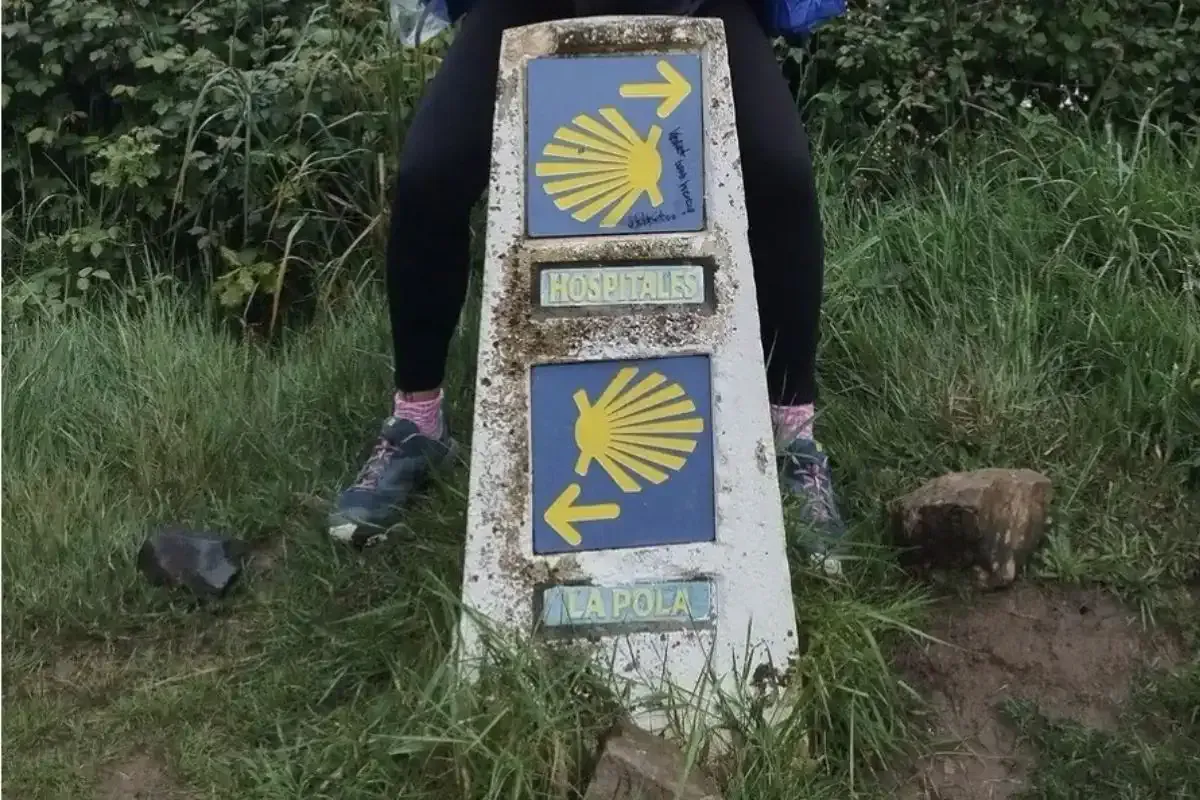
On the Primitive Way, pilgrims must decide where to go… La Pola or Hospitales?
The English Way: Brief but Intense, with a Maritime Origin in Ferrol
The English Way is a short but intense option for pilgrims, originating from the towns of A Coruña or Ferrol. This route dates back to the times when English ships landed on the Galician coast to begin their pilgrimage. With around 114 kilometers ahead, this route will take you through charming Galician villages and picturesque landscapes on your way to Santiago de Compostela. Although it does not feature extensive coastal stretches, the maritime connection at the start of the English Way adds a special charm to this spiritual experience.
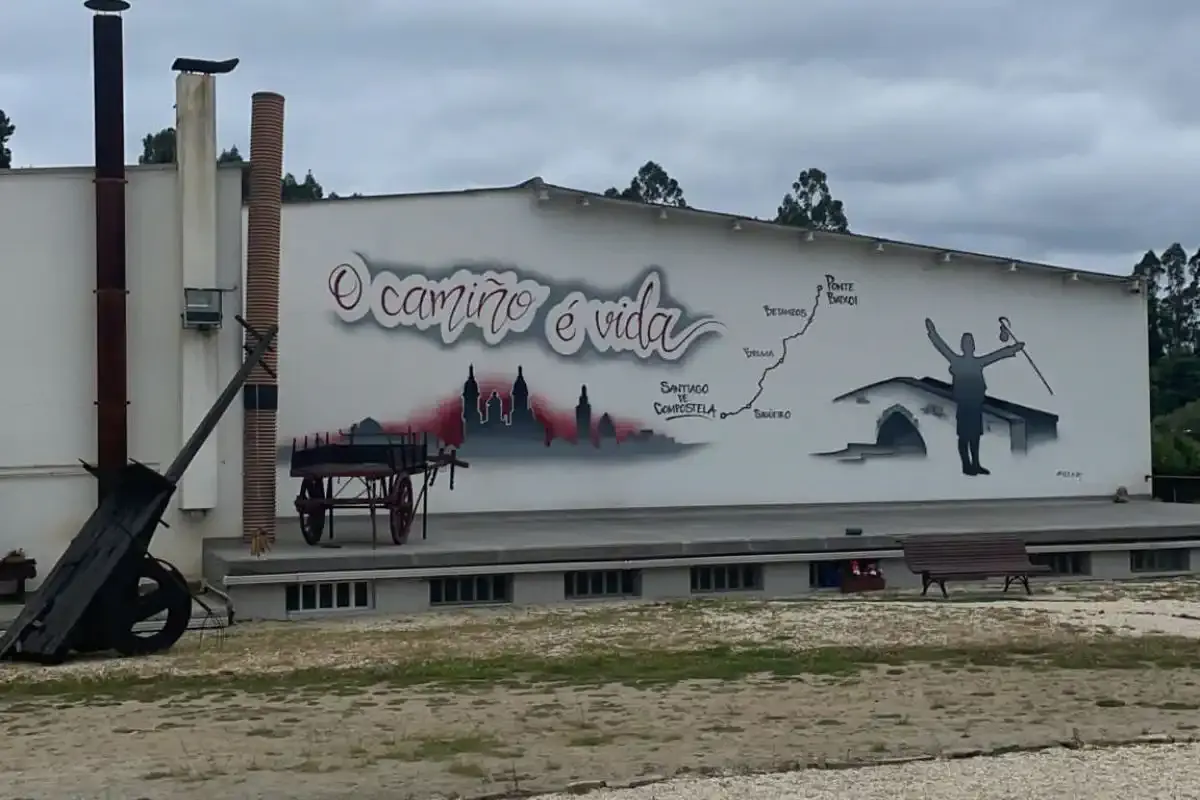
On the English Way from Ferrol, you will discover that the Camino is life
The Silver Way: A Meeting with History
The Silver Way is a historic route that stretches approximately 1,000 kilometers, from the south of Spain to Santiago de Compostela. Starting from Seville, it will traverse the ancient Roman roads, taking you through charming cities, impressive monuments, and beautiful landscapes. As you progress, you will be able to explore highlights such as Mérida, Cáceres, Salamanca, and Zamora, where history comes alive in every corner. Within the Camino de la Vía de la Plata, there are two notable variants: the Mozarabic Way and the Sanabrés Way. Both variants are interesting options for pilgrims who wish to explore different itineraries within the main route.
The Mozarabic Way, the longest route of the Camino
The Mozarabic Way, also known as the Mozarabic Route to Santiago, originates in the city of Granada and joins the Silver Way in the town of Mérida. This path offers a unique experience by combining Andalusian history with the spirituality of the Camino de Santiago. With an approximate length of 1,216 kilometers, it is undoubtedly the longest route of the Camino. The Mozarabic Way is ideal for those pilgrims who wish to immerse themselves in the cultural richness and historical heritage of the southern region of Spain, and for those who have ample time.
An authentic medieval route, on the Sanabrés Way
The Sanabrés Way, on the other hand, is considered a variant of the final stretch of the Silver Way. This route begins in the province of Zamora, specifically in the town of Granja de Moreruela. Over approximately 368 kilometers, pilgrims will have the opportunity to enjoy beautiful landscapes and discover the historical and cultural richness of the regions of Zamora and Ourense.
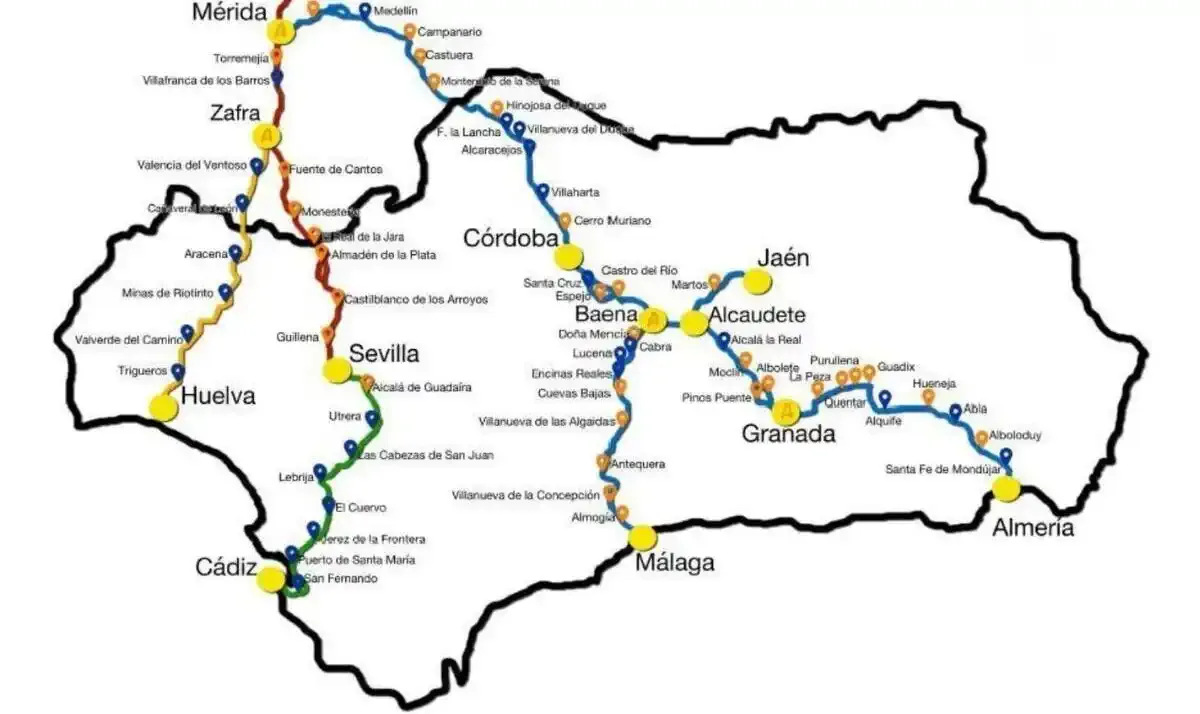
The Silver Way encompasses all the Andalusian paths to reach Santiago
The Epilogue to Finisterre and Muxía: The Camino That Never Ends
Honorary mention is deserved for the Epilogue to Finisterre and Muxía, two destinations that have traditionally been considered an extension of the Camino de Santiago. After arriving in Santiago de Compostela, some pilgrims choose to continue their journey to these coastal towns, adding approximately 90 additional kilometers to their route. Finisterre, known as the "end of the world" in ancient times, and Muxía offer a perfect symbolic closure for an unforgettable experience.
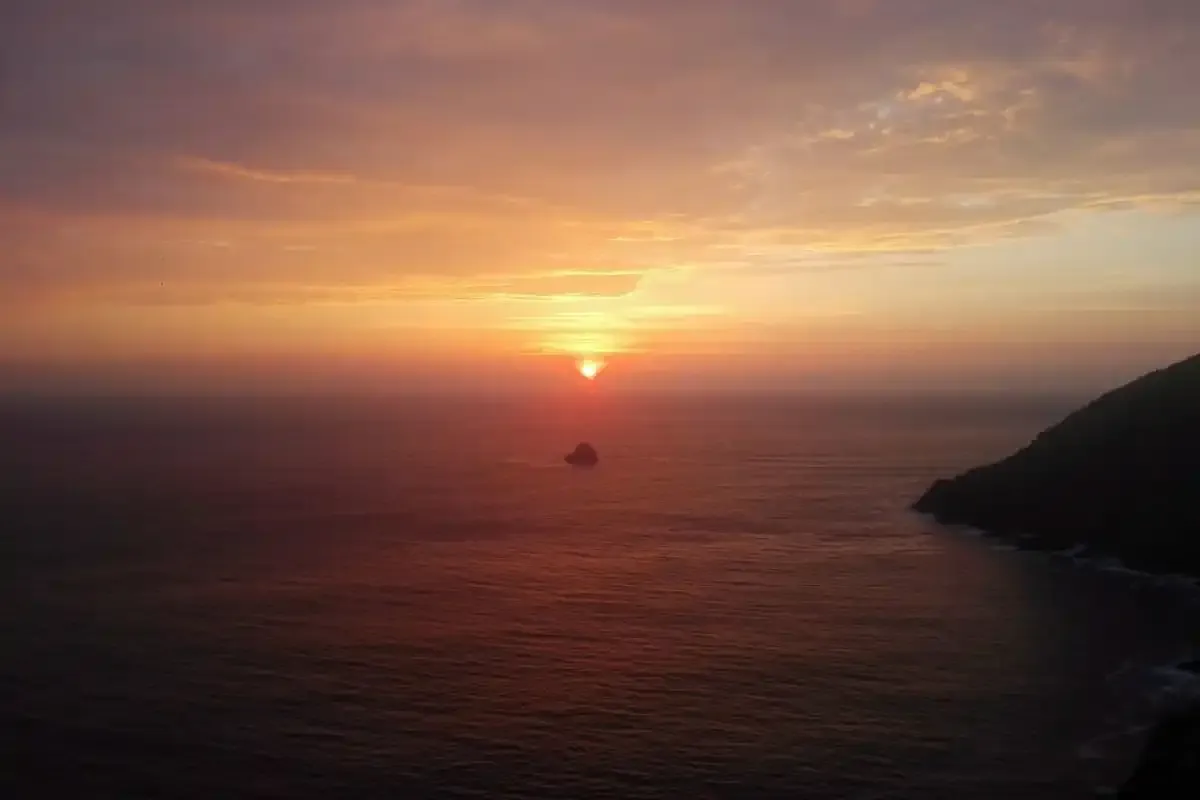
Sunset in Finisterre
The Camino de Santiago is a unique experience that combines history, spirituality, and personal discovery. Through routes such as the French Way, the Portuguese Way, the Northern Way, the Primitive Way, and the Silver Way, you can traverse different distances and immerse yourself in the beauty and culture of Spain. Whether you choose to do the Camino in its entirety or in shorter stages, each kilometer will bring you closer to an enriching and transformative experience.
Comments (3)
Jamileth Vásquez
Cristian Rodriquez
Adriana Cuevas
Viajes Camino de Santiago
Alberto
CaminoSantiago
Leave a comment