


What to see and do in Golegã

Information
Golegã is a small municipality in the Santarém district, on the Portuguese Way, split into the parishes of Golegã and Azinhaga, the latter the birthplace of writer José Saramago. Its must-sees include the 16th-century Manueline-style Iglesia Matriz, the Casa-Estúdio Carlos Relvas, a pioneer of iron architecture, and the Quinta da Cardiga, a former Templar estate with a Manueline façade.
The surroundings of the village are made up of an intense rural and agrarian landscape, dominated by the plots of land and the colours of the different agricultural crops.
The history and origin of Golegã is closely related to the development of the nucleus of reference: Santarém. The exact origin of the settlement is unknown, but due to the richness and fertility of the area, it has probably been exploited and inhabited since ancient times.
What to see in Golegã
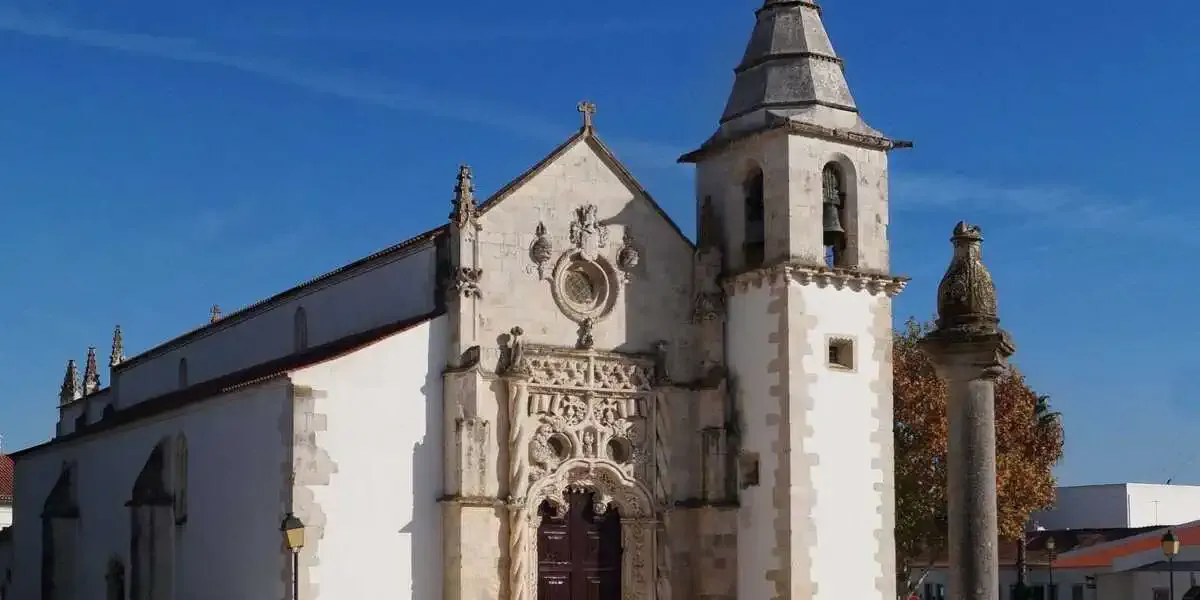
Mother Church
It was built in the first half of the 16th century, in the characteristic Portuguese Manueline style. It was built to replace a previous gothic temple.
Carlos Relvas House-Studio
It is a house built in the 19th century to house a laboratory and photography studio. The building is part of the iron architecture.
Quinta da Cardiga
It is a palatial estate in Golegã that is one of the most important buildings of the country's heritage. The façade is built in Manueline style. The fifth was in the hands of the Order of the Templars during the Middle Ages and later of the Order of Christ. It is currently owned by the state. www.cm-golega.pt
Map of Golegã
Map of Golegã