


What to see and do in Salas

Information
Salas, gateway to the West and Jacobean route of The Primitive Way, is one of the best preserved medieval villages in Asturias and sweetens visitors with its famous "Carajitos del Profesor". It stands out for the Palacio de Valdés Salas, now converted into a hotel, the medieval Tower linked to it by a bridge bearing heraldic coats of arms, and the Colegiata de Santa María la Mayor, which holds the white alabaster mausoleum of Fernando Valdés Salas.
A place where you can still breathe the air of that time that gave birth to characters such as Fernando de Valdés de Salas, inquisitor and founder of the University of Oviedo.
Would you like to walk this part of the Camino with your accommodation booked for every stage? These organised trips pass through Salas: Primitive Way from Oviedo to Lugo, Camino Primitivo from Oviedo to Santiago de Compostela and The Primitive Way from Oviedo by bicycle.
What to see in Salas
Valdés Salas Palace
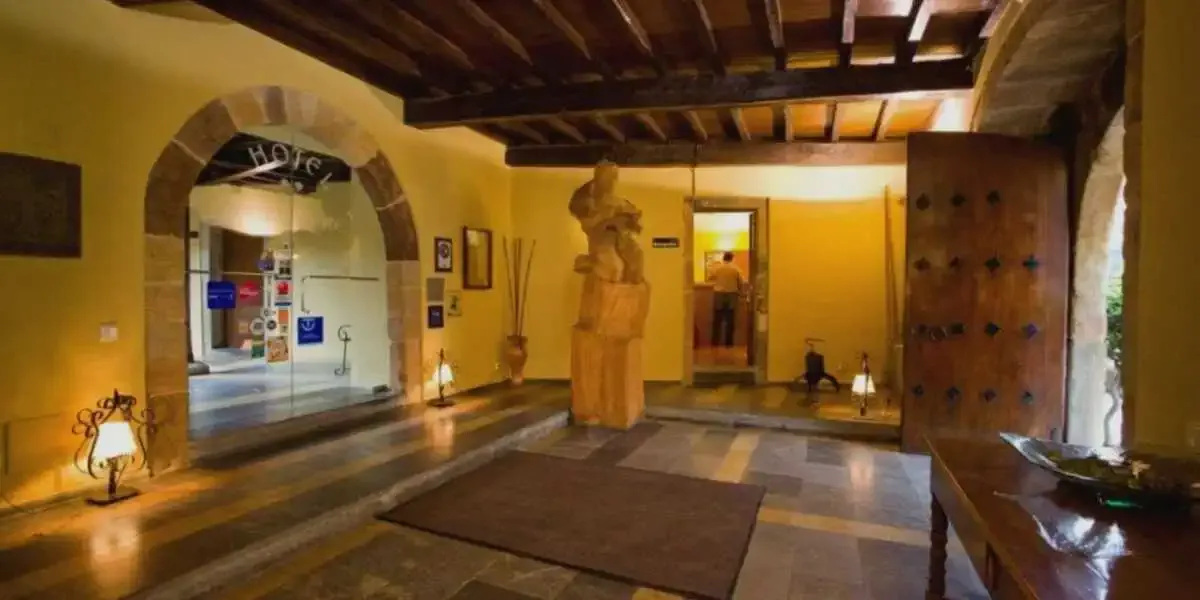
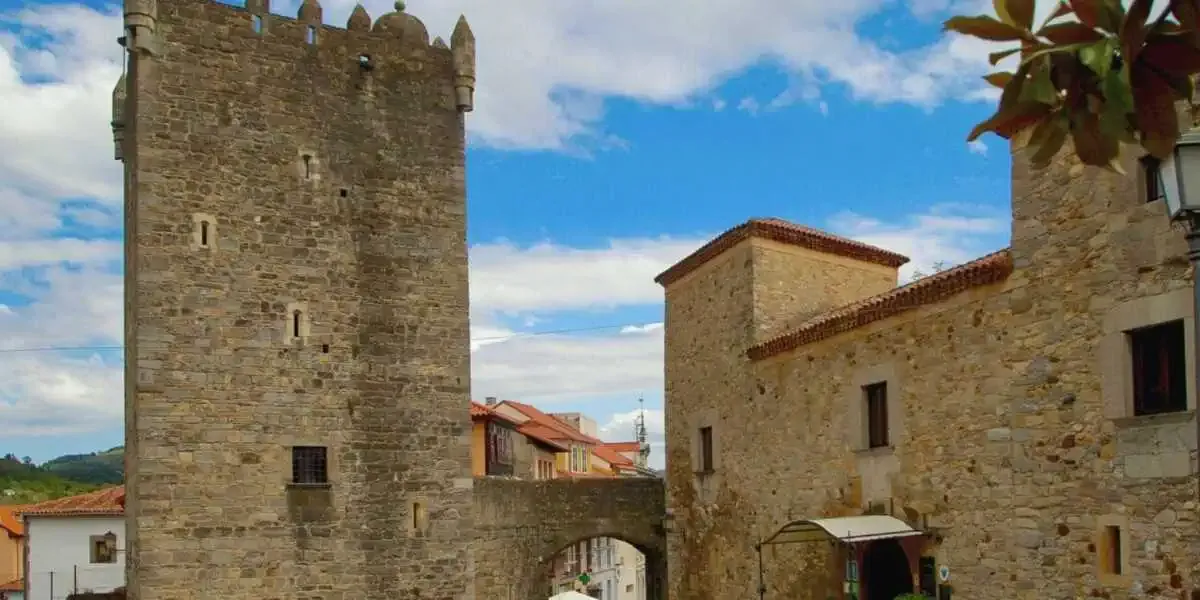
A semicircular arch featuring the heraldic coats of arms of the Valdés Salas family connects the Torre de la Villa with the palace. Built at the end of the 16th century using masonry, it is a sturdy and sober building, faithful to the civil architecture of the period. Its main façade consists of two floors guarded by two towers; inside, it houses a central courtyard and the Chapel of Nuestra Señora de la Calle. This was the residence of Fernando de Valdés Salas, Grand Inquisitor of Spain, founder of the University of Oviedo, and Archbishop of Seville. Today, the palace operates as a hotel.
Medieval Tower
Also known as Torre de la Villa, it is the oldest preserved building in the town. Although its origins date back to the 14th century, the current structure is the result of a mid-20th-century reconstruction by Luis Menéndez Pidal. It is connected to the Valdés Salas Palace by a fortified bridge. Square in plan and made of carved stone, it features a basement that once housed the dungeons, three floors with barrel vaults connected by a spiral staircase, and a battlemented roof designed for defense.
Pre-Romanesque Museum of San Martín de Salas
Located within the palace tower, this museum exhibits the original pieces from the church of the same name. It is a key site for understanding Asturian art, offering free guided tours from Tuesday to Saturday (please check updated hours: 10:30 AM to 2:30 PM and 4:00 PM to 7:00 PM).
Collegiate Church of Santa María la Mayor
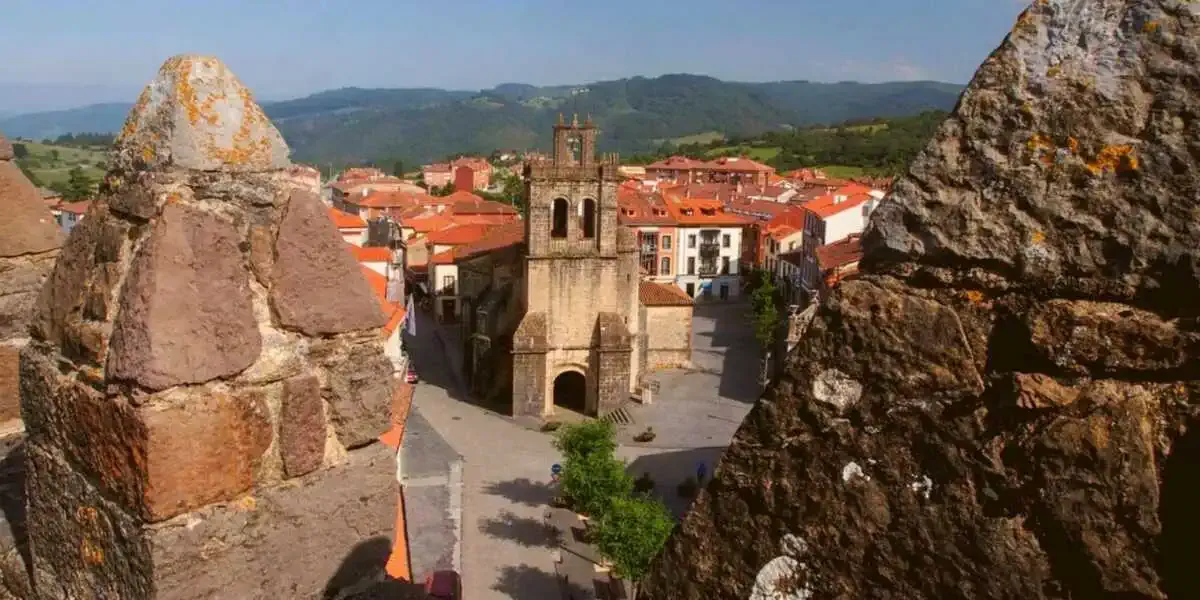
This 16th-century parish church was founded by the Valdés Salas family in a Gothic-Renaissance style. Originally a single nave, side chapels were added over time. The apse and two 17th-century Baroque altarpieces are noteworthy, but the most significant feature is the mausoleum of Fernando de Valdés Salas, a white alabaster masterpiece representing an allegory of life.
House of María Veigas and Palace of the Countess of Casares
The House of María Veigas is one of the oldest constructions in Salas, having served as a stagecoach inn in the 17th century. Its wooden cantilevered balcony and heraldic shield are particularly striking. Nearby is the Palace of the Countess of Casares (or Casa del Regente), a 17th-century building with a large central courtyard organized around a corridor supported by 12 stone columns; it also features its own chapel and wine press.
Church of San Martín de Salas
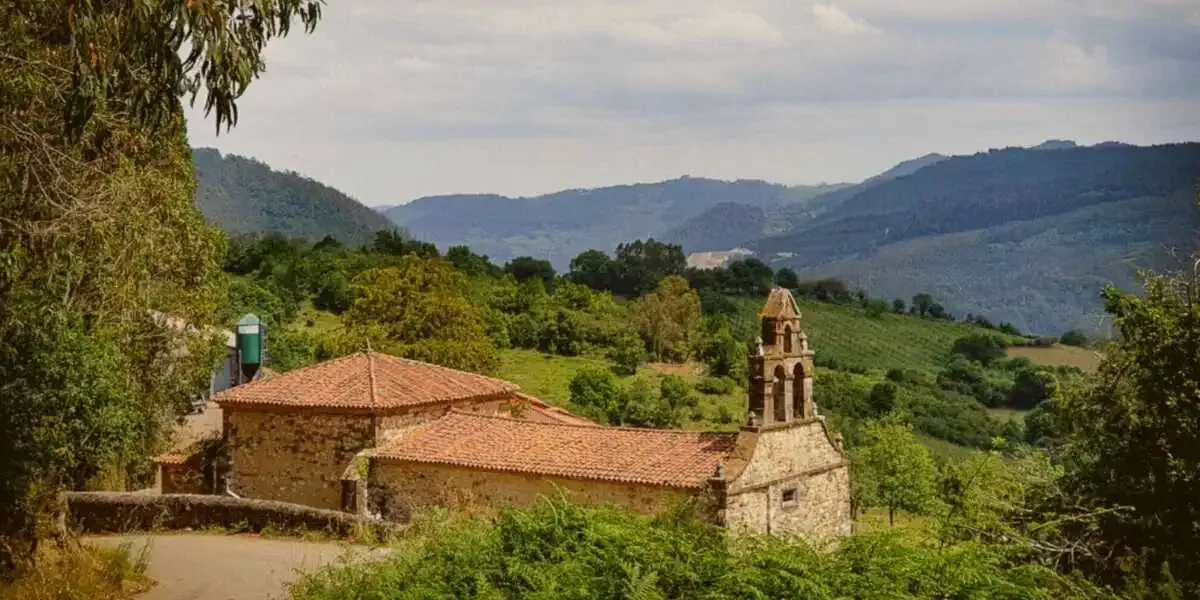
Located on a hill just one kilometer from the town, this church is a must-see.Dating back to the 10th century, it preserves important pre-Romanesque elements, although the pieces seen embedded in its walls today are faithful replicas of the originals kept in the town's museum.
As you cross the gate into the grounds, you will be greeted by an imposing yew tree, a sacred tree in Celtic culture. The atmosphere of the churchyard and the church itself conveys a deep sense of peace, allowing for a direct encounter with the most characteristic art of the ancient Asturian monarchy.
Map of Salas
Map of Salas