


French Way or Portuguese Way: Which is best for you?
14 February, 2026
The French Way and the Portuguese Way are ideal options for beginners. The former stands out for its infrastructure and social atmosphere; the latter, for its tranquility and lower difficulty. Both offer unique landscapes and an unforgettable experience towards Santiago.

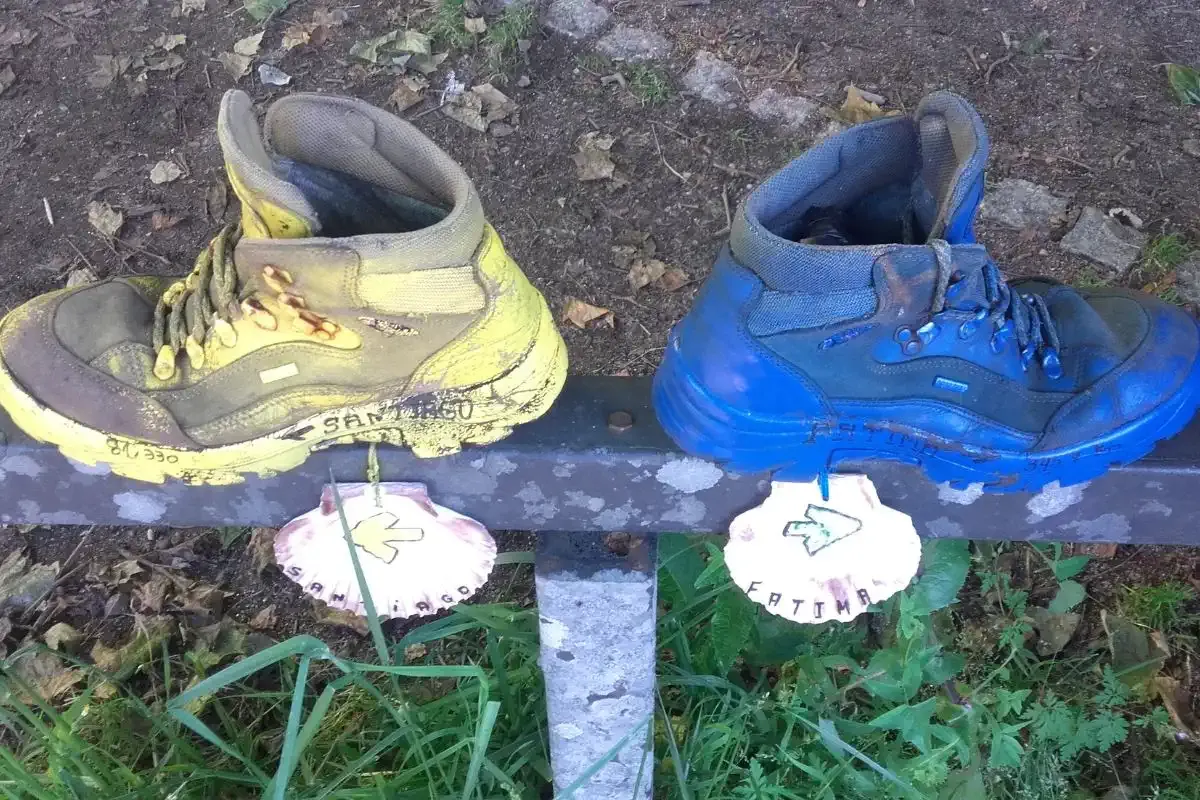
Which Camino to choose, French or Portughese?
Everything you need to know about the French Way
The French Way is the most popular and traveled route of the Camino de Santiago. It starts in Saint-Jean-Pied-de-Port, France, and crosses northern Spain until it reaches Santiago de Compostela. This route is approximately 800 km long and traverses a great variety of landscapes and regions of the northern peninsula.Its history and origins
The French Way is a route with a lot of history among all the Jacobean routes. After the discovery of the Apostle's tomb and relics in the 9th century, thousands of Christians journeyed to Santiago to venerate them. Initially, they did so via the Primitive Way, the first route to develop, as it was safer, running through Christian territory.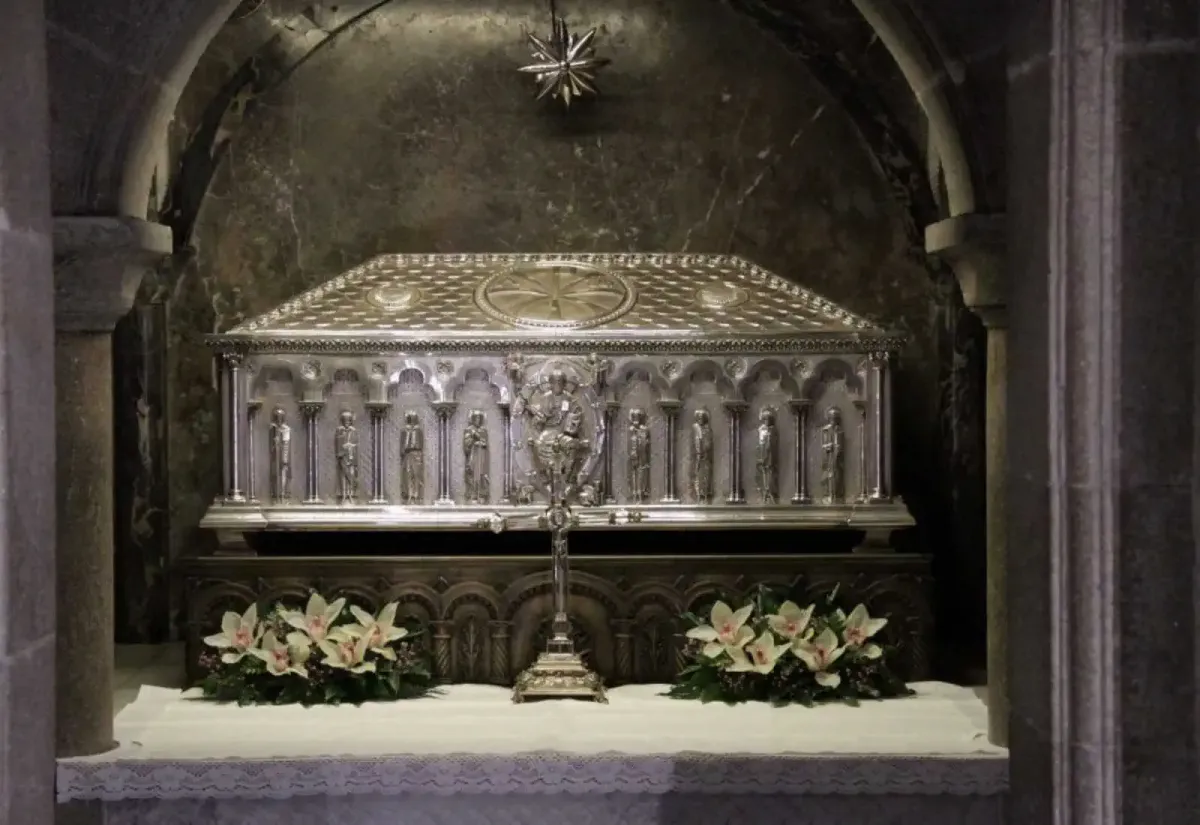
The Apostle's tomb, with the sepulcher and his relics, is the origin of all the Jacobean routes
In the Modern Age, with various European wars, the emergence of Protestantism, and other factors, pilgrimages, in general, suffered a severe crisis. This crisis continued during the Contemporary Age, and it wasn't until the mid-20th century that they began to revive. The French Way once again became the leading route in terms of the number of pilgrims, a true highway of pilgrims from all over Europe.
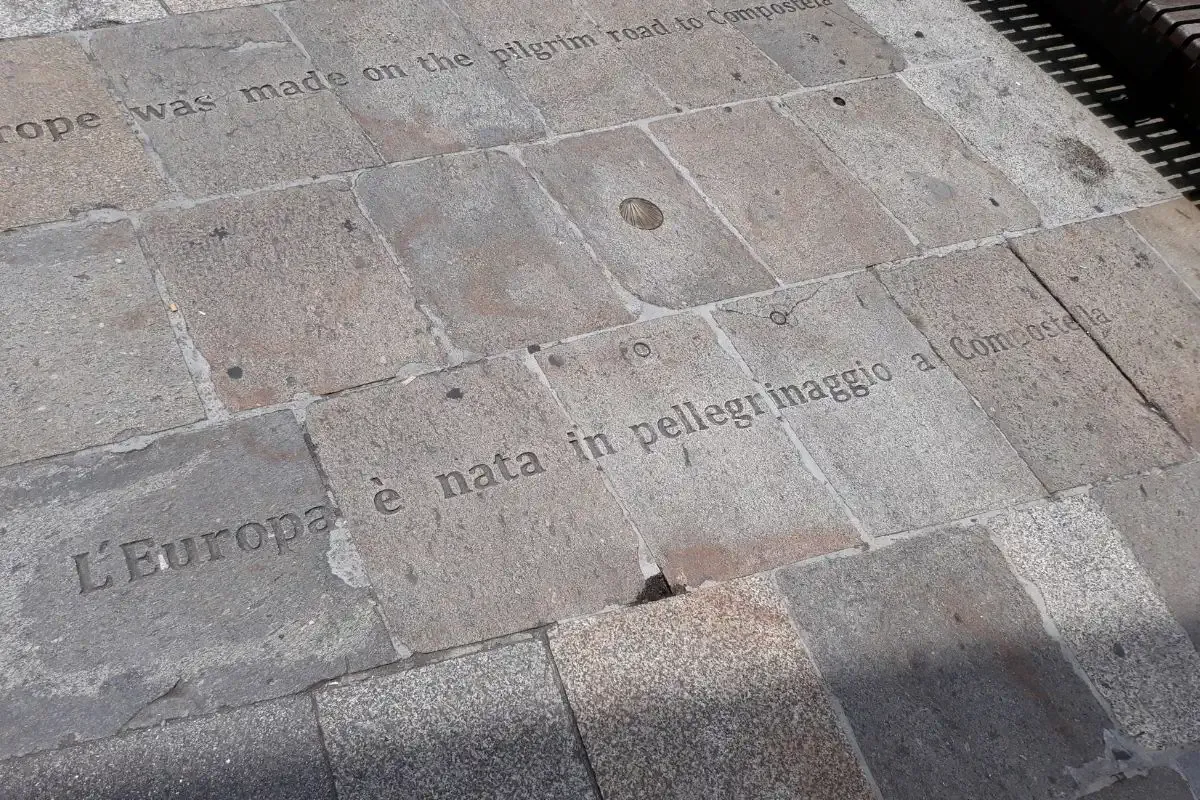
Europe was born in pilgrimage to Compostela
5 reasons to choose the French Way
The five reasons to do the French Way are the following:- Historical and cultural richness: This route is full of history and culture. You will find numerous churches, monasteries, and historical monuments. Additionally, you will pass through cities and towns with a rich cultural heritage, such as Pamplona, Burgos, and León.
- Diversity of landscapes: From the high mountains of the Pyrenees, the beautiful lands of Navarra and La Rioja, the vast plateau of Castilla y León, and finally, the green Galicia, the pilgrim will enjoy a palette of unique colors and landscapes.
- Complete infrastructure: Being the most popular route, the French route has excellent infrastructure. There are many hostels, restaurants, and services for pilgrims along the Camino, making daily planning easier and ensuring you always have a place to rest.
- Pilgrim community: Due to its popularity, the French Way offers a strong sense of community and socialization. You will meet many pilgrims from different parts of the world, allowing you to share experiences and create lasting bonds.
- Varied gastronomy: By traversing different territories, you will have the chance to discover the culinary delights of northern Spain. Not only that, but you will also be able to savor the best selection of Spanish wines, such as those from the Rioja, Ribera del Duero, or Ribeira Sacra denominations of origin. Did you know there’s even a fountain that flows with wine… for free!?
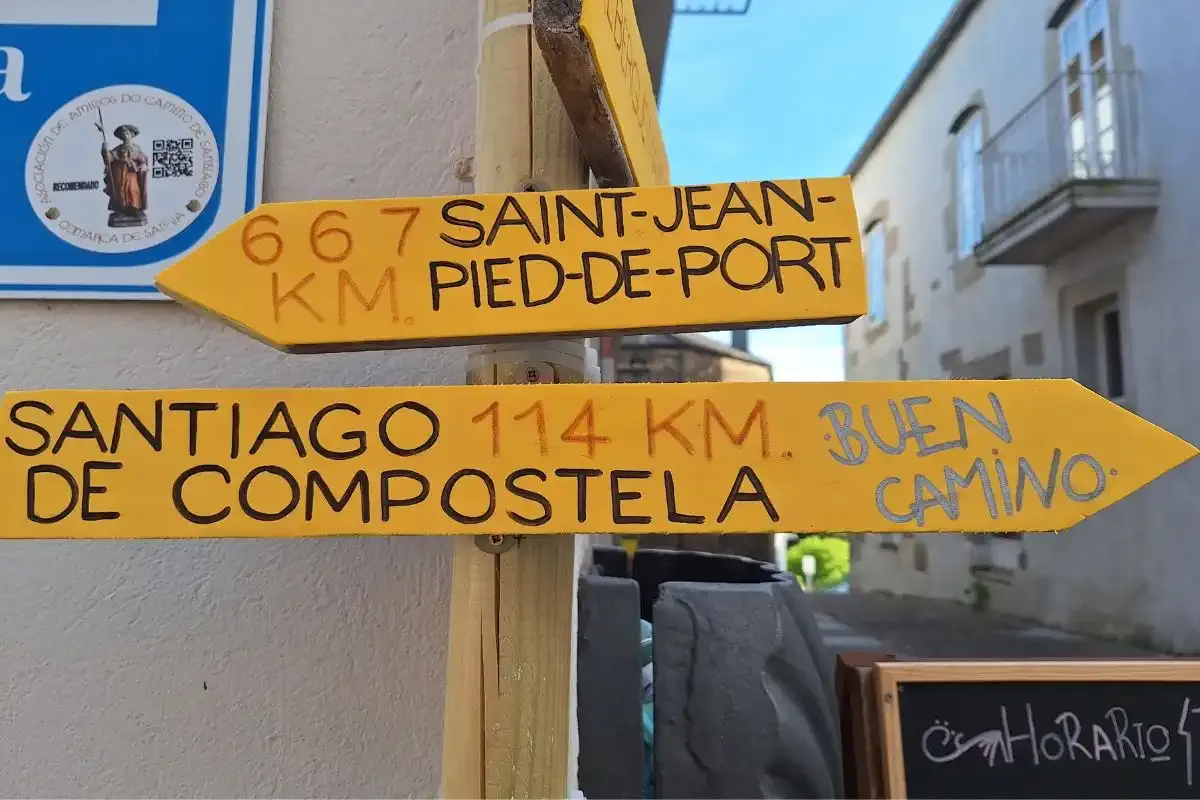
From Saint-Jean-Pied-de-Port to Santiago de Compostela, there is much to enjoy
Everything you need to know about the Portuguese Way
The Portuguese Way is the second most popular route to Santiago de Compostela. With just over 600 km, it starts in Lisbon and traverses Portugal from south to north, entering Spain upon reaching the Miño River. This route is an exquisite combination of inland and coastal territories: you will discover the Lusitanian charm and the freshness of the Galician Rías Baixas.History, origins, and variants of the Portuguese Way
The Portuguese route, like all others, originates from the discovery of the apostolic remains and gains particular importance from the 12th century. Initially, Portuguese pilgrims headed to Galicia not only by land but also using coastal and river routes. However, land routes gained importance, perhaps taking advantage of the ancient Roman road Via XIX, which connected Braga with Astorga.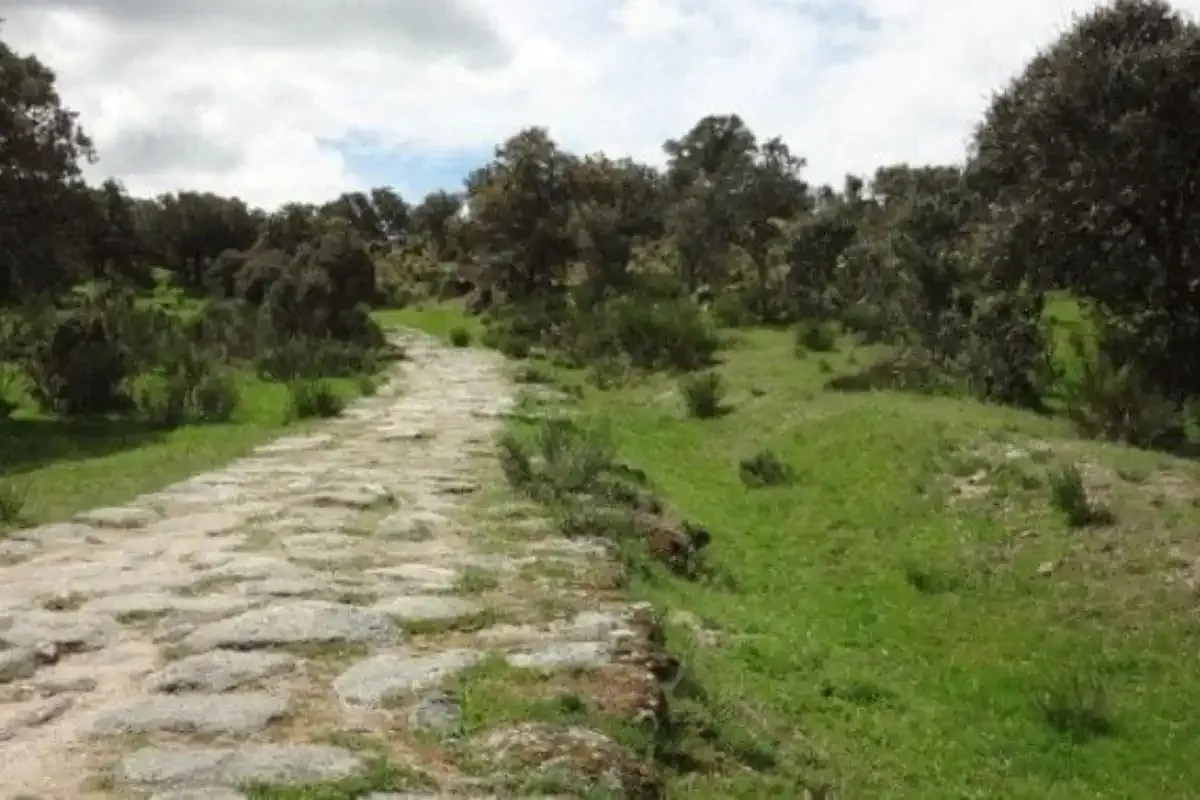
The Portuguese Way runs along Roman roads, such as Via XIX
Notably, there are some variants of the Portuguese Way. Upon reaching Porto, you can take the Portuguese Way along the Coast, which runs along the Atlantic Ocean coast. Additionally, there is a second variant upon reaching Pontevedra, known as the Spiritual Variant, which recalls the arrival of the Apostle's remains in Galicia.
5 reasons to do the Portuguese Way
The five reasons to do this route are the following:- Lower traffic: Compared to the French Way, the Portuguese Way is less crowded, offering a more peaceful and contemplative experience.
- Less demanding elevations: The Portuguese Way, regardless of the variant, generally offers less elevation than the French Way, although it will not always be flat.
- Coastal and maritime landscapes: Perhaps a significant advantage is the possibility of enjoying the Galician Rías Baixas and the Atlantic Ocean. A swim while you pilgrimage is not out of the question, right?
- Portuguese culture: By traversing Portugal, you will have the opportunity to immerse yourself in Portuguese culture and gastronomy. From the famous codfish to the delicious pastéis de nata, Portuguese cuisine is a real treat.
- Obtaining the Pedronia: Besides the Compostela, which you can also get by doing the French Way, you can obtain this other pilgrim certificate in the final stage at Padrón.
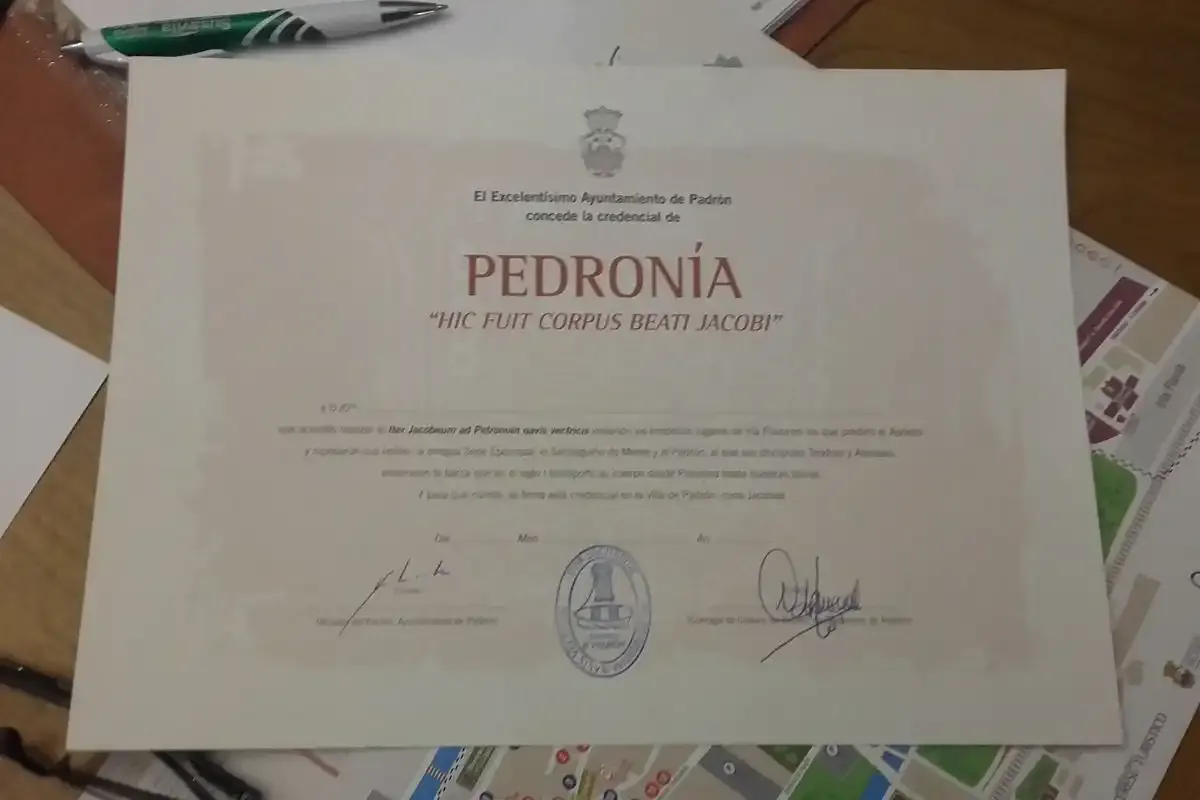
On the Portuguese Way, in addition to the Compostela, you can obtain the Pedronia
Which Camino will suit me best?
If it’s your first time and you’re looking for an easy and beautiful route, as you can see, both options are. The French Way offers more support and services, which can be comforting for someone undertaking their first pilgrimage. On the other hand, the Portuguese Way is flatter and less physically demanding.The choice between the French Way and the Portuguese Way largely depends on your personal preferences and circumstances. One of these is how much time you have to do the Camino, and perhaps you don’t have the days necessary to complete the routes. No problem, you don’t need to walk the entire route to enjoy everything good about the Camino… How about starting with the easiest section of the chosen route?
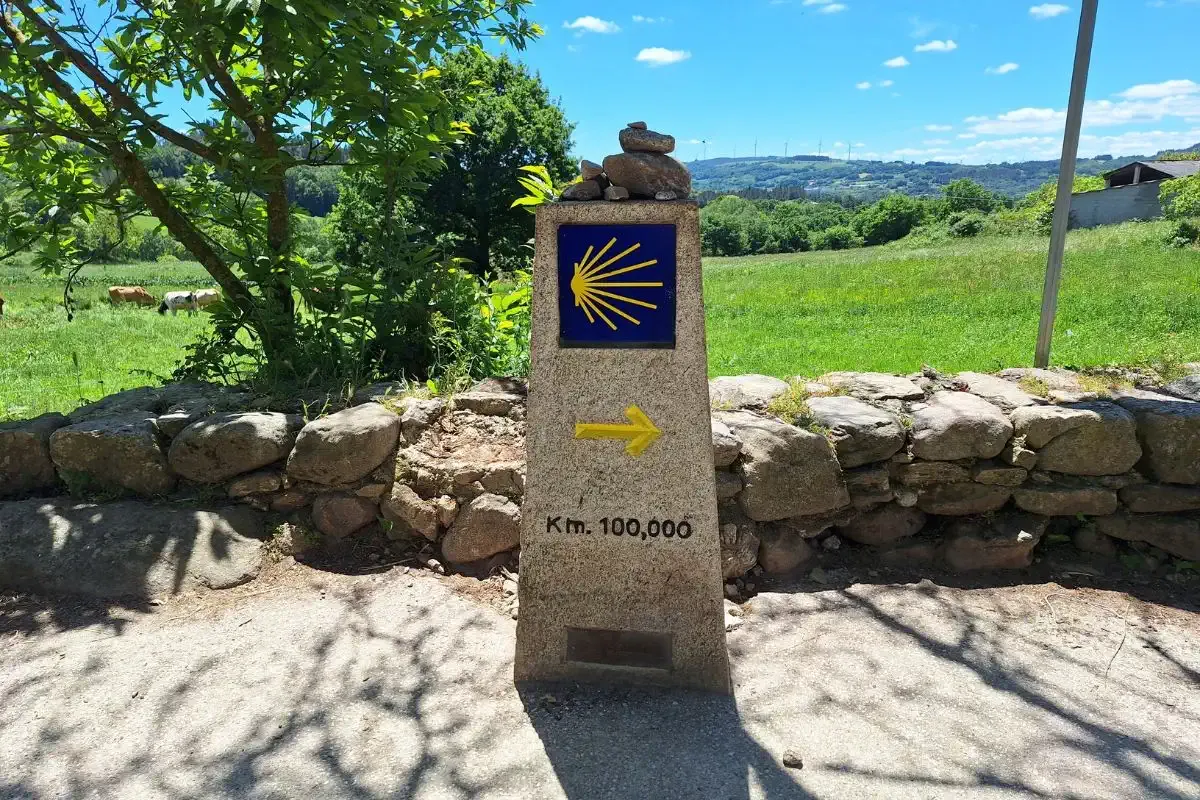
For a beginner, it is best to start with the last 100 km of the French Way or the Portuguese Way
Choosing between the French Way and the Portuguese Way may seem like a difficult decision, but remember that there is no wrong choice. Both routes will take you to Santiago de Compostela and offer an unforgettable experience that will make you want to do it again. So, regardless of the Camino you choose, get ready for a transformative adventure: remember that we are here to help you have the best pilgrim experience.
Comments (1)
Ángeles
Jorge Severo Medina Martín
Leave a comment