


What to see and do in Avilés

Information
Avilés is a city in the Principality of Asturias, with a remarkable cultural and historical heritage dating back to prehistoric times and a key stop on the Northern Way, 25 km from Gijón and 27 km from Oviedo. Its old town, declared a Historic-Artistic Site in 1955, brings together Galiana street, the Palacio de Valdecarzana, the Niemeyer Centre by the estuary and the popular Fiesta del Bollo at Easter.
Located just 25 km from Gijón and 27 km from Oviedo, Avilés is exceptionally well-connected by an extensive railway network, bus services, and its prominent fishing port.
A Little History
While its legacy is ancient, Avilés began to be permanently inhabited following the Roman period. In the 10th century, the city obtained significant privileges granted by Alfonso VI, including the right to hold fairs and a weekly market. During the Early Modern period, the bourgeoisie and nobility drove an architectural boom, building many of the palaces seen today.
After a later period of decline, the city underwent a resurgence driven by trade with the Americas, the arrival of the railway, and the industrialization process. This rich historical tapestry can still be felt throughout the city's vibrant streets.
Would you like to walk this part of the Camino with your accommodation booked for every stage? These organised trips pass through Avilés: Northern Way from Ribadesella to Ribadeo.
What to see in Avilés
In Avilés, visitors can enjoy a significant variety of landscapes, architectural landmarks, and cultural heritage. Additionally, the city offers a rich repertoire of gastronomic and musical festivals that attract visitors from across the country.
The Historic-Artistic Ensemble of Avilés
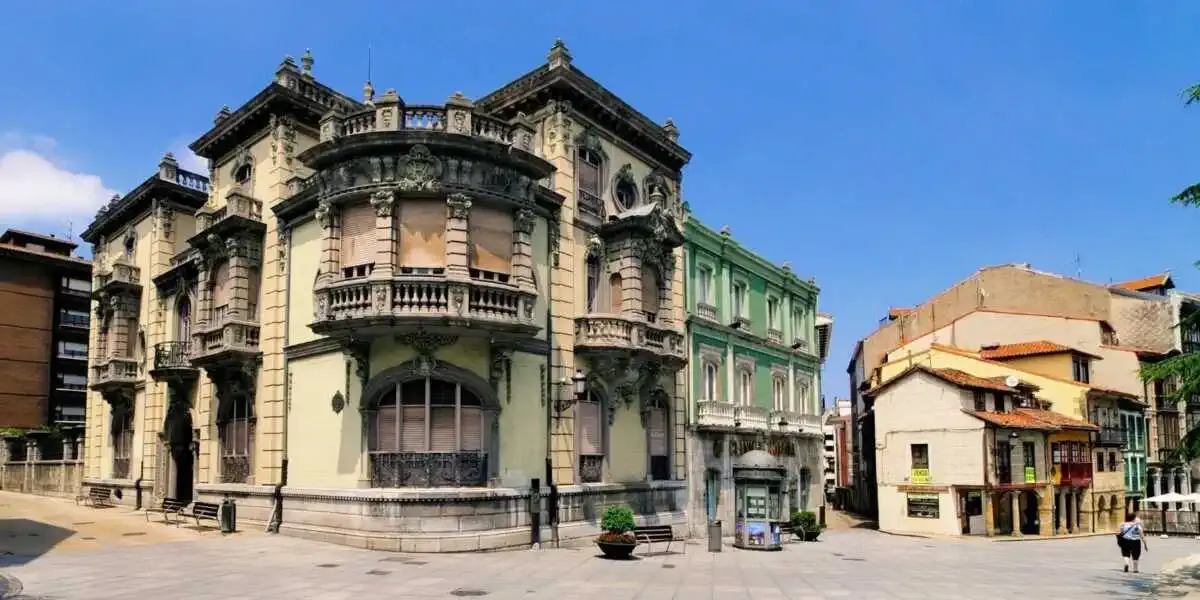
On May 27th, 1955, the old town of Avilés was declared a Historic-Artistic Site due to its imposing architecture, religious buildings, and iconic streets like Galiana with its unique arcades. To appreciate medieval beauty, a visit to the Valdecarzana Palace is essential, as it is the city's only intact civil vestige from that era. Other highlights include the Ferrera Palace, the Fountain of the Caños de San Francisco, and the Church of San Nicolás de Bari.
The Museum of the Urban History of Avilés
Located in the heart of the old town, this museum offers an accurate look at the most relevant events in local history. The exhibition spans three floors and is uniquely designed to be visited from the top floor down, showcasing the evolution of Avilés since prehistoric times. It provides the perfect context to understand the architectural legacy found throughout the city.
The Bollo Festival
Held on Easter Sunday and Monday, this festival is the grand finale of the city's Holy Week. Its name comes from the traditional "bollo" (sponge cake) that godparents give to their godchildren. Sunday features a grand parade with "cabezudos" (big-heads) and dance groups, while Monday is famous for the "Comida en la Calle," where neighbors set up tables and chairs to share a massive communal meal in the streets.
The Oscar Niemeyer International Cultural Center
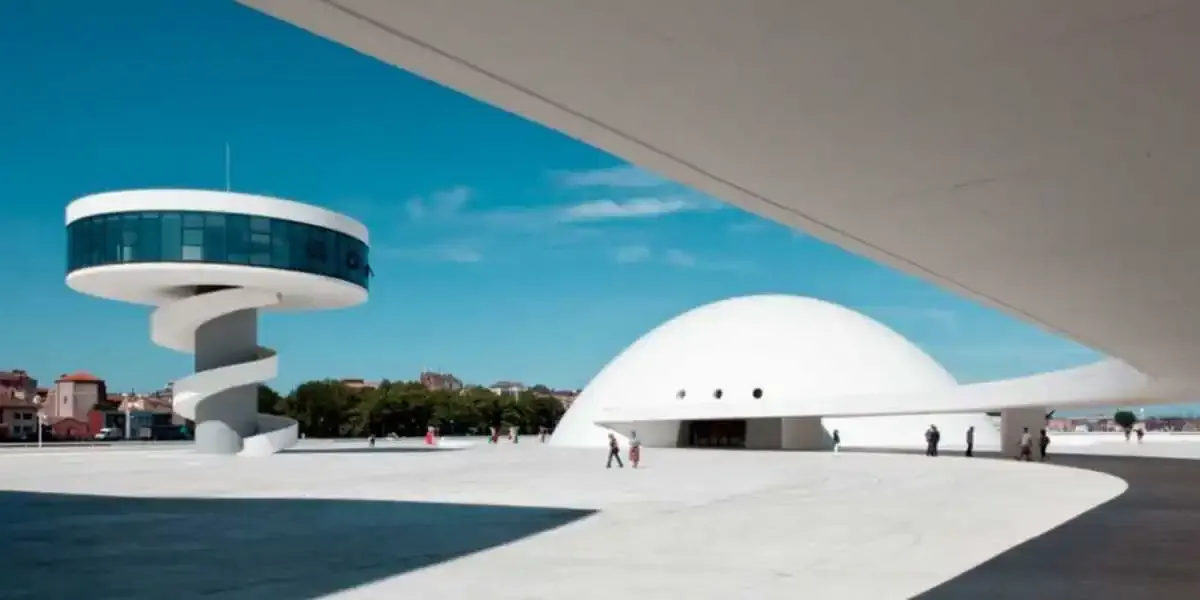
Standing beside the Avilés estuary, the Niemeyer Center is a striking cultural complex designed by the renowned Brazilian architect Oscar Niemeyer. Its avant-garde design contrasts beautifully with the industrial landscape and hosts world-class artistic exhibitions and performances by international authors, serving as a symbol of modern Avilés.
The Interceltic Festival of Avilés and its Region
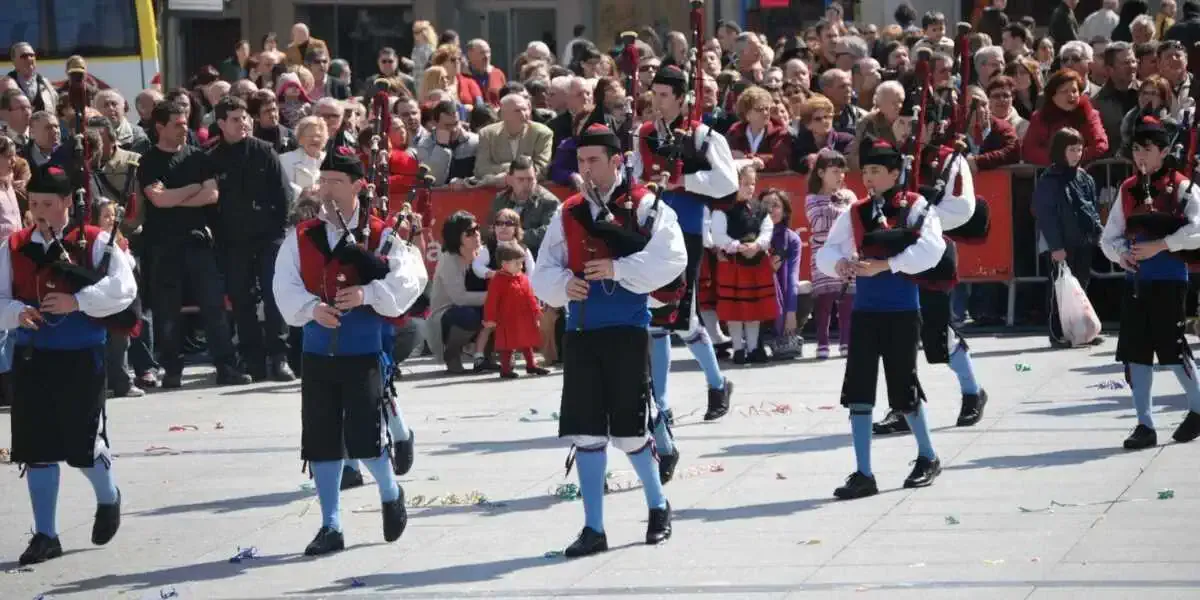
Every summer, this festival pays tribute to the cultural traditions of the Celtic nations through music, painting, theatre, gastronomy, and sports. Organized by the Esbardu Cultural Association since 1997, it has become one of the city's most successful and fun events, perfect for those seeking a unique experience filled with tradition.
Map of Avilés
Map of Avilés