


What to see and do in Lugo

Information
Lugo, a provincial capital on The Primitive Way, was founded by the Romans under the name of Lucus Augusti and treasures more than two thousand years of history. Its symbol is the Roman Wall, over 2 km long with 10 gates, which can be walked along the top; nearby wait the Cathedral of Santa María, the Roman Bridge over the Miño and the Roman baths of the old town.
In addition to the wall, there are many other attractions in Lugo, which deserves a few days to get lost in its streets. It is recommended to take your time to discover all its charms: its monuments, its gastronomy, its nature, and its people.
Would you like to walk this part of the Camino with your accommodation booked for every stage? These organised trips pass through Lugo: Primitive Way from Oviedo to Lugo, Primitive Way from Lugo, Camino Primitivo from Oviedo to Santiago de Compostela and The Primitive Way from Oviedo by bicycle.
What to see in Lugo
Roman Wall
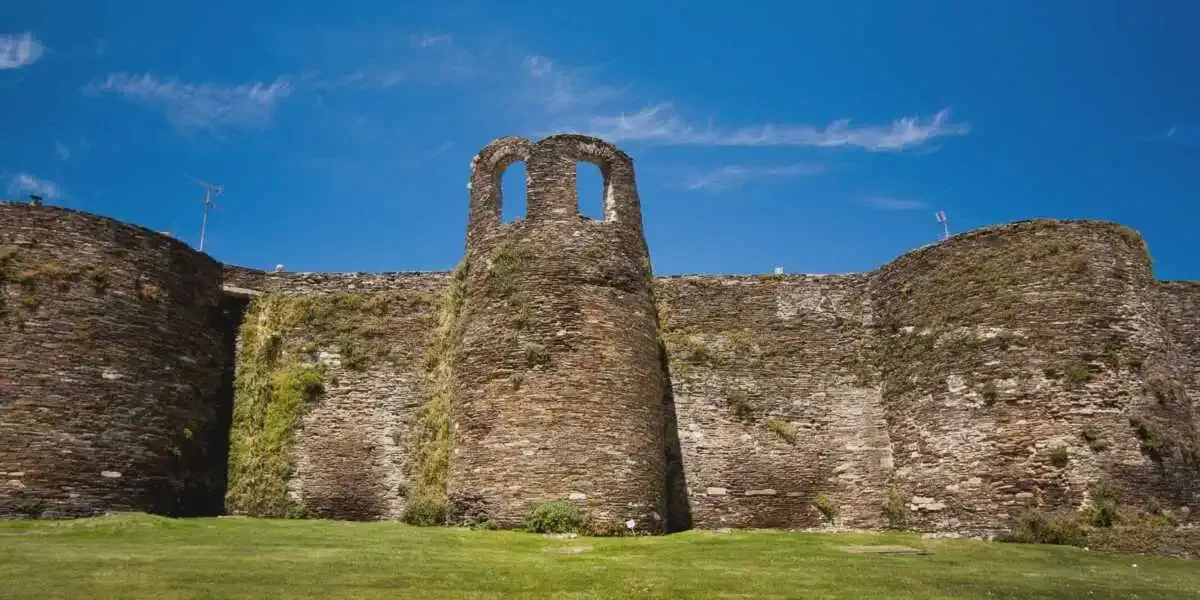
The wall is the crown jewel of the rich historical heritage that Lugo has preserved for centuries. Built over 1,700 years ago following Vitruvian principles, the Wall of Lugo is more than 2 km long and features 10 gates. Walking along its path, which reaches 7 metres in width, and observing its 71 original towers allows you to experience the power of Imperial Rome firsthand while enjoying the best views of the city.
Cathedral of Santa María
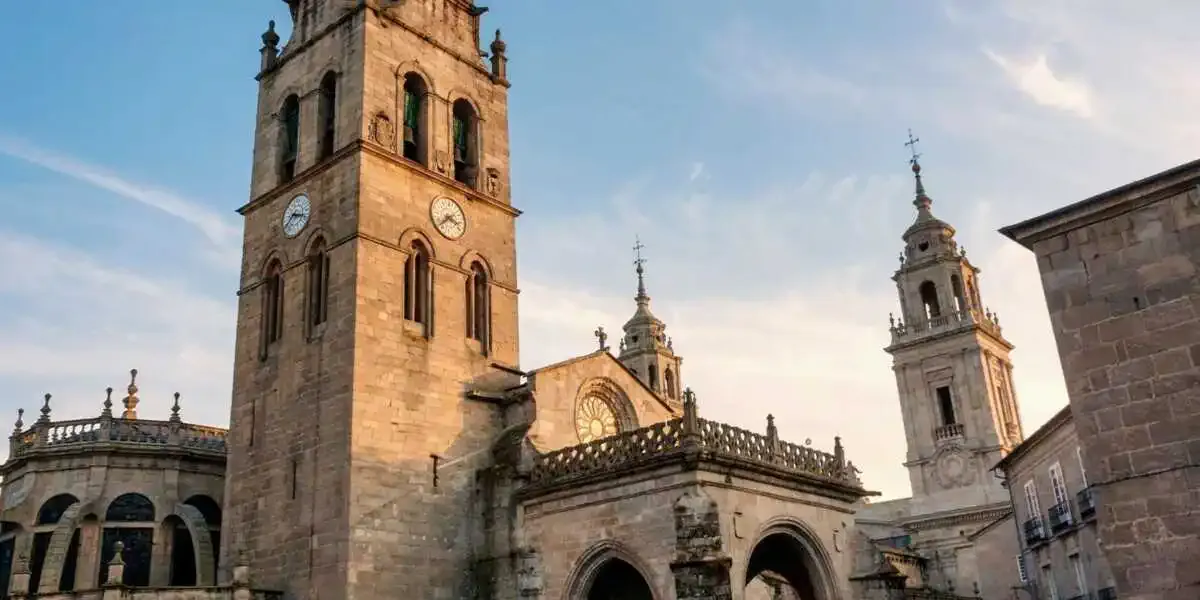
The Cathedral of Santa María is a mandatory stop in Lugo. Its construction spanned more than a century, resulting in a fascinating blend of styles that reflects the city's history. Inside, the High Altar and the Chapel of the Virgin of the Big Eyes (Virxe dos Ollos Grandes), the city's patron saint and a masterpiece of Galician Baroque, are particularly noteworthy.
Plaza Mayor
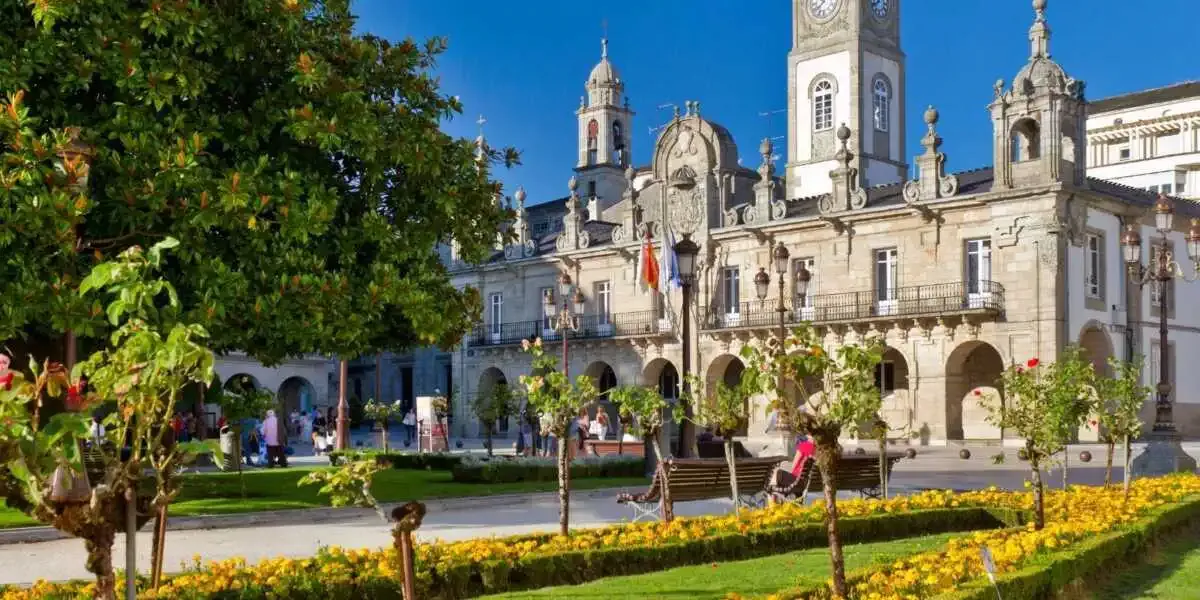
Also known as Plaza de España, this is the main meeting point for the people of Lugo. It houses landmark buildings such as the City Hall and the Círculo de las Artes. Located south of the wall, it occupies the site of the old medieval market, maintaining its essence today as the heart of social and commercial life.
Domus of the Mithraeum
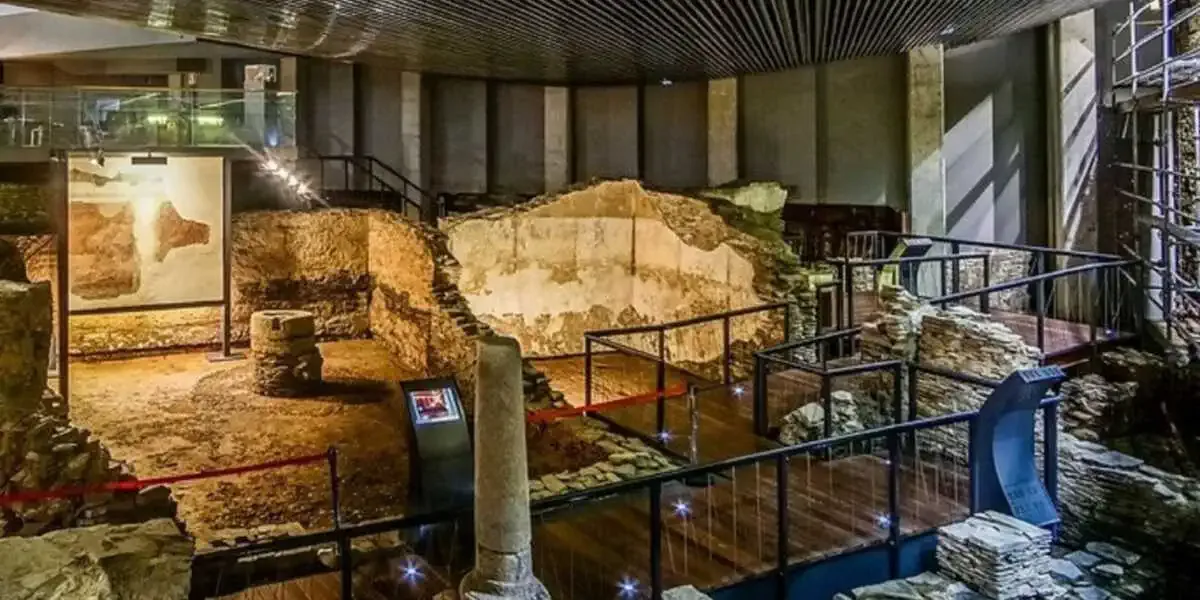
This museum is an exceptional example of Lugo's urban archaeology. Within its 700 m², it displays finds ranging from Roman times to the 20th century, most notably the remains of an ancient domus (Roman house) and a temple dedicated to the god Mithras, offering a unique insight into private and spiritual life in Lucus Augusti.
Roman Bridge
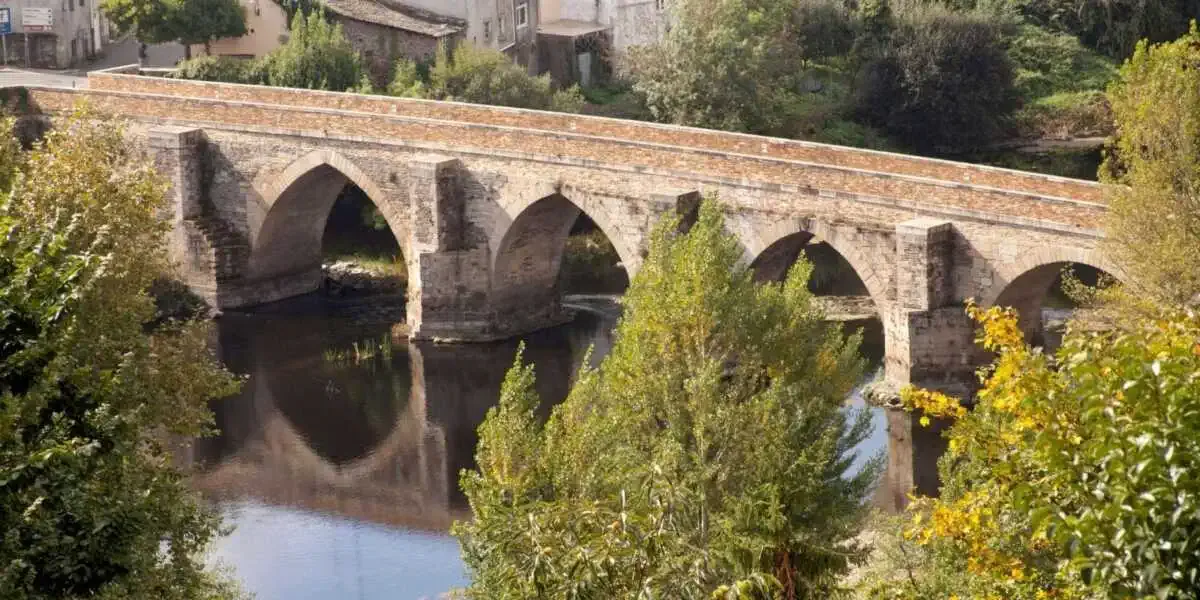
The Roman Bridge, or Ponte Vella, is one of the most beloved and best-preserved structures in the city. It crosses the Miño River to the southwest of the capital and is located very close to the ancient thermal baths, forming an essential ensemble for understanding the Roman civil legacy in the area.
Roman Baths
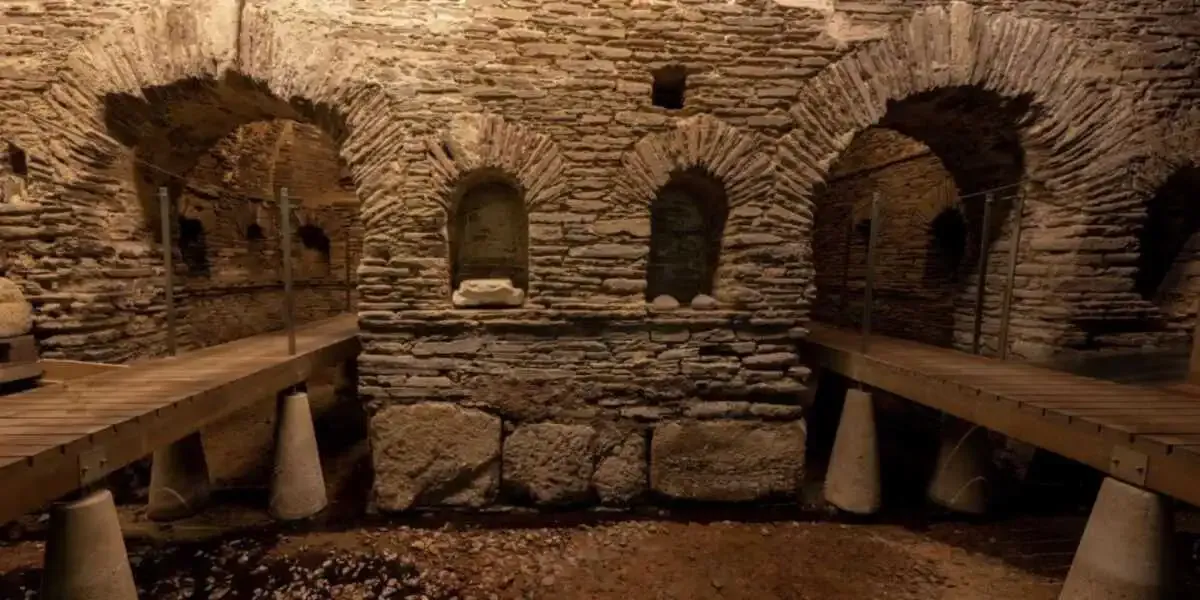
A testament to the importance of hygiene and leisure in Roman culture, these baths are integrated into the current Hotel Balneario. Rooms such as the Apodyterium and Caldarium have been preserved and can be visited by guided appointment to admire the thermal engineering of nearly two millennia ago.
Provincial Museum
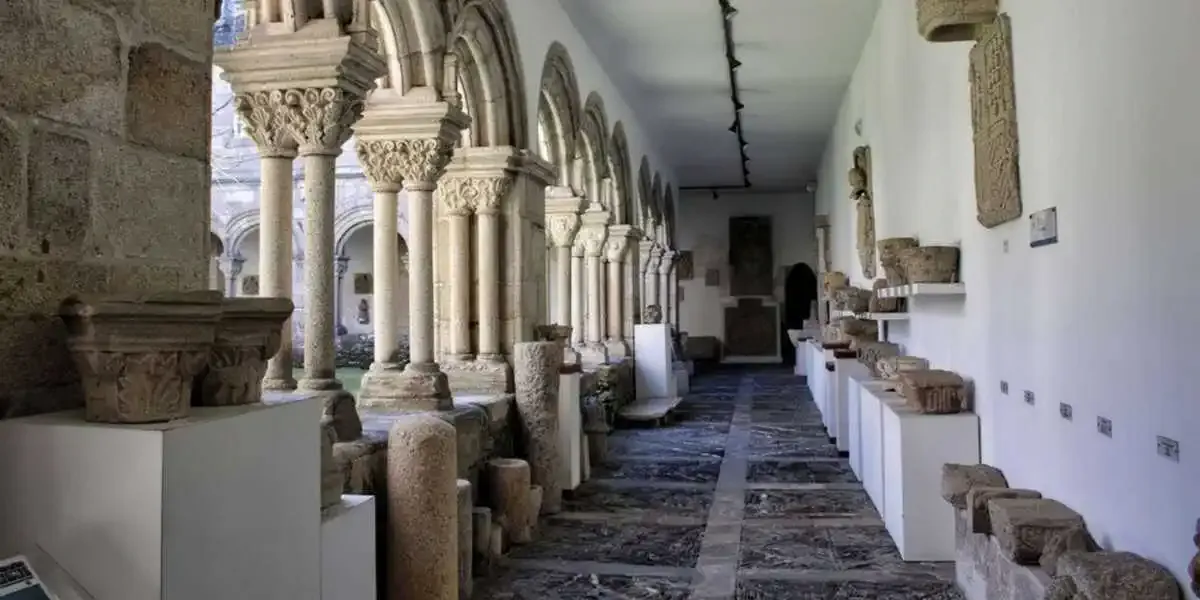
Located in the former convent of San Francisco, this museum guards the historical soul of the province. Highlights include Roman mosaics and Celtic goldwork, alongside collections by contemporary Galician artists, offering a complete journey from prehistory to the present day.
Rosalía de Castro Park
Located outside the walls, this is Lugo's primary green lung and recreation area. Its 23 hectares feature diverse vegetation, fountains, ponds, and an ornithological centre, making it the ideal spot for a stroll to enjoy nature without leaving the city.
And to eat... Lugo
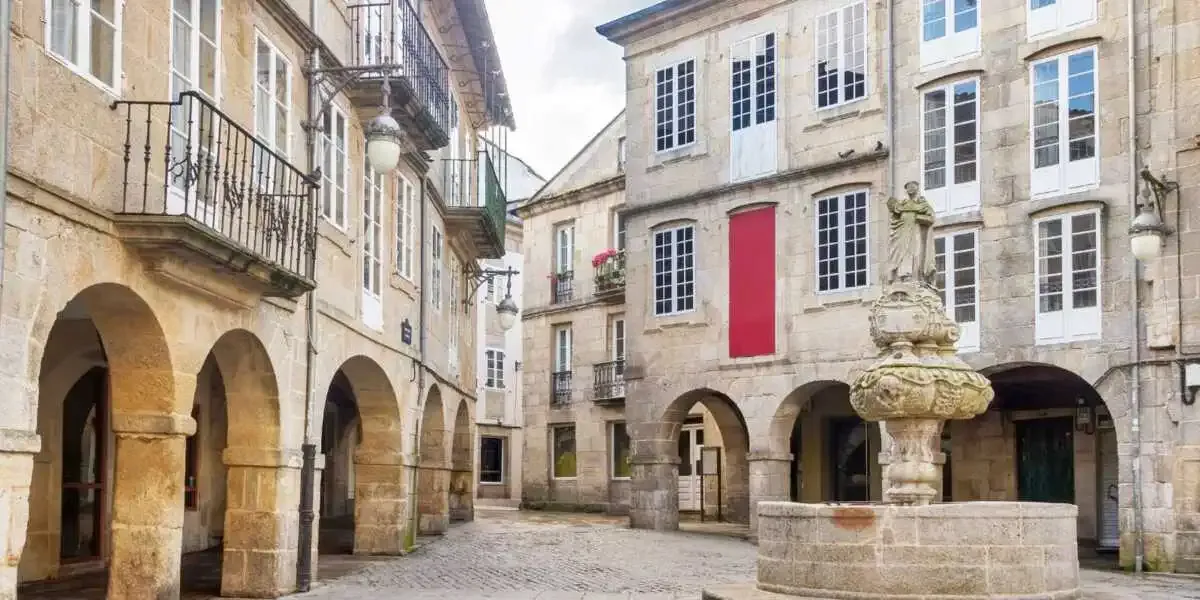
Gastronomy is a hallmark of Lugo's identity, popularised under the slogan "And to eat, Lugo". The city stands out for the exceptional quality of its local products: Galician veal, Celtic pork, and fresh seafood from the Cantabrian Sea. It is essential to experience the culture of free tapas in areas like Plaza de Campo Castillo, where every drink is served with a sample of local cuisine.
Map of Lugo
Map of Lugo