


Discover Galicia by Motorhome
20 November, 2025
Traveling through Galicia in a motorhome allows for a leisurely journey, combining coast, nature, and freedom. From A Guarda to Ribadeo, or following the Camino de Santiago, it is a flexible and authentic way to discover unforgettable landscapes, towns, and sunsets.

There are ways of travelling that feel a bit like standing in line at the supermarket: you move when they let you, you accept whatever comes, and you return home with the feeling that you barely chose anything at all. And then there is travelling through Galicia by motorhome, where you decide when to stop, how long to watch a lighthouse glow, or how many times to repeat the ritual of watching the rain fall over the Atlantic with a cup of coffee in hand. The first time someone considers a motorhome route through Galicia, it’s usually due to a mix of intuition and exhaustion. Intuition because this corner of the map begs to be lived without hurry, sleeping near the sea or in a eucalyptus forest. Exhaustion from identical hotels in different cities. You stop looking for a “hotel with a view” and start searching for something much simpler: a piece of coastline where you can park your home-on-wheels and feel that the journey matters more than the clock. Travelling this way, in a camper or van, has a curious effect: it forces you to confront your own limits. Galicia isn’t only beaches, lighthouses and seafood. It’s fog, curves, sudden rain, and tiny villages where you must ask where the local shop is and where to spend the night without bothering anyone. And that’s where the motorhome stops being just a vehicle and becomes a way of being in the world.
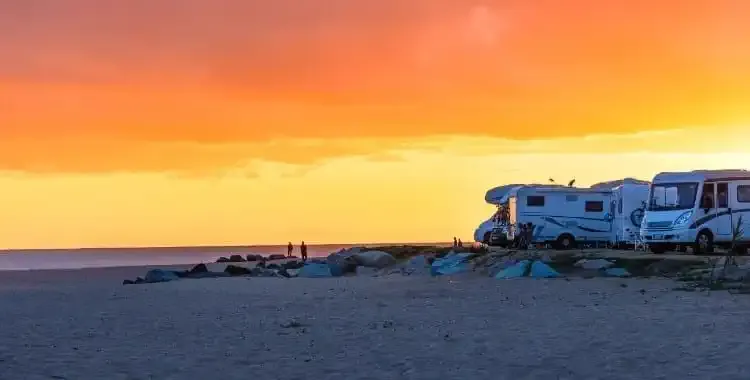
Travelling by motorhome allows you to discover new places and meet people
Why Galicia is a perfect destination for motorhomes
If you close your eyes and think of Galicia, you’ll probably picture endless beaches, humid forests, remote lighthouses and stone villages. Now imagine waking up each day in a different one, without unpacking. That’s travelling by motorhome through Galicia. Some reasons why Galicia fits this kind of trip so well:
- Variety of landscapes within short distances: in under an hour you can go from a wild beach to an inland valley full of vineyards or to a historic city like Santiago de Compostela.
- Mild weather for most of the year, perfect for avoiding extreme heat.
- Outrageously good gastronomy: eating well isn’t a luxury, it’s almost mandatory.
- Great infrastructure for campers and motorhomes: there are more and more motorhome areas in Galicia, as well as well-located campsites.
- And an important detail: that welcoming Galician character that makes you feel invited simply by being there.
And if you’re travelling with children, the plan gets even better: sleeping near the beach, having breakfast watching seagulls, stopping when they get tired, and turning the motorhome into a kind of mobile hideout. The journey stops being a punishment and becomes part of the game.
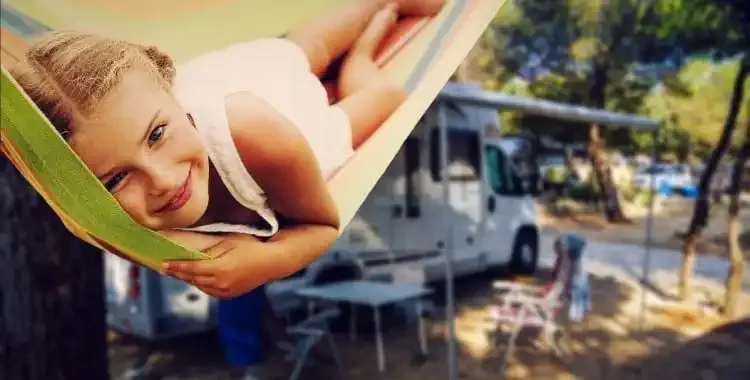
Children love travelling by motorhome and staying at campsites
Coastal route through Galicia by motorhome: from A Guarda to Ribadeo
There are many ways to trace a coastal route through Galicia by motorhome, but one of them hooks you from the first kilometre: following the map from south to north, just like tracing the coastline with your finger on an atlas.
Rías Baixas section: from A Guarda to O Grove
Start in A Guarda, right on the Portuguese border. If you climb Mount Santa Trega and look at the Atlantic from above, you’ll understand why so many people call this corner a balcony over the sea. From here you can begin a coastal route through Galicia by campervan that reads like a list of places you always thought you’d visit “someday”. Some recommended stops include:
- A Guarda: last border with Portugal, with a Celtic castro and a fishing port. Here, time is ruled by the tides, not the GPS.
- Baiona: seafront promenade, historic centre, and that feeling that you could live here without needing to explain why.
- Vigo and its estuary: drive around it, cross to the Cíes Islands, or simply enjoy its beaches.
- Sanxenxo and O Grove: beaches, terraces and seafood—ideal for combining lively spots with peaceful corners.
- Illa de Arousa: coves, seaside paths, and nights of absolute silence—a paradise for campers.
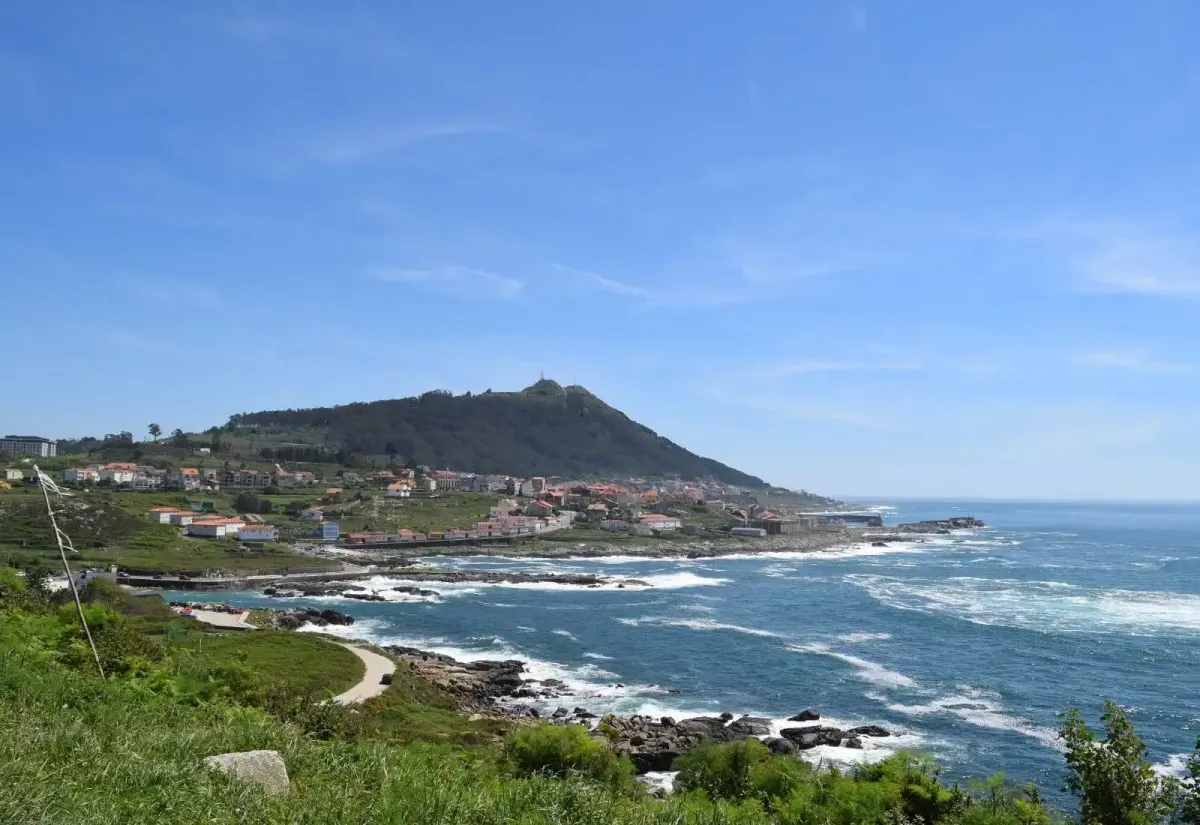
From A Guarda, in southern Galicia, your motorhome journey will always follow the sea
From the Rías Baixas to the Costa da Morte
As you continue northwards, the road becomes wilder, less touristy, more yours. Muros, Carnota, the Ézaro lookout and Finisterre—the mythical “end of the world”—await you. Some recommended stops are:
- Muros: traditional seafaring houses, arcades, a port and tranquillity—ideal for a peaceful night.
- Carnota Beach: one of the longest and most beautiful beaches in Galicia. If you go at sunset, you’ll understand why people return.
- Ézaro Lookout: a waterfall that drops straight into the sea. It’s one of those views no photo can truly capture.
- Finisterre:its iconic lighthouse, pilgrims finishing their journey, motorhomes that have circled half of Galicia to watch a magical sunset.
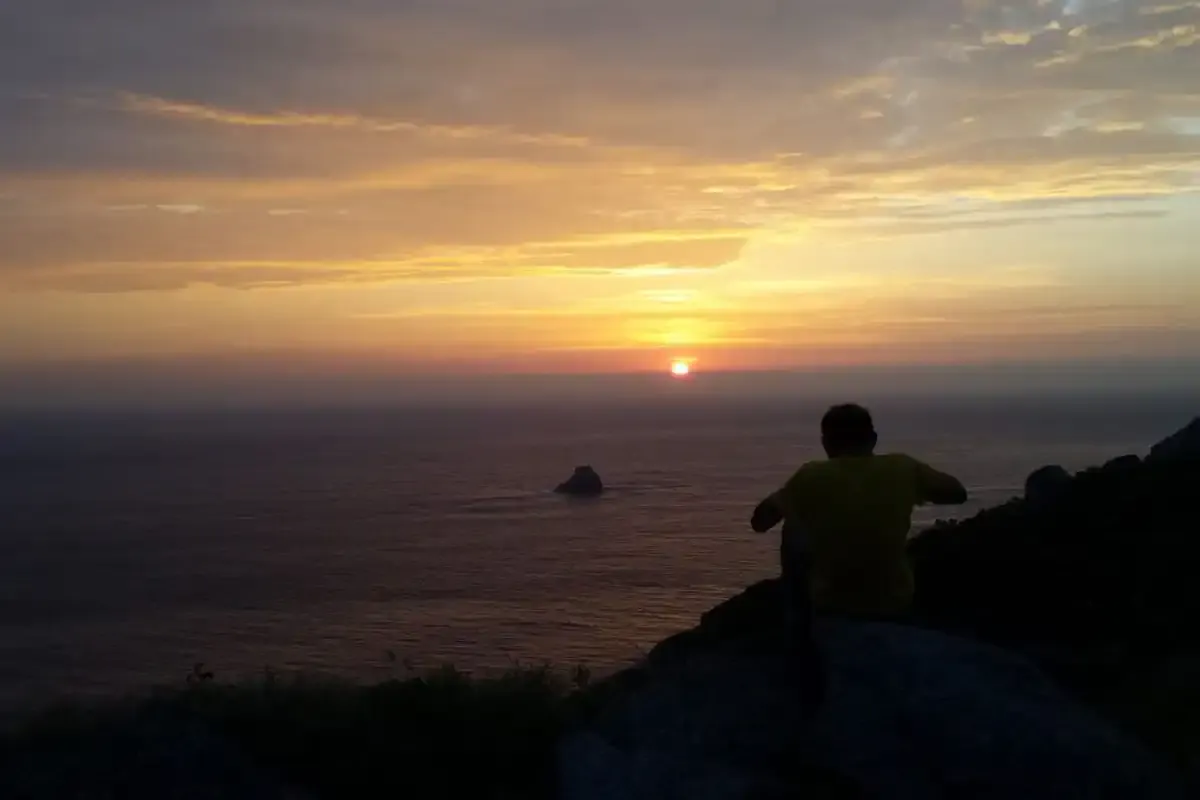
Sunset in Finisterre
From Fisterra to Ribadeo: through the Rías Altas
After reaching the Fisterra lighthouse and breathing in the famous “end of the world”, you can continue north. This section isn’t an official Camino, but for a motorhome route through Galicia it’s a true gem: wild cliffs, peaceful estuaries, endless beaches and fishing villages where nobody seems to be in a hurry. Some must-see stops include:
- Malpica and northern Costa da Morte: dramatic cliffs, shipwreck cemeteries, and hidden coves where the sense of freedom is total.
- A Coruña: perfect for a few hours or a full day. Tower of Hercules, seafront promenade, urban beaches and good camper areas.
- Ferrol and its coast: huge beaches like Doniños or San Xurxo, panoramic roads and a surfer vibe. Ideal for sleeping to the sound of the sea.
- Herbeira Cliffs and Serra da Capelada: some of the highest cliffs in Europe and a magical site, San Andrés de Teixido.
- Ortigueira and Estaca de Bares: serene estuary, tiny villages and the northernmost point of Spain, with unforgettable sunsets.
- Viveiro: the perfect combination of historic town, vast beaches and green hills embracing the estuary.
- Foz and Burela: genuine fishing villages, great seafood, wide beaches and smooth coastal roads.
- Ribadeo and the Beach of the Cathedrals: a spectacular end to the route. The natural arches are a must—try to visit at low tide.
And if the coast leaves you wanting more, it’s time for part two: following the Camino de Santiago by motorhome.
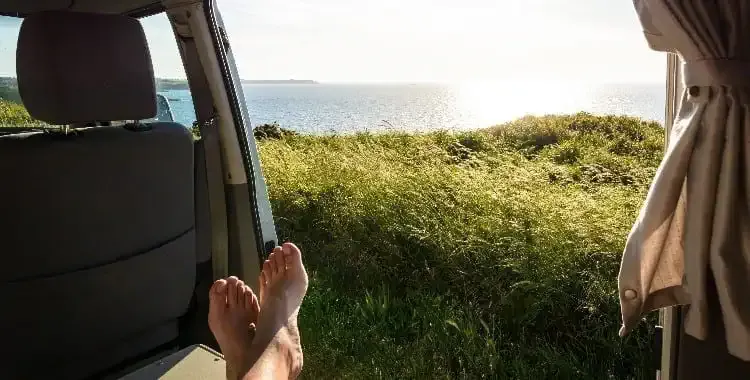
Parking and spending the night wherever you wish is a luxury
The Camino de Santiago by motorhome: experiencing it without a backpack
The first question that usually comes up is simple: “Can you do the Camino de Santiago by motorhome?” Not exactly. You can follow it, accompany it and live it your own way. A motorhome allows you to travel on parallel roads, sleep near the stages, stroll through the same villages and end your days in the same squares where pilgrims arrive limping but smiling. You move forward in parallel. They on foot, you with your home on wheels. And although the rhythm is different, the essence is similar: the journey matters more than the destination. It’s not about following yellow arrows behind a wheel, but about accompanying the Camino, respecting it and soaking in its atmosphere. You won’t earn the Compostela, but you’ll gain something else: nights in motorhome areas where every vehicle holds a story.
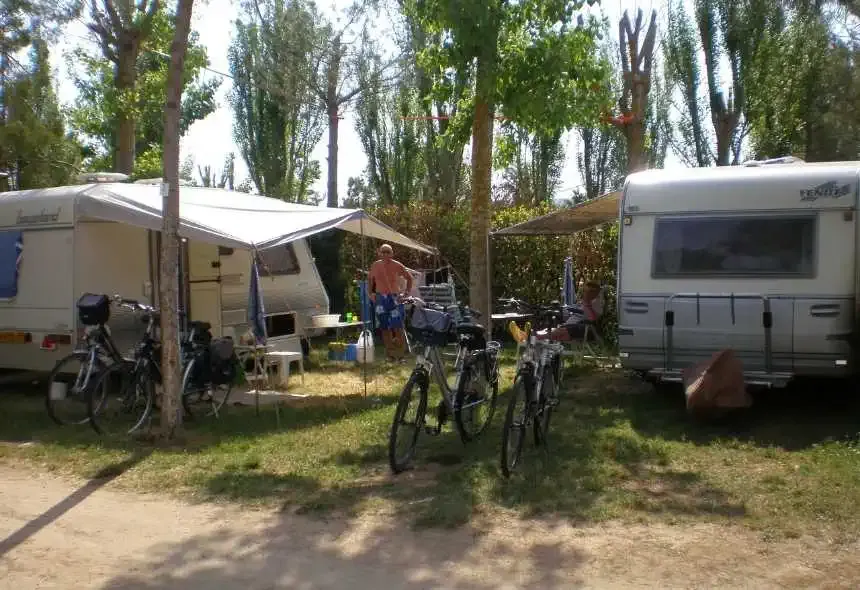
Even if you travel by motorhome, you can still share moments with pilgrims
There are many Jacobean routes you can partially follow by motorhome or camper:
- French Way: enters Galicia through O Cebreiro, a mountain village that smells of damp stone and tradition.
- Portuguese Way: perfect for discovering inland Portugal and Galicia at the same time.
- Portuguese Coastal Way: ideal if you want to combine coastline and Jacobean tradition.
- English Way: shorter, starting from Ferrol or A Coruña, perfect for quick motorhome routes.
- Northern Way: ideal if you want to include Ribadeo, the Beach of the Cathedrals and the entire Cantabrian coast of Galicia.
- Primitive Way: enters Galicia through A Fonsagrada and continues to Lugo; a mountain route, beautiful and very authentic.
- Fisterra and Muxía Way: the natural extension from Santiago to the coast; perfect to end your journey with lighthouses, ocean and epic sunsets.
- Sanabrés Way: ideal for discovering the province of Ourense and its thermal culture.
- Winter Way: landscapes of vineyards and peaceful routes to enjoy slowly.
Practical tips: areas, rules and routines that help
Travelling by motorhome through Galicia isn’t just about landscapes. You also need to embrace the logistics: emptying tanks, filling water, planning where to sleep. It’s part of the journey, and here are some helpful tips:
- Overnight regulations: parking is not camping. If you set up tables or awnings, you are no longer simply parked.
- Motorhome areas: municipal or private, Galicia has a solid network.
- Campsites: alternate between motorhome areas and campsites for extra comfort days.
- Camper rentals: if you don’t own a vehicle, peer-to-peer rental platforms are a great option.
- Best season: spring and autumn. Summer is beautiful but more crowded.
- Travelling with children: turn the motorhome into a little fortress. Give them responsibilities. They feel like part of the adventure.
- Check your vehicle: as with any trip, make sure your motorhome is in good condition before starting.
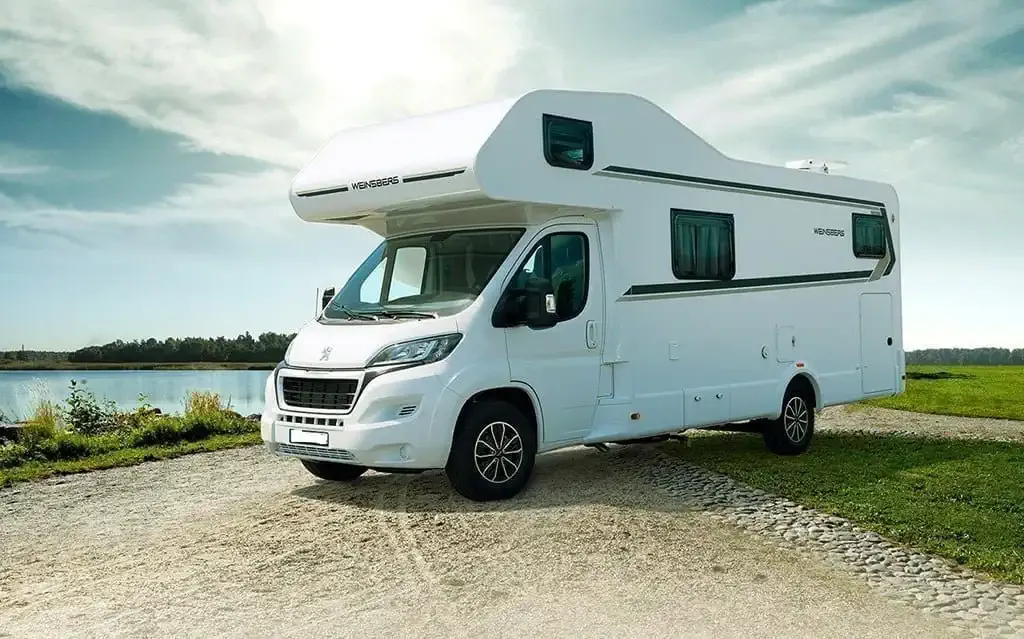
Take your motorhome to your trusted mechanic for a check-up before travelling
In the end, everything comes down to a choice: continue travelling as always or try letting the road become your home. Galicia, with its lighthouses and forests, is perfect for that. You can choose the fast trip: hotel, organised excursions, photos to show. Or you can treat yourself to waking up several days in a row with the same quiet thought: “I don’t know where I’ll sleep tonight either, but I know it will be worth it.” If you’ve ever felt tempted by a motorhome route through Galicia, this is the moment. And if you don’t have your own motorhome, motorhome rental in Galicia is an option you definitely shouldn’t overlook if you want to truly discover this land and its most iconic places. It’s not about seeing everything. It’s about travelling the way you want to travel. If, when you close the door at night with the sound of the sea or the rain, you feel you’ve chosen well, then that’s it. That will be your own little Camino.
Comments (1)
Emerson Mora
Leave a comment