


What to see and do in Deba
Information
Deba in Basque, or Deva in Spanish, is a coastal town in Gipuzkoa on the Northern Way, located at the mouth of the river Deva. Its highlights are the beach of Santiago de Deva and its promenade, the flysch rock formations of the tidal shelf, the 18th-century Baroque Casa Consistorial, and the Ekain cave, with its Magdalenian rock art.
A little history
Important prehistoric remains are preserved, among them the cave of Ekain and its cave paintings belonging to the Magdalenian period. Not much data has been preserved from the Roman occupation, but it is known that the area suffered a great occupation by this civilization. In more modern times it has been a highlight in such important events in contemporary history as the Civil War.
Would you like to walk this part of the Camino with your accommodation booked for every stage? These organised trips pass through Deba: Northern Way from Irún to Bilbao.
What to see in Deba
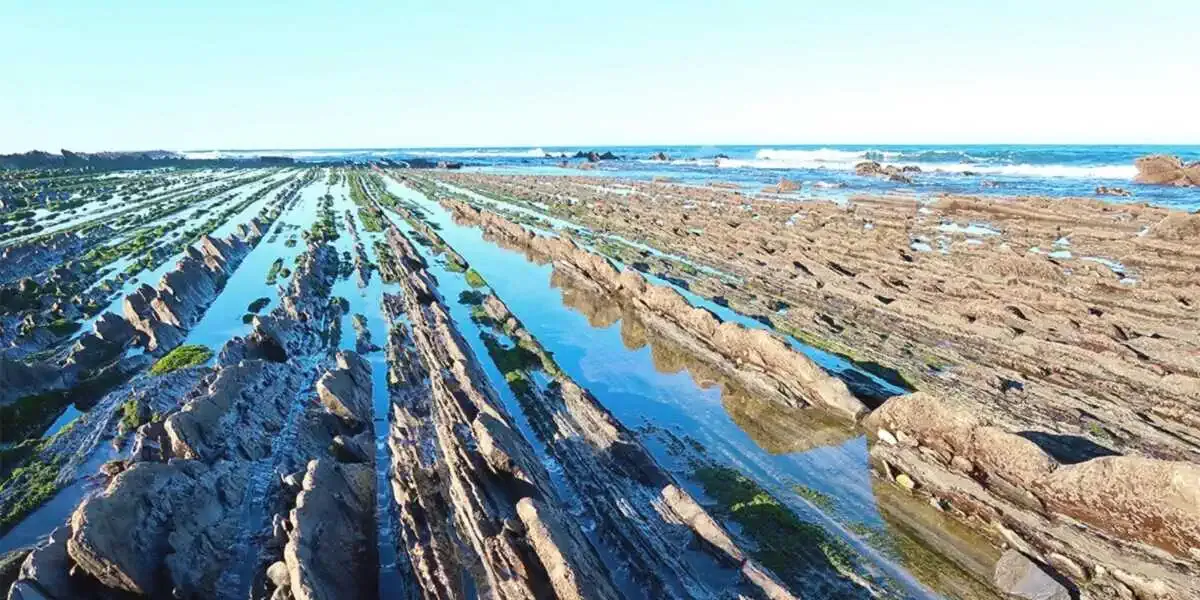
Tidal platform
This is a part of the Basque coast that includes the territory between the municipalities of Deba and Zumaia, standing out for its characteristic coastal formations known as flysch.
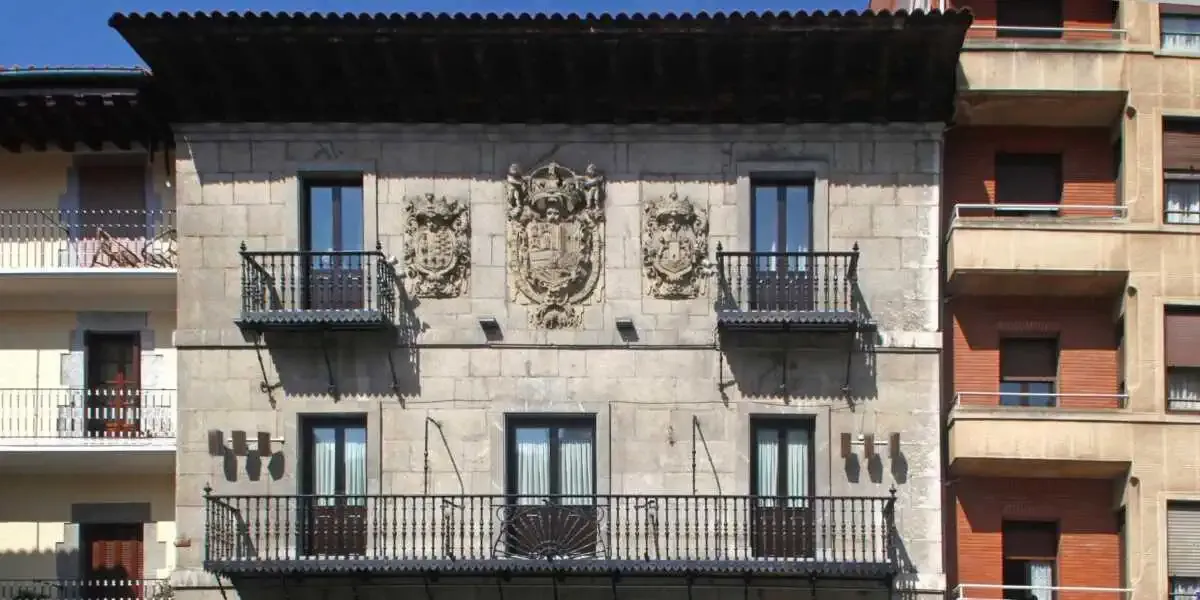
Town Hall
A Baroque style building dating from the 18th century, which currently serves as the city's municipal headquarters.
Covered promenade and market
These two constructions are part of a complex built in the 20th century, which was declared a Site of Cultural Interest in 1995.
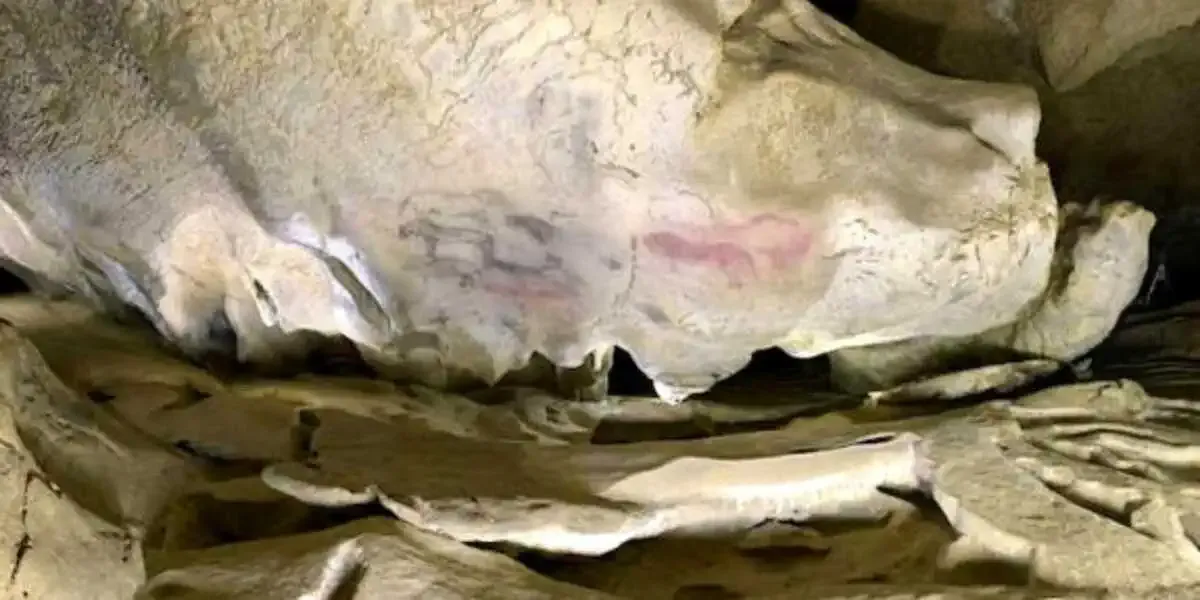
Ekain Cave
Among other Palaeolithic caves that bear witness to human activity in the Cantabrian area, the Ekain cave is a highlight. Located in the municipality, it houses excellent examples of cave art from the Magdalenian period.
Map of Deba
Map of Deba