


The Camino de Santiago from Burgos, the heart of the meseta and its endless horizon. 181 kilometres through Hornillos, Castrojeriz, Frómista, Carrión de los Condes and Sahagún to León, among wheat fields, Romanesque churches and the calm of the most pilgrim Castile.
We take care of everything so you only walk: accommodation, your pilgrim's credential, full documentation and travel insurance, from 399 €. The meseta is long and flat: adding the daily luggage transfer makes it far easier going.
Viajes Camino de Santiago® organises the French Way from Burgos to León.
Services
Included in all our routes
- Accommodation
10 days / 9 nights
- Complete documentation (Dossier and material for the Camino)
- On-the-road emergency telephone assistance
- Pilgrim's Credential
- Travel insurance
Optional
- Extra night
- Luggage transfer during the stages. (1 piece per person max 15 kgs)
- Supplement for single room
- Breakfast
- MP (Breakfast and dinner)
- Cancellation Insurance
Accommodations
- Most popular
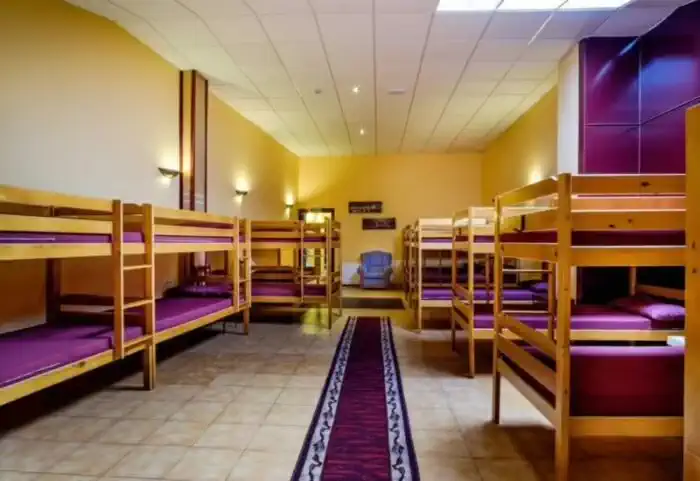
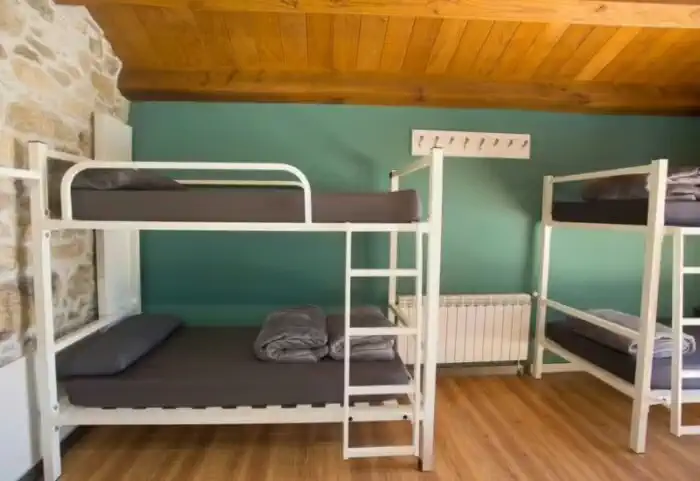
Basic accommodation (Private hostels)
399 €
The most authentic accommodation on the Camino. Hostels are the ideal option for those traveling on a tight budget, solo pilgrims, or anyone who wants to experience the Camino de Santiago in its purest form. They are the perfect place to socialize, share stages, and connect with fellow walkers along this ancient route.
- Most popular
Private comfort (Guesthouses, rural houses and small hotels)
598 €
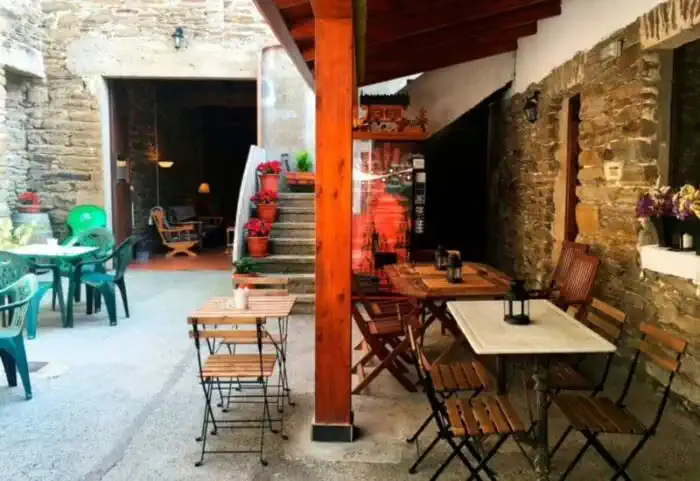
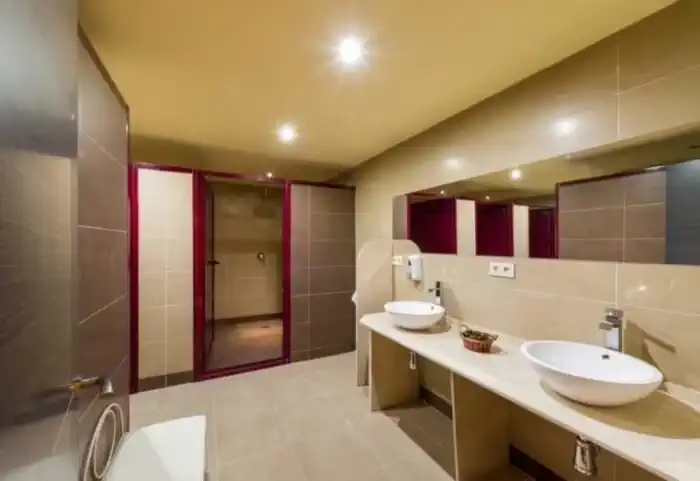
The perfect balance between charm and comfort. Guesthouses, B&Bs and country houses await you in the villages along the Camino with private rooms, private bathrooms, TV, and daily cleaning service. Simple and welcoming, they are the ideal place to truly rest and enjoy the peaceful rural essence that only the Camino can offer.
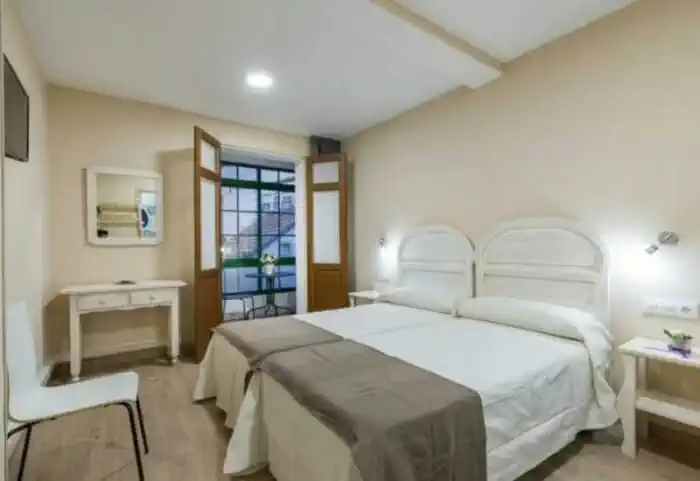
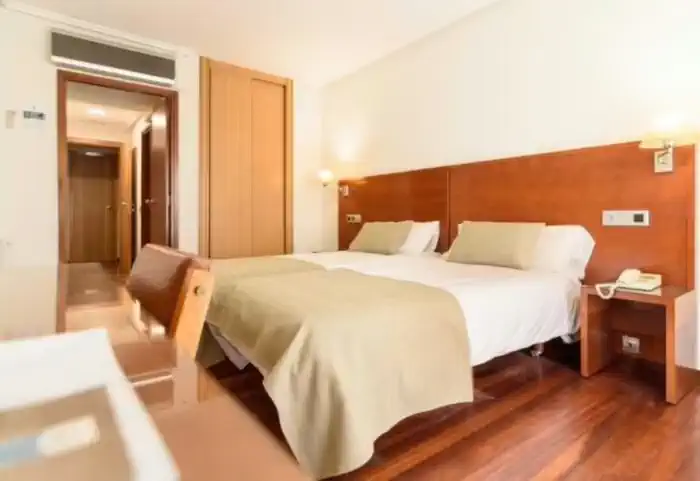
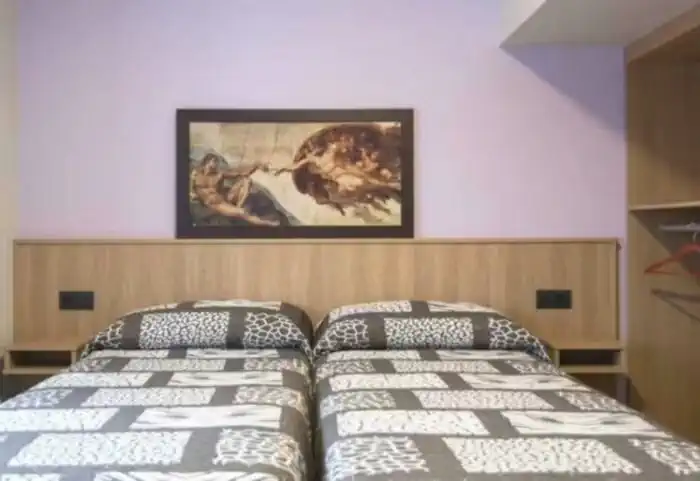
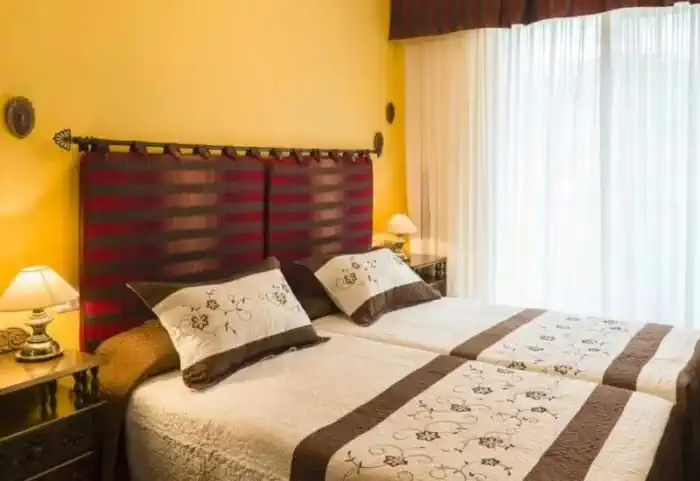
Photos


Map of the French Way from Burgos to León
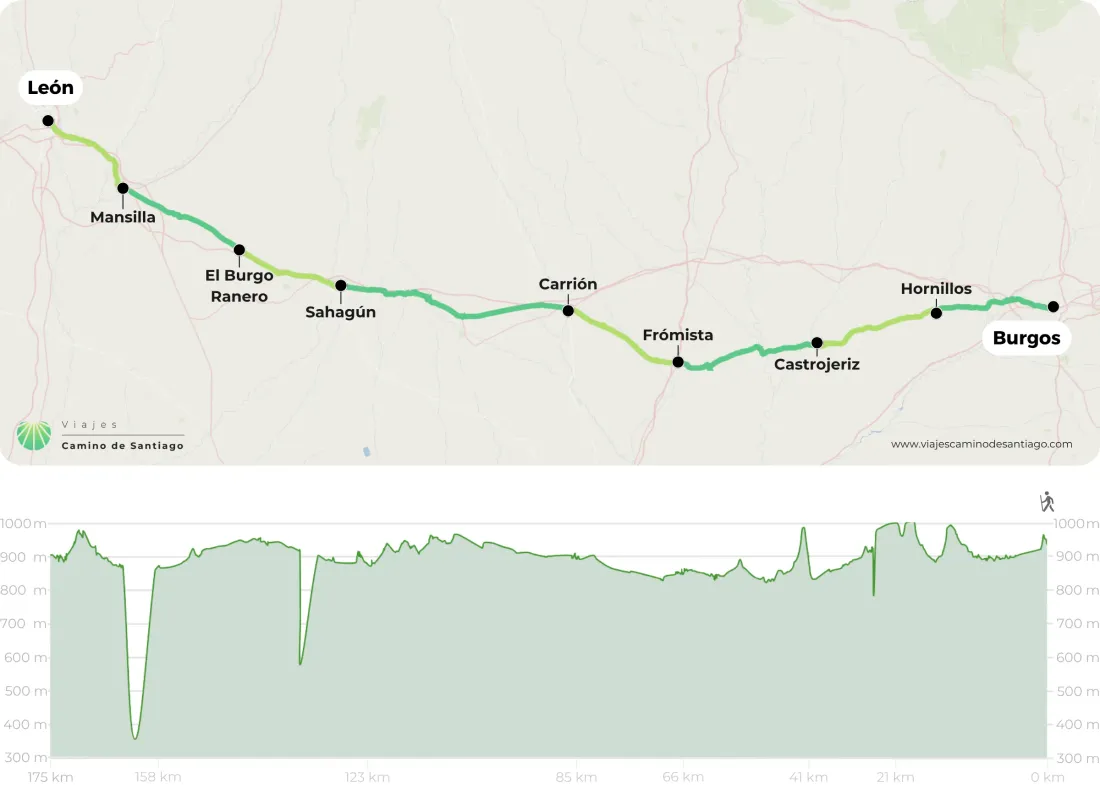
Stages
- day 1
Arrival at Burgos
- day 2
Stage 1. Burgos - Hornillos del Camino (21 km)
Set off early from Burgos to avoid the blazing sun of the meseta. You leave the cathedral behind, pass by the Monasterio de las Huelgas and cross Tardajos and Rabé de las Calzadas —"from Rabé to Tardajos, you won't be short of hard work"—. Then nine kilometres through shadeless grain fields to Hornillos del Camino, a one-street village crowned by its church, with a gorgeous golden sunset. Carry plenty of water.
- day 3
Stage 2. Hornillos del Camino - Castrojeriz (19.9 km)
Another day across the golden sea of the meseta, through grain fields with almost no shade. From Hornillos you reach Hontanas, hidden from view until the last moment, and the evocative ruins of the Convento de San Antón, with its arches spanning the Camino. The day ends in Castrojeriz, at the foot of its castle, where sunset turns the fields to gold. Carry water and sun protection.
- day 4
Stage 3. Castrojeriz - Frómista (24.7 km)
Right after leaving Castrojeriz you face the day's challenge: the steep climb to the Alto de Mostelares, with an immense view of the meseta from the top. Then flat terrain to the Fitero bridge over the Pisuerga, an old border between Castile and Aragón. Between Itero de la Vega and Boadilla, with barely any shade, you reach Frómista, beside the historic Canal de Castilla.
- day 5
Stage 4. Frómista - Carrión de los Condes (18.8 km)
A comfortable, short stage, running almost the whole way alongside the road and the canal. From Frómista you pass through Población de Campos and Revenga —with its coats-of-arms houses where Charles V once slept— to Villalcázar de Sirga, with its spectacular Templar church of Santa María la Blanca. One last flat stretch leaves you in Carrión de los Condes, rich in heritage and services.
- day 6
Stage 5. Carrión de los Condes - Sahagún (37 km)
The plains and grain fields remain the stars of the show. Watch out, because today you face the longest stretch of the Camino without services: prepare water and food before setting off. You pass through pilgrim villages like Calzadilla de la Cueza, Ledigos and Terradillos de los Templarios, their adobe dovecotes and Mudéjar architecture enlivening the way to Sahagún.
- day 7
Stage 6. Sahagún - El Burgo Ranero (23.2 km)
Before leaving Sahagún, the halfway point of the Camino Francés, you can pick up the Carta Peregrina, the "half Compostela" certifying you've already covered half the way, and take in its rich Mudéjar heritage (San Lorenzo, San Tirso). You cross the Cea over the Canto bridge and, along the path running parallel to the N-120, reach Bercianos del Real Camino. A final straight stretch across the plateau brings you to El Burgo Ranero, the end of the stage.
- day 8
Stage 7. El Burgo Ranero - Mansilla de las Mulas (18 km)
A flat, simple stage of barely 18 kilometres. After a good stretch across the straight meseta you'll find a wooded area, perfect for a rest in the shade. Shortly after you reach Reliegos and, with no chance of getting lost, Mansilla de las Mulas, a walled town on the banks of the Esla and the last stop before León.
- day 9
Stage 8. Mansilla de las Mulas - León (18.5 km)
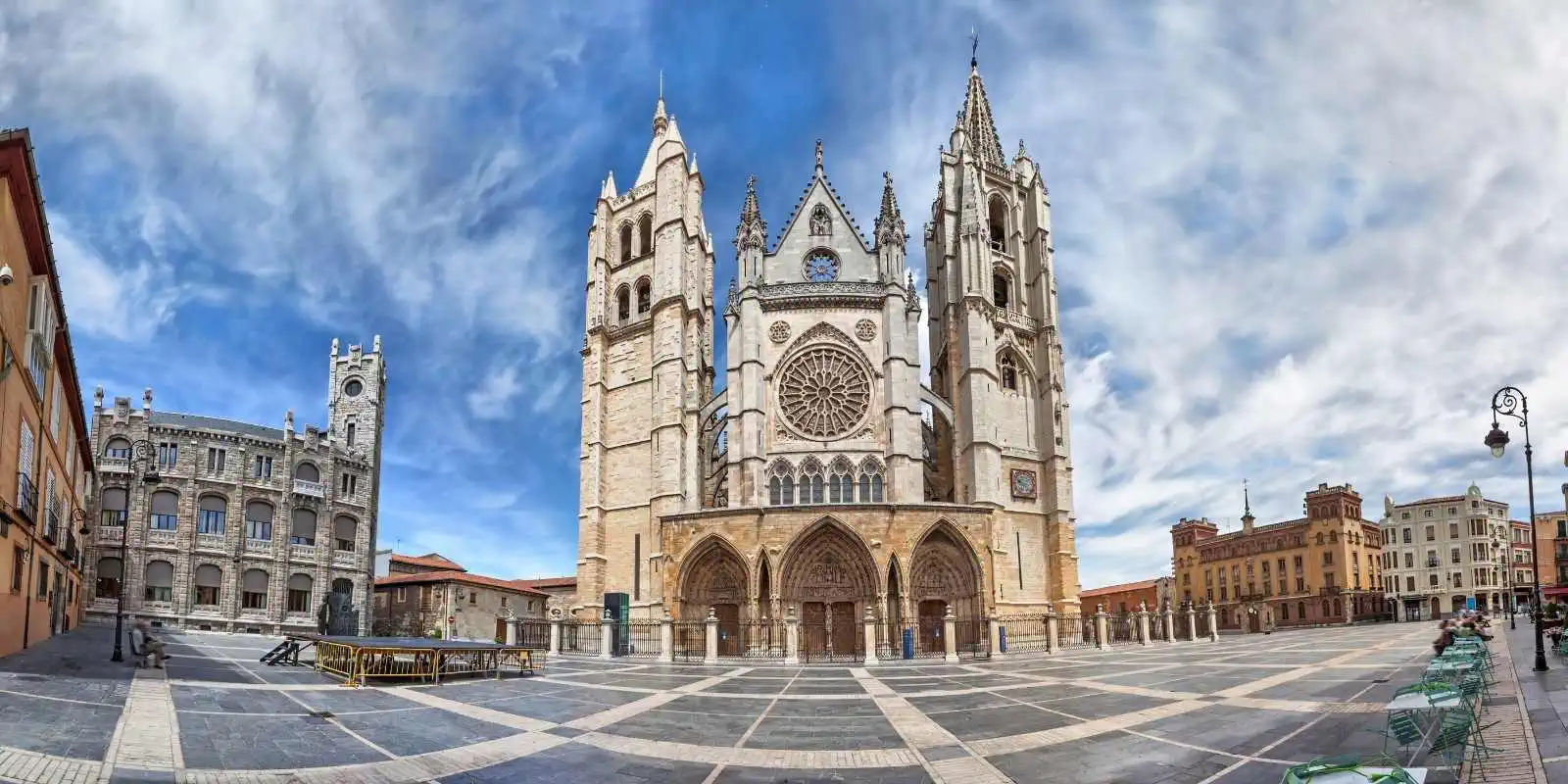
A short stage with little scenery: from Mansilla de las Mulas you pass through Puente Villarente, over the river Porma, and climb to the Alto del Portillo, where the city comes into view. The last stretch through industrial areas and traffic feels long, but the destination is worth it. León is one of the great cities of the Camino. Its Gothic cathedral, with 1,800 square metres of stained glass, leaves everyone speechless; nearby stand the Basílica de San Isidoro with its Romanesque frescoes, and Gaudí's Casa Botines. As evening falls, it's time for the Barrio Húmedo, where every glass of wine still comes with a free tapa.
- day 10
End of the trip
After your last night, you check out of your accommodation and your trip comes to an end.
Related Trips
 7 days / 6 nights
 8 days / 7 nights
 9 days / 8 nights
 34 days / 33 nights
French Way from Roncesvalles to Santiago de Compostela
32 Stages 745 Kms
From 1099 €Explore this Camino 8 days / 7 nights
 12 days / 11 nights
Frequently Asked Questions
-
Is the French Way of Santiago difficult?
The French Way of Santiago is the most popular and traveled route of the Camino, but its difficulty level can vary depending on the section and the pilgrim's preparation. While the total route covers approximately 768 kilometers from Saint-Jean-Pied-de-Port in France to Santiago de Compostela, it is divided into stages that allow the journey to be adapted to each person's abilities. Here are the main factors that determine its difficulty:- Elevations and terrain: The early stages, particularly the crossing of the Pyrenees from Saint-Jean-Pied-de-Port to Roncesvalles, are among the most challenging, with significant elevation changes and mountainous terrain. However, other sections, such as the Meseta of Castile, are much flatter and more accessible.
- Climate: The weather can greatly impact the difficulty. In summer, the heat in the Meseta can be exhausting, while in spring and autumn, rain and mud can complicate the journey. In winter, some mountainous stages can be tougher due to snow.
- Duration: The duration of the Camino is another factor. Completing the full route can take between 30 and 35 days, requiring good physical stamina. However, many pilgrims choose to walk only the final stages, especially from Sarria, covering the last 100 kilometers in about 5 days.
Based on the pilgrim's experience, we can recommend the following sections:- For experienced pilgrims: They will find a challenge in mountainous stages like the Pyrenees or the ascent to O Cebreiro, but will be rewarded with breathtaking scenery.
- For beginners: While the full Camino may be demanding, it's possible to walk only more accessible sections, such as the last 100 kilometers from Sarria, without facing major difficulties.
-
What are the toughest stages of the French Way?
Throughout all the routes and stages of the Camino de Santiago, there is abundant beauty, nature, and heritage. However, these come amidst dozens of kilometers, with some sections and stages being easier to traverse and others more challenging. The latter are often characterized by significant elevation changes and, at times, long uphill stretches. Below, we’ll inform you about the most talked-about stages and climbs due to their physical demands on the French Way. For many, these are considered some of the toughest stages of the Camino de Santiago.- Saint-Jean-Pied-de-Port – Collado Lepoeder
- Cizur Menor – Alto del Perdón
- Hospital – O Cebreiro
- Boente – Arzúa
-
Does the French Way from Burgos to León qualify for the Compostela?
Not on its own. The Pilgrim's Office requires you to walk the last 100 km to Santiago, and this trip ends in León. Even so, get your pilgrim passport stamped at every stage: you can use it to carry on another year from León, with our León–O Cebreiro and O Cebreiro–Santiago sections, and get your Compostela when you reach the cathedral. And in Sahagún, halfway along, you can collect the Carta Peregrina.
-
What should I carry to walk across the meseta from Burgos to León?
Plenty of water, sun protection and a cap. Between Burgos and León there are long stretches of cereal fields with almost no shade, especially on the first stages, to Hornillos del Camino, Castrojeriz and Frómista. Set off early to avoid the hottest hours, particularly in summer. And since the meseta feels long, daily luggage transfer, which you can add as an optional extra, helps a lot.
-
Is the climb to the Alto de Mostelares hard?
It is the challenge of the Castrojeriz–Frómista stage, about 25 km, and almost the only tough climb between Burgos and León. It starts right after leaving Castrojeriz: just over a kilometre of steep slope with about 140 metres of elevation gain. At the top a vast view of the meseta awaits you. After that it is all flat: you cross the Pisuerga on the Fitero bridge and, between Itero de la Vega and Boadilla, with little shade, reach Frómista beside the Canal de Castilla.
-
What is there to see in Frómista and Villalcázar de Sirga?
In Frómista, the Romanesque church of San Martín de Tours, founded around 1066, and the church of Santa María del Castillo, home to Vestigia, Leyenda del Camino, an exhibition devoted to the stories and legends of the Camino. The next day, on the way to Carrión de los Condes, you pass through Villalcázar de Sirga and its spectacular Templar church of Santa María la Blanca. That stage is short and easy, so you can take your time.
-
How should I prepare for the 37 km stage from Carrión de los Condes to Sahagún?
It is the longest stage of this trip and has the longest stretch without services on the Camino: the first 17 km, from Carrión de los Condes to Calzadilla de la Cueza, with no villages or fountains. Leave early, carrying enough water and food. The terrain is flat, among cereal fields, and later you pass through Ledigos and Terradillos de los Templarios, with adobe dovecotes and Mudéjar architecture. Sahagún welcomes you with all services.
-
What is the Carta Peregrina of Sahagún?
It is the so-called "half Compostela": a document certifying that you have reached the middle of the French Way. You collect it in Sahagún, at the Santuario de la Virgen Peregrina, by showing your stamped pilgrim passport. While you're there, visit the Mudéjar churches of San Lorenzo and San Tirso and the Royal Monastery of San Benito.
From Burgos to León
From 399 €

Reviews
Rubén Fuentes
Adrigh
María Sanchez
Luis Romero
Beatriz Romero García
Alejandro Ruiz Martín
Cristina López Navarro
Marcos Hernández Rubio
Fernando Castro Vázquez
David Ruiz