


The Camino de Santiago from Logroño, between Rioja vineyards and the Castilian meseta. 121 kilometres through Nájera, Santo Domingo de la Calzada and Belorado to Burgos, with monasteries, medieval causeways and the legend of the cock and hen in the air.
You walk; we handle the logistics: accommodation every night, your pilgrim's credential, full documentation and travel insurance, from 229 €. Rioja's vineyards are better walked without weight: you can add the daily luggage transfer.
The French Way from Logroño to Burgos is a trip organised by Viajes Camino de Santiago®.
Services
Included in all our routes
- Accommodation
7 days / 6 nights
- 7 days / 6 nights accommodation
- Complete documentation (Dossier and material for the Camino)
- On-the-road emergency telephone assistance
- Pilgrim's Credential
- Travel insurance
Optional
- Extra night
- Luggage transfer during the stages. (1 piece per person max 15 kgs)
- Supplement for single room
- Breakfast
- MP (Breakfast and dinner)
- Cancellation Insurance
Accommodations
- Most popular
Basic accommodation (Private hostels)
229 €
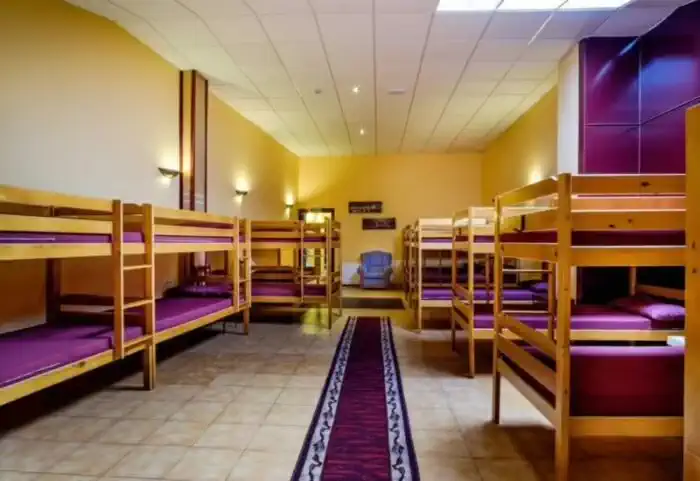
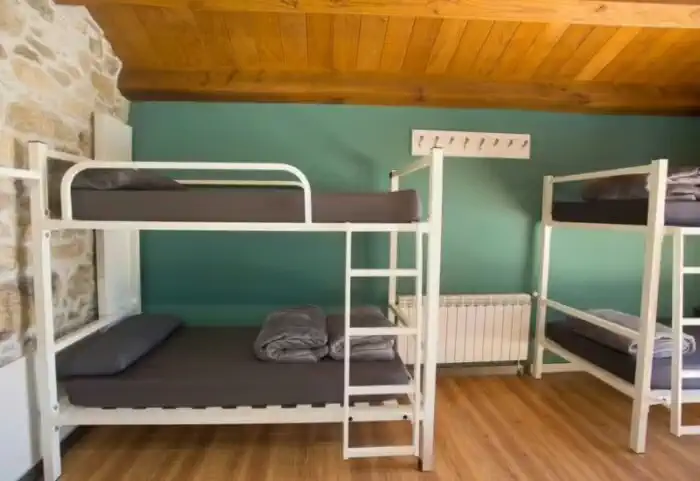
The most authentic accommodation on the Camino. Hostels are the ideal option for those traveling on a tight budget, solo pilgrims, or anyone who wants to experience the Camino de Santiago in its purest form. They are the perfect place to socialize, share stages, and connect with fellow walkers along this ancient route.
- Most popular
Private comfort (Guesthouses, rural houses and small hotels)
515 €
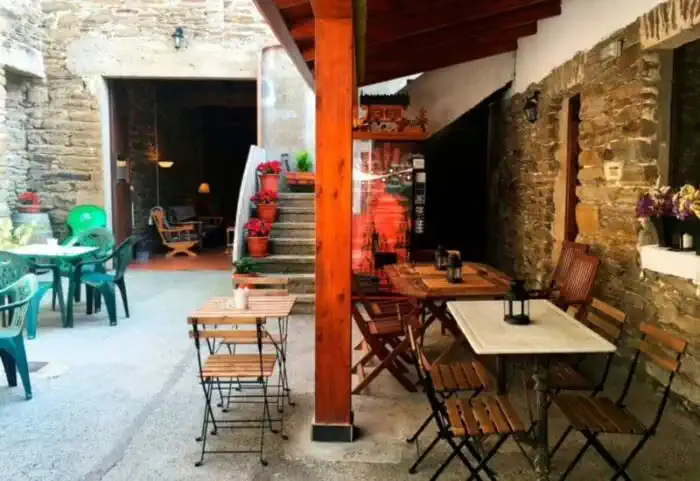
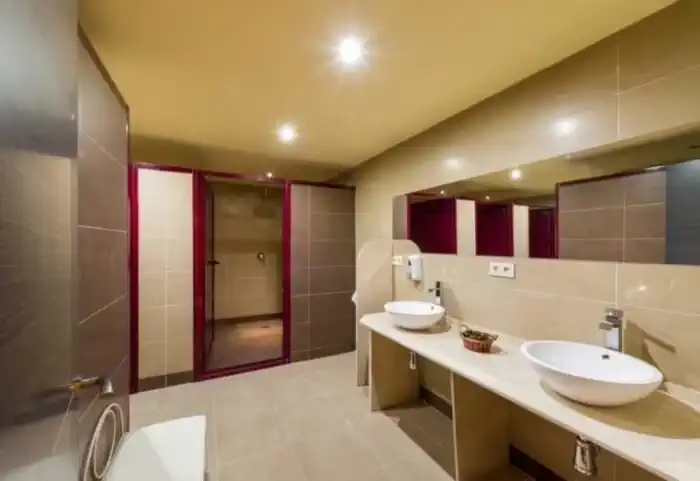
The perfect balance between charm and comfort. Guesthouses, B&Bs and country houses await you in the villages along the Camino with private rooms, private bathrooms, TV, and daily cleaning service. Simple and welcoming, they are the ideal place to truly rest and enjoy the peaceful rural essence that only the Camino can offer.
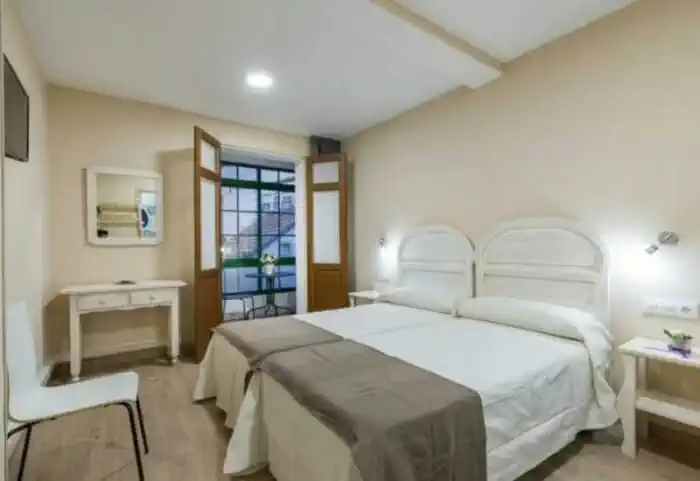
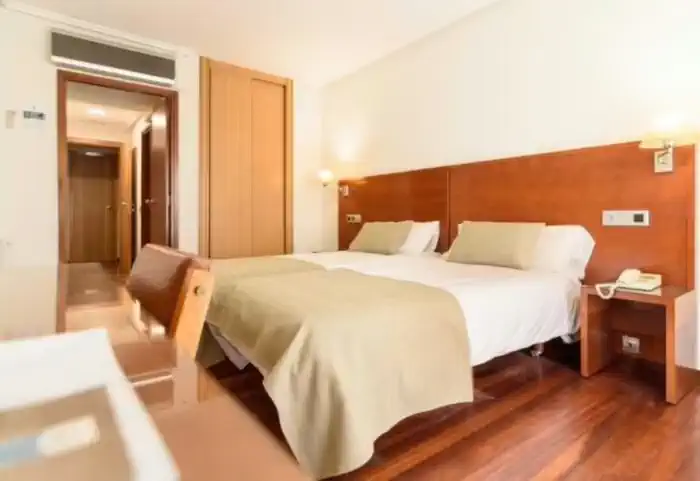
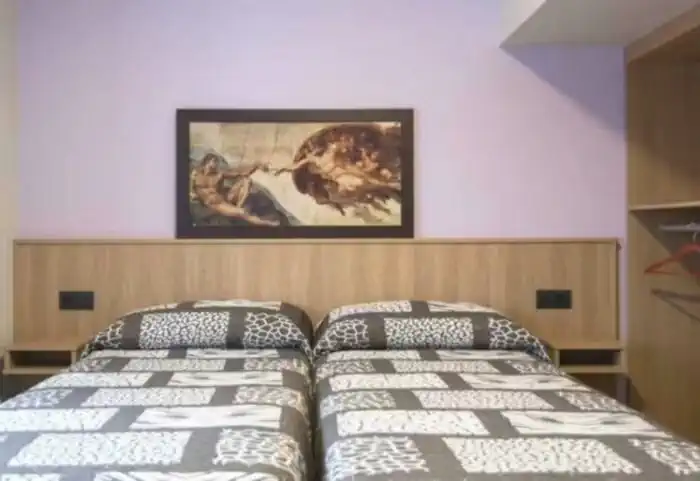
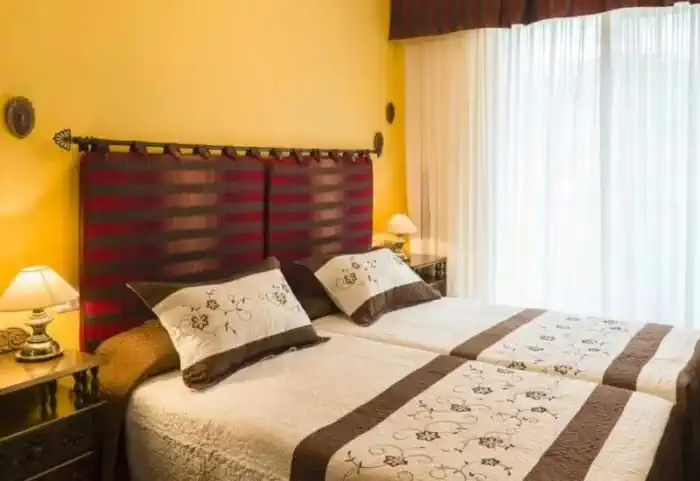
Photos


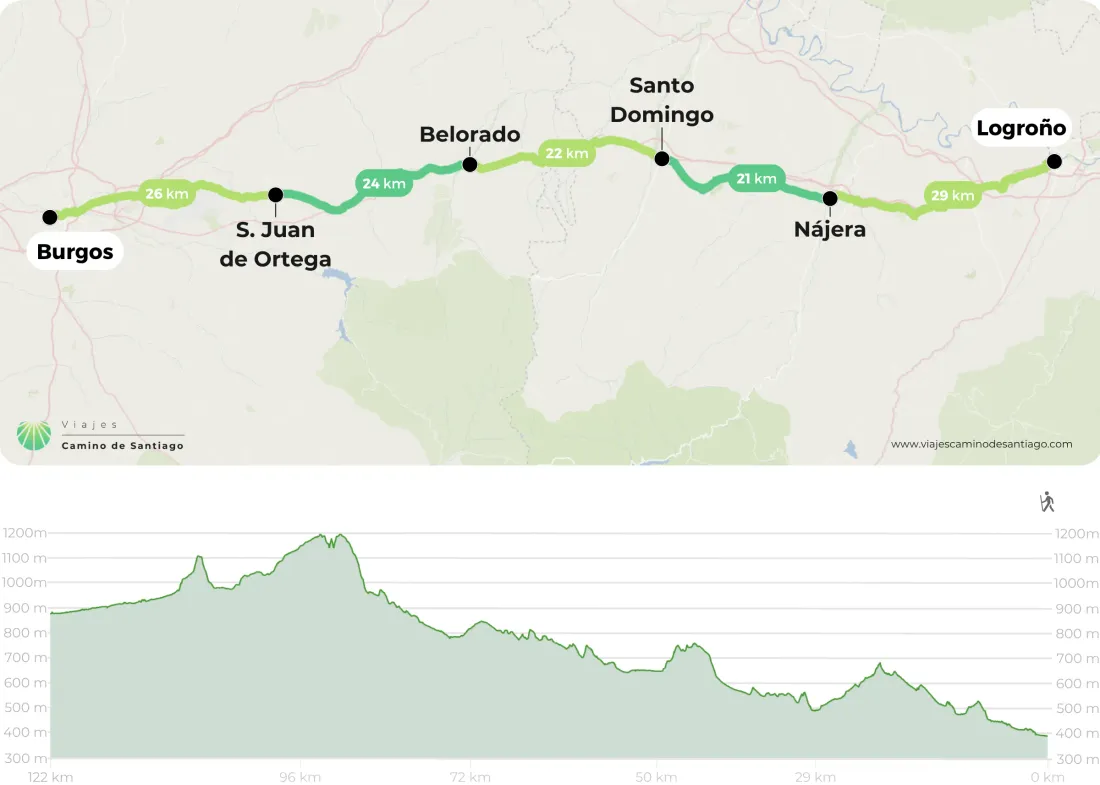
Map of the French Way from Logroño to Burgos
Stages
- day 1
Arrival at Logroño
- day 2
Stage 1. Logroño - Nájera (29 km)
You leave Logroño through Plaza de Santiago and soon enter the lovely Parque de la Grajera, by the reservoir, among squirrels and swans. You climb the Alto de la Grajera —with its Osborne bull— and reach Navarrete, once a border of the kingdom. Between vineyards and the legendary Poyo de Roldán, you descend to the Najerilla river and the historic town of Nájera.
- day 3
Stage 2. Nájera - Santo Domingo de la Calzada (20.7 km)
You leave Nájera and its monastery of Santa María la Real and cross Azofra —stock up, since kilometres without services lie ahead. You can detour to the monasteries of Suso and Yuso in San Millán de la Cogolla, cradle of the Spanish language and a World Heritage Site. Through fields of grain you reach Santo Domingo de la Calzada, home of the famous legend of the rooster and the hen.
- day 4
Stage 3. Santo Domingo de la Calzada - Belorado (22 km)
Set off early from Santo Domingo de la Calzada, crossing the Oja river. You pass through Grañón, the last village in La Rioja, and cross into Castilla y León, which will keep you company for the next two weeks. Through fields of grain and poplars along the streams, you cross Redecilla del Camino, Viloria de Rioja —birthplace of Santo Domingo— and the curious Villamayor del Río, the "village of the three lies," on to Belorado.
- day 5
Stage 4. Belorado - San Juan de Ortega (23.9 km)
From Belorado you advance through villages like Tosantos, with its hermitage carved into the rock, to Villafranca Montes de Oca. There the day changes: the dreaded crossing of the Montes de Oca awaits, once a refuge for bandits, climbing to the Alto de la Pedraja through oak groves. After a long descent you reach San Juan de Ortega and its monastery.
- day 6
Stage 5. San Juan de Ortega - Burgos (25.8 km)
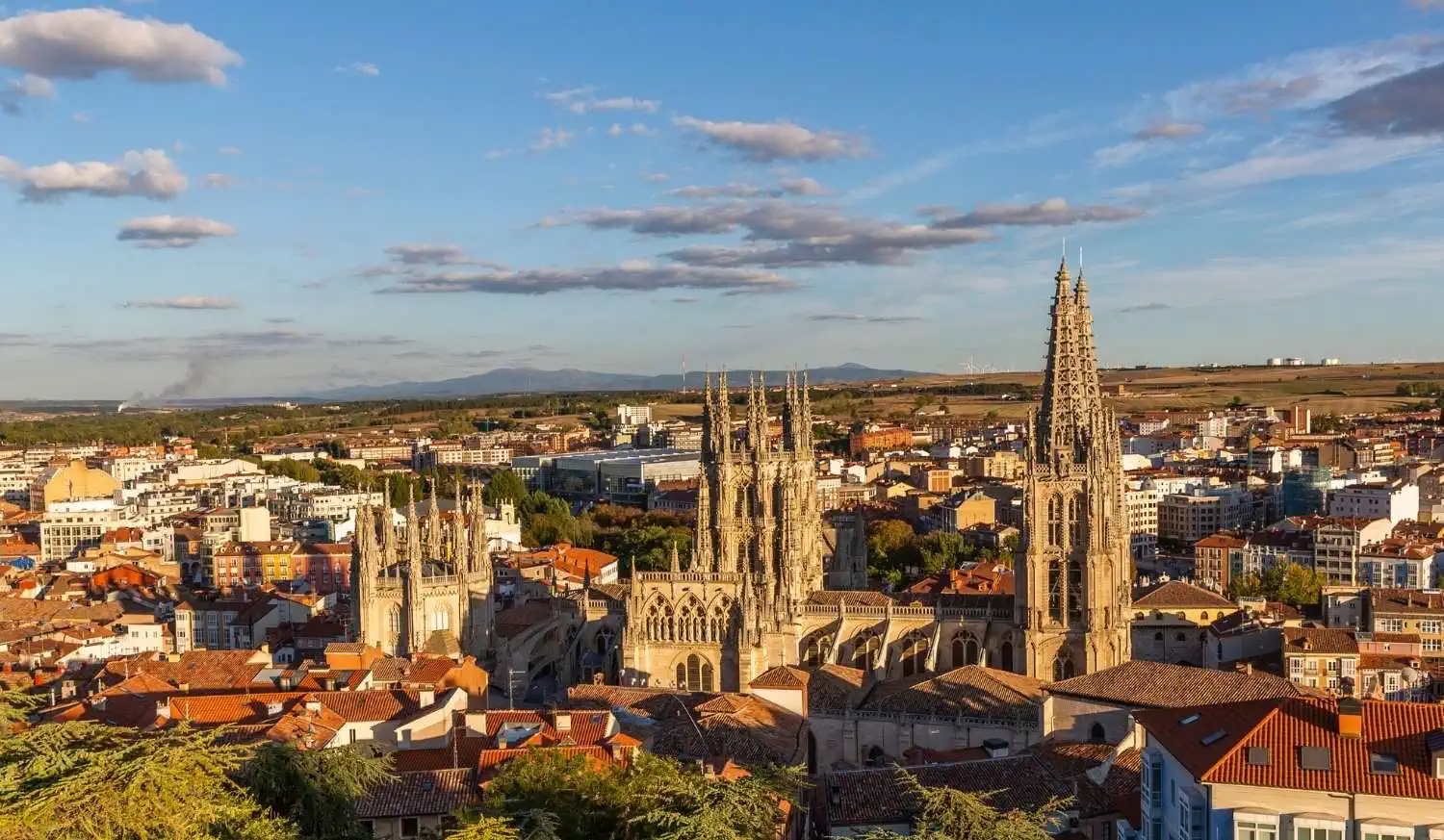
You leave San Juan de Ortega among oak and pine woods towards Agés and Atapuerca, home of the famous archaeological sites, and cross the sierra by the Matagrande cross, with Burgos already in sight. The way into the city crosses a long industrial area: the variant through Castañares, by the river, is more pleasant. Burgos boasts one of the most impressive Gothic cathedrals in Europe, a UNESCO World Heritage Site, which holds the tomb of El Cid. The Paseo del Espolón along the Arlanzón river, the Arco de Santa María and the Museum of Human Evolution, with the finds from Atapuerca, complete the visit. And for dinner, morcilla.
- day 7
End of the trip
After your last night, you check out of your accommodation and your trip comes to an end.
Related Trips
 7 days / 6 nights
 8 days / 7 nights
 6 days / 5 nights
Frequently Asked Questions
-
Is the French Way of Santiago difficult?
The French Way of Santiago is the most popular and traveled route of the Camino, but its difficulty level can vary depending on the section and the pilgrim's preparation. While the total route covers approximately 768 kilometers from Saint-Jean-Pied-de-Port in France to Santiago de Compostela, it is divided into stages that allow the journey to be adapted to each person's abilities. Here are the main factors that determine its difficulty:- Elevations and terrain: The early stages, particularly the crossing of the Pyrenees from Saint-Jean-Pied-de-Port to Roncesvalles, are among the most challenging, with significant elevation changes and mountainous terrain. However, other sections, such as the Meseta of Castile, are much flatter and more accessible.
- Climate: The weather can greatly impact the difficulty. In summer, the heat in the Meseta can be exhausting, while in spring and autumn, rain and mud can complicate the journey. In winter, some mountainous stages can be tougher due to snow.
- Duration: The duration of the Camino is another factor. Completing the full route can take between 30 and 35 days, requiring good physical stamina. However, many pilgrims choose to walk only the final stages, especially from Sarria, covering the last 100 kilometers in about 5 days.
Based on the pilgrim's experience, we can recommend the following sections:- For experienced pilgrims: They will find a challenge in mountainous stages like the Pyrenees or the ascent to O Cebreiro, but will be rewarded with breathtaking scenery.
- For beginners: While the full Camino may be demanding, it's possible to walk only more accessible sections, such as the last 100 kilometers from Sarria, without facing major difficulties.
-
Does the French Way from Logroño to Burgos qualify for the Compostela?
Not on its own. The Pilgrim's Office requires you to walk the last 100 km to Santiago, and this trip ends in Burgos. Get your pilgrim passport stamped at every stage anyway: you can use it to carry on another year from Burgos, linking our French Way sections all the way to Santiago, where you will receive the Compostela.
-
What can I do in Logroño the evening before starting the Camino?
Go for pinchos along the Calle del Laurel: each bar has its speciality (mushrooms, patatas bravas, ham "zapatillas") and always with a glass of Rioja. Before that, stroll through the old town: the co-cathedral of Santa María de la Redonda holds the only painting by Michelangelo in Spain, and the church of Santiago el Real is close by. Don't stay out late, because the first stage, to Nájera, is 29 km.
-
Is it worth detouring to San Millán de la Cogolla?
If you are interested in history, yes. On the Nájera–Santo Domingo de la Calzada stage you can detour to the monasteries of Suso and Yuso in San Millán de la Cogolla, the cradle of the Spanish language and a World Heritage Site. Bear in mind that the detour makes the day longer and that after Azofra there are several kilometres without services: stock up before leaving the village.
-
Why is there a rooster and a hen in the cathedral of Santo Domingo de la Calzada?
They commemorate the miracle of the hanged pilgrim, one of the most famous legends of the French Way. Inside the cathedral there is a henhouse where a rooster and a hen live, and seeing it is a must when you finish the stage from Nájera. The town dates back to the 12th century and keeps remains of its 12th- and 14th-century walls: take your time exploring its historic centre.
-
Are the Montes de Oca dangerous?
No. Although centuries ago they were a hideout for bandits, today the crossing of the Montes de Oca is a lovely stretch of oak woods, pines and heather, and the most demanding part of the trip. It starts in Villafranca Montes de Oca, climbs to the Alto de la Pedraja and ends with a long descent to San Juan de Ortega. The stage from Belorado is about 24 km: take water and something to eat, as it is a lonely stretch.
-
What is the Miracle of Light in San Juan de Ortega?
It is a phenomenon that happens two days a year, at the equinoxes: for about ten minutes the sun lights up the capital depicting the Annunciation inside the monastery church. San Juan de Ortega, the end of the stage across the Montes de Oca, is a tiny village of barely twenty inhabitants that keeps the pilgrim spirit like few others.
-
Can I visit the Atapuerca archaeological sites while walking the Camino?
Yes, if you have time. The last stage, from San Juan de Ortega to Burgos, passes through the Sierra de Atapuerca area, whose sites are among the most important in the world and have been a World Heritage Site since 1997. In Burgos you can round off the visit at the Museum of Human Evolution, which displays the Atapuerca finds. Set off early, as the approach into Burgos is long, with asphalt and industrial buildings.
From Logroño to Burgos
From 229 €

Reviews
Álvaro Prieto
Raúl Domínguez
Iván Rebollo Carmona
Álvaro Corbacho Leal
Marina Quesada Olivares
Natalia Villena Santamaría
Javier Escalante Bravo
Paula Alcántara Serrano
Sergio Almenara Pizarro
Cristina Ballester Andújar