


What to see and do in Grado

Information
Grado is a small town in Asturias, a crossroads on The Primitive Way, with fertile orchards, mining heritage and medieval, palatial and Indian architecture. It surprises visitors with monuments such as the Capilla de los Dolores, a former funerary chapel built for the Marquis of Valdecarzana, the Capitolio de Grado, one of the most fascinating Indian houses in Asturias, and its lively Wednesday and Sunday market on Plaza General Ponte.
In this council two important itineraries meet and separate, the Primitive Way and the Camín Real de la Mesa, an old Roman road. And it is that the village for centuries coexisted with the passage of walkers, and perhaps that is precisely why it has become one of the most hospitable places throughout the Asturian community.
The historic centre of Grado is worth a visit, and preserves interesting architectural remains, especially from the 18th and 19th centuries, which also gives a very romantic touch to a stroll through this illustrious town, where every corner transports you to parallel universes.
Would you like to walk this part of the Camino with your accommodation booked for every stage? These organised trips pass through Grado: Primitive Way from Oviedo to Lugo and Camino Primitivo from Oviedo to Santiago de Compostela.
What to see in Grado
Chapel of Los Dolores
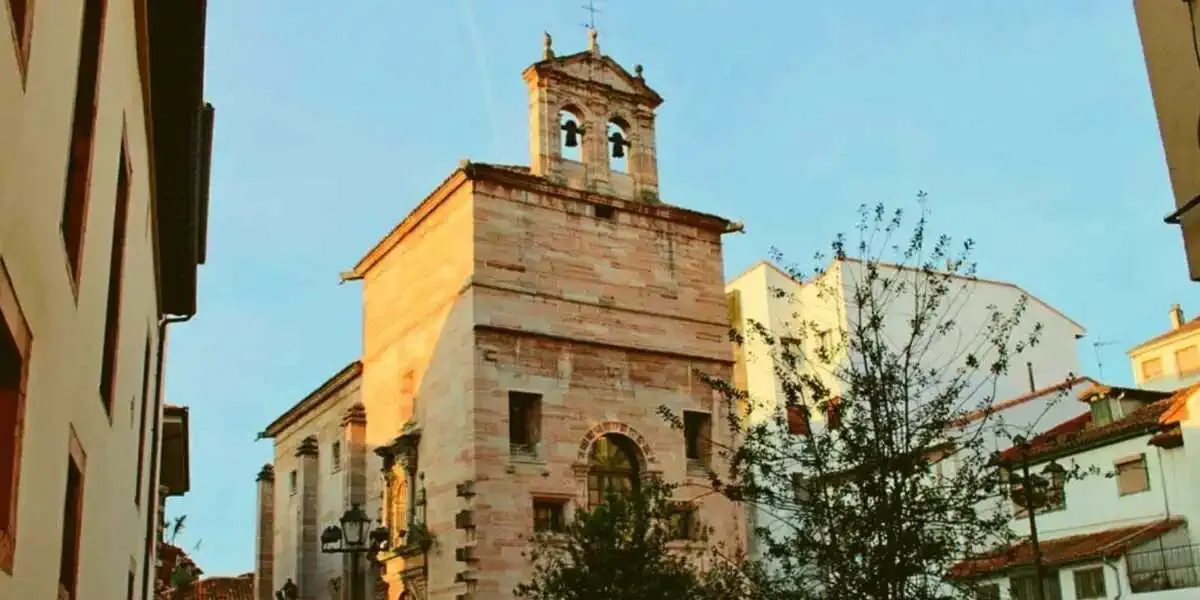
Perhaps the most emblematic building in the town of Grado is the Chapel of Los Dolores. Located in what used to be the palace's orchard, it was built by order of the third Marquis of Valdecarzana as a funerary pantheon. Although no traces of burials have been found, there is oral testimony suggesting that graves may have been desecrated during the Civil War. However, the general belief is that it never actually housed any burials.
Parish Church of San Pedro
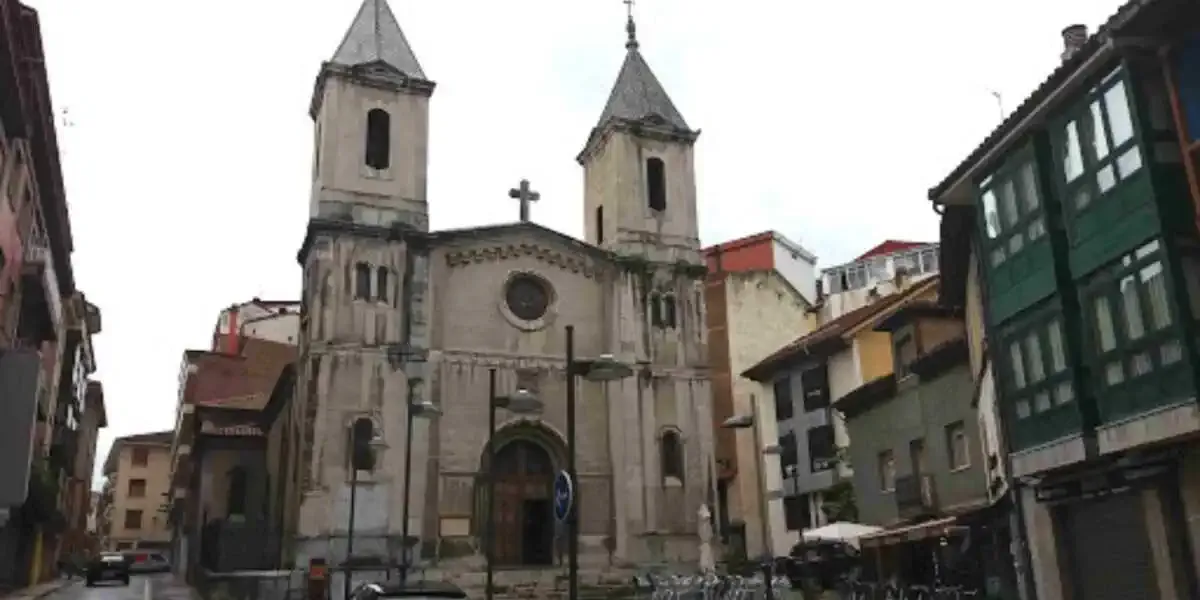
This is a building of eclectic style, with elements inspired by the Romanesque and Gothic styles. Built in 1884 and opened for worship in 1890, it stands out for its monumentality and the excellence of the carved stone used in its construction.
House of the Arcos or Arias Miranda's House
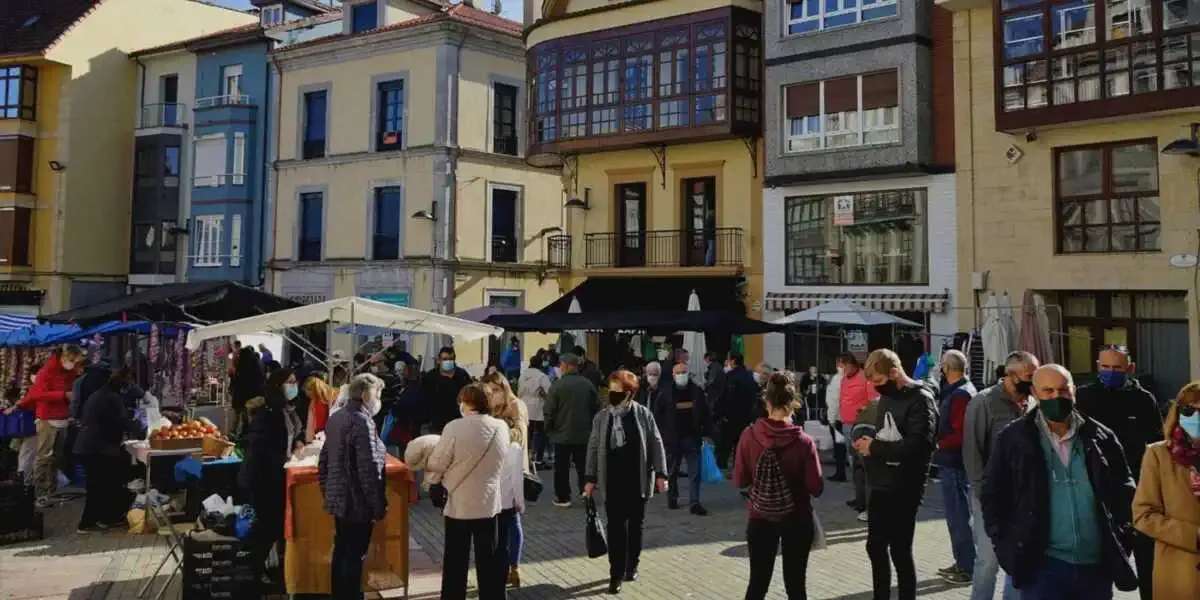
Located in Plaza General Ponte, the heart of the traditional market, this 18th-century house is notable for its portico with semicircular arches and its symmetrical layout. The first floor features a wrought-iron balcony with Rococo-style details, while the top floor corresponds to a 19th-century extension.
Market
The market held on Wednesdays and Sundays has a more than deserved reputation. Its centuries-old history is combined with the quality of local products and the hospitality of the traders, making a visit an essential experience for both pilgrims and tourists.
Grado Capitol
While the name might evoke Washington or Havana, Grado is home to its own Capitol. It is one of the most fascinating "Indiano" houses in Asturias, surrounded by impressive gardens that reflect the wealth and taste of the returning emigrants.
Palace of the Marquise of Fontela or House of Cienfuegos
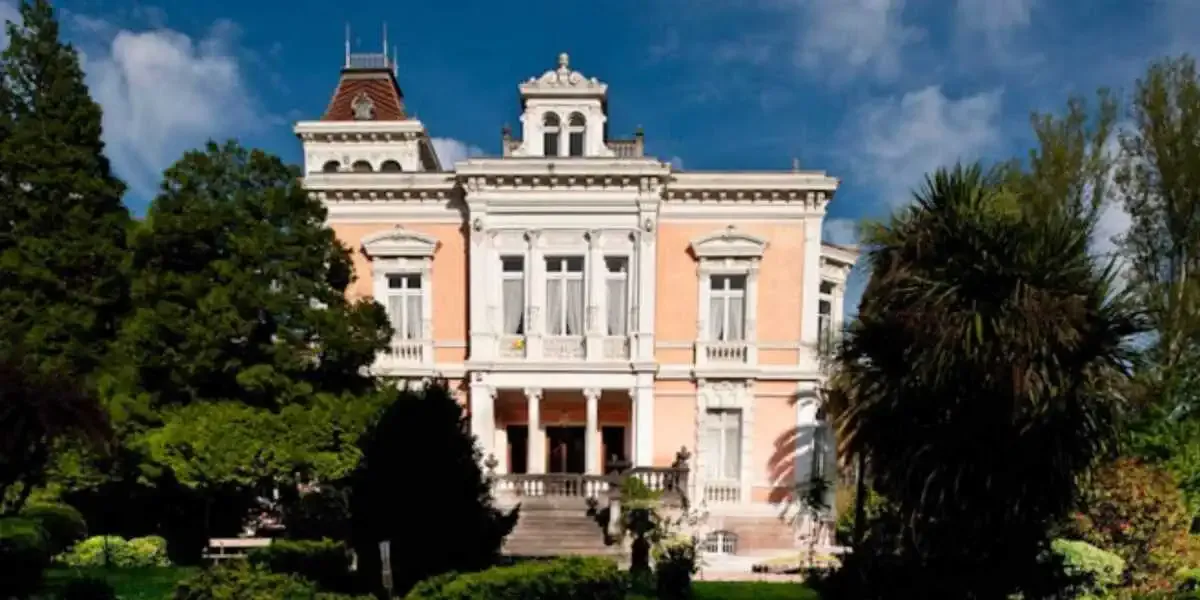
This 18th-century urban mansion, owned by the Marquise of Fontela, forms a complex with its chapel and a square decorated with palm trees. Recently restored, it serves as the Visitor Reception and Information Centre for the Camín Real de la Mesa region.
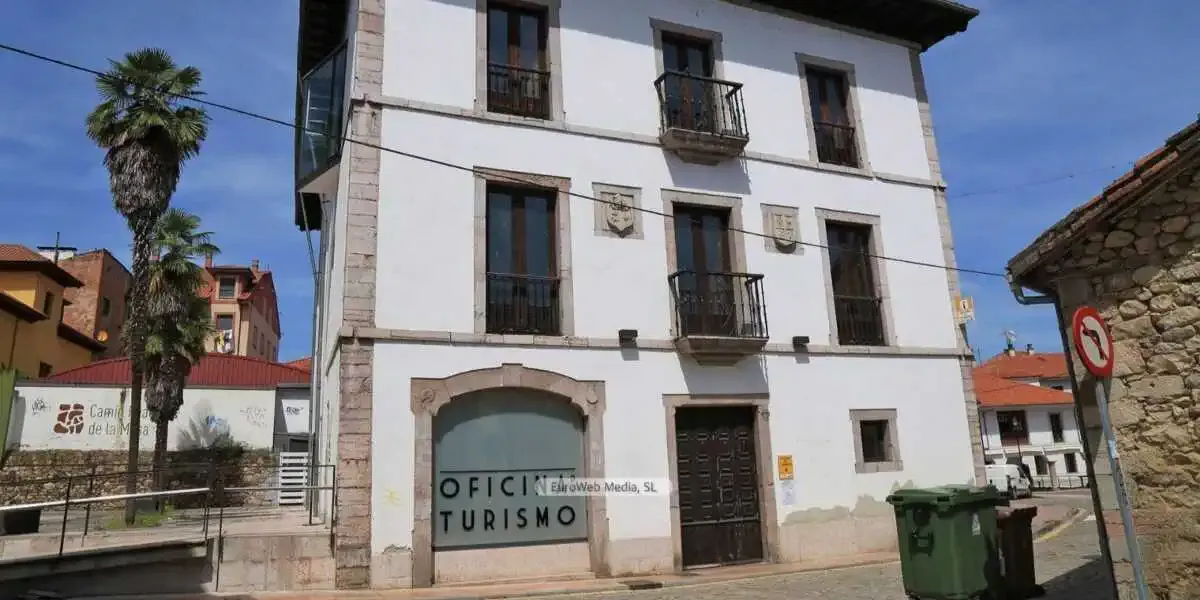
Ruins of the old wall
These are the only medieval vestiges preserved within the town. Parts of the wall can be seen in the street behind the Town Hall, where a wide ashlar wall stands facing the river and curving towards the municipal building.
Historical Memory Park
The council of Grado experienced the Spanish Civil War on the front line for thirteen months. This park is a homage to the victims of Francoism and a reminder of the mass graves in the area. It houses the "Memoria Herida" (Wounded Memory) monument, which represents a firing squad wall featuring poems by Miguel Hernández and the names of the 14 mass graves in the council.
Flower Festival
Undoubtedly the most popular festivities in Grado are the "Flores". They are celebrated in two stages: the First Flower (the Sunday after Easter) and the Second Flower (six Sundays later). these holidays joyfully celebrate the arrival of spring after the rigours of the Asturian winter.
Map of Grado
Map of Grado