


- Before traveling to Spain: what you need to know depending on your country of origin
- Customs in Spain: what you can carry in your luggage without problems
- Money on the Camino: how to pay and avoid fees
- Internet and phone on the Camino de Santiago
- Luggage on the Camino: the most common mistake among international travelers
- How to reach the start of the Camino depending on your place of origin
- Travel insurance on the Camino: what is already included
- How to organize your Camino from your country without complications
Traveling the Camino de Santiago from another country, especially from outside Europe, is not like organizing a typical holiday. It’s not just about choosing a route or booking accommodation. Issues such as entry into Spain, customs regulations, money usage, connectivity, and luggage management also come into play.
Many international pilgrims arrive with similar doubts: what will be required at the airport, how they will communicate during the Camino, whether they can pay by card, or what to do with a large suitcase during a route that, in reality, requires traveling light.
In this guide, you will find a complete and clear overview to prepare your trip without mistakes and with the peace of mind of having everything under control from the very beginning.
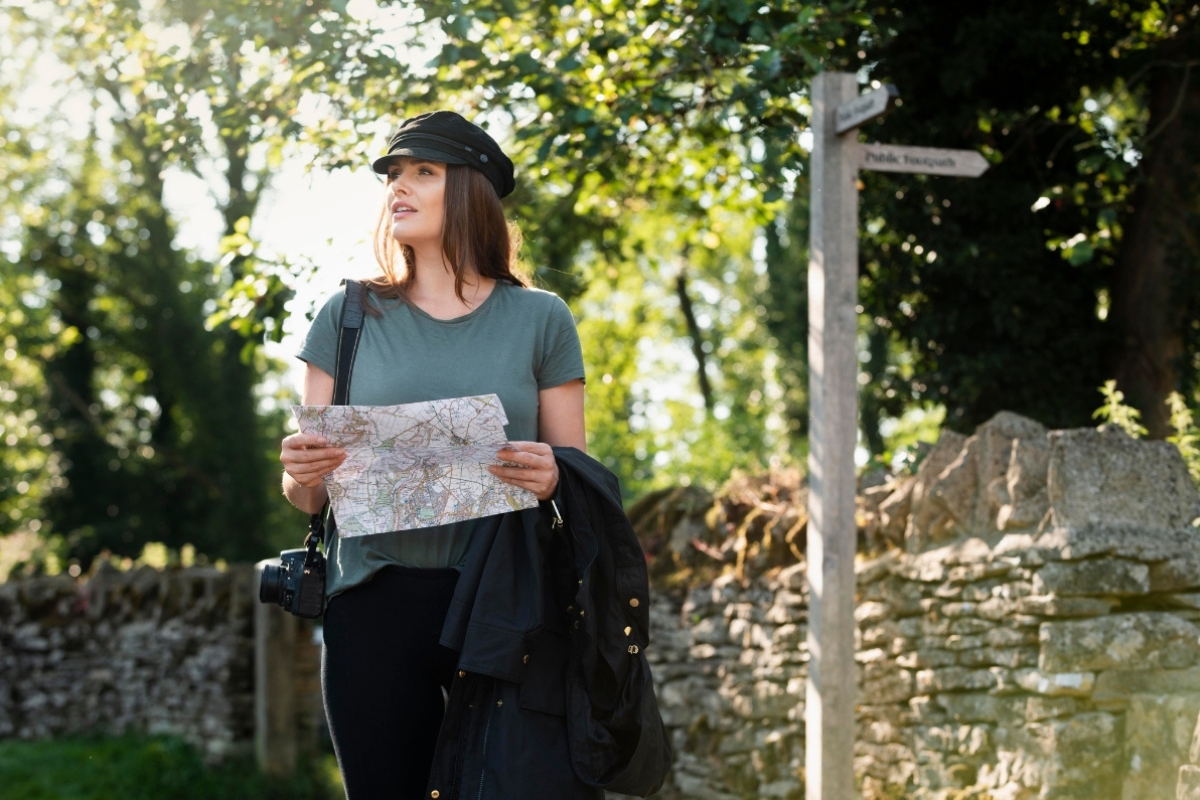
Before traveling to the Camino de Santiago, if you are coming from abroad, it is important to plan many aspects of the trip
Before traveling to Spain: what you need to know depending on your country of origin
Not all travelers have the same circumstances. The main difference lies between those traveling from the European Union and those coming from outside it. At this point, it is also important to understand what the Schengen Area is, as it determines how you enter and move around Europe.
The Schengen Area is a group of European countries that have eliminated internal border controls between them. This means that once you enter one of these countries, you can move freely between others such as Spain, France, or Portugal without going through passport control again.
If you are coming from the European Union
The trip is relatively simple from an administrative point of view. You do not need a visa, and you can travel with your ID or passport. Additionally, if you are coming from an EU country, you have access to public healthcare in Spain through the European Health Insurance Card, which provides basic coverage during your stay.
Regarding connectivity, in most cases you will be able to use your mobile phone as you do in your country, without additional roaming charges. This greatly facilitates daily organization during the Camino and significantly reduces logistical concerns before departure.
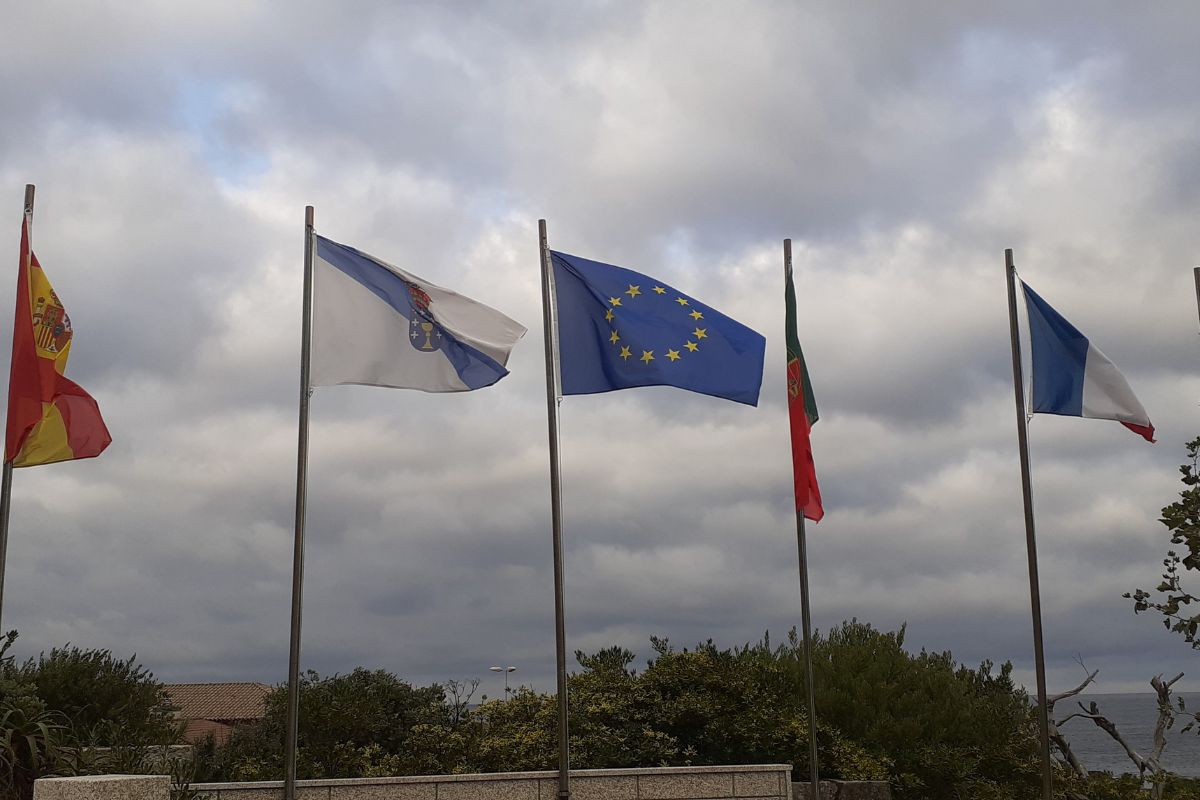
On the Camino de Santiago, no one is a foreigner
If you are coming from outside Europe
This is where more questions arise and where it is important to prepare your trip carefully. You will need a valid passport and, depending on your nationality, a Schengen visa. The maximum permitted stay is usually 90 days within the Schengen Area.
It is important to keep in mind that you will not always enter directly through Spain. Many travelers enter Europe through other countries such as France, Germany, or Italy. In that case, passport control is carried out in that first country of entry into the Schengen Area, and afterward you can move freely to Spain without further border checks.
Even so, you must comply with entry conditions at all times, as authorities may request documentation during your stay. In these cases, the most common requests are:
- Accommodation reservations or trip confirmation.
- A clear itinerary.
- Sufficient financial means.
For this reason, it is advisable to travel with all your documentation organized from the beginning of your trip, regardless of the country through which you enter Europe. Having a clear plan not only provides peace of mind but also prevents problems both at the initial control and during your stay.
It is important to carry all your travel documentation
Customs in Spain: what you can carry in your luggage without problems
One of the least known aspects for international travelers is how customs works. However, understanding these rules can help you avoid inconvenience upon arrival and better prepare your luggage before leaving home.
Regarding money, you can enter Spain with up to €10,000 in cash without declaring it. If you carry a higher amount, you must declare it at customs. In practice, it is best to combine cash with a card to move around comfortably and avoid unnecessary risks.
As for products such as alcohol or tobacco, there are specific limits if you are coming from outside the European Union. Within the EU, however, there are usually no significant restrictions for personal use, although it is always advisable to check the specific conditions before traveling.
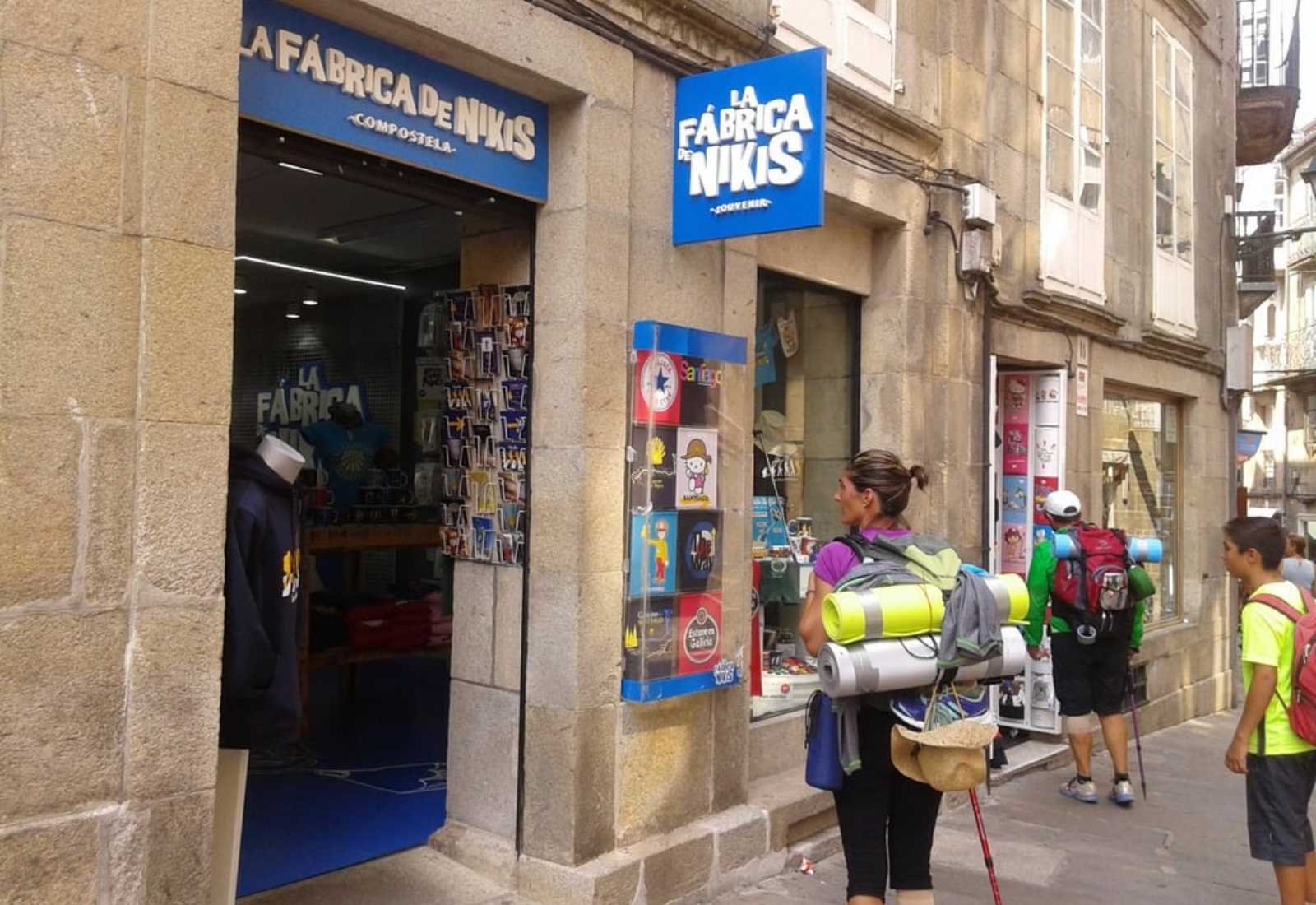
On the Camino you will find everything
The most important point is usually food. It is not allowed to bring meat or dairy products from outside the European Union, and there are also restrictions on fresh products such as fruits or vegetables. Many travelers make the mistake of bringing food from their country without knowing it may be confiscated during inspection.
Regarding medications, you can carry them with you as long as they are for personal use. To avoid problems, it is advisable to follow these recommendations:
- Keep them in their original packaging.
- Travel with a prescription or medical report, if possible.
- Carry only the amount needed for the trip.
Additionally, it is important to consider restrictions related to carry-on luggage, especially concerning medications, liquids, and other products you bring into the cabin.
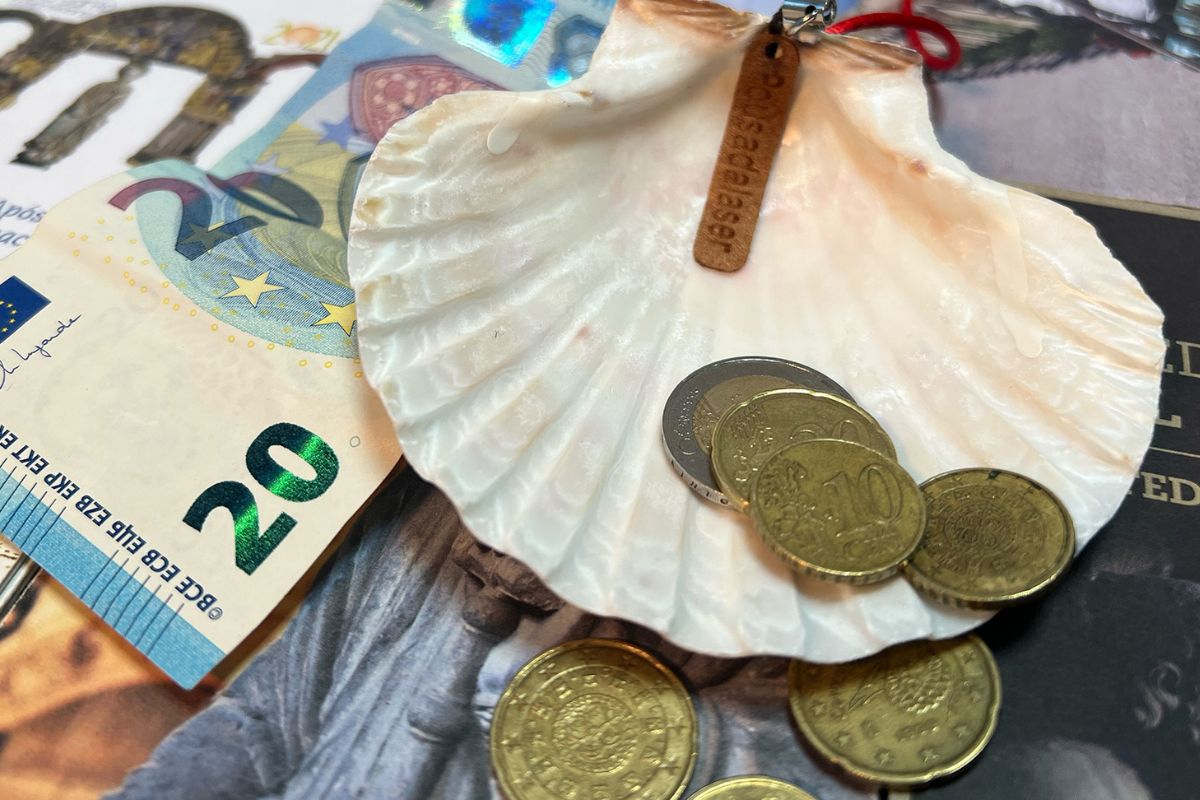
Keep in mind that you will need euros as the local currency
Money on the Camino: how to pay and avoid fees
The use of money during the Camino varies significantly depending on the traveler’s origin. Although it is increasingly easy to pay by card, it is important to understand how this works to avoid surprises.
European travelers
For those coming from European countries, using the euro simplifies the entire process. It is common to pay by card in most establishments and withdraw cash from ATMs without major complications.
Non-European travelers or Europeans outside the eurozone
For travelers from outside Europe or outside the eurozone, the situation is somewhat different. Your bank may apply currency exchange fees or charges for international payments. For this reason, many pilgrims choose to use prepaid travel cards that reduce these costs.
In any case, it is advisable to always carry some cash. Although the Camino is well prepared, there are small towns where card payment may not be available in all establishments.
Pilgrim using his phone on the Camino
Internet and phone on the Camino de Santiago
Connectivity is a key aspect, both for convenience and safety. Being able to communicate during your trip provides peace of mind and makes daily organization easier.
If you are coming from the European Union
European travelers can use their mobile phones in Spain without major changes, as roaming is included in most plans.
If you are coming from outside Europe
For those arriving from outside Europe, the usual option is to purchase a SIM or eSIM. This avoids high international roaming costs and ensures a stable connection during the Camino. Many people opt for eSIM because it allows activation before arrival. In any case, it is also possible to buy a physical SIM at the airport or in major cities.
Luggage on the Camino: the most common mistake among international travelers
One of the areas where there are the biggest differences between European and non-European travelers is luggage. At the same time, it is one of the most common mistakes. The Camino de Santiago is designed for traveling light, and carrying more weight than necessary is not only uncomfortable but can also affect the experience.

Your backpack will be your main Camino companion
During the Camino, you only need a backpack or suitcase with the essentials. That is why it makes sense to use the included luggage allowance of up to 15 kilos for what you will actually need throughout the journey. In our trips, the daily transport of one piece of luggage per person up to 15 kilos is included, whether it is a suitcase or a backpack. Volume is usually not the problem; the important thing is not to exceed that weight, as it is the practical reference for moving your luggage comfortably from one stage to another.
For most pilgrims, that allowance of up to 15 kilos is more than enough to complete the Camino without complications. The issue arises mainly for some travelers from outside Europe, or for those combining their pilgrimage with a longer trip across other European cities, as they may travel with more than one suitcase or with additional luggage heavier than recommended for day-to-day use on the Camino.
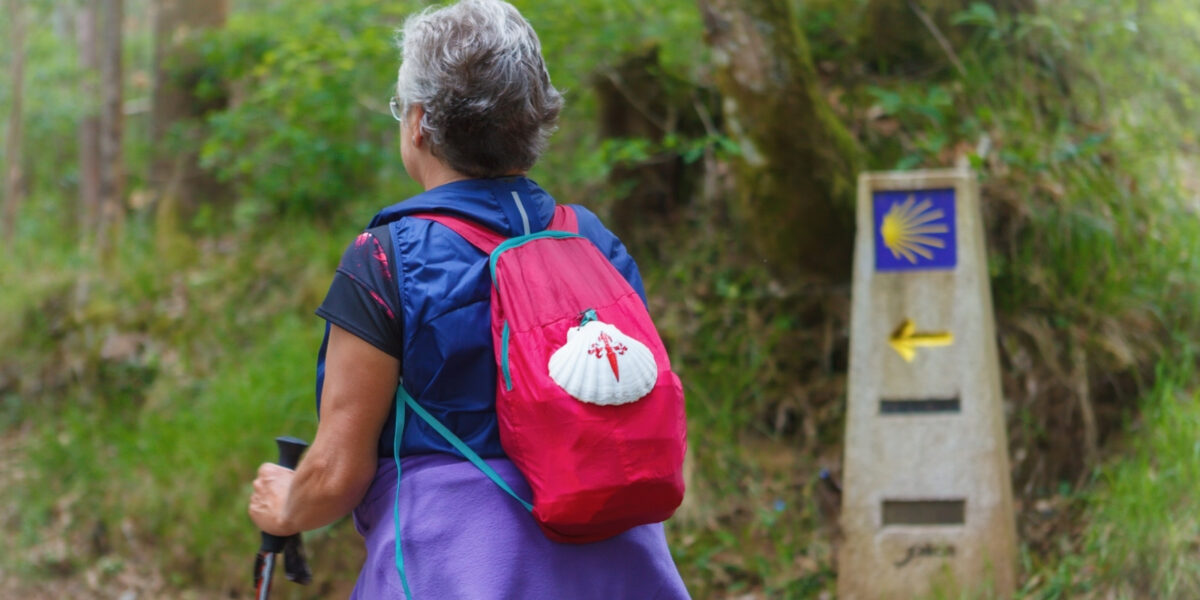
Pilgrim walking light
What to do if you travel with an additional suitcase or more luggage than necessary
If you are also traveling with a larger suitcase, heavier luggage, or extra items intended for the rest of your trip around Europe, it makes no sense to move it every day. In these cases, a highly recommended option is to send that additional luggage from the start to the end of the Camino.
This way, you achieve something very important:
- Keep your daily luggage within 15 kilos to walk comfortably.
- Avoid moving a suitcase every day that you will not use during the stages.
- Recover that extra luggage at the end of the Camino.
This solution is especially useful if you continue traveling around Europe afterward, as it allows you to separate practical pilgrim luggage from luggage intended for the rest of your trip.
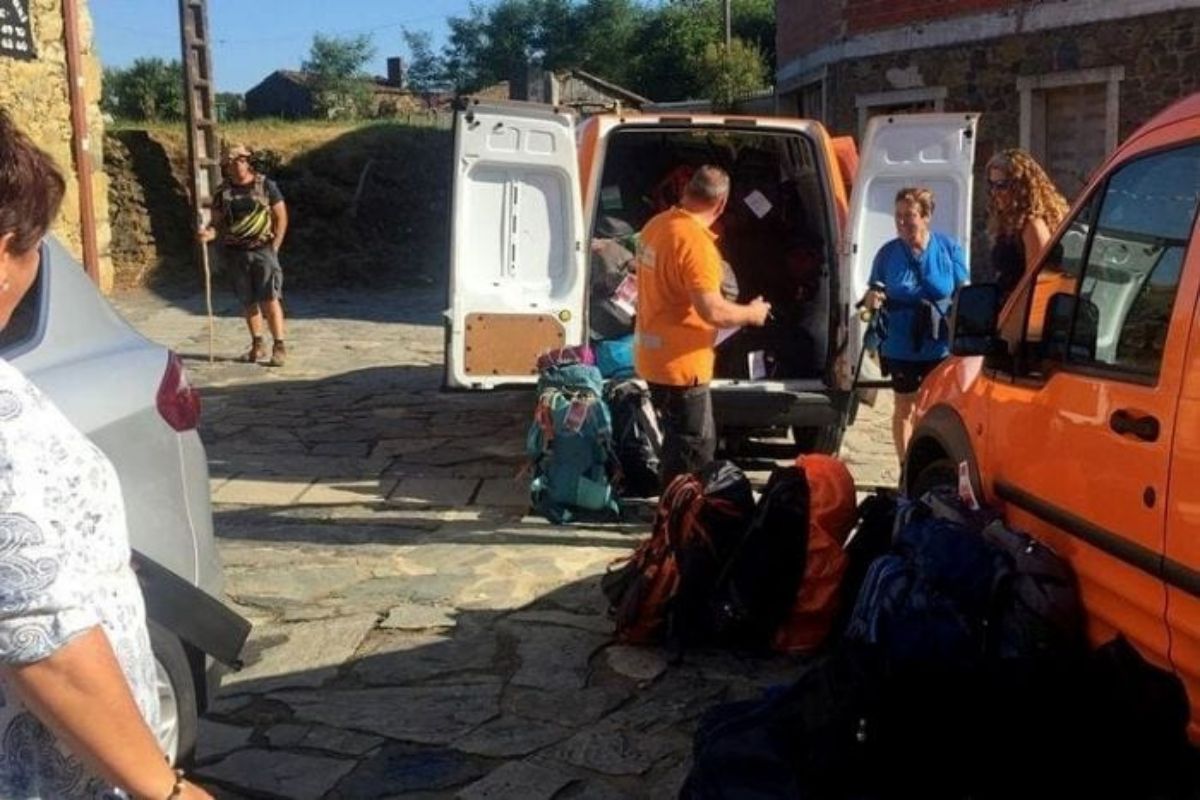
Luggage transport is usually carried out in large vans that stop at all accommodations along the Camino
How to reach the start of the Camino depending on your place of origin
The way to get there depends on your starting point and the chosen itinerary:
- From Europe: connections are usually simple, with direct flights to Santiago de Compostela, A Coruña, Vigo, Madrid, Barcelona, Porto, and other well-connected airports.
- From outside Europe: it is most common to fly to Madrid, Santiago, or Porto.
Once in Spain or Portugal, you will need to travel to the starting point of the Camino, whether by plane, train, bus, or a private transfer.
Travel insurance on the Camino: what is already included
As a travel agency in Spain, our trips include a legally required insurance that covers basic assistance during the Camino. If you are coming from the European Union, this insurance is complemented by the European Health Insurance Card. If you are coming from outside Europe, the included insurance covers the Camino, although if you continue traveling afterward, it is advisable to also have an additional insurance for the rest of your trip.
Safety on the Camino
And you might be wondering: is it safe to walk the Camino de Santiago? The answer is yes: the Camino de Santiago is a very safe route. Even so, it’s important to act with common sense. In case of emergency:
- Call 112.
- Use the app AlertCops.
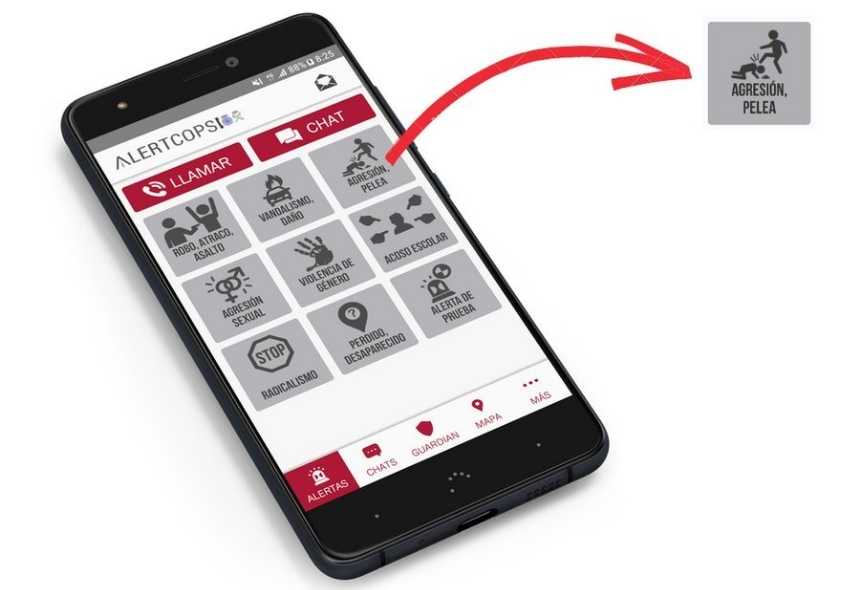
AlertCops
How to organize your Camino from your country without complications
Organizing the Camino from another country may seem complex, but with good planning everything becomes much easier. Having a specialized agency allows you to travel with peace of mind, knowing that aspects such as accommodation, luggage transport, assistance during the route, and practical travel details are resolved from the beginning. You can start planning your route here.












Leave A Comment