


The French Way by bike from Ponferrada, from the Templar Bierzo to the Plaza del Obradoiro. 209 kilometres that climb to O Cebreiro and link Sarria, Portomarín, Palas de Rei and Arzúa to Santiago, among vineyards, chestnut trees and Galician hamlets, at cycling pace.
We arrange the logistics so you only have to pedal: accommodation, your pilgrim's credential, full documentation and travel insurance, from 219 €. You can add the daily luggage transfer and keep your bike down to the essentials.
The trip along the Camino de Santiago by bike from Ponferrada is organised by Viajes Camino de Santiago®.
Services
Included in all our routes
- Accommodation
6 days / 5 nights
- Complete documentation (Dossier and material for the Camino)
- On-the-road emergency telephone assistance
- Pilgrim's Credential
- Travel insurance
Optional
- Luggage transfer during the stages. (1 piece per person max 15 kgs)
- Supplement for single room
- Extra night in Santiago de Compostela
- Breakfast
- MP (Breakfast and dinner)
- Cancellation Insurance
Accommodations
- Most popular
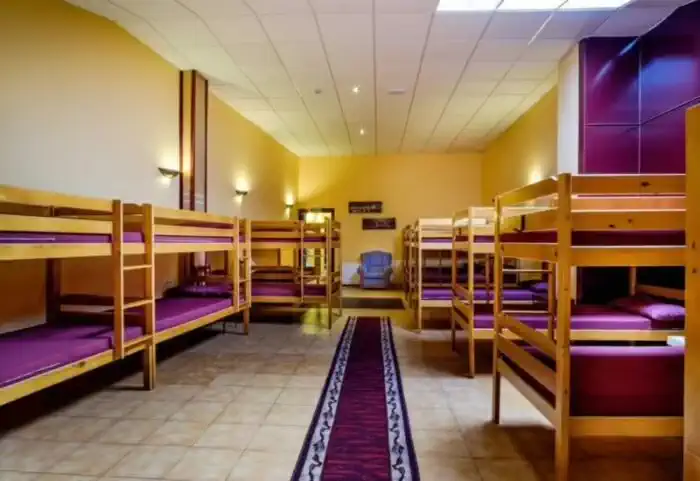
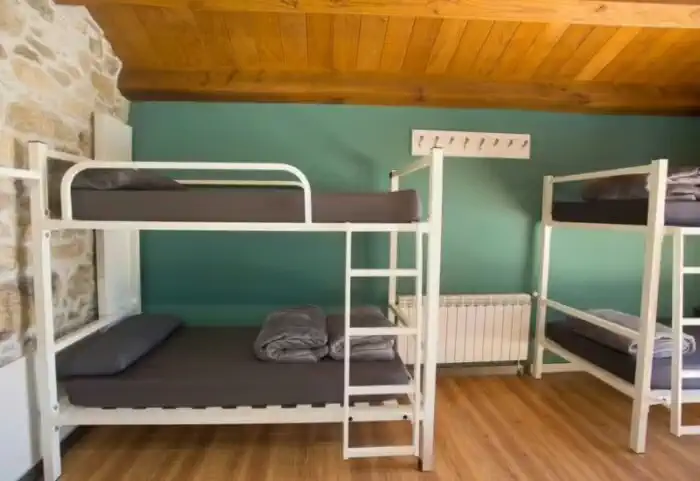
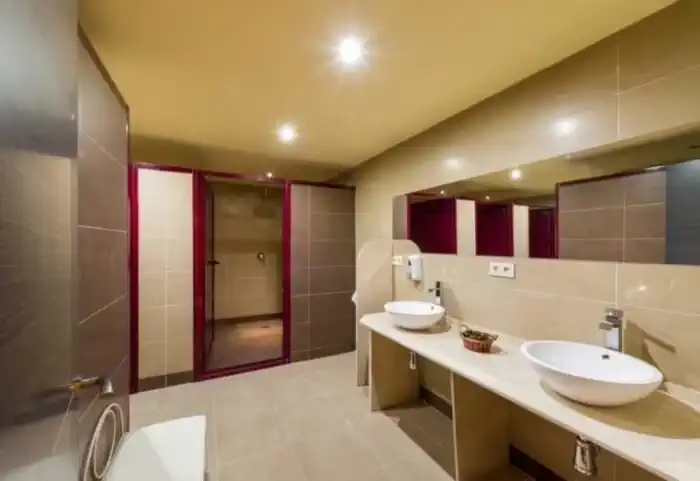
Basic accommodation (Private hostels)
219 €
The most authentic accommodation on the Camino. Hostels are the ideal option for those traveling on a tight budget, solo pilgrims, or anyone who wants to experience the Camino de Santiago in its purest form. They are the perfect place to socialize, share stages, and connect with fellow walkers along this ancient route.
- Most popular
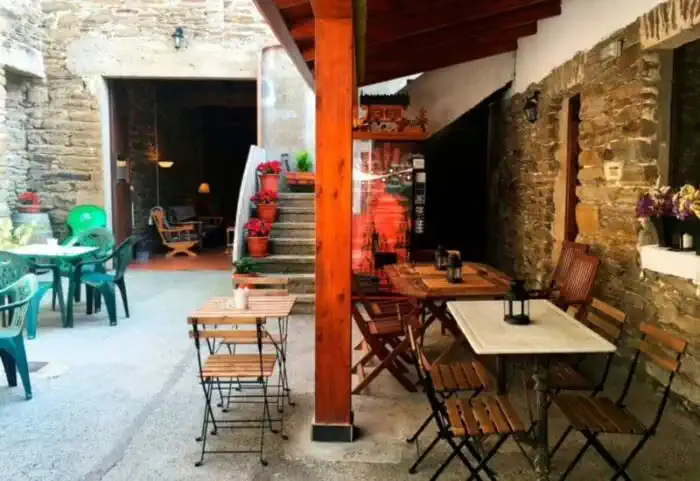
Private comfort (Guesthouses, rural houses and small hotels)
380 €
The perfect balance between charm and comfort. Guesthouses, B&Bs and country houses await you in the villages along the Camino with private rooms, private bathrooms, TV, and daily cleaning service. Simple and welcoming, they are the ideal place to truly rest and enjoy the peaceful rural essence that only the Camino can offer.
- Most popular
Superior accommodation (Charming hotels)
489 €
For those who want to reach each stage and recover in complete comfort. The best hotels and manor houses along the Camino de Santiago, featuring elevators, restaurants, private bathrooms, and quality services. Gardens, terraces, and swimming pools to end each day the way a pilgrim who values well-being deserves.
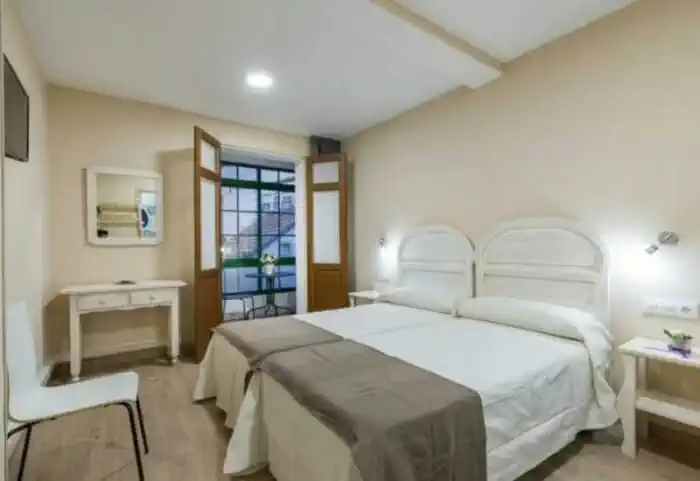
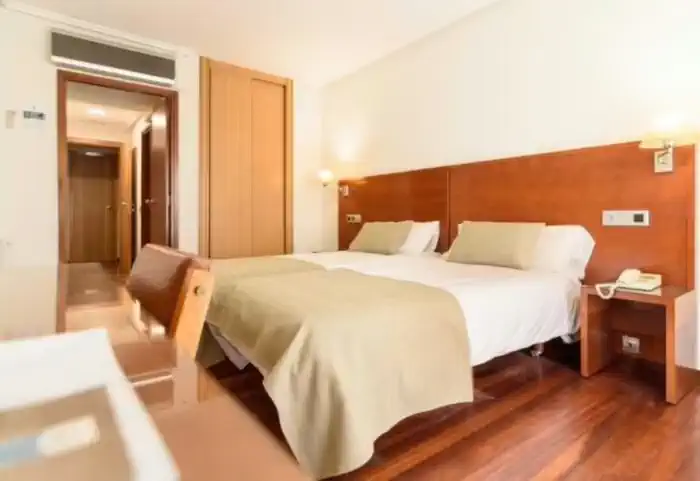
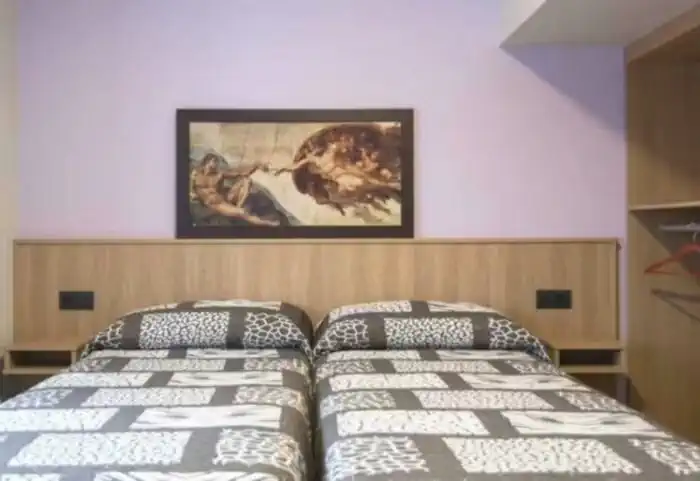
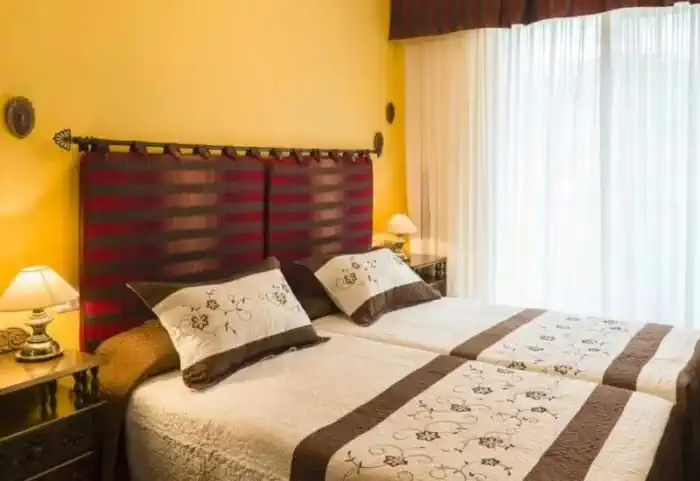
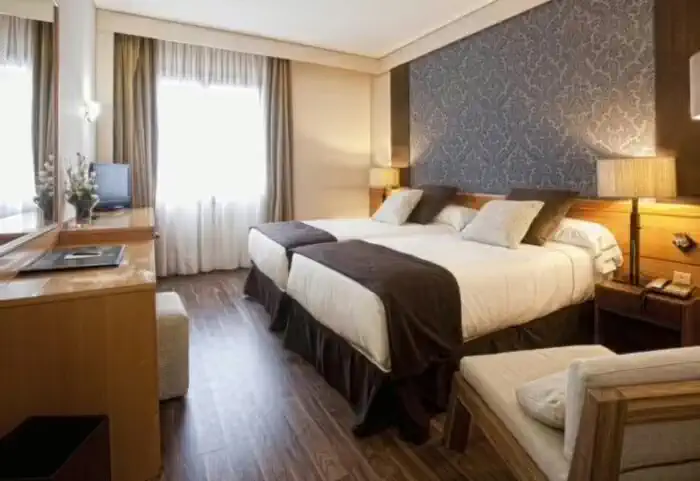
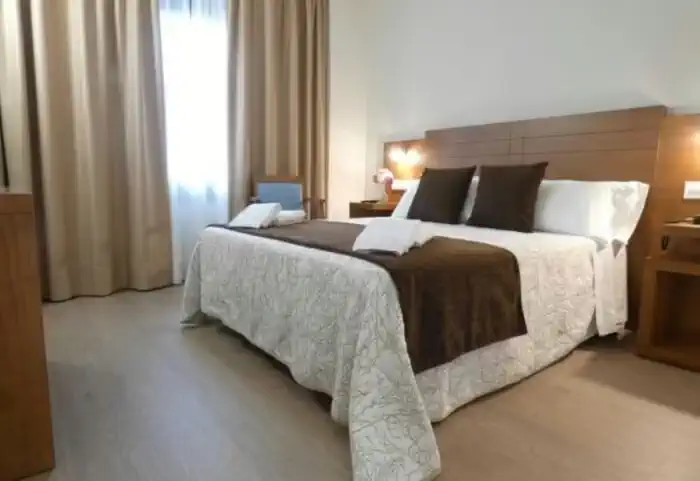

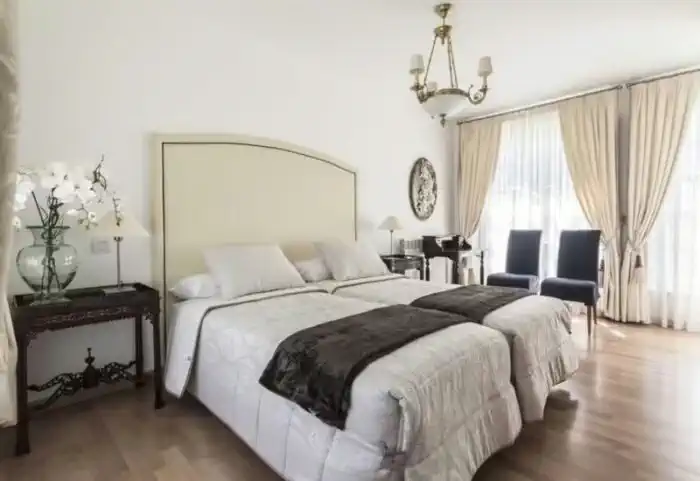
Photos
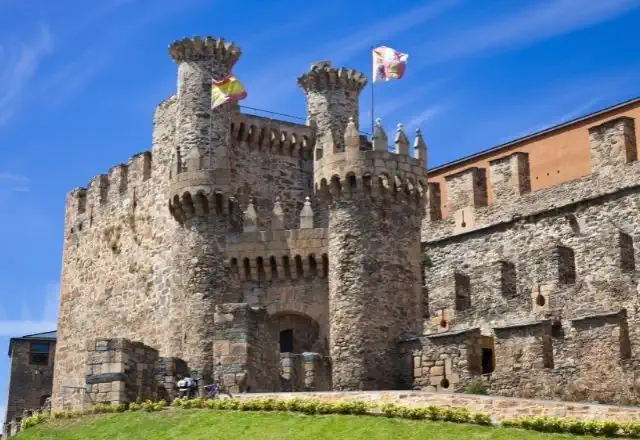
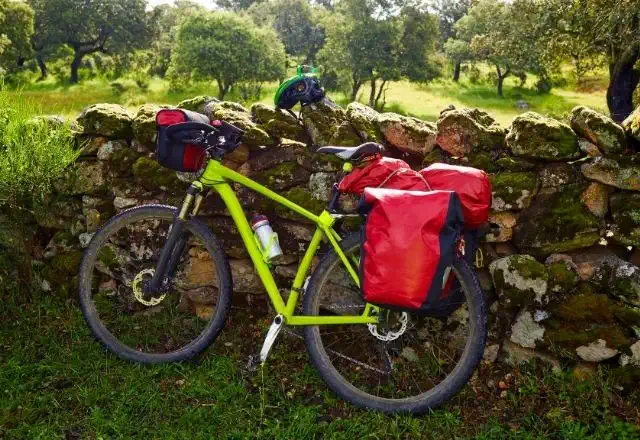
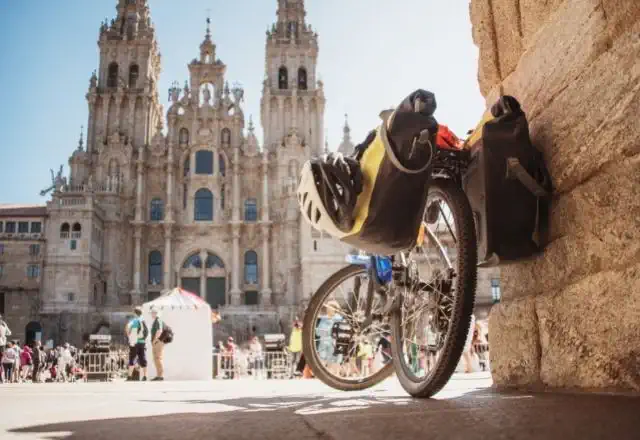
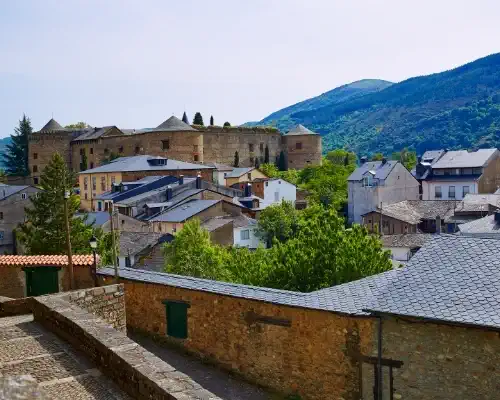
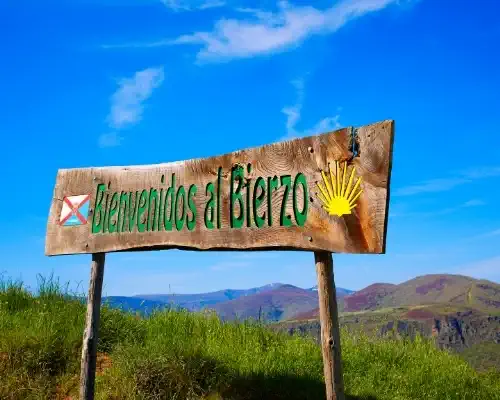
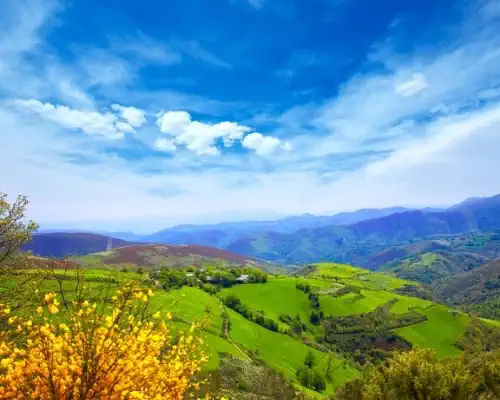
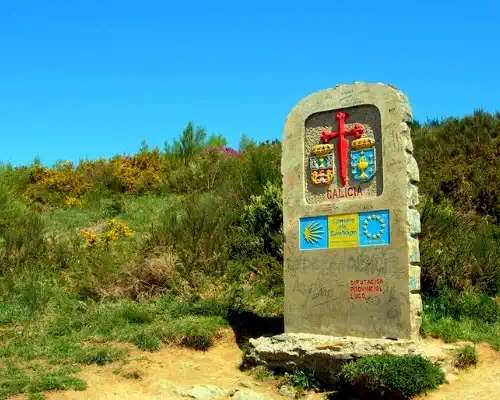
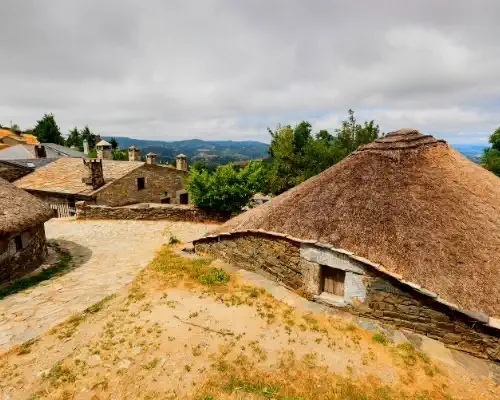
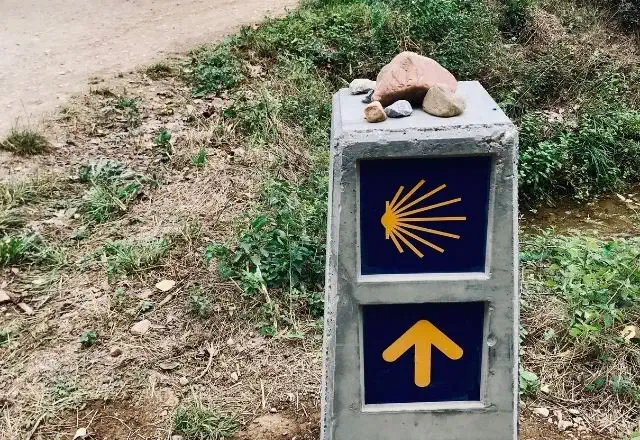
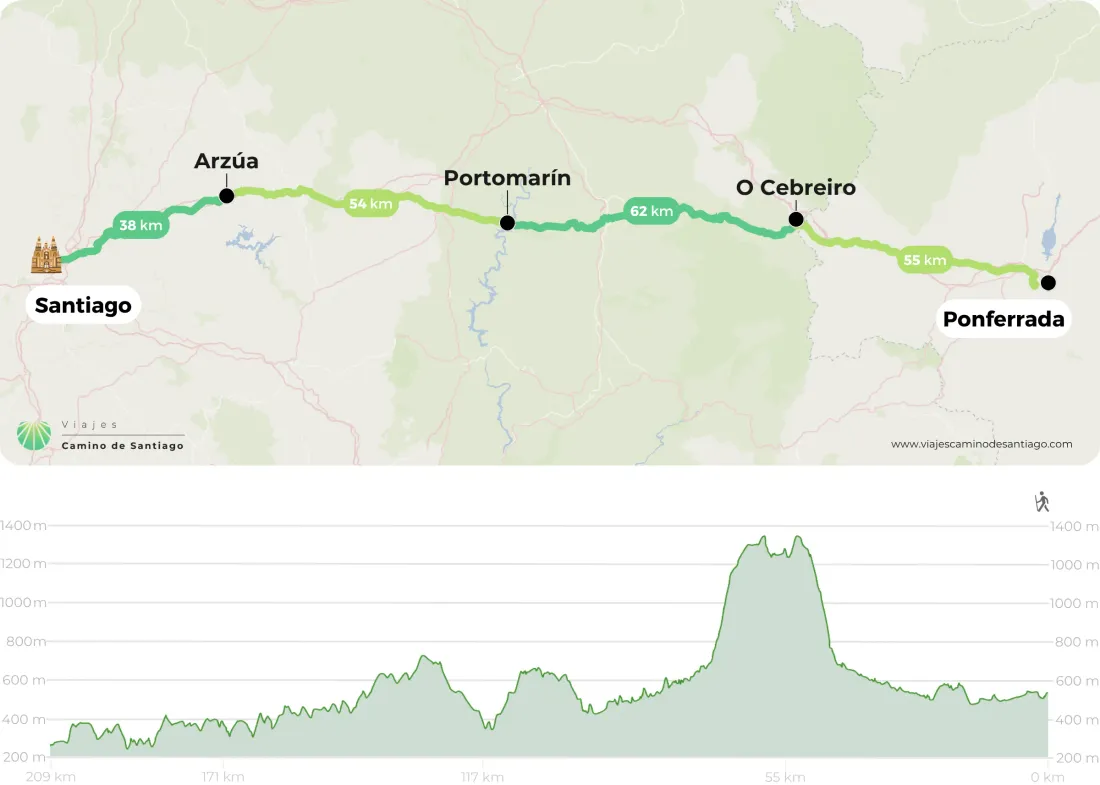
Map of the Camino de Santiago by bike from Ponferrada
Stages
- day 1
Arrival at Ponferrada
- day 2
Stage 1. Ponferrada - O Cebreiro (55 km)
Get ready: today brings the toughest climb of the whole route. You cross the green Bierzo valley to Las Herrerías, and that's where things get serious: a demanding climb —better on asphalt— up to magical O Cebreiro. This village of thatched pallozas, with the oldest church on the Camino, is pure ethnographic and Celtic treasure: the best reward for recharging your batteries.
- day 3
Stage 2. O Cebreiro - Portomarín (62 km)
A long mountain day. You leave O Cebreiro behind with a pang of regret and crest two passes: the Alto de San Roque, with its statue of the pilgrim battling the wind, and the Alto do Poio, the highest point of the Camino in Galicia. You descend to Triacastela and continue —via San Xil or the monastery of Samos— to Sarria. The final kilometres, through hills and woodland, bring you to Portomarín.
- day 4
Stage 3. Portomarín - Arzúa (54 km)
You start with a tough warm-up climb and reach Palas de Rei, a good first stop. You continue to Melide, the day's big reward: there's no better place on the Camino for pulpo á feira, so grab a table at a pulpería. With a full belly you tackle the final kilometres, through woodland and the odd leg-breaking climb, to Arzúa, land of good cheese.
- day 5
Stage 4. Arzúa - Santiago de Compostela (38 km)
A long final day to Compostela. The high point comes at Monte do Gozo, with your first view of the cathedral towers. Shortly after, your triumphant arrival at Plaza del Obradoiro. You've completed your Camino and you're in Santiago!
- day 6
End of the trip
After your last night, you check out of your accommodation and your trip comes to an end.
Related Trips
 7 days / 6 nights
 8 days / 7 nights
 6 days / 5 nights
Frequently Asked Questions
-
What is on-the-road telephone assistance?
In your travel documents, you'll find an emergency telephone number where we're accessible while you're on the road. This ensures you'll journey with peace of mind, knowin our team members will assist you with any problems, incidents, or questions you encounter along your Camino de Santiago.
-
What is travel insurance?
It is the guarantee that you can enjoy your Camino in a safe way. In our trips you already have an insurance included with your trip to be protected during the Camino de Santiago. We will send you the insurance policy along with all the documentation of your trip, so you will have everything you need to enjoy the Camino with peace of mind. Walk without worries! -
What services are included in the Camino de Santiago by bike?
The Camino de Santiago by bike includes the following services:
- Accommodation
- Dossier with information about the stages
- Pilgrim's credential
- On-the-road helpline
- Travel insurance
In addition, you can customize your trip by adding the following optional services:
- Luggage transport between stages
- Breakfast or half board
- Extra night at the beginning or end of the stage
- Bicycle rental
Unlike the group trips, no guide or support vehicle is included between stages. However, you will have a 24-hour hotline where you can contact us in case of any problem or unforeseen event, which we will solve quickly.
-
Do all accommodations have a lockable place to store my bike?
Yes, we make sure that all assigned accommodations have a place where you can leave your bike safe and sound. -
What is luggage transport and how does it work?
Luggage transport is included in group trips, trips with a dog and VIP trips; on all other trips it is an optional service you can add when booking. With it you can enjoy the Camino de Santiago without the burden of carrying your luggage on your back, knowing that your suitcase will be waiting for you at your next accommodation upon your arrival. Along with your credential, you'll also receive stickers. Cover these stickers with the requested information and stick them in a visible place on your suitcase. Upon arrival at your accommodation, we suggest asking at the reception where you can leave your luggage. You'll need to leave your luggage at the designated spot early in the morning for our carrier to pick it up. This ensures that when you arrive at your next accommodation, your luggage will already be waiting for you. -
How do you get to Ponferrada to start the Camino?
Ponferrada, in El Bierzo (León), has a train and bus station with connections from León, Madrid and Galicia, plus good access via the A-6 motorway.
-
Does the Camino Francés from Ponferrada by bike qualify you for the Compostela?
Yes. From Ponferrada to Santiago it is 209 km by bike, above the minimum of 200 km by bike that the Pilgrim's Office requires to obtain the Compostela (by bike the minimum is higher than on foot). As the margin is small, ride every stage in full to the Obradoiro and stamp your credential every day.
-
How do you climb to O Cebreiro by bike from Ponferrada?
It is the first stage and brings the toughest climb of the trip. You cross the Bierzo valley on the Camino, which is perfectly rideable, or by road to Villafranca del Bierzo and then on to Las Herrerías.
From Las Herrerías, unless you are very experienced, we recommend the tarmac: road up to Laguna de Castilla and the last 900 metres on a paved track to O Cebreiro. Watch the signs, as there are different arrows for cyclists and for walkers.
-
Which way from Triacastela to Sarria: via San Xil or via Samos?
It depends on what you are after. Past the Alto de San Roque and the Alto do Poio, you ride down to Triacastela, where the Camino splits. Via San Xil you follow the original route, much more mountainous. Via Samos you take a highly recommended variant if you want to see its monastery.
The two routes meet near Sarria, a good place for lunch, and from there about 20 km of hills and woodland remain to Portomarín.
-
What should I see in Ponferrada before starting the Camino by bike?
The Templar castle, one of the best preserved of the order and almost entirely open to visitors. If you like museums, Ponferrada has the Energy Museum, the Railway Museum, the Radio Museum and the Bierzo Museum, and right by the castle, the Basilica de la Encina and an old town with good terraces.
For dinner, local Bierzo produce: cecina (cured beef), botillo, peppers and Mencía wine. And rest well, because the next day you climb to O Cebreiro.
-
Where should I stop on the Portomarín to Arzúa bike stage?
Make your first stop in Palas de Rei, which has all services, after a stiff climb out of Portomarín and the descent from Ventas de Narón. Have lunch in Melide: there is no better place on the Camino Francés for pulpo á feira (Galician-style octopus).
After that, about 15 km remain through woods and old country lanes (corredoiras), with some leg-breaking climbs. At Ribadiso de Abaixo the trail steepens into a tough ramp, the last one before Arzúa.
-
Can I carry on by bike to Finisterre after reaching Santiago?
Yes. If you still feel like riding, there is also the Camino to Finisterre by bike from Santiago: 88 km in two stages via Ponte Maceira, Negreira and Cee to the Fisterra lighthouse, with one of the most spectacular sunsets in the world.
You can link it to your Camino from Ponferrada and extend your trip all the way to the Atlantic.
From Ponferrada
From 219 €

Reviews
julio
kike
Martín Valero Campos
Claudia Rincón Valdés
Adrián Salinas Cuervo
Lorena Bermúdez Navas
Víctor Manzanares Pujol
Elisa Torrente Baquero
Raúl Monteagudo Ferrer
Andrea Villarroya Mínguez