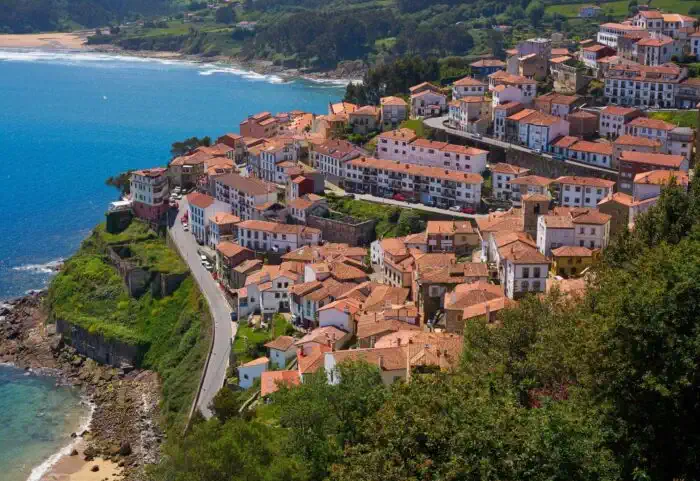
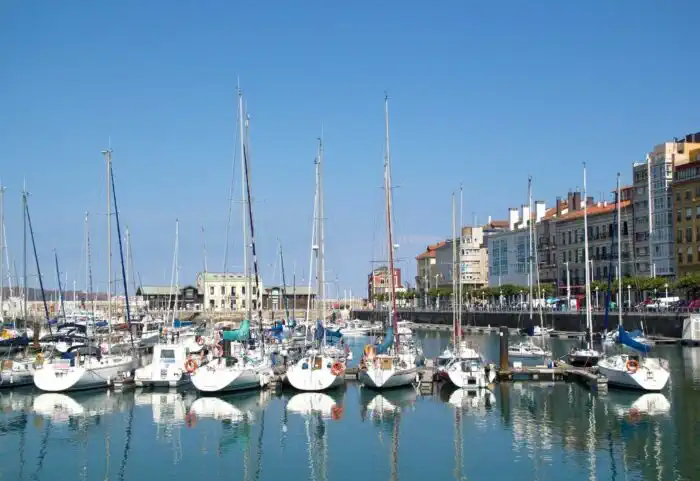
Northern Way from Ribadesella to Ribadeo is a journey designed to be walked over the stretch between Ribadesella and Ribadeo in 8 days and 7 nights. With 155 km, it is a perfect option for those seeking a challenging yet well-organized hiking experience, with enough time to enjoy each stage without rush.
With prices starting from 640 €, this trip includes luggage transfer, travel insurance, and telephone assistance throughout the journey, ensuring a comfortable and organized experience. Northern Way from Ribadesella to Ribadeo is ideal for those who prefer to walk with the assurance of complete planning and essential services that facilitate their pilgrimage.
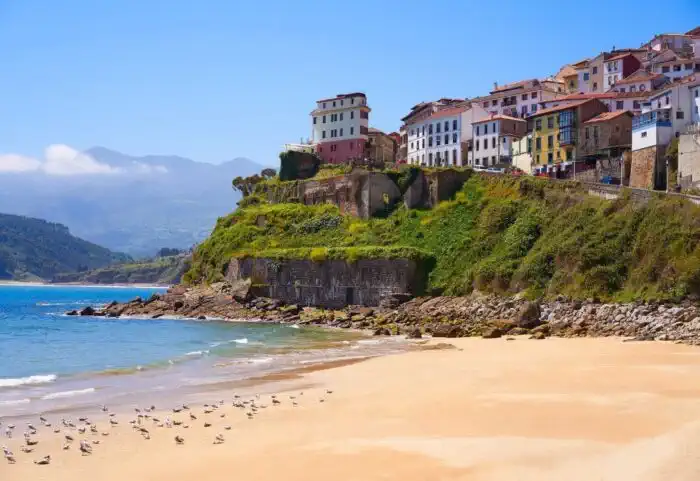
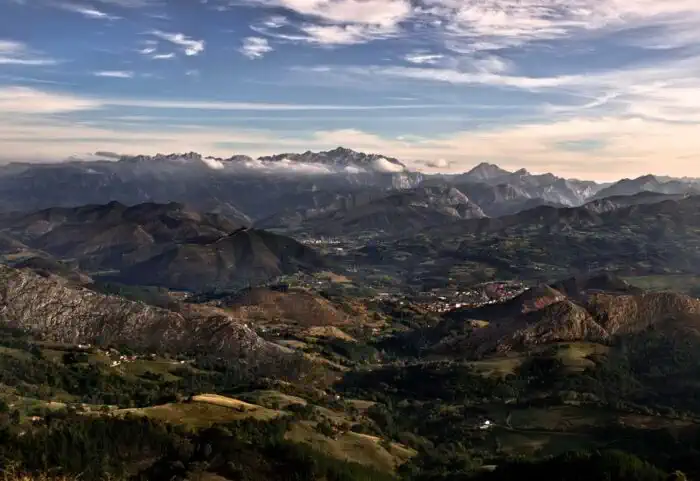
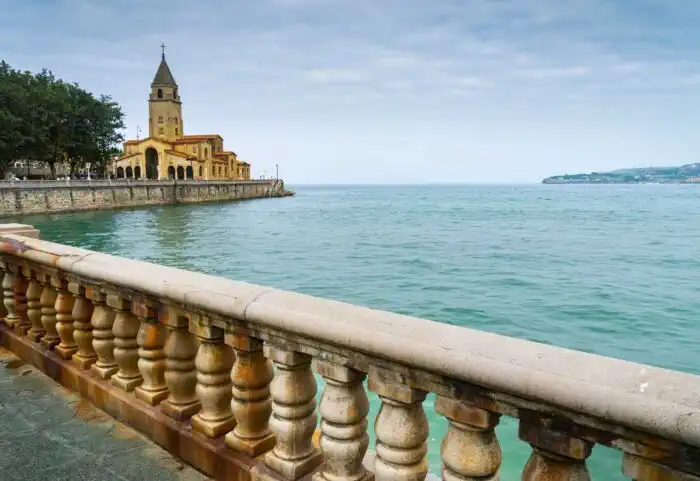
Photos
Accommodations
- Most popular
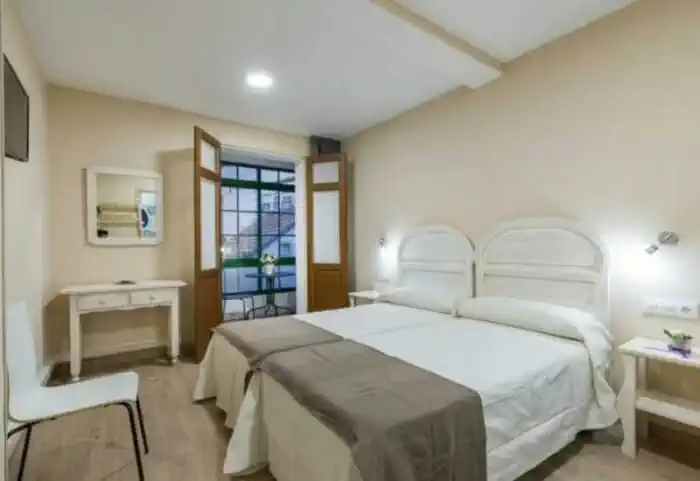
Accommodation (Guesthouse, B&B or Country Cottage)
953,50 €
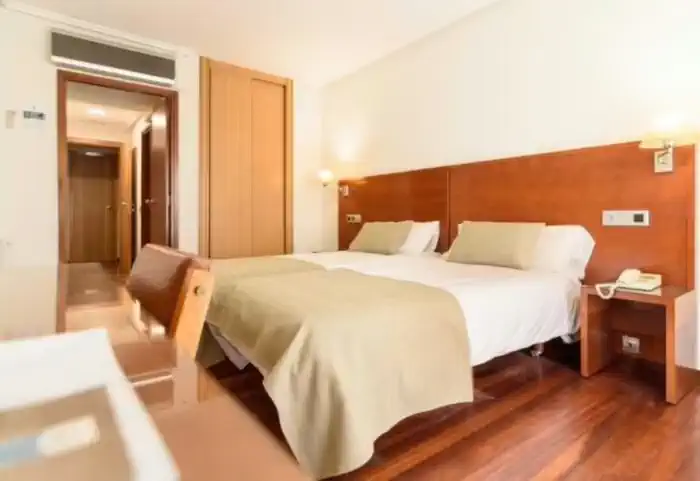
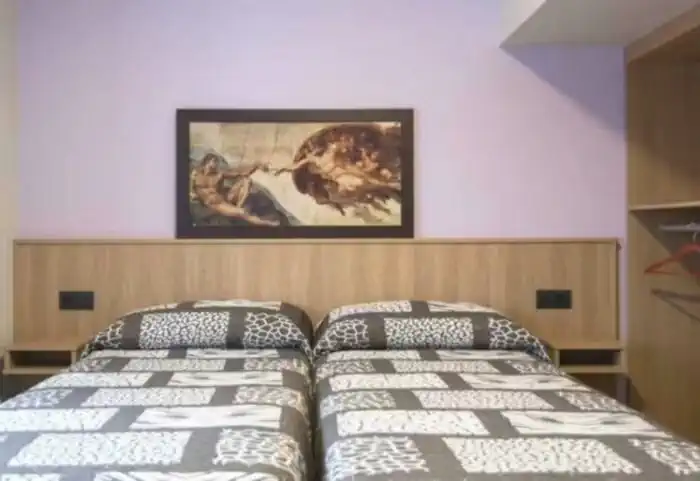
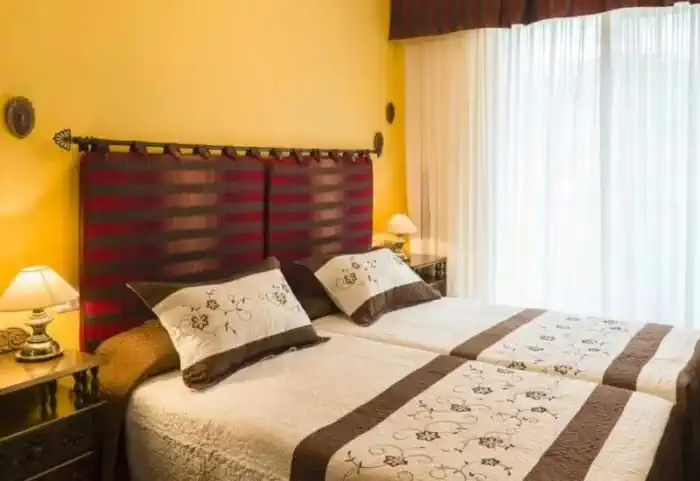
The perfect balance between charm and comfort. Guesthouses, B&Bs and country houses await you in the villages along the Camino with private rooms, private bathrooms, TV, and daily cleaning service. Simple and welcoming, they are the ideal place to truly rest and enjoy the peaceful rural essence that only the Camino can offer.
Services
Included in all our routes
- Accommodation
12 days / 11 nights
-
- Complete documentation (Dossier and material for the Camino)
- Luggage transfer during the stages. (1 piece per person max 15 kgs)
- On-the-road emergency telephone assistance
- Pilgrim's Credential
- Travel insurance
Optional
- Extra night
- Breakfast
- MP (Breakfast and dinner)
- Cancellation Insurance
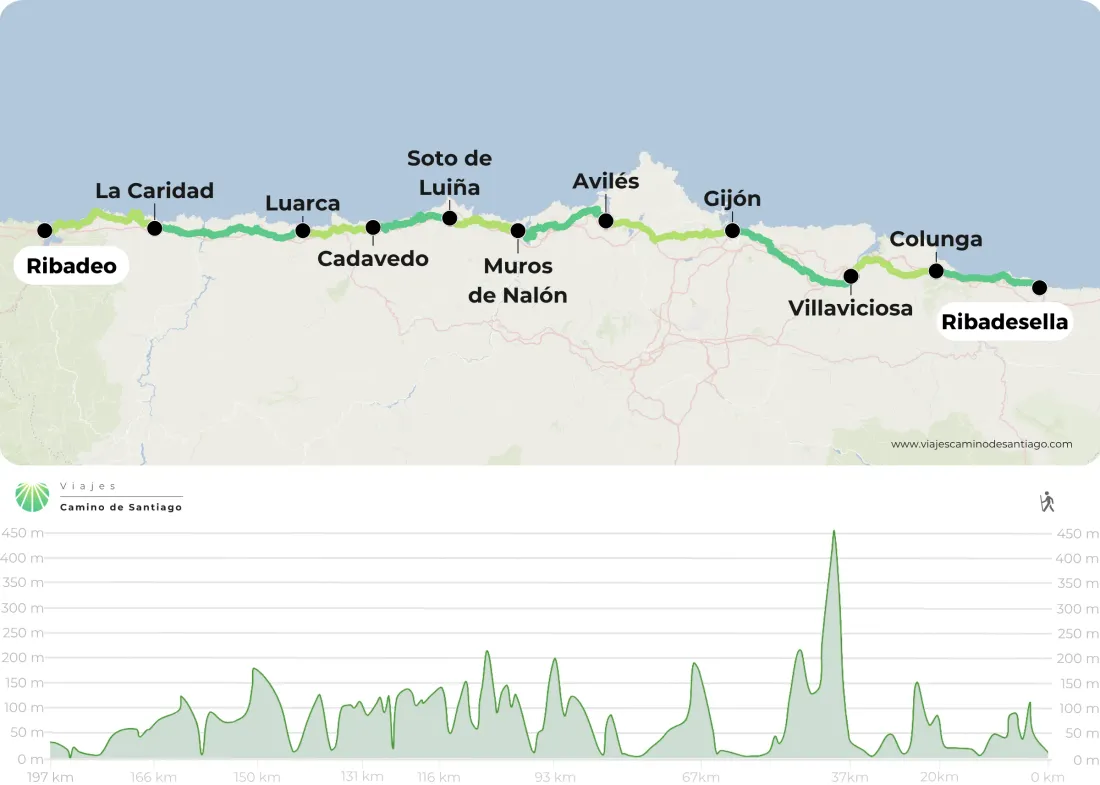
Map of the Northern Way from Ribadesella to Ribadeo
Stages
- day 1
Arrival at Ribadesella
- day 2
Stage 1. Ribadesella - Colunga (20.1 km)
Today we say goodbye to Ribadesella, leaving the town from its beautiful old town and head west, looking for the bridge to cross the estuary towards Colunga. We pass the beach of Santa Marina and continue to San Pedro de Leces. From here, we will advance with a slight upward slope and cross a lush valley, which will lead us to climb a hill and then descend to Vega de Ribadesella.
From the village, we will descend to the beach of La Vega and then we will continue between paths and stretches of the N-632, having the latter always as a reference of the route to follow. In this way we will arrive to Berbes, from where we will continue advancing with the reference of the road, along parallel paths and tracks. We will cross the Arenal de Morís beach, before arriving at La Espasa.
From La Espasa we only have a little more than 5 kilometres to go. Here we will have to decide whether to continue straight on towards Colunga, or to make a small detour towards the coast, passing through the town of La Isla.
To consider
Just as we recommend you enjoy the gastronomy of Ribadesella, Colunga is known as the region of cider, so you cannot leave without visiting a cider cellar.
Places of interest
- Church of Santa María de Sebrayo
- Historical centre of Llastres
- Jurassic Museum
- La Griega Beach
Typical dishes
- Game meat: wild boar, roe deer, fallow deer
- Fabada
- Anchovies
- Fish and seafood (sea urchins, lobsters, gurnards...)
- Cider
- day 3
Stage 2. Colunga - Villaviciosa (17.2 km)
As usual, we will leave Colunga following the N-632, a route that will accompany us almost to the end of the stage in Villaviciosa. Subsequently, we will take the CL-1 heading towards Pernús. From there, we will continue ascending along the same road until we reach the village of La Llera.
From La Llera, we will keep advancing with the slope in our favor until we reach Priesca. Once we have reached this point, we must continue westward, with a descending slope, until we pass the small village of La Vega and arrive at Sebrayo. From here, there will only be 6 kilometers left to reach our end of stage in Villaviciosa.
Things to consider
The 17 kilometers that separate Colunga from Villaviciosa are basically a rest after the demands of the previous stages. And speaking of rest, today you should adequately replenish your strength, as tomorrow we head towards one of the main cities of Asturias: Gijón. It is a city that is worth exploring to the fullest.
Places of interest
- Church of San Pedro (Pernús)
- Palace of Valdés (Villaviciosa)
- Remains of the wall (Villaviciosa)
- Monumental complex of Valdediós (Villaviciosa)
- Historic centers of Villaviciosa and Tazones
Typical dishes
- Seafood stew
- Squid
- Pixín (monkfish) and Bonito belly
- Fabes and Pitu de Caleya
- Scorpionfish pie
- day 4
Stage 3. Villaviciosa - Gijón (29.8 km)
Taking as a reference point the Church of Santa María de la Oliva we leave Villaviciosa along the streets Cabanilles and Maximino-Villar to advance along the river Linares, until we reach the Romanesque church of San Juan de Amandi, in the direction of Gijón. From Amandi, we continue until we reach La Regatina cider house, from where we turn off to the right, crossing a medieval bridge over the Linares river, until we reach Casquita.
Once in Casquita, we follow indications for Gijón, having as following point of reference the village of Niévares. In Niévares we begin the hardest part of the stage with the ascent to the Alto de la Cruz. From the Alto, we will have impressive views of the valley of Valdediós. Afterwards we will continue downhill to the village of Peón. Now we are going to continue advancing taking the AS-331 road as a reference. You will have to cross El Requexu and the Collado del Infanzón, before reaching Deva.
In Deva we are already very close to Gijón and we have two options to get to the city centre: we can take the Peñafrancia path or continue along the official route entering the city through the Cabueñes Hospital and the Universidad Laboral.
To consider
There are some pilgrims who decide to do the stage from Villaviciosa to Pola de Siero, to reach Oviedo the following day and link up with the Primitive Way, as an alternative to reaching Gijón.
Places of interest
- Roman Baths of Campo Valdés - Gijón
- Jovellanos House Museum - Gijón
- Jovellanos Theatre - Gijón
- Clock Tower
- San Lorenzo Beach
- Neighbourhood of Cimavilla
- The praise of the horizon
Typical dishes
- Escalopines with cabrales cheese
- Cachopo
- Lamb on the stake
- Fish and seafood stew from Gijón
- Chopa with cider
- Pregnant buns
- Dessert: Chaponas
- day 5
Stage 4. Gijón - Avilés (25.4 km)
Although we have a straightforward and risk-free departure ahead on the way to Avilés, as is inevitable, we will have a few kilometers of walking through an urban environment until we finally leave Gijón. The first reference population center we will encounter after leaving the city will be Pavierna.
From Pavierna, we will continue advancing through a beautiful rural area and the forests of Monte Areo. This place is an area of great archaeological interest, as it presents samples of megalithism and Neolithic tumuli that are well worth a closer look.
After crossing Monte Areo, we will arrive at the church of Santa Eulalia, where we can stop to rest a bit. From here, the next reference point will be Zancornio and, subsequently, after passing by the church of San Juan de Tamón, we will reach Tabaza.
Once in Tabaza, we must take extra precautions, as we will walk for a good stretch along the shoulder of the AS-19 road. This way, we will reach Trasona, from where we will continue for a while longer on the same route until we switch to the AS-238, finally entering the city of Avilés.
Things to consider
After Holy Week, specifically on Palm Sunday and Easter Monday, the festival of El Bollo is celebrated in Avilés. It is declared a National Tourist Interest Festival, so we recommend organizing your stay in advance if you coincide with these dates before leaving Gijón.
Places of interest
- Sabugo Neighborhood
- Ferrera Park – Avilés
- Palacio de Camposagrado – Avilés
- Church of Santo Tomás de Canterbury
- Church of San Antonio de Padua
- San Juan Lighthouse – Avilés
- Urban History Museum of Avilés
- Dock Park – Avilés
Typical dishes
- Asturian Fabada and Cachopo
- Local cheeses (La Peral, Gorfolí...)
- Longaniza from Avilés
- Fabes with clams and various rice dishes
- Marañuelas and Nieyemitas (traditional sweets)
- Easter bun and Colasinos
- day 6
Stage 5. Avilés - Muros de Nalón (23.2 km)
Today we have ahead of us an itinerary filled with towns, so there will be plenty of urban sections. We will leave Avilés wandering northwest until we take the Avenida de la Alemania, through which we will exit the city towards Salinas. There, we will briefly encounter the sea before delving back into inland sections.
From Salinas, we continue towards San Martín de Laspra, first crossing urban streets and then beautiful dirt paths. Once there, we will proceed with a favorable slope, passing very close to Piedras Blancas. After this area, we will advance between paved and dirt tracks through very pleasant rural and wooded sections until we reach Santiago del Monte. From this point, we will take the AS-318 road towards the nuclei of La Arena and Ranón.
Subsequently, we will begin a long forest track that will lead us to El Castillo, from where we can already see the mouth of the Nalón estuary. After visiting the Castle of San Martín, we will continue along a paved path until Soto del Barco.
From Soto del Barco, we will cross the Nalón estuary via the N-632 bridge. It is necessary to exercise caution here, as the pedestrian passage is narrow. Once we have crossed the bridge, we will continue straight, omitting the detour to the right towards San Esteban de Pravia, to finally reach Muros de Nalón, our stage end.
Things to Consider
Although it is not part of the official route, you have the option to make a small detour to San Esteban de Pravia after crossing the estuary. This will allow you to explore the spectacular "Route of the Viewpoints" before arriving at Muros de Nalón.
Places of Interest
- Church of Santa María (Muros de Nalón)
- Aguilar Beach (Muros de Nalón)
- Casa Altamira (Muros de Nalón)
- Plaza del Marqués de Muros (Muros de Nalón)
Typical dishes
- Fabes with monkfish
- Grilled or steamed monkfish
- Fish stew from the Cantabrian Sea
- Croquettes with Cabrales cheese
- Afuega'l pitu cheese
- Asturian cider
- Almond pudding
- day 7
Stage 6. Muros de Nalón - Soto de Luiña (15.3 km)
To leave Muros de Nalón, we should head for the Tourist Office, where we can find information on how to get to Soto de Luiña. After crossing the FEVE tracks twice, we will enter a dense wooded path, leaving the town. After advancing a few more metres, we shall come across the FEVE railway again, which we shall cross this time through a tunnel, arriving at the village of El Pito, in the Council of Cudillero. As today's stage is quite short, we recommend visiting the beautiful coastal town of Cudillero, the distribution of its typical architecture facing the sea, does not leave anyone indifferent.
For those who continue without visiting Cudillero, we head directly to El Rellayo. From El Rellayo, we will pass by the beach of La Concha de Artedo, to continue along paths until we pass under two viaducts arriving at the small village of Mumayor. We cross the village of Mumayor and continue through thick and dense wooded paths, coloured with the characteristic Asturian green, until we reach the pretty village of Soto de Luiña.
To consider
If you have never been to Cudilleru, we strongly recommend that you don't just head off to finish the stage in Soto de Luiña without knowing it, so we assure you that the effort of walking a few kilometers more turning off in El Pito, only 4 kilometers from Muros de Nalón is worth a visit.
Places of interest
- Cudillero
- La Quinta de Selgas - Cudillero
- Chapel of the Humilladero - Cudillero
- Church of San Martín de Luiña - Cudillero
- Church of Santa María - Soto de Luiña
Typical dishes
- Fish and seafood
- Sea urchin cream
- Calf meat culón
- Pot
- Cider
- Rice pudding
- Frixuelos
- day 8
Stage 7. Soto de Luiña - Cadavedo (18.5 km)
We leave Soto de Luiña and after walking just over a kilometer, we come across the fork after passing the Cabo Vidio hotel, where we must decide our way to reach Cadavedo. At the fork, we find a milestone that reads: "Ballota" straight ahead, "Camino" to the left. Here, you will need to choose whether to continue along the spectacular cliffside coast of this coastal stretch or to view it from the Sierra de las Palancas.
- Sierra de las Palancas Route: this is a beautiful route through the Sierra de las Palancas. From here, you will have the opportunity to see the beautiful cliffs of the Asturian coast from above. This route is well marked and is a bit more challenging than the coastal variant. The main points it crosses are Caserío Silvaoscura, Pico Carbonín, and Pico Paradiella.
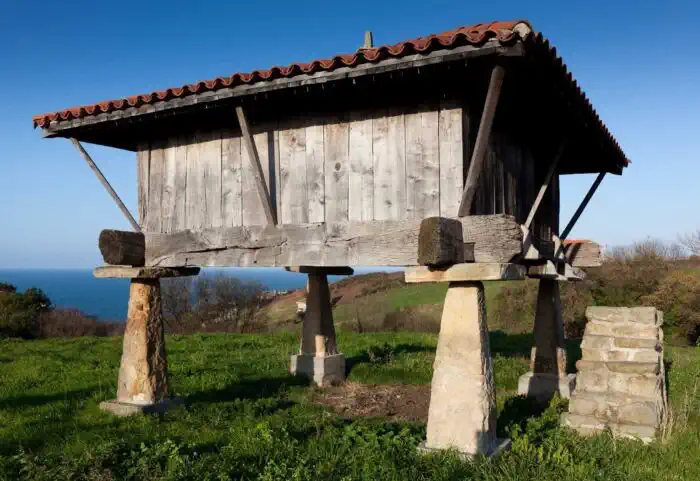
- Royal Way of the Ballotas: this is the option most chosen by pilgrims, and it is not without reason. Along this path, we have the opportunity to stop and visit iconic places on the Asturian coast, such as Silencio Beach, Cadavedo Beach, or Regalina Beach and its spectacular viewpoint, which consists of a hórreo and a small hermitage.
Things to Consider
If you visit the Regalina viewpoint, take extra precautions. Recently, last winter, they had to intervene and move back the famous hórreo of the viewpoint, as it is located in an active cliff area that collapses and suffers landslides after episodes of heavy rain, so we recommend exercising caution on the path from Soto de Luiña, and even carefully considering our fork to Cadavedo.
Places of Interest
- Silencio Beach - Castañeras
- Campiecho Beach - Cadavedo
- Cadavedo Beach - Cadavedo
- Regalina Viewpoint
Typical Dishes
- Fish and seafood soups
- Meats: cachopos, escalopines with Cabrales cheese, veal.
- Fish and seafood stews
- Asturian fabada
- Fabes with clams
- Eel pie
- Cider
- day 9
Stage 8. Cadavedo - Luarca (15.3 km)
We leave Cadavedo following our inseparable companion on the way, the N-632 road, a route that will accompany us almost to the end of our stage in Luarca. The first population center we will encounter will be the village of Villademoros. After passing through it, we continue walking along tracks and dirt paths until we reach the next village: San Cristóbal.
Once again, we advance following the course of the N-632 until we reach Queruás. Here, the pilgrim can choose to detour to explore the town center or continue straight along the national road to the church of San Miguel de Canero. From this point, the path continues into a small forest of Atlantic vegetation, mainly composed of oaks and chestnuts.
Subsequently, we cross the Esva River via the bridge on the national road and continue towards Barcia. Once in Barcia, we are just 3 kilometers away from our goal: the "white town" of Luarca.
Things to consider
As it is a short stage, we recommend getting up early if you leave Cadavedo to arrive early in Luarca. This way, you can spend the afternoon enjoying its port, its fishing neighborhoods, and its unique atmosphere by the Cantábrico.
Places of interest
- Church of Santa Eulalia (Luarca)
- Cemetery and hermitage of Our Lady the White
- Salinas Beach
- Historic center and promenade
- Luarca Lighthouse
- Chano Viewpoint
Typical dishes
- Sirloin, eel, or mackerel empanadas
- Squid in its ink
- Traditional bonito roll
- Fish and seafood stew
- Greens stew and Asturian Fabada
- day 10
Stage 9. Luarca - La Caridad (30.5 km)
We leave Luarca from the town hall square, ascending along La Peña street. After crossing the Negro River, we climb up to the village of Villuir to head towards La Caridad. From here, the route continues between stretches of road and rural paths until reaching the nucleus of Otur.
From Otur, we continue alternating stretches parallel to the N-632 road with comfortable rural paths that allow us to discover the culture of western Asturias. Subsequently, we arrive at Villapedre and Piñera, already in the council of Navia. We keep moving towards the town of Navia, passing through the localities of Villaoril and La Colorada.
Upon reaching Navia, those pilgrims who wish can end the day by staying overnight in the town. For those who decide to continue, we must cross the Navia River and proceed towards Jarrio. From Jarrio, we advance towards the beautiful village of Cartavio, from where there are only 3 kilometers left to reach La Caridad, the capital of the council of El Franco.
Things to consider
It is possible to shorten the stage by spending the night in Navia, located about 20 kilometers from Luarca. There is the San Roque shelter, often highlighted as one of the best-rated along the Northern Way, making it an ideal alternative if one does not wish to reach La Caridad in a single day.
Places of interest
- Otur Beach
- Chapel of Malatería
- Partial Natural Reserve of Barayo Beach
- Palace of Jardón – La Caridad
- Forge Museum – La Caridad
Typical dishes
- Fabes with clams
- Seafood and fish from the Cantabrian Sea
- Fish pies
- Tripe and Caldo de rabizas
- Grilled meats
- Rapón de maíz (traditional savory pie)
- Desserts: Ricotta, fereixoles (frixuelos) and buñuelos
- day 11
Stage 10. La Caridad - Ribadeo (29.6 km)
We depart from La Caridad heading towards the village of San Pelayo to set our course for Ribadeo, first passing through Valdepares. At this point, we are presented with two options: take a detour along the coastal path to explore Cabo Blanco, la Atalaya, and the beach of Porcía, or continue straight to the center of Porcía. We undoubtedly recommend the coastal alternative.
After surpassing Porcía, we will have to decide again whether to continue the stage through Tapia de Casariego (coast) or through Tol (interior). The coastal variant passes through the beautiful towns of Salave, Tapia, Villamil, and Villadún, allowing us to enjoy the cliffs and beaches of the Cantabrian Sea. In contrast, the interior option goes through Brul, Tol, Barres, and Figueras, offering a final immersion in rural Asturias before entering Galicia through the municipality of Ribadeo.
Things to Consider
Some pilgrims choose to spend the night in Vegadeo instead of Ribadeo. If this is your case, after crossing the Tol River, you should take a detour to the left towards the center of that locality.
On the other hand, Playa de las Catedrales is one of the major tourist attractions in Galicia. Although it is located about 10 km off the official route of the Camino, the trip is worth it to admire the impressive rock formations sculpted by the sea. It is essential to plan this visit before leaving La Caridad, as it is a protected area that requires prior reservation and is dependent on the tides.
Places of Interest
- Port and Lighthouse of Tapia de Casariego
- Beach of Peñarronda
- Parish Church of San Esteban (Tapia de Casariego)
- Tower of los Moreno (Ribadeo)
- Beach of As Catedrais (Ribadeo)
Typical Dishes
- Octopus á feira
- Razor clams and squid from the estuary
- Fresh fish: grouper, bream, or sea bass
- Seafood rice
- Dessert: As Catedrais cake
- day 12
End of the Camino
After arriving... End of the Camino
Frequently Asked Questions
-
What is on-the-road telephone assistance?
In your travel documents, you'll find an emergency telephone number where we're accessible while you're on the road. This ensures you'll journey with peace of mind, knowin our team members will assist you with any problems, incidents, or questions you encounter along your Camino de Santiago.
-
What is travel insurance?
It is the guarantee that you can enjoy your Camino in a safe way. In our trips you already have an insurance included with your trip to be protected during the Camino de Santiago. We will send you the insurance policy along with all the documentation of your trip, so you will have everything you need to enjoy the Camino with peace of mind. Walk without worries! -
What does the private transfer service consist of?
We have a taxi service that you can hire whenever you need it. You can hire it, for example, to go from the airport to the start of your Camino, or to go from Santiago to your starting point to pick up your car once you finish the stage. The price of the transfers will depend on the distance from your point of origin to the destination. If you have any questions about this service do not hesitate to contact us. -
Where are the accommodations located?
In your travel documents, you will find the names of the accommodations assigned to you, as well as their contact telephone number and location. As a general rule, all accommodation are located in the centre of the different towns along the Pilgrims' Route to Santiago de Compostela, without the need to deviate too far from the route. But sometimes, due to lack of availability, it is possible that some accommodation may be a little far from the village or even in neighbouring towns. For all the accommodations that are at a considerable distance from the route of the Camino, we will provide you with a free taxi service that you can use to get to your accommodation and return to the Camino the next morning. In any case, these are exceptions that we will inform you at the time of booking. -
What coverage does the travel insurance have?
The basic travel insurance included in our packages offers extensive coverage against unforeseen events, ensuring you'll receive guaranteed medical assistance and numerous benefits. You can review the specifics in the General Conditions of Travel Insurance.
-
How do I make a reservation?
To make a reservation, you can follow these steps:
- Through our website: Select the route you want and follow the steps indicated in the form. Provide your personal information and that of your companions, choose the type of accommodation, room distribution, meals, transfers, bike rental, etc.
- By email: If you prefer to make the reservation by email or need a personalized trip, you can send us an email to info@viajecaminodesantiago.com. We will provide you with the necessary information to complete the reservation via email.
It is important to note that if the routes or services available on the website do not meet your specific needs, you can request a personalized quote by sending an email to info@viajescaminodesantiago.com.
-
What does Camino de Santiago on your own mean?
In this modality you will do the Camino de Santiago at your own pace and you will only have to worry about choosing the route you like the most, the type of accommodation and your departure date. If you choose this option you will travel alone or with the people that appear in your reservation, and you will have all the services included so that you only have to worry about walking and enjoying the experience. -
Can I choose the dates I want?
In self-guided trips, you can choose any date to start your adventure, with no difference in price. However, if you wish to do so between December and January, it is important that you consult us beforehand, as many places are closed during those months and some services are not operational.
In organized groups, it is not possible to choose dates outside of the scheduled ones, and you must adhere to the proposed departure dates.
-
What is luggage transport and how does it work?
Luggage transport service by default is included in all our trips and it is not necessary to request it. You can enjoy the Camino de Santiago without the burden of carrying your luggage on your back, knowing that your suitcase will be waiting for you at your next accommodation upon your arrival. Along with your credential, you'll also receive stickers. Cover these stickers with the requested information and stick them in a visible place on your suitcase. Upon arrival at your accommodation, we suggest asking at the reception where you can leave your luggage. You'll need to leave your luggage at the designated spot early in the morning for our carrier to pick it up. This ensures that when you arrive at your next accommodation, your luggage will already be waiting for you. -
What services are included in the Camino de Santiago on your own?
The Camino de Santiago at your own pace includes the following services:
- Accommodation for resting.
- Luggage transport so you do not have to carry it.
- An informative dossier with details about the stages.
- The Pilgrim Passport.
- A 24-hour assistance phone number available at all times.
- A travel insurance for your peace of mind.
Additionally, you have the option to customize your experience by adding extra services:
- You can choose whether to include breakfast or half board.
- We offer private transfers to take you to the start of the stage from Santiago de Compostela, from its airport, or any other point.
- We can take your vehicle from the starting point to the end of your Camino.
- You have the option to book extra nights at the beginning or end of your trip.
Unlike group trips, we do not include a guide or support vehicle between stages. However, we provide you with a 24-hour assistance phone number to resolve any issues or unforeseen events you may encounter on your journey.
Northern Way from Ribadesella to Ribadeo
From 953,50 €