


The Camino de Santiago from Vilalba, the final stretch of the Northern Way through rural Galicia. 118 kilometres through Baamonde, Sobrado dos Monxes and Arzúa to the Plaza del Obradoiro, among oak woods, hamlets and the famous Cistercian monastery of Sobrado.
We handle the logistics so you only have to walk: accommodation, your pilgrim's credential, full documentation and travel insurance, from 372 €. The daily luggage transfer is there if you want it: you choose how much you carry.
The trip along the Northern Way from Vilalba to Santiago is organised by Viajes Camino de Santiago®.
Services
Included in all our routes
- Accommodation
8 days / 7 nights
- 8 days / 7 nights accommodation
- Complete documentation (Dossier and material for the Camino)
- On-the-road emergency telephone assistance
- Pilgrim's Credential
- Travel insurance
Optional
- Extra night
- Luggage transfer during the stages. (1 piece per person max 15 kgs)
- Supplement for single room
- Breakfast
- MP (Breakfast and dinner)
- Cancellation Insurance
Accommodations
- Most popular
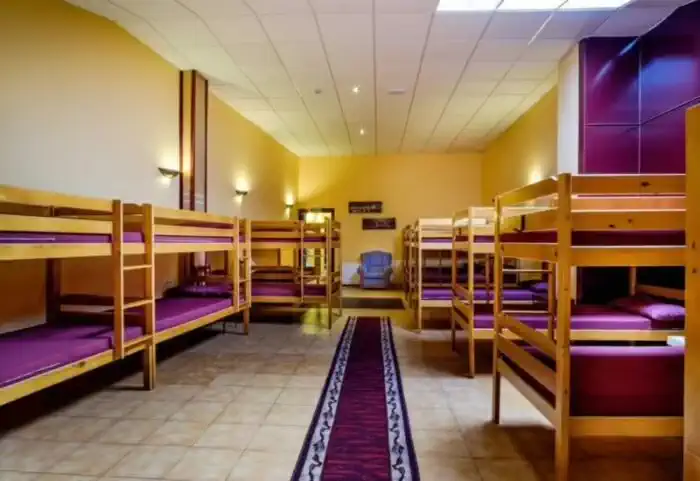
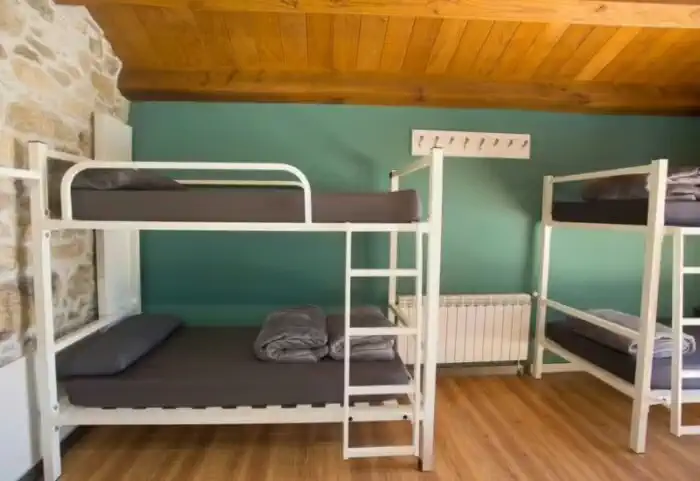
Basic accommodation (Private hostels)
372 €
The most authentic accommodation on the Camino. Hostels are the ideal option for those traveling on a tight budget, solo pilgrims, or anyone who wants to experience the Camino de Santiago in its purest form. They are the perfect place to socialize, share stages, and connect with fellow walkers along this ancient route.
- Most popular
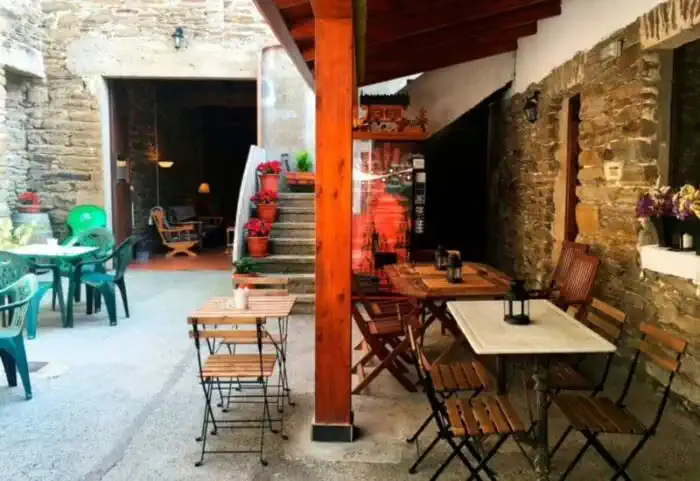
Private comfort (Guesthouses, rural houses and small hotels)
595 €
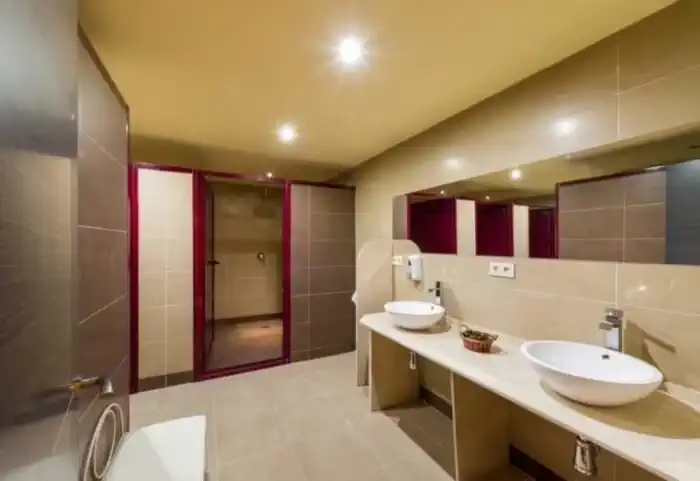
The perfect balance between charm and comfort. Guesthouses, B&Bs and country houses await you in the villages along the Camino with private rooms, private bathrooms, TV, and daily cleaning service. Simple and welcoming, they are the ideal place to truly rest and enjoy the peaceful rural essence that only the Camino can offer.
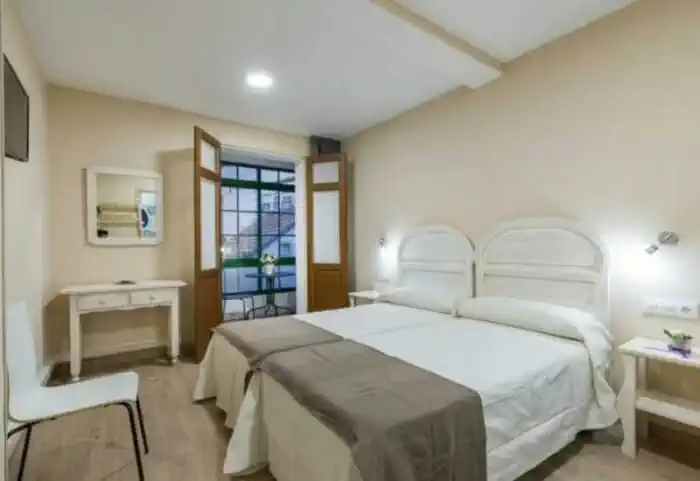
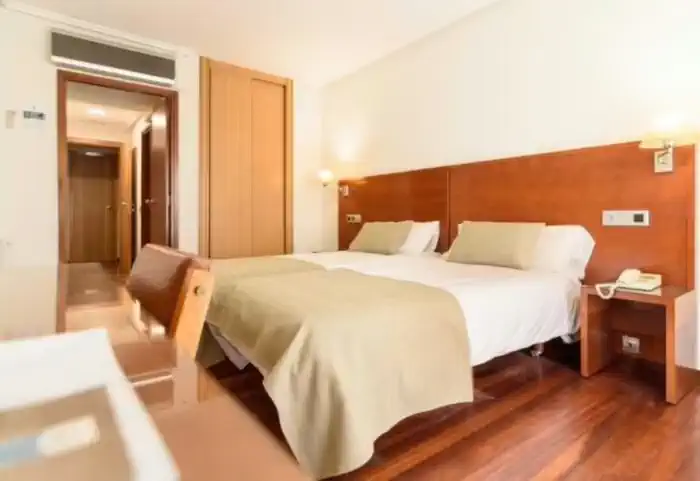
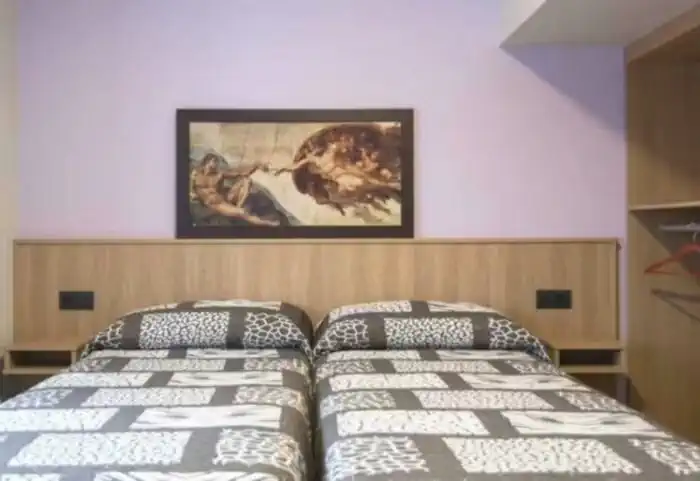
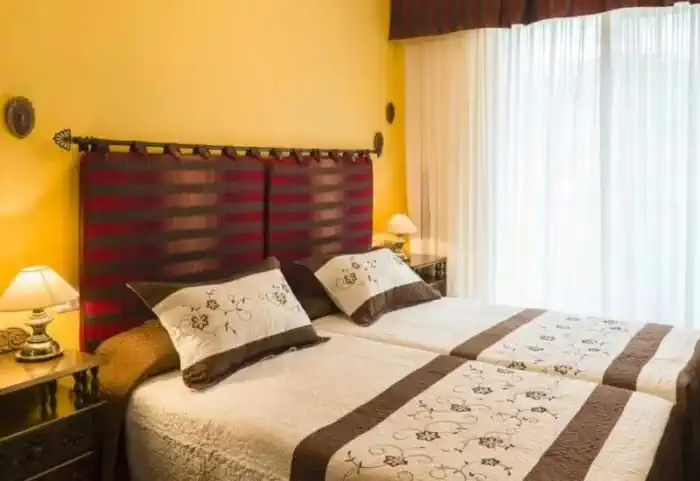
Photos


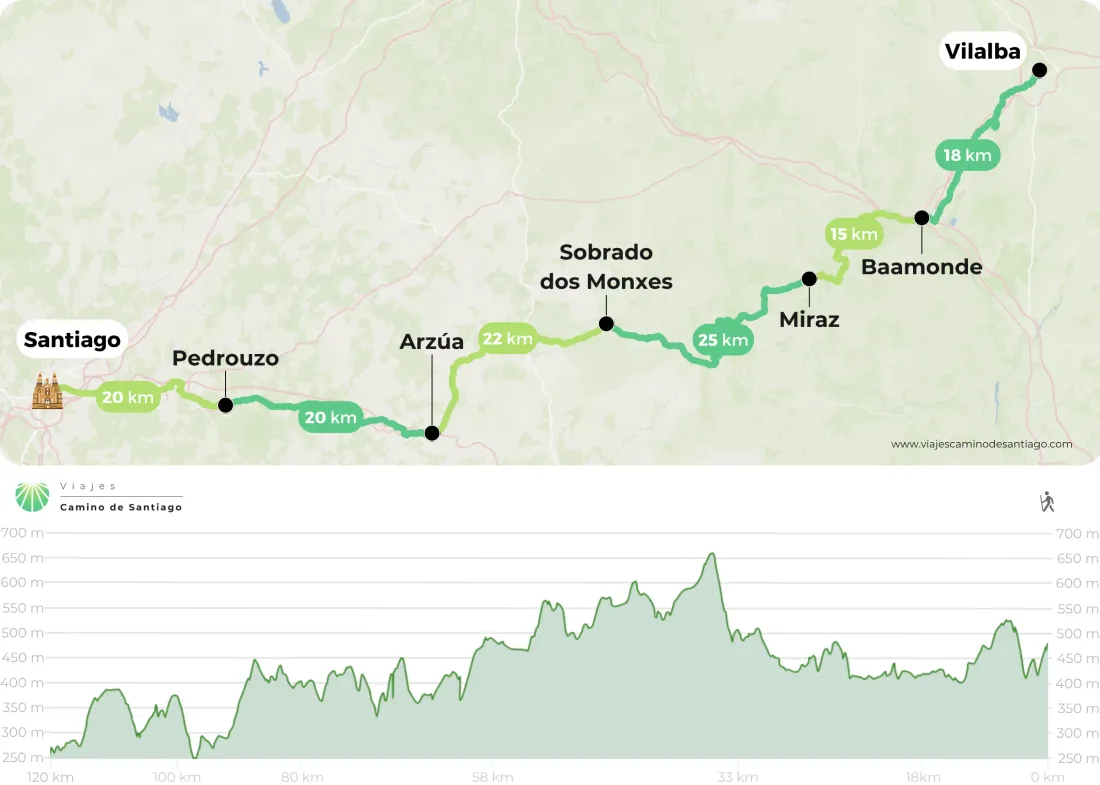
Map of the Northern Way from Vilalba
Stages
- day 1
Arrival at Vilalba
- day 2
Stage 1. Vilalba - Baamonde (18.5 km)
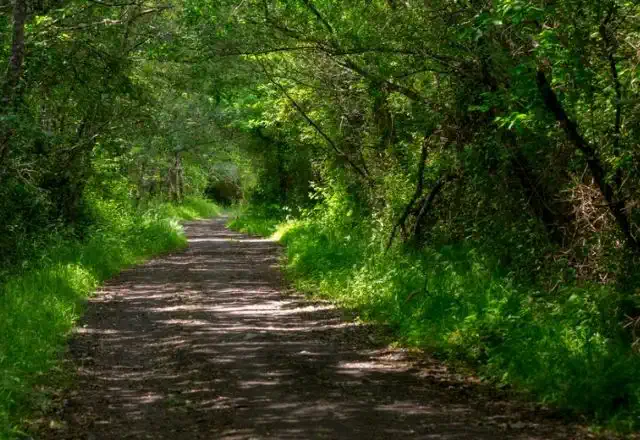
A calm, comfortable stage through inland Galicia. You leave Vilalba, crossing the Madalena and Trimaz rivers, and continue along lovely wooded paths. The prettiest spot of the day is the Ponte de Saa, a medieval bridge over the Labrada river. Passing through small hamlets, you reach Baamonde, where the stage ends.
- day 3
Stage 2. Baamonde - Miraz (15 km)
A short, very green stage. You leave Baamonde, cross the Parga river over a medieval bridge and enter a beautiful carballeira (oak grove) sheltering the chapel of San Alberte, a place of great scenic and spiritual power. Passing through small hamlets, you reach Miraz: better to split your day here than push on for the 30-plus km to Sobrado in one go.
- day 4
Stage 3. Miraz - Sobrado dos Monxes (24.9 km)
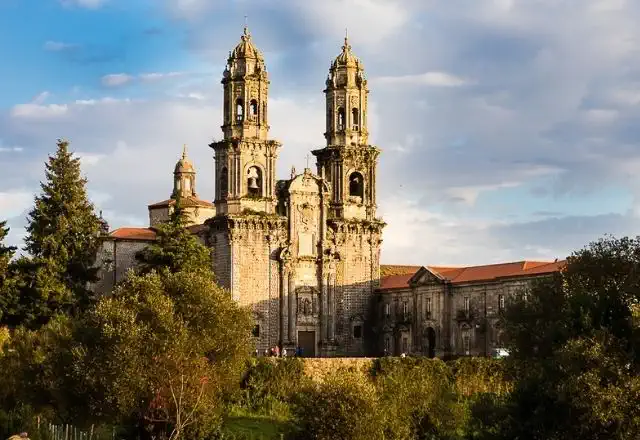
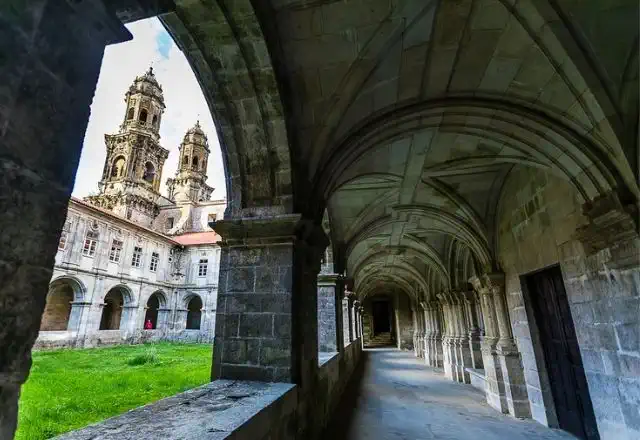
A magical, deeply natural stage. From Miraz, along paths once trodden by the ancient Galician Celtic tribes, you climb to Alto da Mámoa and crown the roof of the Camino del Norte, at 710 metres. You leave Lugo behind to enter A Coruña, finishing in Sobrado dos Monxes, famed for its stunning Cistercian monastery.
- day 5
Stage 4. Sobrado dos Monxes - Arzúa (22 km)
The last stage that truly belongs to the Norte. You leave Sobrado dos Monxes and its monumental monastery, continuing through wooded stretches and hamlets — A Gándara, with its Roman milestone; Sendelle and its church of Santa María. You finish in Arzúa, land of the famous cheese, where the Camino del Norte joins the Francés for the final stretch to Santiago.
- day 6
Stage 5. Arzúa - O Pedrouzo (19 km)
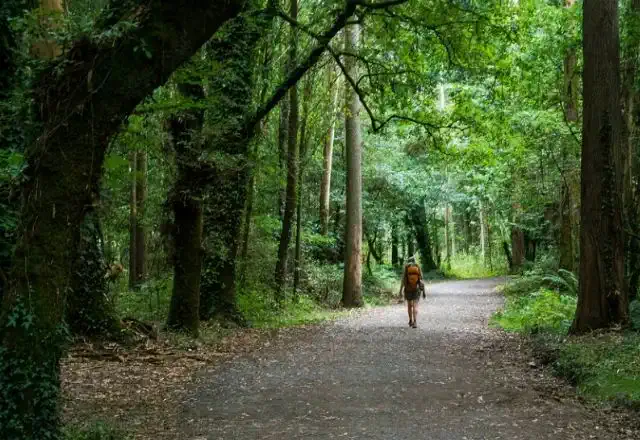
A pleasant walk over comfortable, flat terrain, with plenty of bars and restaurants to take it easy. You alternate between hamlets and pine and eucalyptus woods, with Salceda marking the halfway point of the day, a good spot to recharge. From there, only a few calm final kilometres remain to O Pedrouzo. You can already smell Santiago.
- day 7
Stage 6. O Pedrouzo - Santiago de Compostela (19 km)
The final stage! The earlier you set off, the sooner you'll set foot in Compostela. The magic moment arrives at Monte do Gozo, when you catch your first glimpse of the cathedral's towers: a perfect panorama to savour the last kilometres. Shortly after, your triumphant entrance into the Plaza del Obradoiro. You've completed your Camino del Norte and you're in Santiago!
- day 8
End of the trip
After your last night, you check out of your accommodation and your trip comes to an end.
Related Trips
 12 days / 11 nights
 9 days / 8 nights
 11 days / 10 nights
Frequently Asked Questions
-
Which Camino is harder: the Primitive or the Northern Way?
The Primitive Way is harder than the Northern Way because of its short but intense stages, with steep slopes and mountainous terrain. Although the Camino del Norte also presents challenges, it alternates mountainous sections with flatter stages along the coast. -
How many times must I stamp the Credential?
For the issue of the Compostela, you must stamp the Credential at least twice a day, but you can put as many stamps as you want. You can stamp it in churches, monasteries, all kinds of monuments, associations, shops, lodgings, bars, restaurants, town halls, etc. -
I need to cancel my reservation.
You can cancel your trip free of charge up to 15 days before the start date, with no need to give any explanation.
- 15 days or more in advance → refund of 100 % of the amount paid, with no penalty. The refund is processed within a maximum of 7 days.
- Less than 15 days → Between 15 and 8 days before: 50 % of the total amount. 7 days or less → 100 % of the total amount.
- No-show → no right to a refund.
If you have taken out the Cancellation Insurance, you must inform us regardless of how many days' notice you give, but you have to handle the refund process with the insurer yourself.
Transfer of the booking: if you cannot travel, you can transfer it to another person at no cost; we only need you to let us know far enough in advance for us to arrange it. In that case, payments are settled directly between clients.
The client is responsible for any additional cost arising from the cancellation.
⚠️ IMPORTANT: every cancellation must be notified by email: info@viajescaminodesantiago.com (cancellations are not processed by phone).
👉 More info: Booking conditions.
-
What is luggage transport and how does it work?
Luggage transport is included in group trips, trips with a dog and VIP trips; on all other trips it is an optional service you can add when booking. With it you can enjoy the Camino de Santiago without the burden of carrying your luggage on your back, knowing that your suitcase will be waiting for you at your next accommodation upon your arrival. Along with your credential, you'll also receive stickers. Cover these stickers with the requested information and stick them in a visible place on your suitcase. Upon arrival at your accommodation, we suggest asking at the reception where you can leave your luggage. You'll need to leave your luggage at the designated spot early in the morning for our carrier to pick it up. This ensures that when you arrive at your next accommodation, your luggage will already be waiting for you. -
Does the Northern Way from Vilalba qualify for the Compostela?
Yes. From Vilalba you walk 118 km to Santiago, above the minimum 100 km the Pilgrim's Office requires to award the Compostela. You just need to collect stamps in your Pilgrim's Credential (included in the trip) along the stages and show it at the Pilgrim's Office when you reach Santiago.
-
Why is there an overnight stop in Miraz between Baamonde and Sobrado?
Because it's over 30 km in one go from Baamonde to Sobrado dos Monxes, and it's better to split the day. So we divide it in two: Baamonde–Miraz (15 km), very green, with the San Alberte oak grove, and Miraz–Sobrado (24.9 km). That way you reach the monastery in one piece. It's the same on the Northern Way from Ribadeo.
-
What is the highest point of the Northern Way?
The Alto da Mámoa, at 710 metres, on the Miraz to Sobrado dos Monxes stage (24.9 km). The climb is gentle. It's a beautiful but very lonely stage, through small hamlets with few places to buy food, so carry water and something to eat. You finish in Sobrado, next to its Cistercian monastery.
-
What should I see and eat in Vilalba before starting the Camino?
Vilalba, capital of the Terra Chá, is a quiet town where you can arrive at a relaxed pace. Visit the Andrade keep, now a parador, and try San Simón cheese, smoked and pear-shaped. In the evening, a mixed grill: the local meat is famous. The next day your Northern Way begins.
-
Is the first stage, from Vilalba to Baamonde, difficult?
No, it's one of the easiest: 18.5 km on flat paths through woods and meadows. You cross the Madalena and Trimaz rivers, and the prettiest spot is the Ponte de Saa, a medieval bridge over the river Labrada. In Baamonde you have the Víctor Corral House-Museum and its thousand-year-old chestnut tree for the afternoon.
From Vilalba
From 372 €

Reviews
Tania lopez
Verónica
Maialen
kike mateo
garciafamily
Cristian Rodriquez
Patricia Jiménez Soto
Jorge Castillo Fernández
Marina Rivas García
Carla León Ortega
Iván Torres Cabrera