


The Night of San Juan
22 June, 2026
Explanation of the Night of San Juan, its origins and significance, with special attention to how it is celebrated in Spain and Galicia, including rituals such as bonfires and popular traditions, along with tips for experiencing this festival linked to the summer solstice and its magical atmosphere.

The arrival of summer transforms the Camino de Santiago into an even more special route. At the end of June, just when the afternoons become endless and the air smells of celebration, Galicia lights up with the Night of San Juan, or Noite de San Xoán in Galician. Imagine finishing your stage, leaving your backpack at the shelter, and feeling how the beaches and squares fill with music, laughter, and sparks flying into the sky. That moment when the sun gives way to fire is pure shared magic.
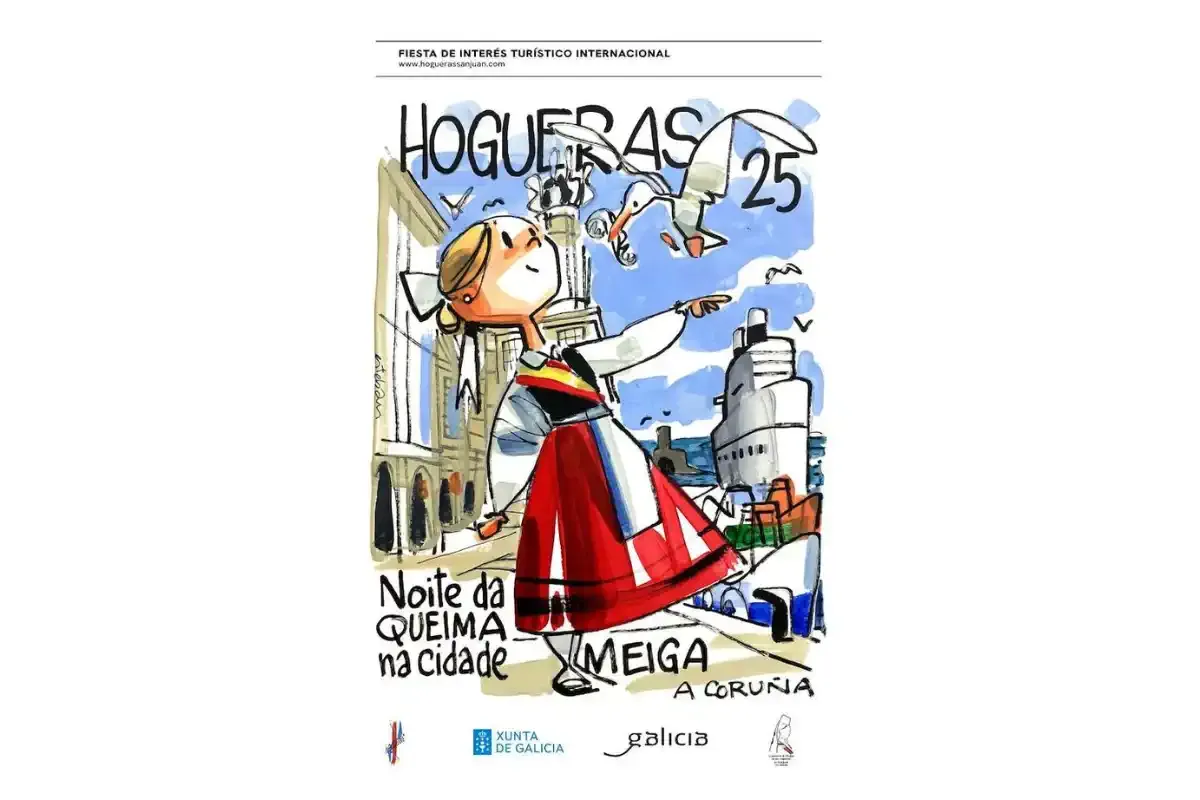
The Night of San Juan in A Coruña and Galicia is a deeply rooted celebration
What is the Night of San Juan
The Night of San Juan is the moment when the boundary between the everyday and the mythical blurs. On June 23rd, the eve of San Juan, the shortest night of the year and the start of summer, becomes a great collective celebration to bid farewell to the shadows of winter and welcome summer with open arms. Pilgrims, locals, and onlookers gather around the bonfires with the same intention: to burn the old, attract the good, and feel part of a tradition that has been alive for centuries.
History and Tradition
Long before our cities existed, the pre-Roman villages looked to the sky with concern as they noticed that, after the solstice, the days began to shorten. To "give strength" and honor the sun, they lit large bonfires that illuminated the shortest night of the year and drove away evil spirits. Additionally, they celebrated the omens of good harvests, essential for the collective survival facing winter. Over time, the Church gave a new meaning to the celebration by linking it to the birth of Saint John the Baptist, preserving the celebration on the eve of June 24th and imbuing it with religious significance.
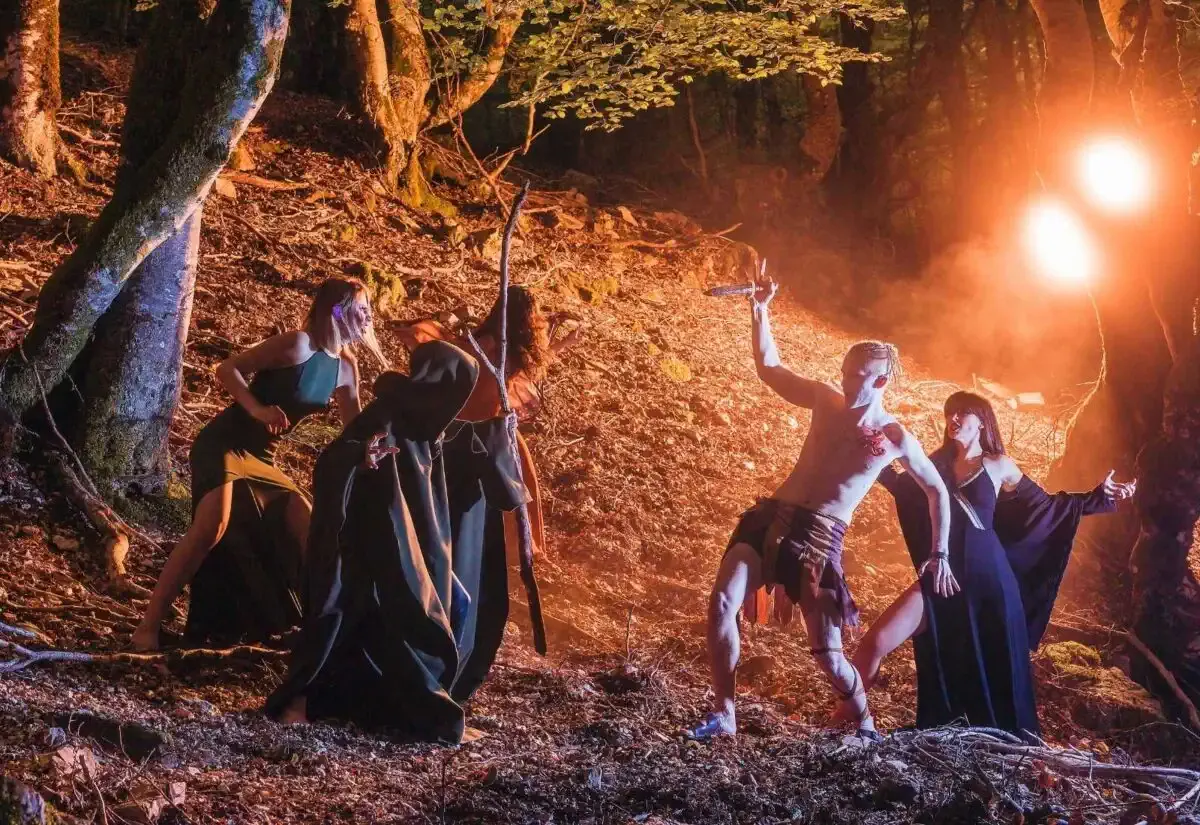
The summer solstice has always been a very important moment in pagan cultures
In Galicia, syncretism remains intact. The fire acts as a purifier, and those who dare to jump over the bonfire leave behind bad luck. Water is considered purifying, which is why many take a dip at midnight or wash their faces with the first ray of sunlight. And the herbs of San Juan — Saint John's herb, rosemary, fennel, broom, lemon verbena, fern, mallow — steep all night to absorb the energy of the moon and, at dawn, become a balm that drives away meigas and witches. Amidst the crackling of the firewood, the smell of sardines, and the murmur of the Atlantic, the memory of ancestors revives, and each participant feels like a link in a millennia-old chain.
As the saying goes: "On San Juan, the sardine moistens the bread."
Where to enjoy the San Juan festival in Galicia
San Juan in A Coruña
A Coruña, the starting point of the English Way, leads the most crowded celebration in the entire northwestern peninsula and boasts official recognition as a Festival of International Tourist Interest. The streets begin to vibrate days in advance, but it is on the morning of June 23rd when the big day begins, and a colorful procession of meigas travels through the historic center. The Fire of San Juan, blessed in the church of San Andrés, then travels to the beaches of Riazor and Orzán, where hundreds of groups raise their bonfires made of wood, old furniture, and a lot of enthusiasm.
As night falls, the smell of roasted sardines fills the promenade and the entire city gathers to watch a fireworks display that paints the ocean's surface with colors. Just at midnight, the giant bonfire burns amidst applause, and the jumps over the embers officially inaugurate the summer.
The next day, the meigas parade again, a mass-offering pays tribute to the saint, and the celebration continues.
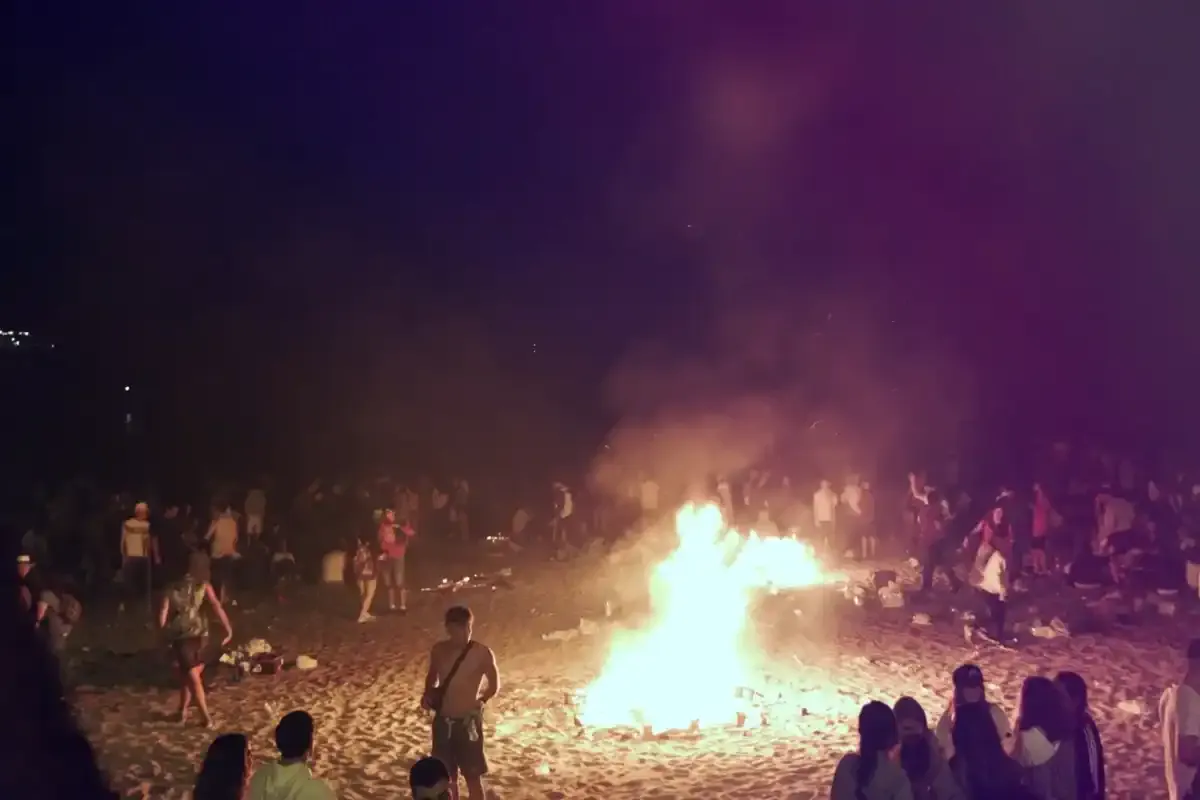
On San Juan, do not forget to jump over the bonfire (but be careful!)
Other points
If your route or schedule does not align with the capital of A Coruña, do not worry because the Galician coastline becomes a necklace of fire that stretches from Ribadeo to A Guarda. Vigo lights bonfires in Samil and O Vao accompanied by parties that last until dawn, Pontevedra fills its Alameda with lanterns and mixes bagpipes with pop music, Muros, Fisterra, and Ferrol combine their maritime tradition with collective baths under the moon, and inland, towns along the French Way such as Sarria or Melide organize outdoor parties so that no one is left without dancing. Wherever you are, you will discover the same essence: sharing a table, grill, and songs until you fall exhausted from joy.
How to celebrate the San Juan festival
As the eve of June 23 approaches, excitement can be felt in every corner of Galicia: wood piled in the corners, the aroma of fresh sardines, and conversations revolving around bonfires, spells, and magical herbs. Celebrating San Juan is not just about watching the fire, but living it with all your senses: cooking over the coals, toasting with queimada while the aguardiente burns blue, and letting the dew of the macerated herbs renew body and spirit at dawn. Below, we will tell you how to join each of these rituals so you can enjoy the shortest — and most intense — night of the year like a true Galician.
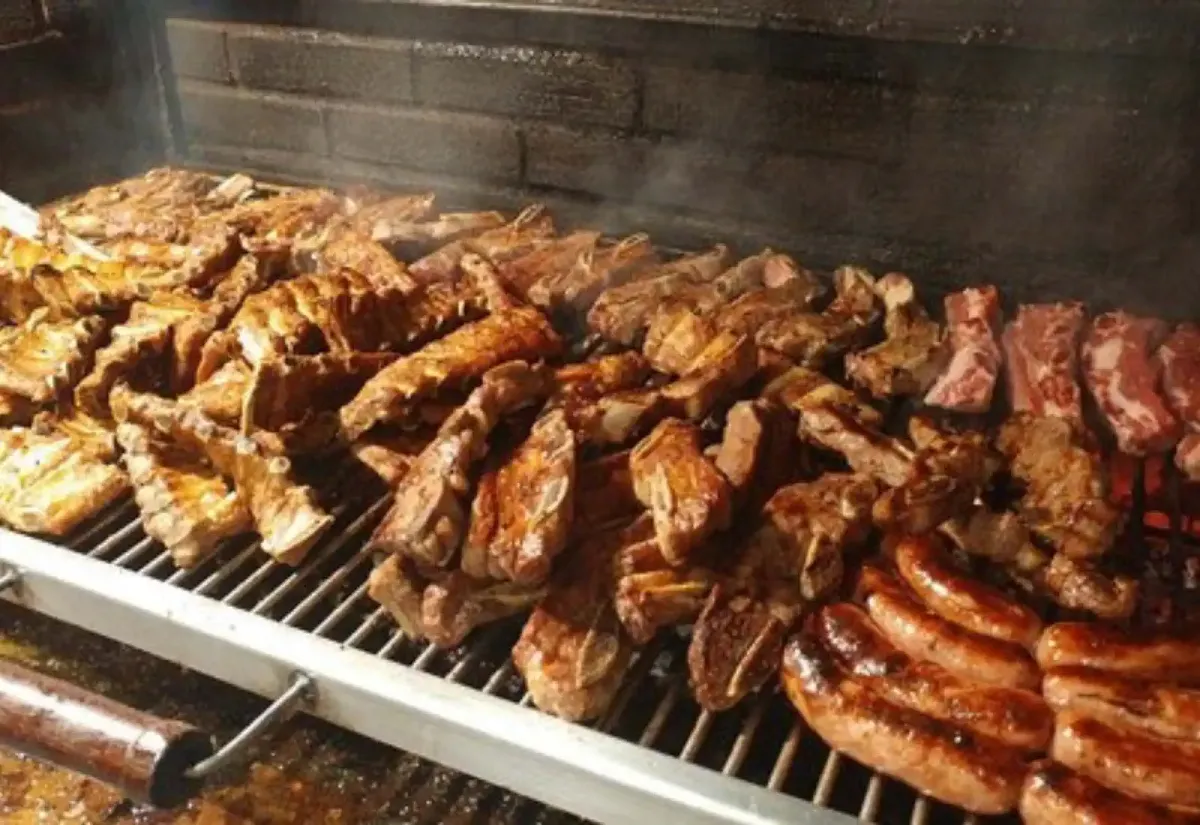
Besides the roasted sardines, churrasco is a classic at San Xoán
Fire, sardines, and churrasco
Find your group, gather firewood, and wait for the sunset to paint the sky orange. When the flames are alive jump over the bonfire three, seven, or nine times according to local custom. It is not just a simple jump: it is a rite to burn fears, close chapters, and start the summer with a light heart. Meanwhile, prepare the sardines and the churrasco for dinner and gather strength for the shortest night of the year.
Queimada
When the embers turn into a brazier, it is time for the Queimada. Pour aguardiente into a pot, add sugar, lemon peel, and a few coffee beans, and ignite the liquid while someone recites in Galician the famous conxuro that scares away meigas and evil spirits. The blue flames dance, the sweet aroma of the pomace intoxicates, and each sip tastes like a fulfilled spell.
Herbas de San Xoán
Hours before or hours after, perhaps on the same morning of the 24th, you will have gathered a small bouquet of aromatic herbs. Let it rest in water outdoors, and then wash your face with that mixture of herbas de San Xoán. It is said to bring beauty, health, and a year free of bad energies. You don't need to believe in witches to enjoy the freshness it leaves on your skin after the most intense evening of the calendar.
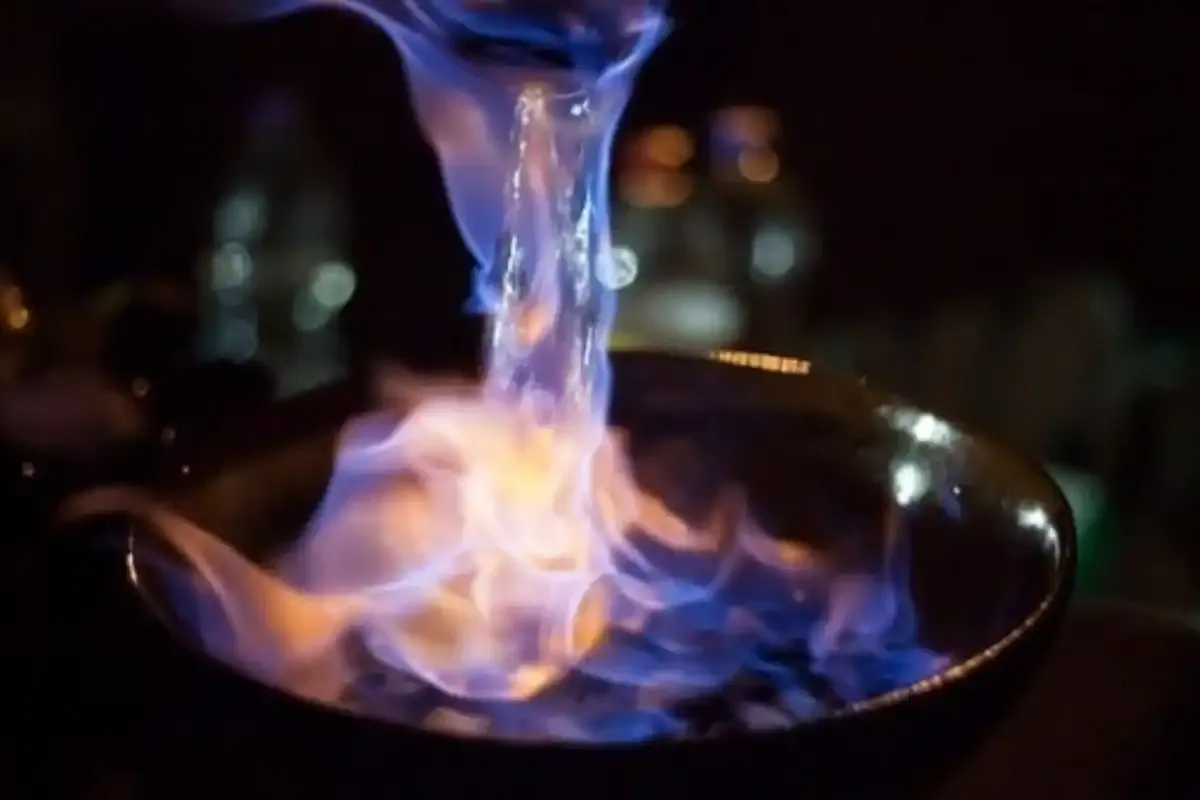
A good Galician queimada will protect you from evil spirits
Are you ready to experience it on your Way?
Plan your route to arrive in Galicia during the week of San Juan, book accommodation in advance, and prepare to feel how the Camino de Santiago in June lights up in a unique way. If you wish, we will take care of your Camino and have everything ready for you to experience the shortest — and brightest — night of the year without any other concern than to enjoy. We would love to accompany you! Calculate the price of your Camino here.
¡Ultreia and happy San Juan, pilgrim!