


The Camino de Santiago Inglés from A Coruña, the shortest route to Compostela from the Herculean city. 74 kilometres through Sigüeiro to the Obradoiro, among Galician countryside, hamlets and woods, in a few easy days.
We handle the logistics so you only have to walk: accommodation, your pilgrim's credential, full documentation and travel insurance, from 515 €. You can add the daily luggage transfer and walk with nothing but what you're wearing.
The trip along the English Way to Santiago from A Coruña is organised by Viajes Camino de Santiago®.
Services
Included in all our routes
- Accommodation
6 days / 5 nights
- 6 days / 5 nights accommodation
- Complete documentation (Dossier and material for the Camino)
- On-the-road emergency telephone assistance
- Pilgrim's Credential
- Travel insurance
Optional
- Luggage transfer during the stages. (1 piece per person max 15 kgs)
- Supplement for single room
- Extra night in Santiago de Compostela
- Breakfast
- MP (Breakfast and dinner)
- Cancellation Insurance
Accommodations
- Most popular
Private comfort (Guesthouses, rural houses and small hotels)
515 €
The perfect balance between charm and comfort. Guesthouses, B&Bs and country houses await you in the villages along the Camino with private rooms, private bathrooms, TV, and daily cleaning service. Simple and welcoming, they are the ideal place to truly rest and enjoy the peaceful rural essence that only the Camino can offer.
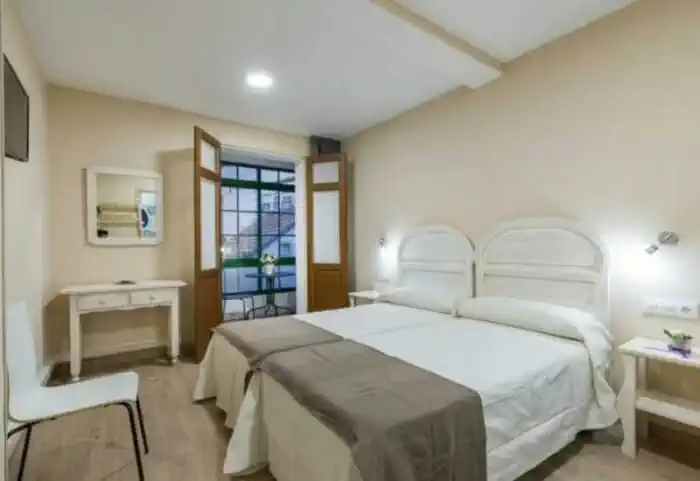
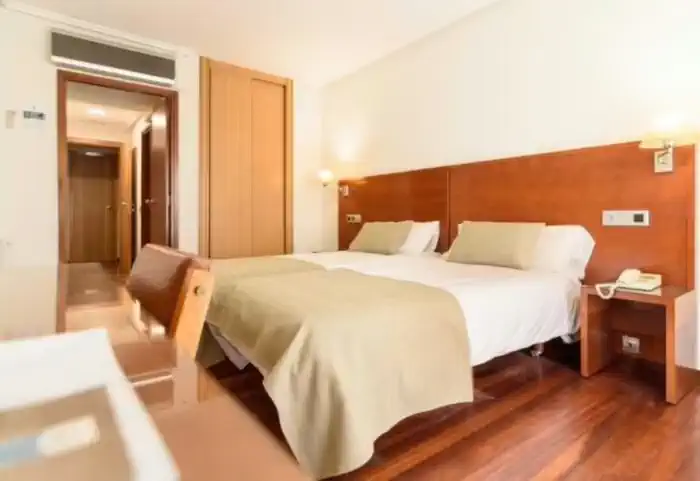
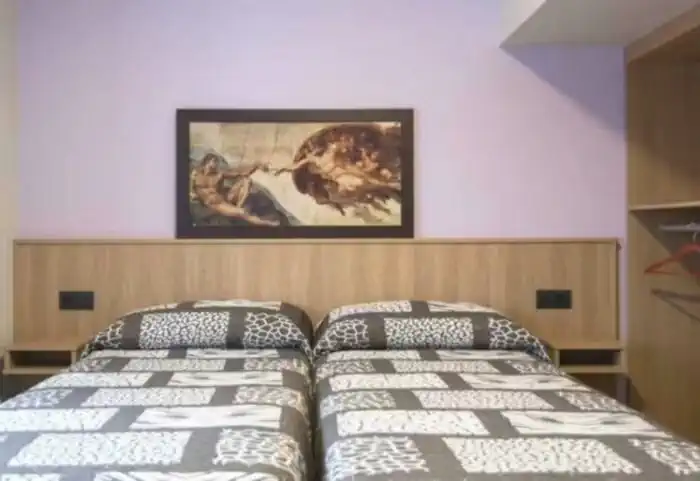
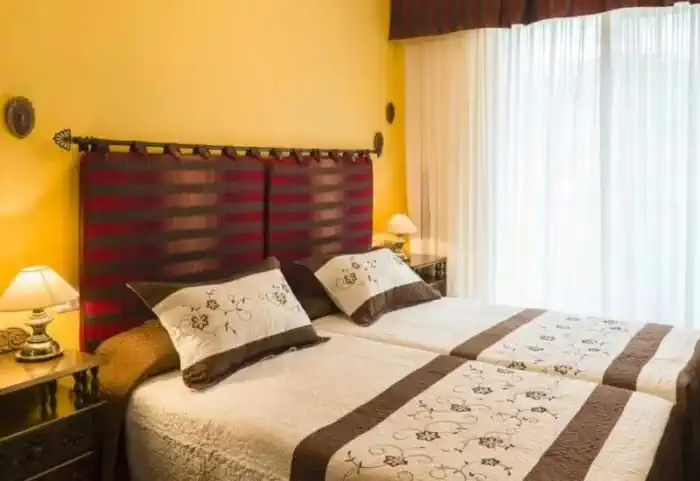
Photos
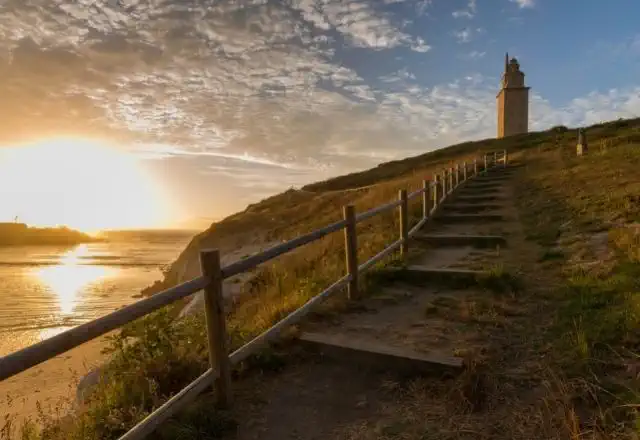
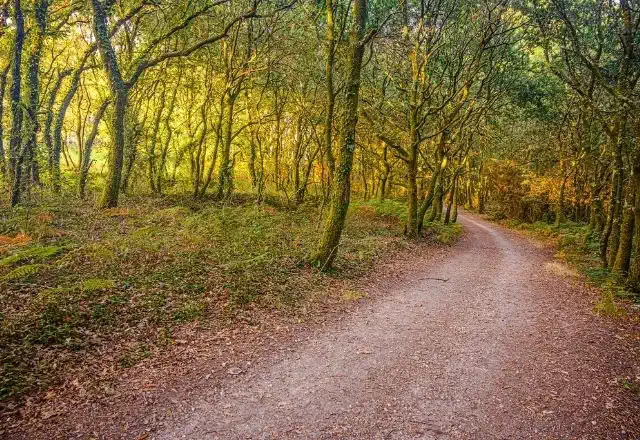
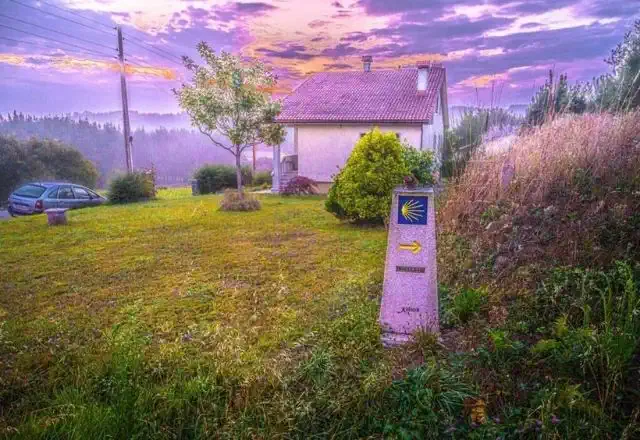
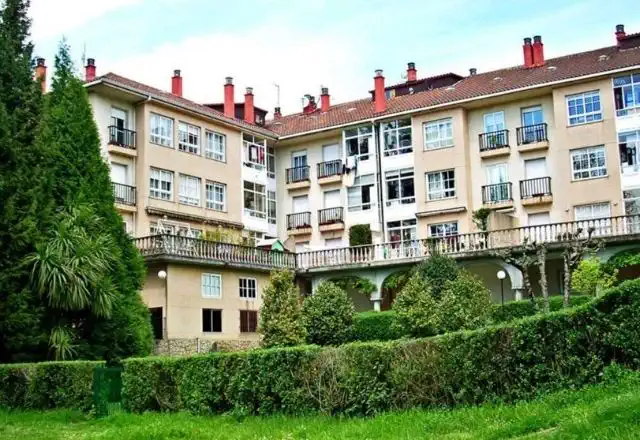
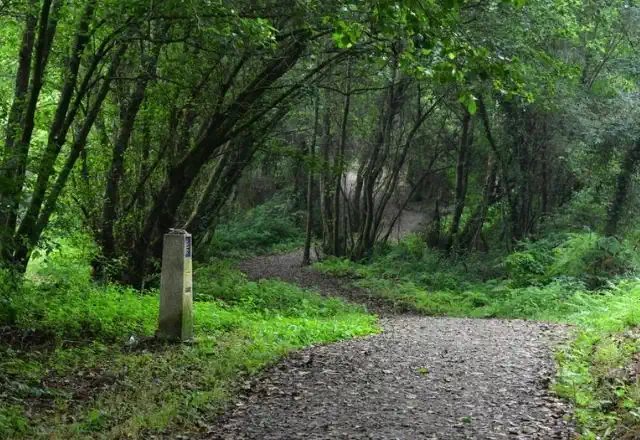
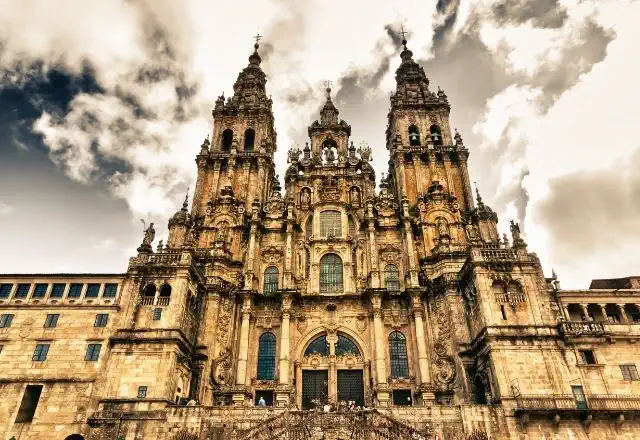
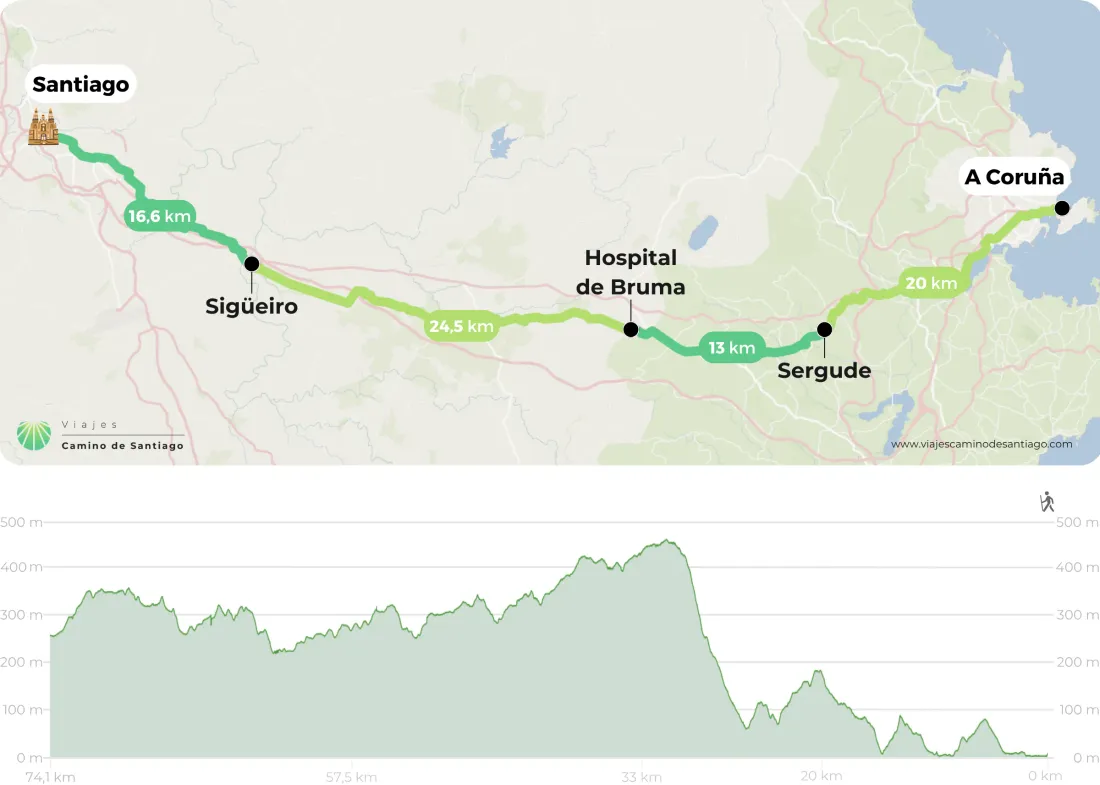
Map of the English Way from A Coruña
Stages
- day 1
Arrival at Coruña
- day 2
Stage 1. Coruña - Sergude (20 km)
You truly set off in front of the Iglesia de Santiago, right in the old town, and leave A Coruña along the galleries of the Marina. Soon the city gives way to the sea on the pleasant O Burgo promenade, with its Romanesque church and the old mills of Acea de Ama. You cross the medieval bridge of A Xira and continue among villages to Sergude, the end of this first stage.
- day 3
Stage 2. Sergude - Hospital de Bruma (13 km)
A short stage through the Galician countryside, quiet and sparsely populated. You walk between Abegondo and Carral to Mesón do Vento, where your route joins the one coming from Ferrol. One last climb takes you up to the Ordes plateau and leaves you at Hospital de Bruma, where the Jacobean past of its old pilgrims' hospital still lingers.
- day 4
Stage 3. Hospital de Bruma - Sigüeiro (24.5 km)
Today you head for Sigüeiro and feel Santiago getting closer and closer. The stage links small villages all the way to this town at the gates of Compostela, with Celtic hillfort roots — you can visit one of its castros. Take the chance to explore it calmly, have a relaxed dinner and turn in early: tomorrow the last stage to the cathedral awaits you.
- day 5
Stage 4. Sigüeiro - Santiago de Compostela (16.6 km)
Last day of your English Way! Get up early to make the most of the arrival, because today excitement makes the stage fly by. And suddenly, you're in Santiago de Compostela! Enjoy the moment: you've completed your Camino. If you meet the condition the Pilgrim's Office sets for those starting in A Coruña (showing you have also walked an earlier stretch of about 25 km), collect your Compostela; and don't leave without visiting the majestic Cathedral.
- day 6
End of the trip
After your last night, you check out of your accommodation and your trip comes to an end.
Related Trips
 7 days / 6 nights
 7 days / 6 nights
 7 days / 6 nights
Frequently Asked Questions
-
Is the English Way safe?
Yes, definitely. All Jacobean routes are very safe, well signposted and pass through inhabited places. The English Way is no exception, and it is a very safe route. -
How many kilometers is the English Way of Saint James?
The total kilometres of the English Way are about 117 km from Ferrol. From A Coruña, another possible start, are 74 km. Keep in mind that this distance may vary depending on the possible variants or complementary and alternative routes that the pilgrim decides to take during the route. -
I need to cancel my reservation.
You can cancel your trip free of charge up to 15 days before the start date, with no need to give any explanation.
- 15 days or more in advance → refund of 100 % of the amount paid, with no penalty. The refund is processed within a maximum of 7 days.
- Less than 15 days → Between 15 and 8 days before: 50 % of the total amount. 7 days or less → 100 % of the total amount.
- No-show → no right to a refund.
If you have taken out the Cancellation Insurance, you must inform us regardless of how many days' notice you give, but you have to handle the refund process with the insurer yourself.
Transfer of the booking: if you cannot travel, you can transfer it to another person at no cost; we only need you to let us know far enough in advance for us to arrange it. In that case, payments are settled directly between clients.
The client is responsible for any additional cost arising from the cancellation.
⚠️ IMPORTANT: every cancellation must be notified by email: info@viajescaminodesantiago.com (cancellations are not processed by phone).
👉 More info: Booking conditions.
-
Does the English Way from A Coruña entitle you to the Compostela?
By distance, no: from A Coruña it is about 74 km, below the minimum of 100 km on foot. The Pilgrim's Office considers an exception for A Coruña: one can obtain the Compostela if they can prove having walked a previous section (about 25 km) from their place of origin. If you do not want to depend on that condition, we recommend starting in Ferrol. -
What is luggage transport and how does it work?
Luggage transport is included in group trips, trips with a dog and VIP trips; on all other trips it is an optional service you can add when booking. With it you can enjoy the Camino de Santiago without the burden of carrying your luggage on your back, knowing that your suitcase will be waiting for you at your next accommodation upon your arrival. Along with your credential, you'll also receive stickers. Cover these stickers with the requested information and stick them in a visible place on your suitcase. Upon arrival at your accommodation, we suggest asking at the reception where you can leave your luggage. You'll need to leave your luggage at the designated spot early in the morning for our carrier to pick it up. This ensures that when you arrive at your next accommodation, your luggage will already be waiting for you. -
How many days do I need for the English Way from A Coruña?
With 4 stages and 74 km, the trip lasts 6 days and 5 nights: you arrive in A Coruña, walk A Coruña–Sergude (20 km), Sergude–Hospital de Bruma (13 km), Bruma–Sigüeiro (24.5 km) and Sigüeiro–Santiago (16.6 km), and the last day is for heading home or staying on in Santiago. It's one of the shortest Caminos you can do.
-
What should I see in A Coruña on the day I arrive?
You have the whole afternoon. Walk along the seafront by Riazor and Orzán beaches to the Tower of Hercules, and come back round the Montealto district to La Marina, with views of San Antón Castle. Finish in María Pita square and go for tapas along Rúa Real and the nearby streets.
-
Where exactly does the English Way start in A Coruña?
At the 13th-century Church of Santiago, in the heart of the old town. From there you leave past the glazed galleries of La Marina, and the city soon gives way to the O Burgo promenade, with its Romanesque church and the Acea de Ama mills. Then you cross the medieval bridge of A Xira and continue through hamlets to Sergude, the end of the first stage (20 km).
-
Where does the English Way from A Coruña join the route from Ferrol?
On the outskirts of Hospital de Bruma, at the end of the short stage from Sergude (13 km). Just before, a short steep climb takes you up from the valley to the Ordes plateau: it's the only real climb of the day. Hospital de Bruma still has the feel of its old pilgrims' hospital, and from there you share the Camino to Santiago with those who set out from Ferrol.
From A Coruña
From 515 €

Reviews
Pepe Reina
Pedro Gómez
Marta Lopez Guirao
Maria Ortega
Alejandra Morales Pérez
Fernando López Ramírez
Beatriz Jiménez Castro
Jorge Sánchez Moreno
Iván Muñoz Cabrera