


Cantabria, the 10 most beautiful villages of the Cantabrian panorama
09 November, 2026
Cantabria brings together some of the most beautiful villages in northern Spain, such as Santillana del Mar, Comillas, Potes or San Vicente de la Barquera. History, sea, mountains and traditional architecture, and many of them right on the North Way.

If you love nature and tranquillity, Cantabria is a must-visit destination. Between the Cantabrian Sea and the Picos de Europa you will find fishing towns, mountain hamlets and stone-built historic centres that seem frozen in time. We invite you on a tour of ten of the most beautiful villages in Cantabria so you can keep them in mind for your next trip, and many of them lie right on the Camino de Santiago.
San Vicente de la Barquera
This seafaring town looks out over the estuary and is part of the Oyambre Natural Park, one of the most valuable natural areas on the Cantabrian coast. Besides beaches and salt marshes, it has a fine heritage at the top of the town: the castle and the Gothic church of Santa María de los Ángeles. It is a stop on the North Way and the starting point of the Camino Lebaniego, which climbs up to the monastery of Santo Toribio de Liébana.
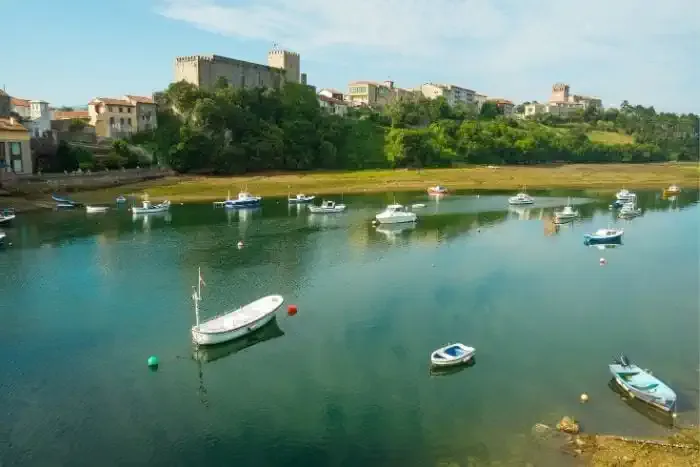
The estuary of San Vicente de la Barquera, with the castle on top
Santillana del Mar
They call it the town of the three lies because, as the saying goes, it is neither holy, nor flat, nor by the sea. Sound familiar? It is one of the most visited villages in Cantabria and its jewel is the Collegiate Church of Santa Juliana, the great masterpiece of Cantabrian Romanesque, which has been a World Heritage Site since 2015 as part of the North Way.
Its cobbled streets, stone manor houses and wooden balconies invite you to wander without hurry. Very close by is the Altamira Museum, with the Neocueva, a faithful replica of the Altamira Cave and its paintings. If you walk the North Way, you reach Santillana at the end of the stage from Santander.
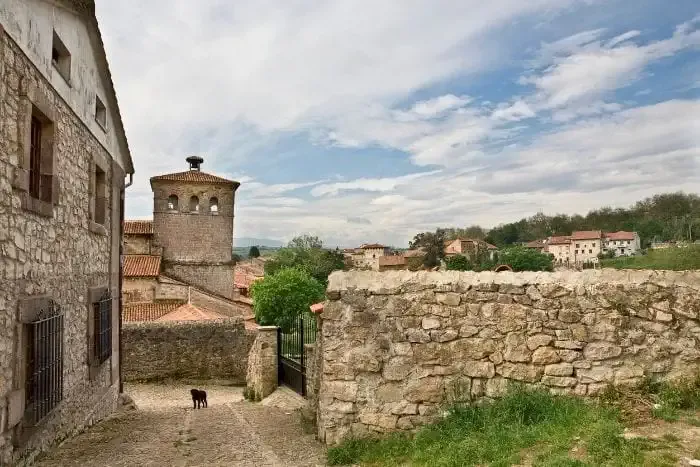
A cobbled street in Santillana del Mar
Potes
Potes is the capital of Liébana and lies at the foot of the Picos de Europa, where the Quiviesa river joins the Deva. Its historic centre, with the Torre del Infantado and its stone bridges, is a listed Historic Site and one of the prettiest corners of Cantabria for a stroll.
A short step away is the monastery of Santo Toribio de Liébana, the goal of the Camino Lebaniego. The monastery keeps the Lignum Crucis and celebrates its own jubilee year.
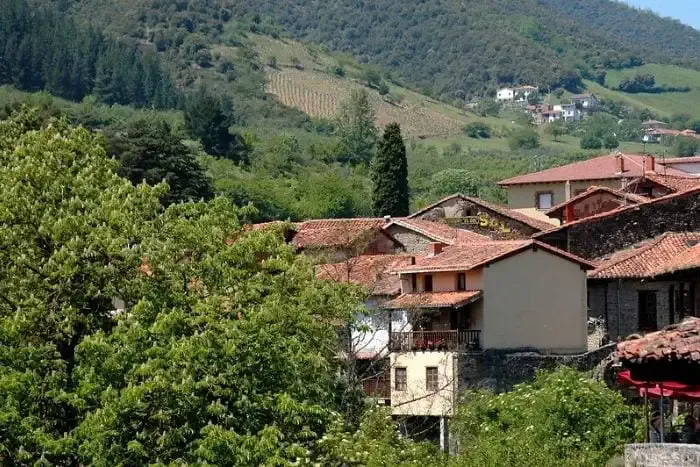
Houses among the mountains in Liébana
Comillas
Comillas combines nature, beach and one of the most distinctive Modernist ensembles in northern Spain. Since the nineteenth century it has been a summer retreat for great families, who built landmarks such as the Capricho de Gaudí, the Palacio de Sobrellano and the Pontifical University. Don't miss the cemetery either, with Llimona's Exterminating Angel, or the Fuente de los Tres Caños. Comillas is one of the municipalities of the Oyambre Natural Park and a stage stop on the North Way.
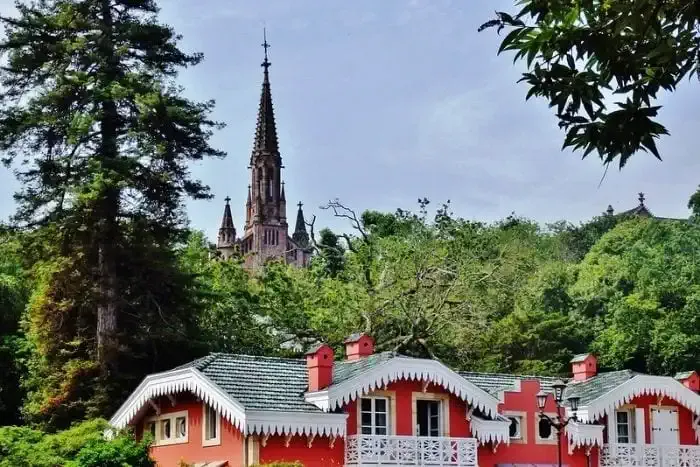
Comillas architecture among the trees
Bárcena Mayor
It is the only inhabited village inside the Saja-Besaya Natural Park, in the municipality of Los Tojos, beside the Argoza river. Declared a historic-artistic site, it is one of the finest examples of mountain architecture of the region: stone manor houses, arcades and large wooden balconies. It is an ideal place for lovers of outdoor activities and, they say, one of the best spots to try cocido montañés, the hearty Cantabrian bean and meat stew.
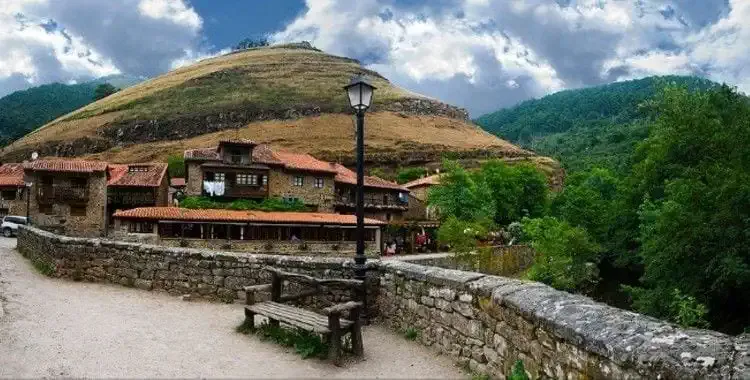
Bárcena Mayor, among the mountains
Castro Urdiales
Another essential seafaring town, on the eastern coast of Cantabria, between the sea and the mountains. Its best-known image is the Gothic church of Santa María de la Asunción, next to the castle-lighthouse and the port, which is also a World Heritage Site as part of the North Way. Castro Urdiales is the first major stop of the Camino in Cantabria.
From here, the North Way follows the coast towards Laredo, Santander and Santillana del Mar.
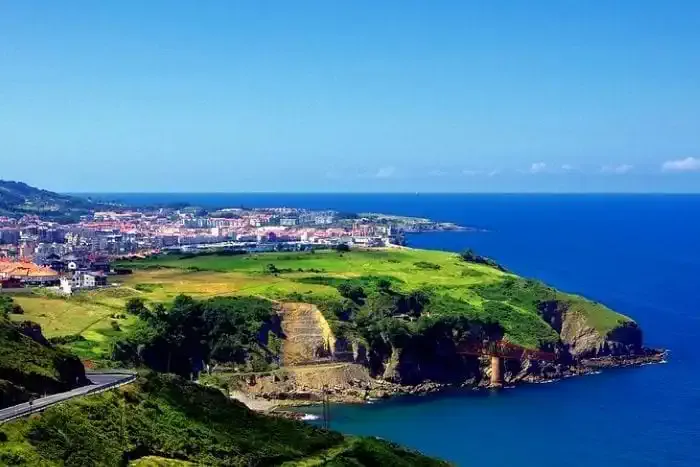
The coast of Castro Urdiales
Cartes
Cartes is one of the prettiest villages in Cantabria for a stroll. It is very close to Torrelavega, beside the Besaya river, and grew up around the Camino Real, the royal road that carried trade from Castile to the port of Santander. On its main street the Torreón de Cartes stands out, a medieval defensive tower that still spans the street with its arches. The whole village is a historic-artistic site and you will love its mountain houses full of flowers.
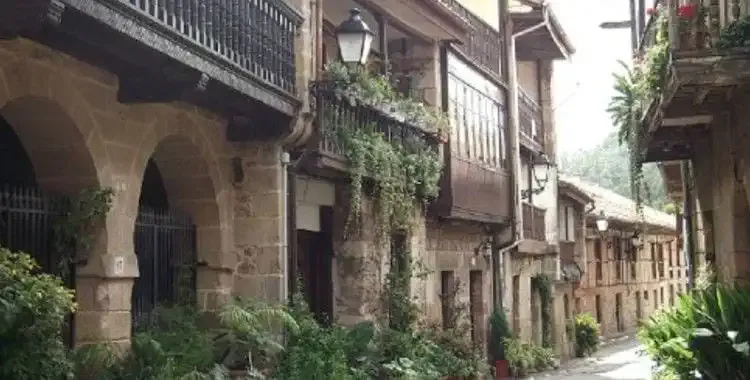
Arcades and wooden balconies
Laredo
Laredo looks out over the Treto estuary and the bay of Santoña, with the very long La Salvé beach as its great attraction. Besides its natural setting, it keeps the Puebla Vieja, a historic centre of narrow streets, the rúas, crowned by the Gothic church of Santa María de la Asunción, which deserves an unhurried visit.
Pilgrims on the North Way cross by boat from the Puntal de Laredo to Santoña, one of the most special moments of the route.
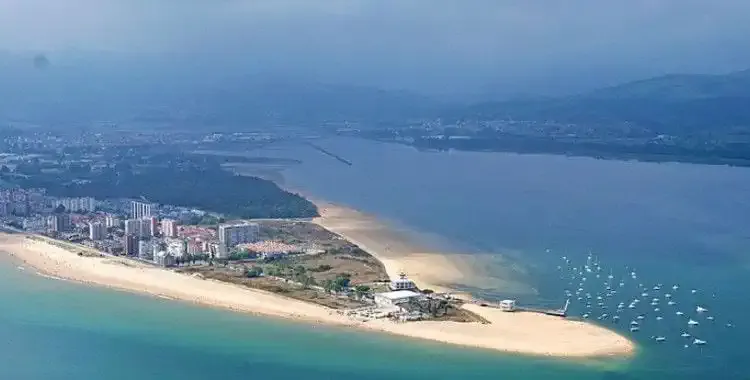
Laredo, La Salvé beach and the Puntal
Carmona
Carmona, in the municipality of Cabuérniga, is a village as beautiful as it is traditional. Its beautifully preserved architecture earned it the designation of Historic-Artistic Site. Its mountain manor houses, led by the Palacio de Mier, and its wooden balconies are a delight for visitors. Woodcraft has a long tradition in the area, so you can take the chance to bring home a special souvenir.
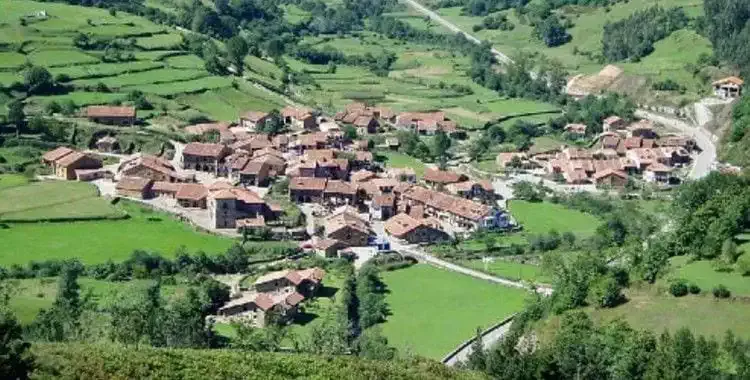
Carmona, among meadows
Cabezón de la Sal
Cabezón de la Sal was a place of passage on the Ruta de los Foramontanos, one of the routes of the repopulation of Castile in the High Middle Ages. Its name recalls the activity that sustained it for centuries: salt extraction. Among its heritage, the manor house of Carrejo stands out, which today houses the Nature Museum of Cantabria, along with the Baroque church of San Martín.
Cantabria and the Camino de Santiago
This tour brings together some of the most beautiful villages in Cantabria, and also some of the best known. If you have more time, others are well worth a visit, such as Mogrovejo, Vega de Pas, Cahecho, Noja, Puente Viesgo, Cosío or Liencres.
The best way to discover the Cantabrian coast is on foot. The North Way runs along it from end to end: you can walk the section from Bilbao to Santander, through Castro Urdiales and Laredo, or carry on towards Asturias via Santillana del Mar, Comillas and San Vicente de la Barquera.
If you feel like walking between these villages, calculate the price of your North Way here and tailor your trip to suit you.