


What to see on the Camino de Santiago from Ferrol: stage-by-stage guide
17 March, 2026
The English Way from Ferrol is a historic and authentic route that combines sea, nature, and heritage. It crosses estuaries, villages, and cities to Santiago, offering a tranquil, spiritual, and less crowded experience, ideal for connecting with the essence of the Camino.

The Camino de Santiago from Ferrol is one of the most authentic routes with the greatest historical significance in the Jacobean world. Unlike other more crowded itineraries, this route preserves a special essence, linked to pilgrims who arrived by sea from the British Isles. Throughout its stages, pilgrims discover rural churches, chapels, medieval bridges, coastal landscapes, and small traditional villages that form a fundamental part of the experience.
Advancing towards km 112.799, the Camino crosses the city center, passing by the military parish of San Francisco and along Calle Real, the main axis of the route. Here you can admire the La Magdalena district, with its characteristic neoclassical design, as well as numerous modernist buildings reflecting Ferrol’s prosperous past. As you leave the city, around km 111.413, the pilgrim walks alongside the Ferrol military arsenal, a symbol of the town’s naval tradition.
 Shortly after, at km 109.594, you enter the Caranza neighborhood, walking along the estuary. At km 108.058 is the Chapel of Santa María de Caranza, one of the first temples on the route outside Ferrol’s center. After crossing the A Gándara industrial area, the Camino reaches Narón at km 104.058, where its town hall stands out. At km 101.140, a fork appears allowing you to choose between the main path or a complementary path that passes by the Aceñas mill, an old tidal mill; both routes rejoin at km 100.897.
The route continues along the Xuvia promenade, where you can enjoy the natural surroundings and admire a century-old magnolia tree, before crossing the Xuvia bridge at km 99.153 over the Grande River. Finally, you arrive in Neda, famous for its bread, where the pilgrims’ hostel is located, a common end point for the stage.
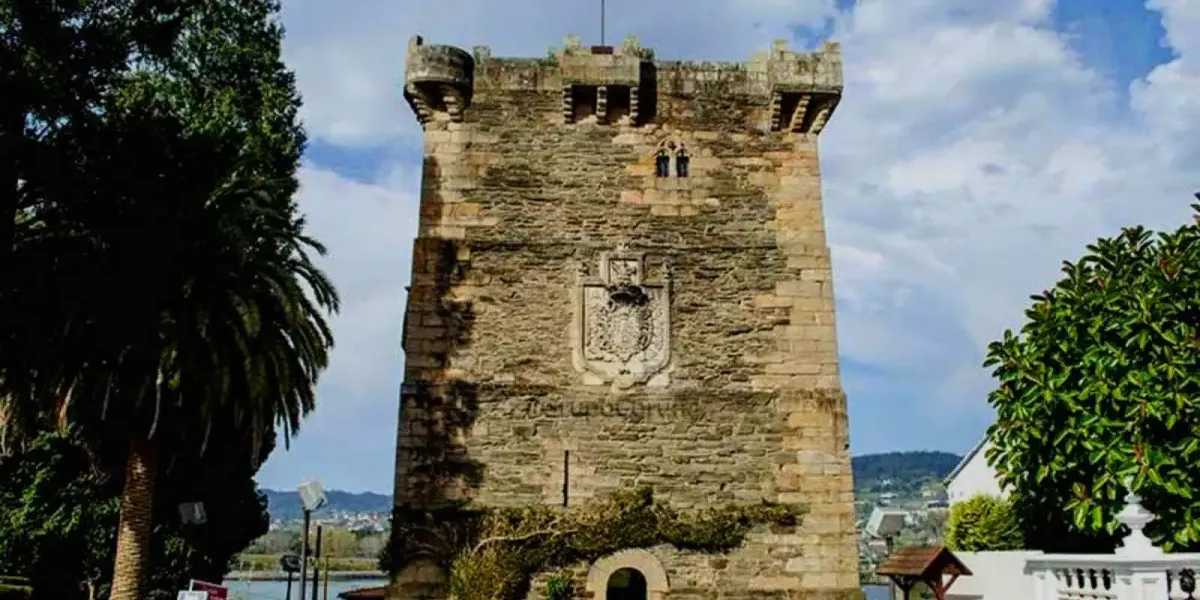
After leaving Neda at km 96.662, the Camino ascends to a viewpoint at km 95.640, offering magnificent views of the estuary. It then reaches Fene at km 93.589, where the route passes by its town hall. The Camino continues through the Vilar do Colo industrial area (km 90.228) and reaches another fork at km 88.054, where you can choose a more direct route or a longer one with greater elevation. Further on, you arrive at Cabanas, around km 86.300, before crossing the historic bridge over the Eume River, one of the most iconic points of the stage. The route ends in Pontedeume (km 84.549), where the Church of Santiago, the Andrade Tower, its historic center, and the harbor area stand out. Opposite the town lies the Cabanas beach.
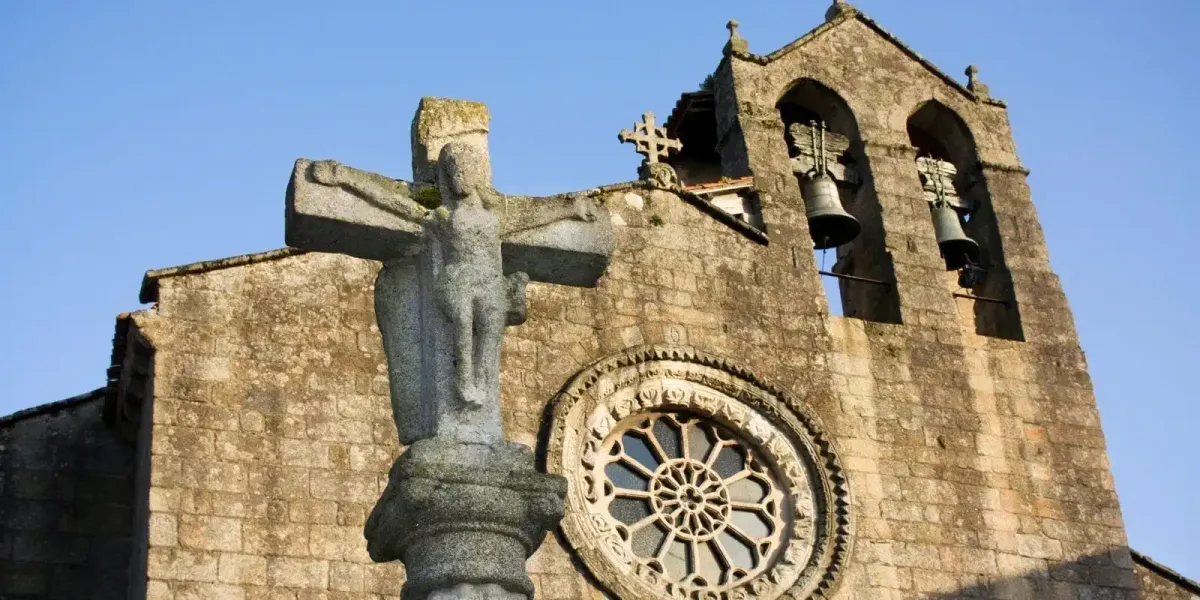
In Ponte do Porco, you will find the Cruceiro do Porco and the memory of Fernán Pérez de Andrade. Shortly after, at km 71.637, you cross the medieval bridge over the Lambre River, one of the most beautiful spots on the route. The Camino continues through Gas and its fountain to the Church of San Martiño de Tiobre (km 66.585), located on the site of the original city of Betanzos.
After passing through Caraña (km 65.805), the pilgrim enters present-day Betanzos by crossing the old bridge over the Mandeo River (km 64.960). The stage ends in the city center (km 64.624), where the Church of Santiago, the Church of Santa María del Azogue, the Church of San Francisco, and its medieval historic quarter stand out. It is well worth visiting the Parque del Pasatiempo, one of Galicia’s most unique spaces, and you should not forget to try the famous Betanzos Spanish omelette.
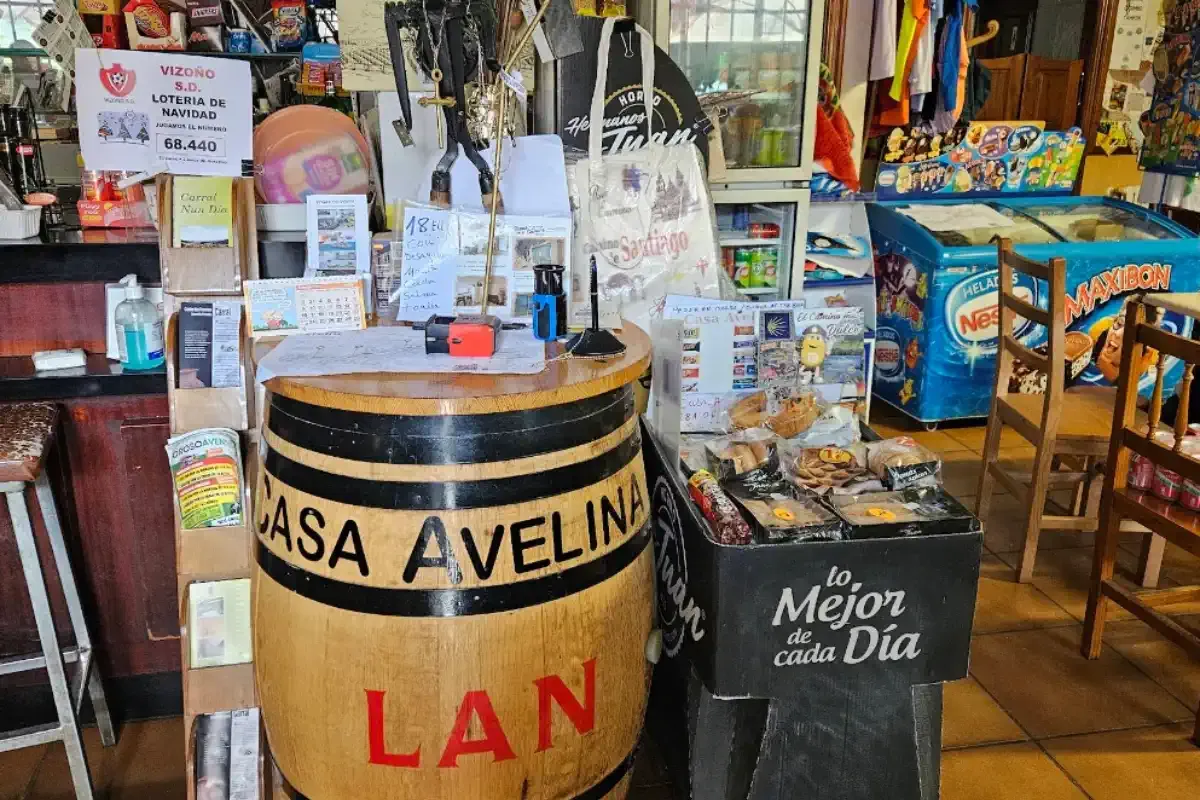
At km 52.615 appears the Mesón Xente no Camiño, a well-known traditional stop. Further on, the Beche reservoir (km 48.166) offers a particularly pleasant natural setting. From km 47.019 begins the most demanding ascent of the English Way, culminating in As Travesas (km 43.402), the highest point of the route, where the famous Casa Avelina and the Chapel of San Roque are located. The stage ends in Hospital de Bruma (km 41.119), where the pilgrims’ hostel and the Chapel of San Lorenzo are found.
After passing through Vilariño (km 32.775) and Poulo (km 31.371), with a pilgrims’ hostel, the Camino reaches A Calle (km 29.141), where the Church of Our Lady of Mercy stands out. In the final kilometers, more urbanized areas are crossed before arriving in Sigüeiro (km 15.985), where the Tambre River, its bridge, and the Church of San Andrés de Barciela mark the end of the stage.
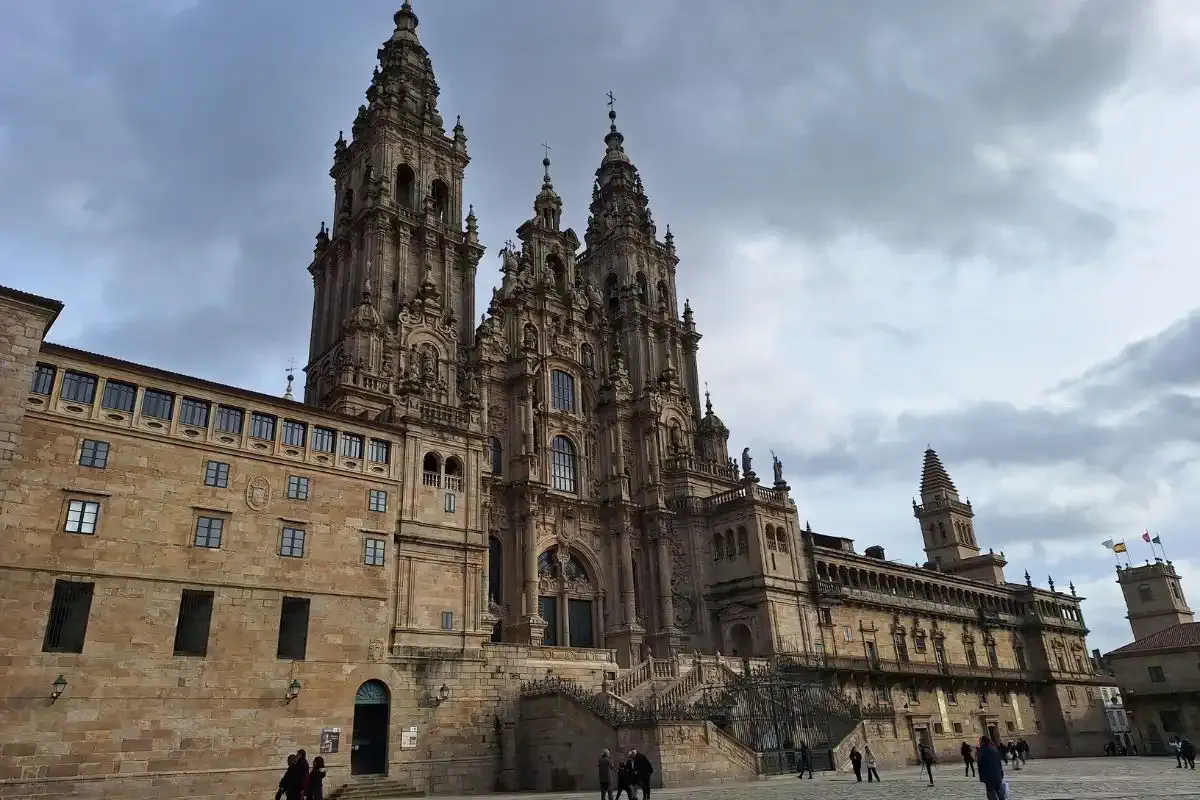
Entry into Santiago is via San Caetano (km 1.675), where the buildings of the Xunta de Galicia and the parish of the same name are located. Access to the historic center is through the Porta da Pena, passing by the Monastery of San Martín Pinario. Finally, the pilgrim reaches the Praza da Inmaculada, in front of the north façade of the Cathedral, and descends towards the Praza do Obradoiro, the final destination of the Camino. In Santiago de Compostela, highlights include the Cathedral, the Pilgrim’s Office, the Hostal de los Reyes Católicos, and the entire historic center, declared a UNESCO World Heritage Site.
Ultreia et Suseia!
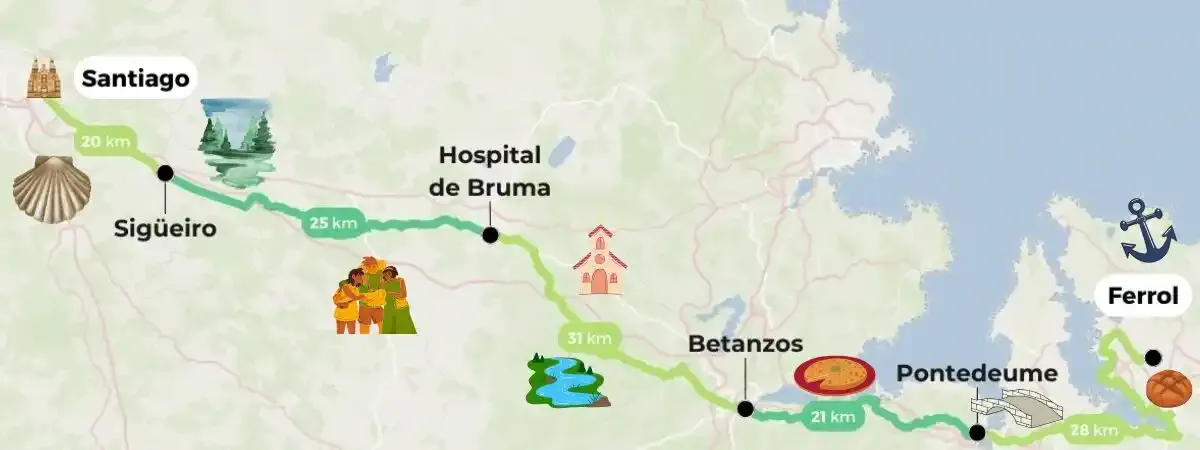
Map of the English Way from Ferrol
What to see on the Camino de Santiago from Ferrol
From the port of Ferrol to Santiago de Compostela, the English Way from Ferrol crosses estuaries, forests, villages, and historic towns, offering a quieter and more intimate experience in the Galician Rías Altas. It is a perfect route for those seeking to connect with the history, spirituality, and authenticity of the Camino step by step.Start of the Camino in Ferrol
Stage 1: Ferrol – Neda
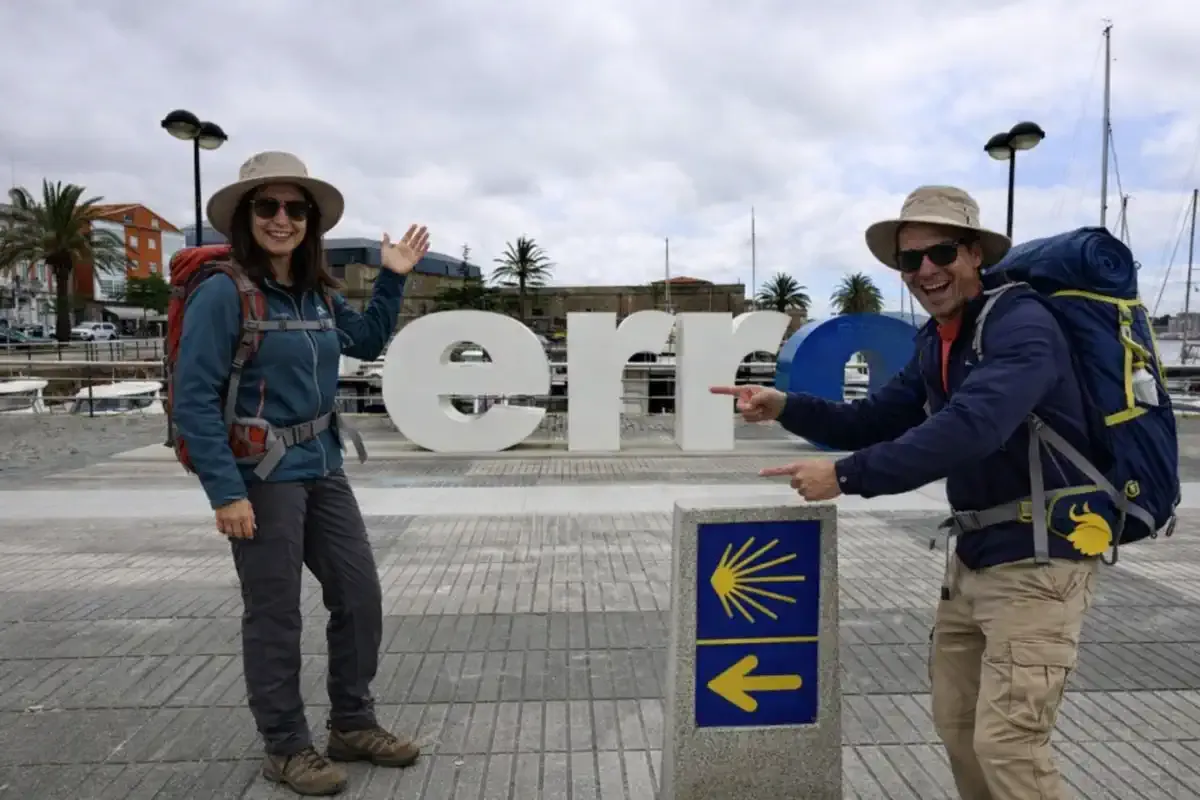
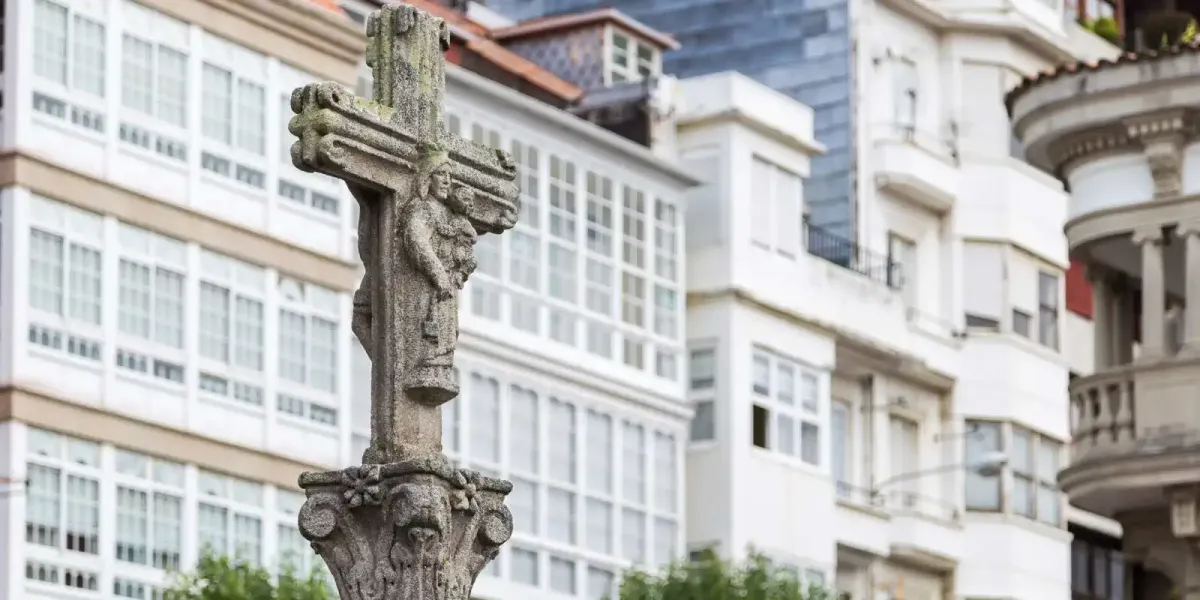
The stage begins in Ferrol, around km 113.450, specifically at its port, the historic arrival point for pilgrims coming from the British Isles. In this area you will also find the Pilgrim Tourist Office, as well as the Camino starting monument and the Ferrol letters, where many begin their journey. In this port district, the Church of Socorro also stands out.Advancing towards km 112.799, the Camino crosses the city center, passing by the military parish of San Francisco and along Calle Real, the main axis of the route. Here you can admire the La Magdalena district, with its characteristic neoclassical design, as well as numerous modernist buildings reflecting Ferrol’s prosperous past. As you leave the city, around km 111.413, the pilgrim walks alongside the Ferrol military arsenal, a symbol of the town’s naval tradition.
Cross in La Magdalena district
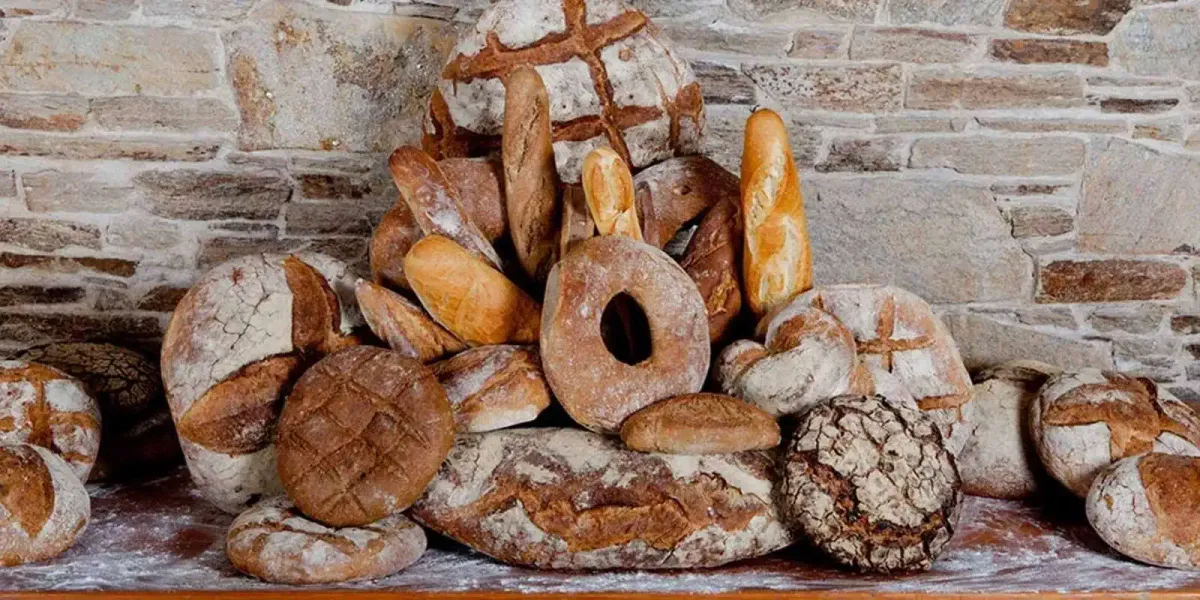
The route continues along the Xuvia promenade, where you can enjoy the natural surroundings and admire a century-old magnolia tree, before crossing the Xuvia bridge at km 99.153 over the Grande River. Finally, you arrive in Neda, famous for its bread, where the pilgrims’ hostel is located, a common end point for the stage.
Neda bread
Stage 2: Neda – Pontedeume
The stage begins in Neda, at km 99.011. From km 98.643, the Camino offers two options: continue along the main road or follow the pleasant promenade by the Ferrol estuary, a more scenic alternative. Both paths meet again at km 97.753, near the Church of Santa María de Neda. Shortly after, you cross the Belelle River and enter the town center, walking along Calle Paraíso and Calle Real, where the town hall and the Church of San Nicolás are located.After leaving Neda at km 96.662, the Camino ascends to a viewpoint at km 95.640, offering magnificent views of the estuary. It then reaches Fene at km 93.589, where the route passes by its town hall. The Camino continues through the Vilar do Colo industrial area (km 90.228) and reaches another fork at km 88.054, where you can choose a more direct route or a longer one with greater elevation. Further on, you arrive at Cabanas, around km 86.300, before crossing the historic bridge over the Eume River, one of the most iconic points of the stage. The route ends in Pontedeume (km 84.549), where the Church of Santiago, the Andrade Tower, its historic center, and the harbor area stand out. Opposite the town lies the Cabanas beach.
Andrade Tower
Stage 3: Pontedeume – Betanzos
From Pontedeume (km 84.549), the Camino climbs along Calle Real, passing the town hall, the Church of Santiago, and the remains of the old medieval wall. After the initial ascent, the terrain softens in Campolongo (km 83.234). The route crosses rural areas such as Viadeiro (km 78.490) and reaches Miño (km 75.204), the midpoint of the stage with services for pilgrims.In Ponte do Porco, you will find the Cruceiro do Porco and the memory of Fernán Pérez de Andrade. Shortly after, at km 71.637, you cross the medieval bridge over the Lambre River, one of the most beautiful spots on the route. The Camino continues through Gas and its fountain to the Church of San Martiño de Tiobre (km 66.585), located on the site of the original city of Betanzos.
After passing through Caraña (km 65.805), the pilgrim enters present-day Betanzos by crossing the old bridge over the Mandeo River (km 64.960). The stage ends in the city center (km 64.624), where the Church of Santiago, the Church of Santa María del Azogue, the Church of San Francisco, and its medieval historic quarter stand out. It is well worth visiting the Parque del Pasatiempo, one of Galicia’s most unique spaces, and you should not forget to try the famous Betanzos Spanish omelette.
The Church of Santa María del Azogue hides many surprises
Stage 4: Betanzos – Bruma
The departure from Betanzos is from Hermanos García Naveira Square, descending towards the Mendo River, which is crossed at km 64.002. On the right is the As Cascas washhouse, one of the most notable civil works by the García Naveira brothers. After the initial climb out of the city, the Camino passes through San Esteban de Cos (km 57.668), where its parish church is located, and continues towards Presedo (km 53.851), with its church and pilgrims’ hostel.At km 52.615 appears the Mesón Xente no Camiño, a well-known traditional stop. Further on, the Beche reservoir (km 48.166) offers a particularly pleasant natural setting. From km 47.019 begins the most demanding ascent of the English Way, culminating in As Travesas (km 43.402), the highest point of the route, where the famous Casa Avelina and the Chapel of San Roque are located. The stage ends in Hospital de Bruma (km 41.119), where the pilgrims’ hostel and the Chapel of San Lorenzo are found.
Casa Avelina
Stage 5: Bruma – Sigüeiro
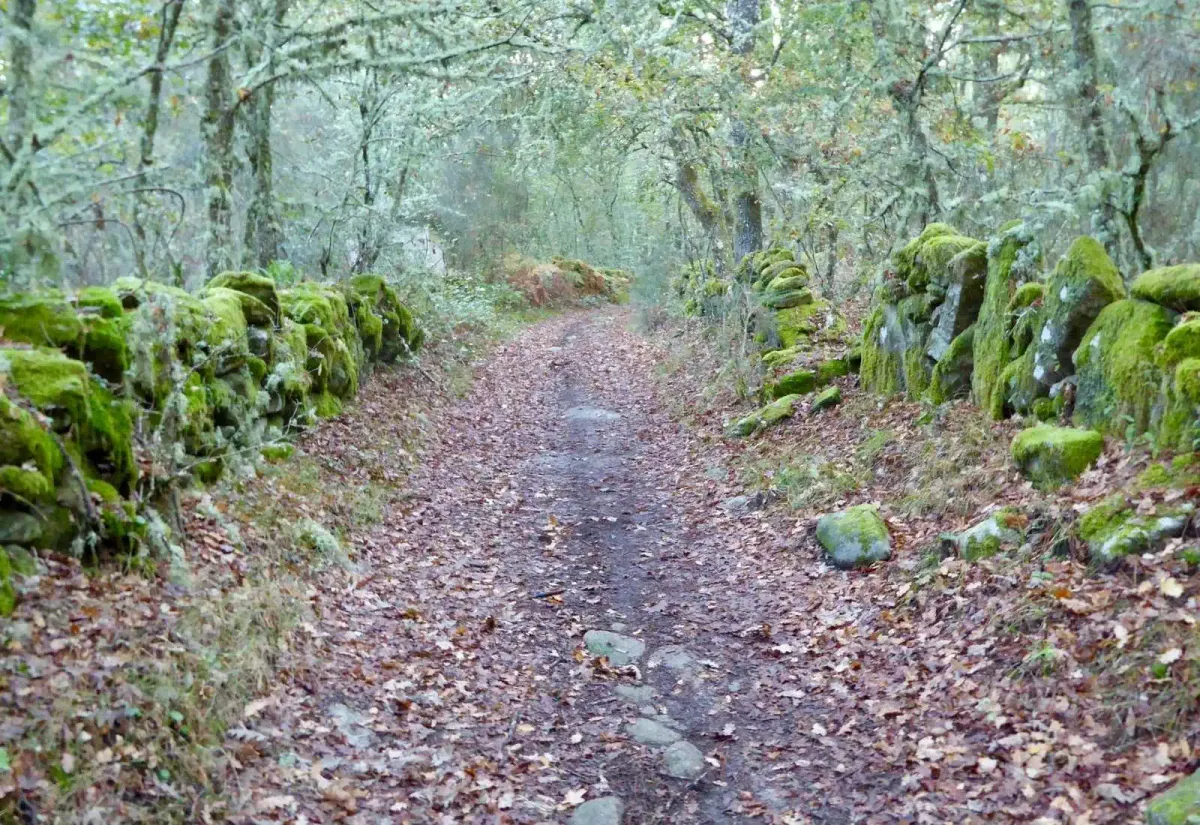
From Hospital de Bruma (km 40.572), the Camino continues through rural areas passing Cabeza de Lobo and Ardemil (km 36.988), where curious outdoor sculptures can be found. The route continues through As Mámoas (km 35.841), an area linked to ancient prehistoric burial mounds, and reaches Sampaio de Buscás (km 33.804), where its church and cemetery are located.After passing through Vilariño (km 32.775) and Poulo (km 31.371), with a pilgrims’ hostel, the Camino reaches A Calle (km 29.141), where the Church of Our Lady of Mercy stands out. In the final kilometers, more urbanized areas are crossed before arriving in Sigüeiro (km 15.985), where the Tambre River, its bridge, and the Church of San Andrés de Barciela mark the end of the stage.
Path among mossy rocks in the forest
Stage 6: Sigüeiro – Santiago de Compostela
The final stage begins in Sigüeiro (km 15.870) and passes through small villages such as Marantes, Vila Fernández, A Lameira, Vilasuso, Formarís, etc., gradually approaching Santiago. At km 7.774, you pass through the well-known Enchanted Forest, one of the most beautiful stretches before arrival. Shortly after, you enter the Tambre industrial area, which you leave at km 3.121.Entry into Santiago is via San Caetano (km 1.675), where the buildings of the Xunta de Galicia and the parish of the same name are located. Access to the historic center is through the Porta da Pena, passing by the Monastery of San Martín Pinario. Finally, the pilgrim reaches the Praza da Inmaculada, in front of the north façade of the Cathedral, and descends towards the Praza do Obradoiro, the final destination of the Camino. In Santiago de Compostela, highlights include the Cathedral, the Pilgrim’s Office, the Hostal de los Reyes Católicos, and the entire historic center, declared a UNESCO World Heritage Site.
The Cathedral of Santiago, the goal of every pilgrim
A Camino with its own history and essence
The English Way from Ferrol offers a unique experience, combining history, nature, and authenticity. Throughout its stages, pilgrims discover a less crowded route, yet deeply connected to the Jacobean tradition. From the sea to the Cathedral, every step helps to better understand the meaning of the Camino and enjoy a journey full of heritage, landscapes, and emotion.Ultreia et Suseia!