


Camino da Geira e dos Arrieiros: from Braga to Santiago, guided by history and nature
22 July, 2025
Discover the Camino da Geira e dos Arrieiros, a little-known route that connects Braga with Santiago following ancient Roman roads. The article details its journey, stages, and heritage, providing insights to plan a different, tranquil experience rich in history and landscapes.

The Geira and Arrieiros Way is a fascinating and still little-known route of the Camino de Santiago that connects Braga, in northern Portugal, with Santiago de Compostela. This historical and natural journey follows ancient Roman roads and medieval paths used by the arrieiros (carriers), merchants who transported wine and other products. By choosing this Jacobean route, pilgrims will experience a deep connection with the cultural and natural heritage of this cross-border region.
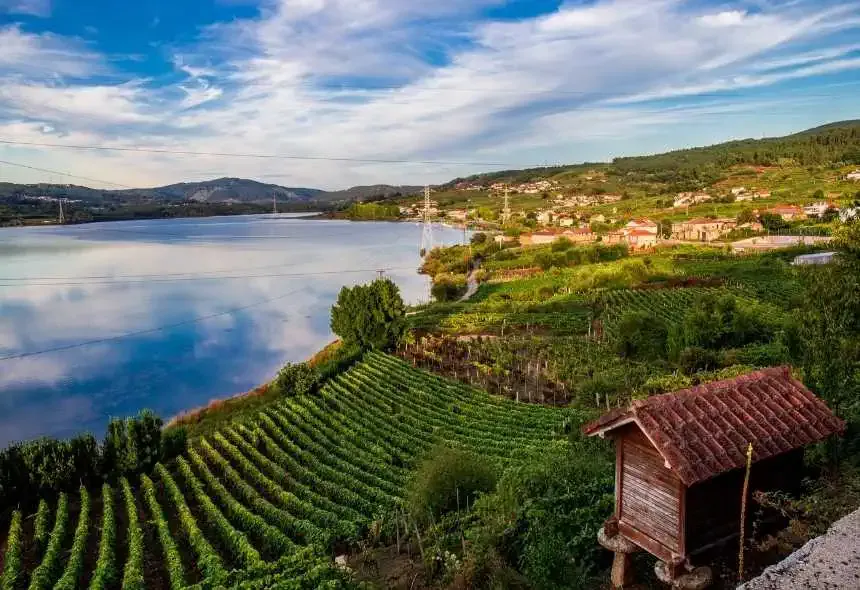
The Geira and Arrieiros Way, passing through the region of O Ribeiro
Origin and history of the Geira and Arrieiros Way
A large part of the Way follows part of the ancient Roman Road XVIII, built to connect Braga (Bracara Augusta) with Astorga (Asturica Augusta). In fact, today the pilgrim can observe multiple Roman milestones along the route, historical monuments dating back over 2000 years that served to mark the distances between Roman towns.
The arrieiros: medieval transport of Ribeiro
In the Middle Ages, this route was widely used by the arrieiros who carried wine and agricultural products from the Ribeiro region to Santiago and other important cities. This trade left deep cultural imprints that can still be appreciated in the local traditions and in the hospitality of the towns along the Way.
Since 2019, the Geira and Arrieiros Way has been officially recognized by the Cabildo of Santiago. This allows pilgrims to obtain the Compostela upon completing the route, provided they meet the usual minimum requirements of distance traveled and regular stamping of their pilgrim passport.
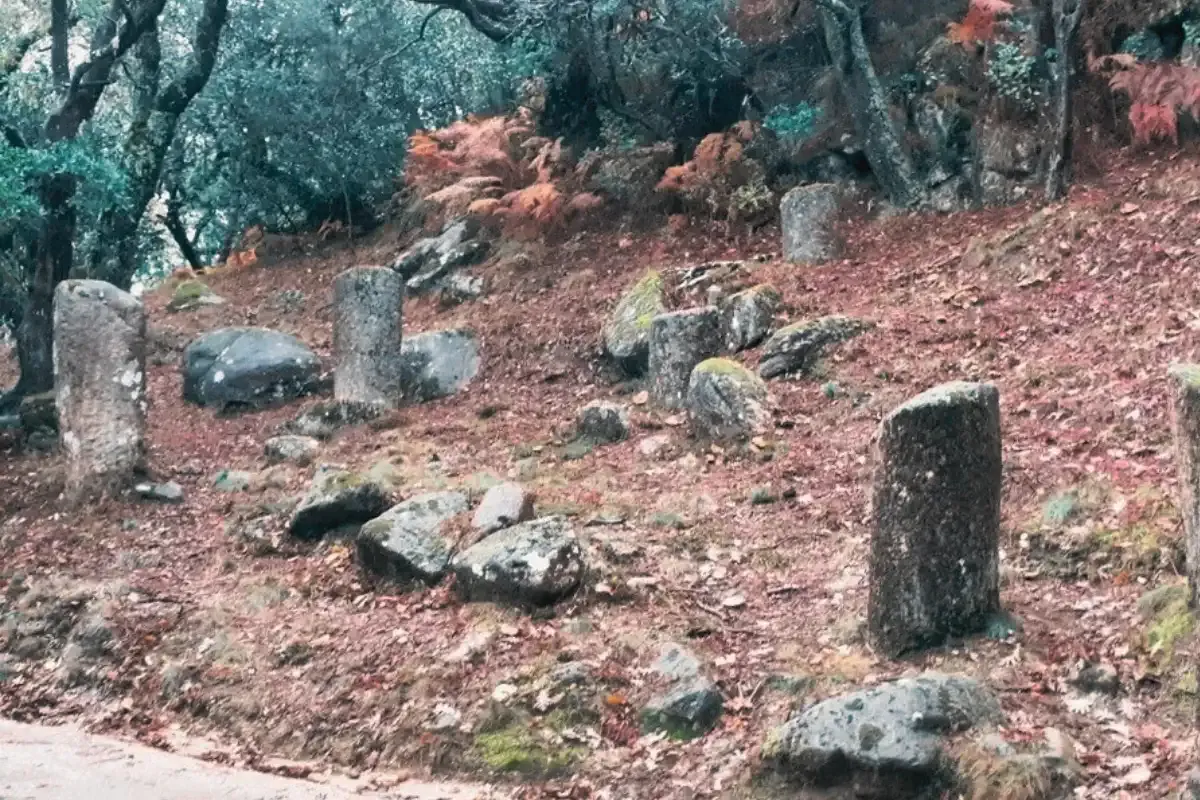
Roman milestones on the Camino da Geira e dos Arrieiros
Recommended stages of the Camino da Geira e dos Arrieiros
As we always indicate, the division of stages will depend on each pilgrim's walking ability, as well as the availability of accommodation for overnight stays. Here we provide a standard division, in which this route is divided into approximately 239 km total from Braga, in 10 stages.
Stage 1: Braga – Santiago de Caldelas (17 km)
This first stage takes place on easy terrain and is perfect for adapting to the path. Starting from Braga, a historic Roman city, the pilgrim will cross forests and small villages until reaching Santiago de Caldelas, famous for its thermal baths, ideal for relaxing after the day's journey.
Stage 2: Santiago de Caldelas – Campo do Gerês (29 km)
The second stage increases in difficulty with sections of ascent, entering the Peneda-Gerês National Park, one of the most impressive natural spaces in Portugal. The landscape offers spectacular views and wooded trails.
Stage 3: Campo do Gerês – Lobios (23 km)
This stage crosses the border between Portugal and Spain, notable for its panoramic views of the national park. The arrival in Lobios is particularly pleasant due to its renowned natural hot springs, ideal for soothing tired muscles.
Stage 4: Lobios – Castro Laboreiro (28 km)
A demanding stage that delves deeply into the mountains, passing through wild landscapes and authentic rural villages. Castro Laboreiro, with its historic castle, marks a spectacular end to this stage filled with physical and visual challenges.
Stage 5: Castro Laboreiro – Cortegada (33 km)
The route begins with a gentle descent, traversing lush forests and small rural towns until reaching Cortegada, known for its medicinal hot springs and charming natural surroundings.
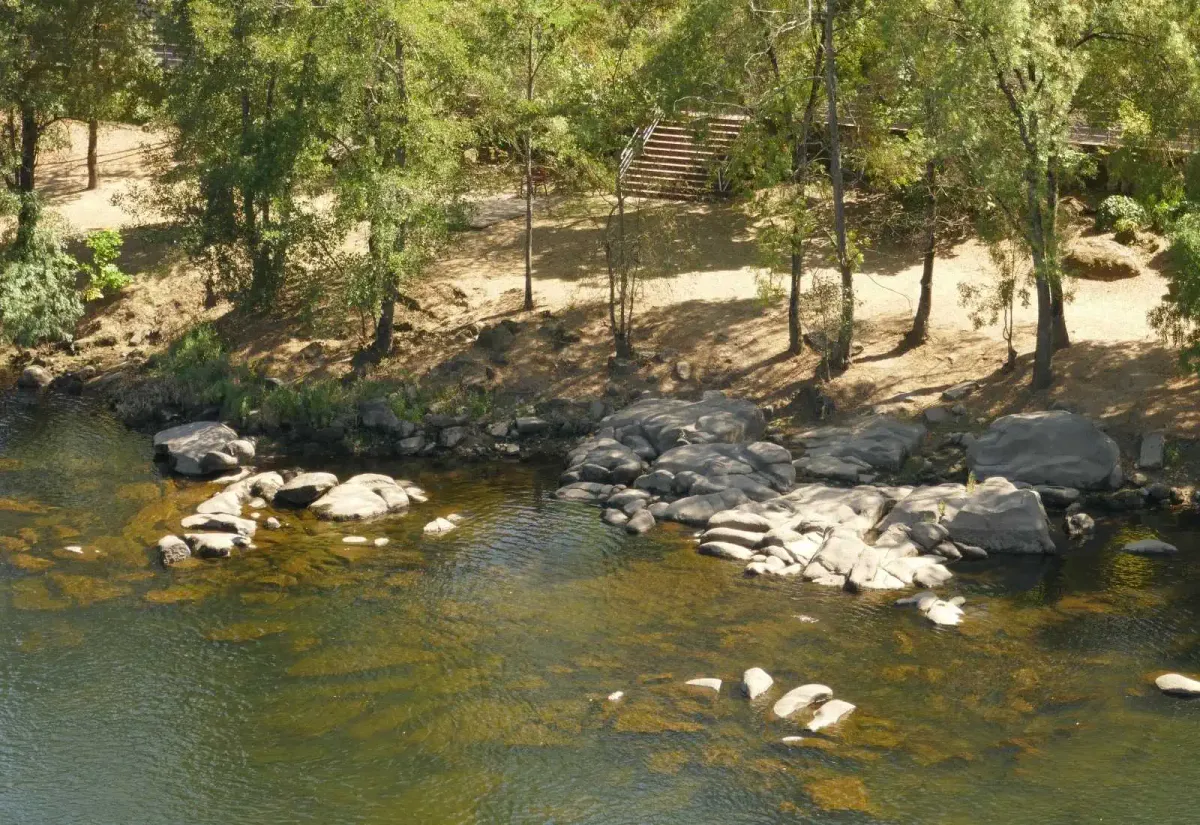
The hot springs of Ourense are a surprise for visitors
Stage 6: Cortegada – Pazos de Arenteiro (26 km)
This stage is notable for crossing the wine region of Ribeiro, surrounded by vineyards, traditional wineries, and medieval villages. Pazos de Arenteiro, with its rich architectural heritage, invites the pilgrim to explore and enjoy the Galician rural atmosphere.
Stage 7: Pazos de Arenteiro – Beariz (17 km)
A relatively short and peaceful day, ideal for enjoying the natural and cultural landscape of Galicia, crossing native forests, small rivers, and traditional villages until reaching Beariz.
Stage 8: Beariz – Codeseda (29 km)
The route continues through oak and chestnut forests, passing typical villages where it is possible to interact with the local inhabitants. The arrival in Codeseda offers tranquility and an authentic rural environment.
Stage 9: Codeseda – Couso (Pontevea) (25 km)
A moderate stage with a predominantly gentle route, preparing for the arrival in Santiago. The town of Couso offers good services and pilgrim hospitality.
Stage 10: Pontevea – Santiago de Compostela (18 km)
The final stage of the Camino takes pilgrims to the long-awaited Plaza del Obradoiro in Santiago, culminating their pilgrimage with emotion and satisfaction after a journey filled with history and nature.
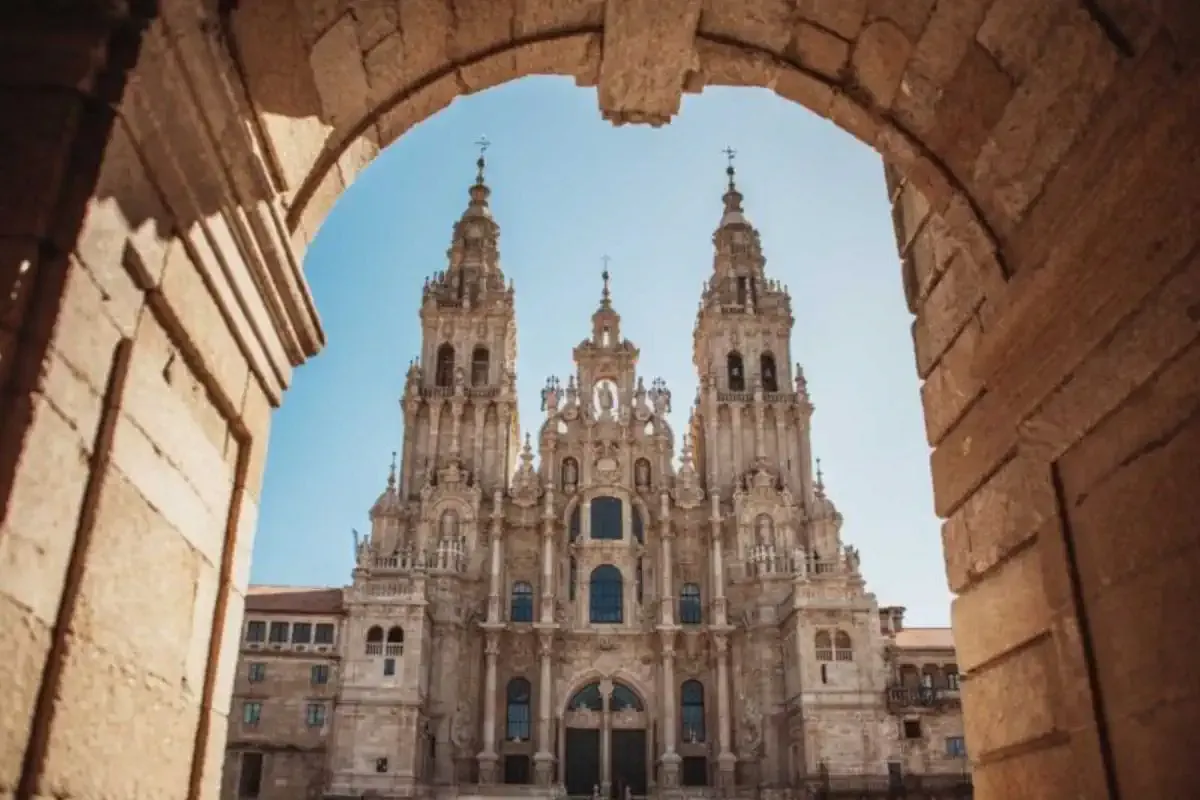
The Cathedral of Santiago awaits all pilgrims from all routes
Practical tips for doing the Camino da Geira e dos Arrieiros
In addition to the general tips for enjoying the Camino de Santiago, we advise you the following:
- Prior physical preparation: To traverse the Camino da Geira e dos Arrieiros, it is recommended that pilgrims have a good physical condition due to the variability of the terrain, with significant elevation changes and demanding sections, especially in mountainous areas.
- Best time: Spring (April-June) and autumn (September-November) are the best periods to travel this route, like many others, thanks to its mild and pleasant climate. Summer is not recommended due to high temperatures, and winter due to adverse weather conditions.
- Signage: The signage of the route has improved considerably, but it is still advisable to use specific GPS applications for the Camino, which help avoid getting lost in remote areas.
- Planning stages and accommodations: It is advisable to plan each stage well to secure accommodations, which are not many on this route and are usually small shelters or rural houses. It is recommended to book in advance, especially during peak season, to ensure availability.
- What to bring: As we always recommend regarding what to bring to the Camino, carry only the essentials in your backpack: lightweight technical clothing, comfortable and durable footwear, sun protection, a lightweight raincoat, and a small first aid kit. Since some sections are isolated, it is essential to always carry enough water and food.
- Pilgrim passport: If you do not bring it from home, you can obtain the pilgrim passport at the Sé Cathedral of Braga, or at the Tourist Office of this Portuguese city.
- By bicycle: This route can be done by bicycle, although there are demanding sections, especially in the area of the Peneda-Gerês National Park and some mountainous stages. It is advisable to use a mountain bike and have prior experience on long routes.
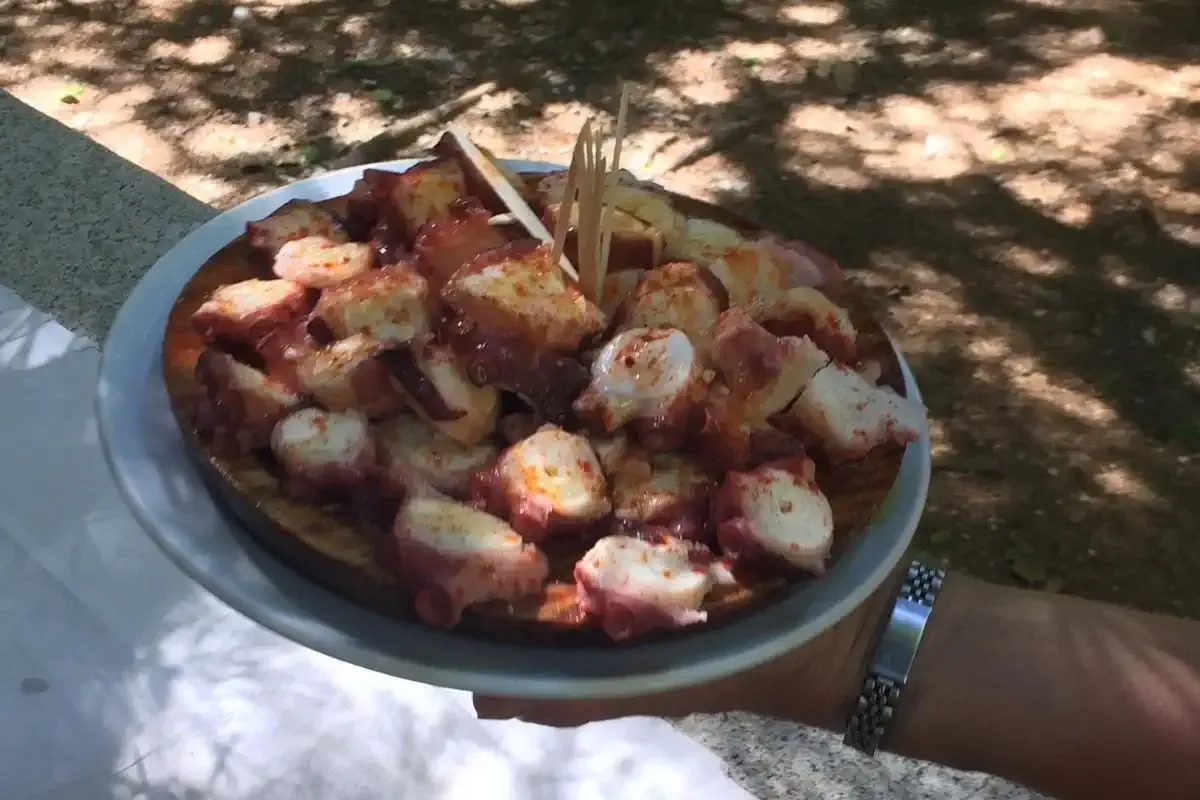
Typical hearty Galician dish of octopus
Gastronomy and points of interest on the Camino
One of the great attractions of the Geira and Arrieiros Way is the natural, cultural, and gastronomic richness that accompanies the pilgrim throughout the entire route. With every step, the path offers unique experiences such as outdoor hot springs, charming villages, postcard landscapes, and local cuisine that comforts both body and soul.
Among the most special stops are the natural hot springs of Lobios and those of Cortegada, where you can immerse yourself in warm waters at the end of a demanding day. The historic mills of Pazos de Arenteiro transport you to another era, while several viewpoints along the route —such as those in Campo do Gerês, Castro Laboreiro, or Codeseda— offer spectacular views over valleys, vineyards, and mountains.
And when it comes to gastronomy, it is impossible not to mention two major protagonists: the vinho verde from Portugal, fresh and light, perfect for accompanying a meal under the arcades of any village; and the wines from Ribeiro, with their treixadura, godello, or torrontés grapes, which pair perfectly with traditional dishes. On your table, you will find delights such as pulpo á feira, Galician empanada, or cod Portuguese style.

Geira and Arrieiros Way, a very special Portuguese path
If you are looking for an authentic Way, rich in history and away from the most crowded routes, the Geira and Arrieiros Way is an unbeatable option. It is a demanding route, yes, but also profoundly transformative. Very close to this itinerary also runs the Miñoto Ribeiro Way, another highly interesting proposal that combines thermalism, wine, and rural culture, ideal for those seeking a more relaxed and gastronomic Way. And we cannot forget that Portugal hides a diverse network of Jacobean routes beyond the well-known Central Portuguese Way, such as the Inner Portuguese Way, the Portuguese Coastal Way, the Torres Way, or the emerging Taverneiro Way, among others. All of them offer a unique richness and allow you to discover the neighboring country from new perspectives.
In reality, there is not a single Way nor a single way to experience it. There are as many Ways as there are pilgrims, and each route has its own rhythm, challenges, and particular beauty. Choosing one route or another is, at its core, a way to listen to oneself and decide what kind of experience one wishes to live. What matters is not only reaching Santiago, but everything that happens between the first and the last stage: the people we meet, the landscapes we cross, the questions we ask ourselves, and the silence we sometimes also need. And for this, the Geira and Arrieiros Way is an exceptional choice, which we are sure will surprise you and a lot!