


Monastery of Samos, monumental simplicity
28 July, 2025
Summary about the Monastery of Samos, one of the oldest monasteries on the Camino de Santiago, highlighting its history, architecture, and spiritual value, along with information on what to see during the visit and its importance as an emblematic stop on the French Way.

You cross the old stone bridge, hear the water of the Sarria River, and suddenly, the stony silhouette of the Monastery of San Julián de Samos dominates the entire valley. The sensation has been the same for almost fifteen centuries: those who arrive here perceive that time loosens. Founded in the 6th century and still inhabited by Benedictine monks, this place offers silence, hospitality, and a scene that seems taken from a medieval codex. We are here to show it to you in detail and with care, as we like to do on the Camino de Santiago.
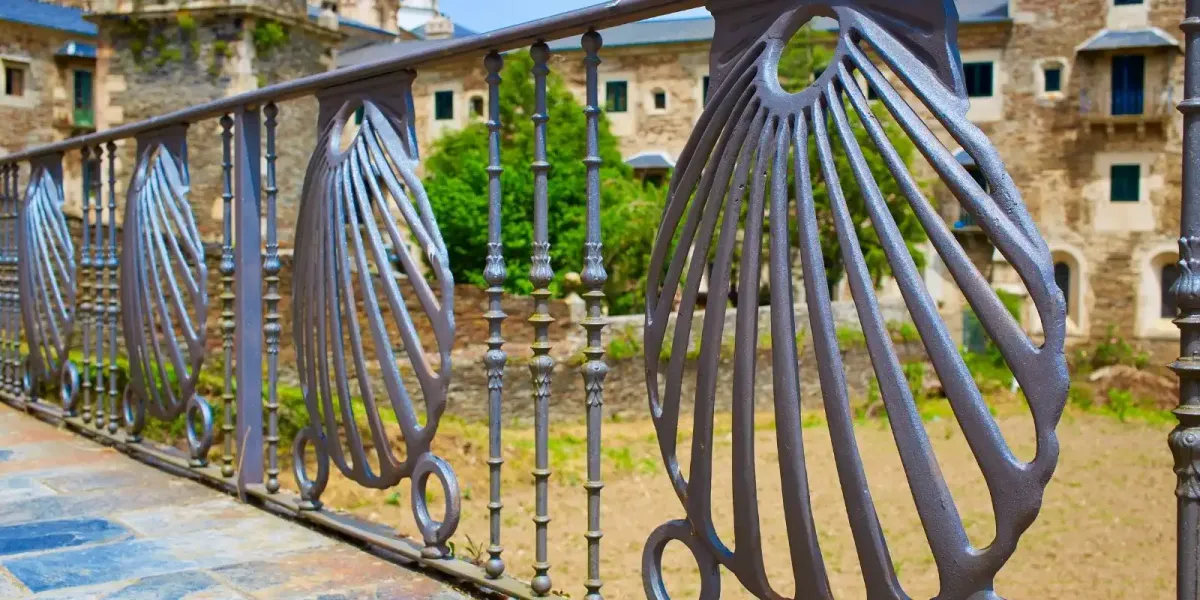
The Monastery of Samos is a mythical enclave of the Camino de Santiago
Where is the Monastery of Samos?
The Monastery of Samos, as its name suggests, is located in this town in the southeast of the province of Lugo, in Galicia. It is the seat of a small municipality with nearly 3,000 inhabitants and is part of the route of the French Way.
Upon leaving Triacastela towards Sarria, the Camino offers the pilgrim two possible routes, one of the many variants of the Camino: the most direct one via San Xil, about 18 km, or the Samos variant, slightly longer but much more special. This second option, about 24 km, descends among oaks and chestnuts to the bottom of the valley, passing through silent villages and dew-covered meadows, leading the pilgrim to Samos and its imposing monastery.
For those traveling by car, the LU-633 road connects Sarria and Pedrafita do Cebreiro and passes right in front of the monastery's doors, but the beautiful way is to enter on foot, with the backpack on your back and the stamp of the pilgrim passport waiting for another memory.
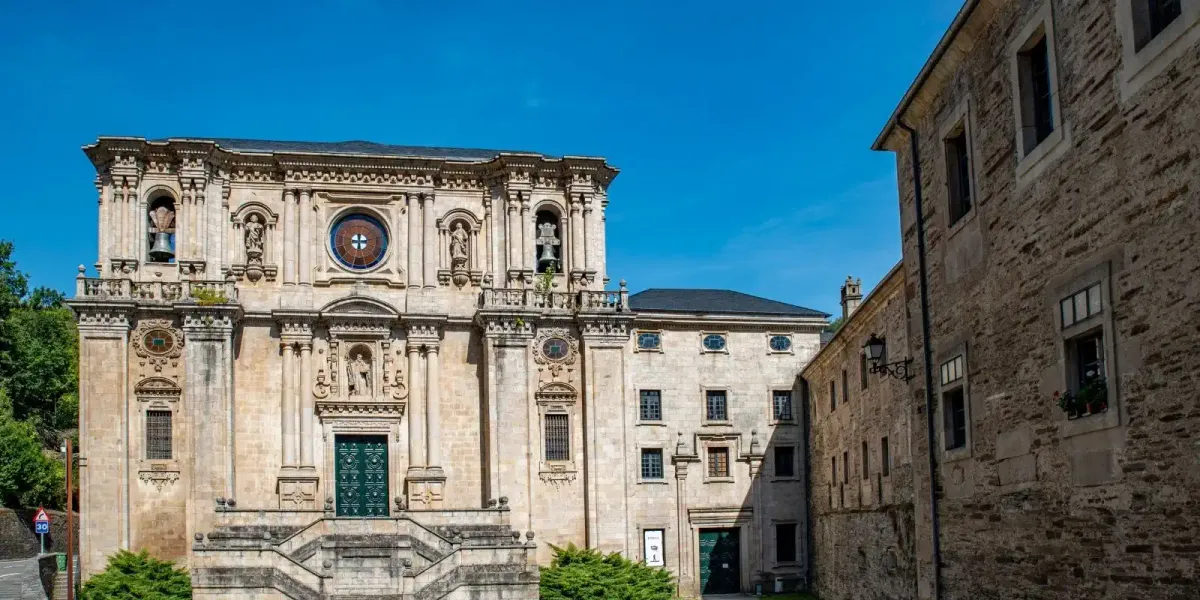
Facade of the church of the Monastery of Samos
A brief journey through the history of Samos
The Monastery of Samos, declared National Monument in 1944 and Asset of Cultural Interest, has a fascinating history that dates back to the 6th century.
From hermits to medieval reference
It is believed to have been founded in the year 560 by Saint Martin of Dumio, and shortly thereafter Saint Fructuoso organized monastic life. By 665, the monastery already appears in Visigothic documents. After the Muslim invasion, the Asturian king Fruela I restored it and sent his son, the future Alfonso II the Chaste, the first pilgrim who would promote the creation of the Jacobean routes. In fact, after the origin of the Camino de Santiago, the monastery also served as a hospital for pilgrims.
Growth and rebirth
In 960, with the arrival of the Order of Saint Benedict, Samos flourished in lands, wealth, and prestige, becoming an important cultural center. However, after devastating fires, looting, and disappropriation, the monastery was rebuilt and reborn in various stages, recovering over time.
Feijoo and the Enlightenment
In the 18th century, Benito Jerónimo Feijoo, one of the great thinkers of the Spanish Enlightenment, was abbot here. A defender of science and reason, he left a legacy that remains alive in academia. His statue in the Great Cloister commemorates him as a symbol of thought and knowledge in the monastery.
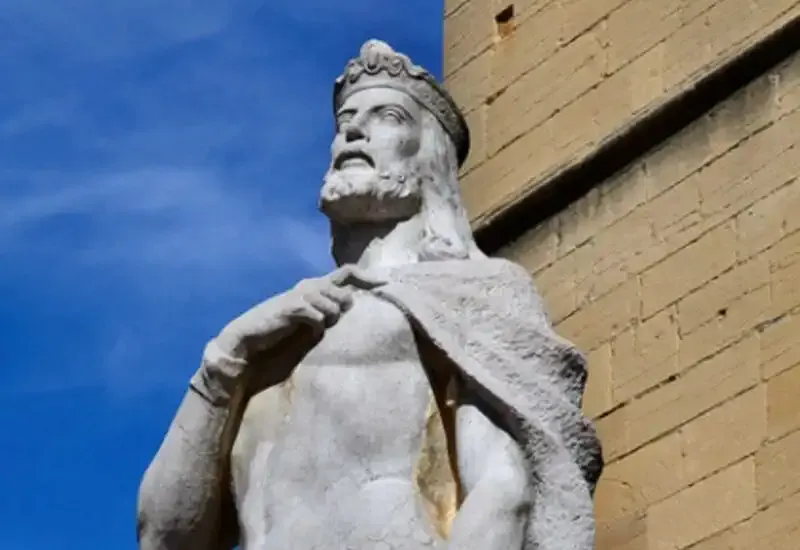
Alfonso II the Chaste received training in Samos
Architecture that tells stories
The Monastery of Samos houses a stunning variety of spaces that tell stories from centuries past. Here are some of the most notable:
- Abbatial Church: Built between 1734 and 1748, with a Latin cross design and a granite façade. Its gilded altarpiece and an organ with more than 3,000 pipes stand out, accompanying both masses and concerts.
- Great Cloister: With 54 meters on each side and three levels of arches, this cloister of nearly 3,000 m² reflects the golden light of the sunset, enveloping the visitor in the history and serenity of the place.
- Small Cloister: In late Gothic and Renaissance style, with sharp pinnacles and a Baroque fountain adorned with mythological figures, a corner full of beauty and calm.
- Cypress Chapel: Located in the orchard, this chapel dates back to the 9th century. It preserves pre-Romanesque walls and a centenary cypress that, according to tradition, sprouted where Saint Martin of Tours rested his staff.
- Library and Archive: After the fire of 1951, this reopened library houses more than 25,000 volumes, including incunabula and ancient atlases. An authentic journey to the past with the characteristic aroma of parchment and old glue.
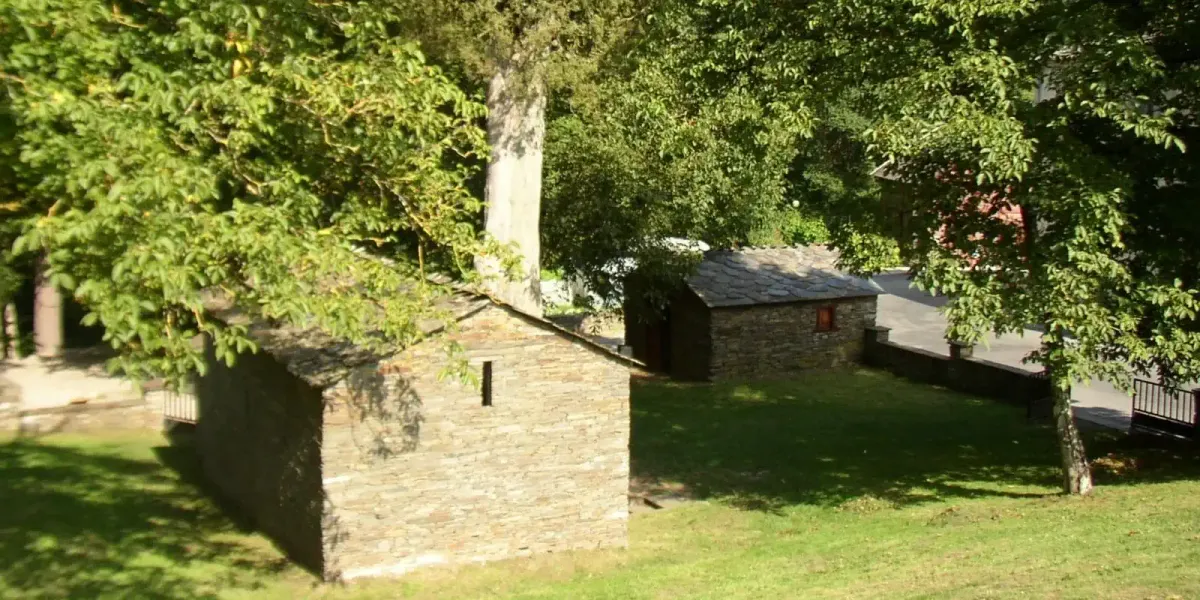
Chapel of the Savior or Cypress Chapel of Samos
Monastic Life and Hospitality
The monastery follows the Benedictine rhythm, and pilgrims have the opportunity to participate in the liturgy. The hospitality, simple and welcoming, offers accommodation for pilgrims in its internal shelter, as well as an external shelter with private rooms that can be booked on its website.
Additionally, the monastery offers daily guided tours by monks or volunteers, who accompany visitors through the church, the cloisters, and the ancient pharmacy from the 17th century. In the Portería, you will also find a shop with products made by the monks, such as Samos honey, books, and medals of Saint Benedict. The tour times are:
- Monday to Saturday: 10:00, 11:00, 12:00, 16:30, 17:30, 18:30.
- Sundays and holidays: 12:45, 16:30, 17:30, 18:30.
Additionally, there is mass every day at 19:30, and on Sundays and holidays, at 12:00 and 19:30.
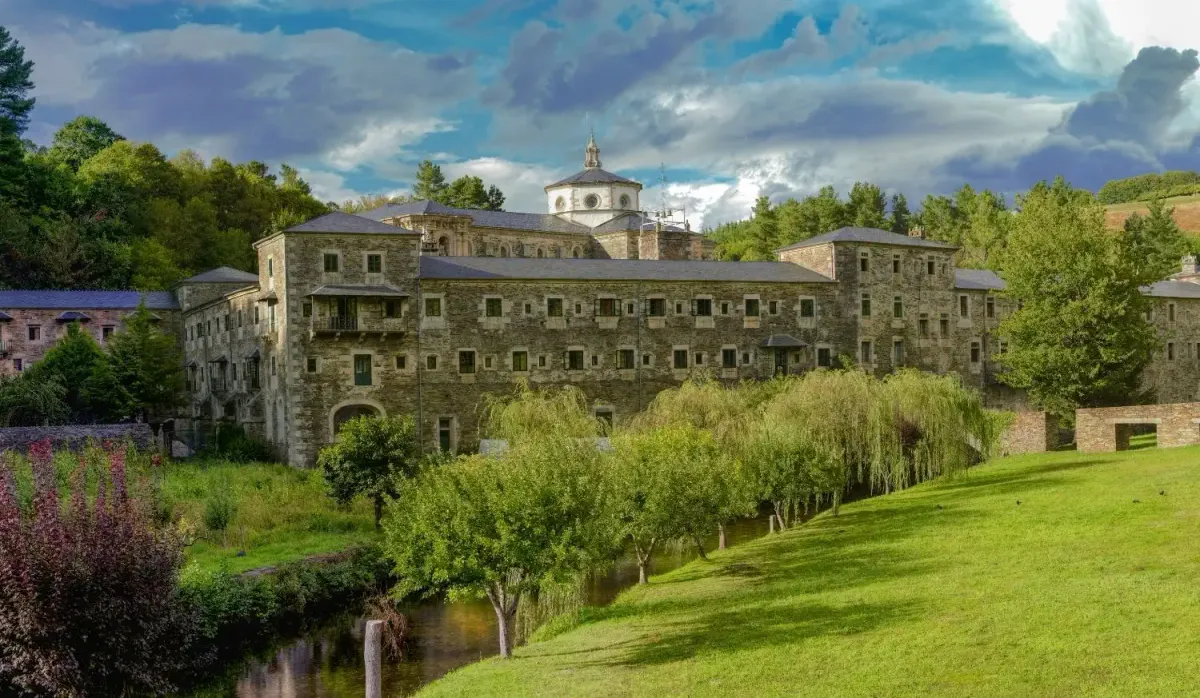
Monastery of Samos
Practical Tips for Your Stop
Before arriving at the Monastery of Samos, it is useful to know some practical details to make the most of your visit. Here are some tips to ensure your stop is as comfortable and pleasant as possible:
- Plan to arrive with enough time if you want to visit the monastery calmly, and do not forget to stamp your pilgrim passport in such a special place.
- The interior maintains a constant temperature of about sixteen degrees, so bring something warm even in mid-August.
- There is no ATM in the village, so it is advisable to bring cash from the previous stage (Triacastela). The next ATM is located in Sarria, about 11 kilometers away.
- If you are doing the Camino by bike, you will be asked to leave your bicycle in the old stable, now adapted as a covered garage.
- If you are traveling with a pet, keep in mind that the monastery shelter does not allow animals, but two rural houses in the area do accept them and are less than a kilometer away.
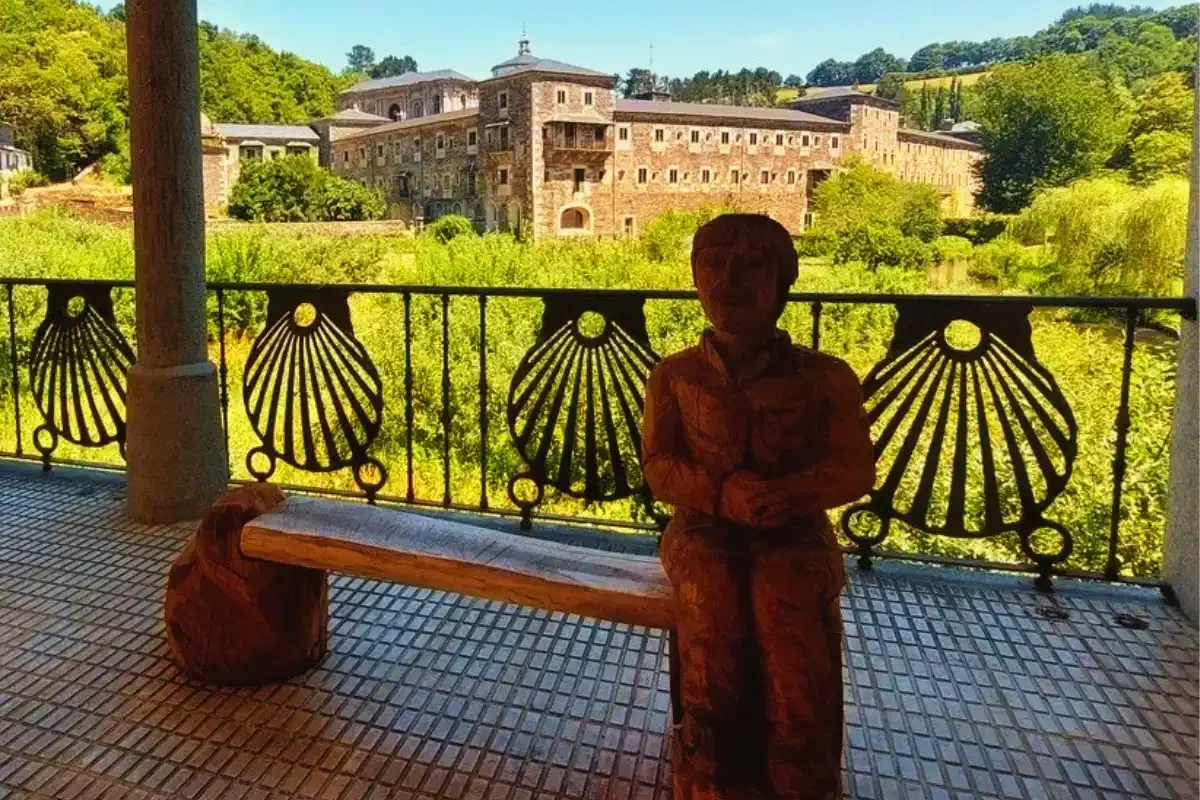
Samos deserves a stop on your Camino
Samos deserves a stop on your Camino
Stopping in Samos is not just about visiting a monastery; it is experiencing spirituality, history, and natural beauty in the heart of the Camino. Here, time seems to move more slowly, the soul expands, and silence has its own voice. Whether to rest, to pray, to be guided by centuries of art and wisdom, or simply to take a deep breath and look around, this corner is a gem that is etched in the memory of the pilgrim.
So now you know: before reaching Sarria, if you are unsure whether to go via San Xil or divert to Samos, let yourself be carried by the sound of the river and the whisper of the forest… and come discover a place that has been welcoming walkers for over a thousand years.