


Signage on the Camino de Santiago
03 August, 2026
Discover how the signaling works on the Camino de Santiago and learn to navigate easily during the route. This article explains the main symbols, such as yellow arrows, milestones, and scallop shells, in addition to offering practical tips to avoid mistakes and follow the path with safety and confidence.

Getting oriented on the Camino de Santiago is part of the experience… and one of the keys to enjoying it without stress. Along the Jacobean routes, you will find clear and coherent signage: the yellow arrow, the scallop shell, the milestones, and the information panels form a common language that guides pilgrims stage by stage.
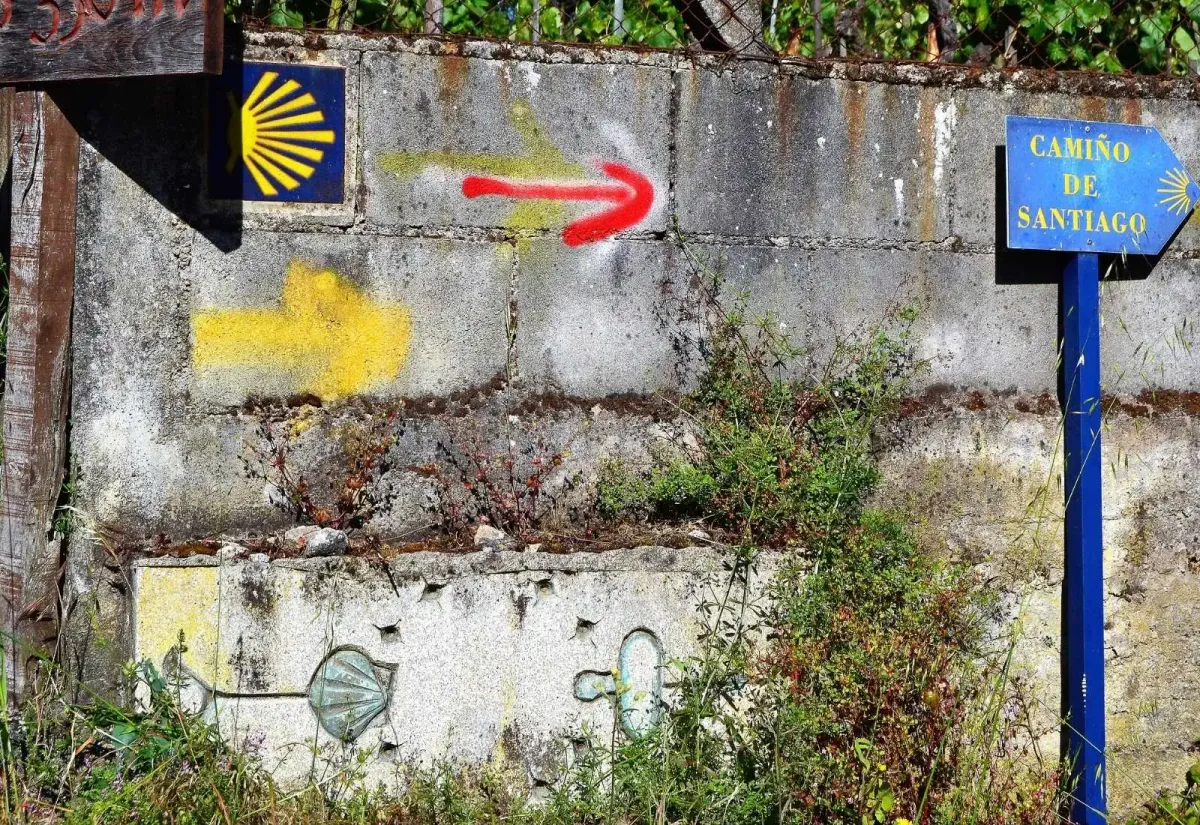 Whatever the route, just follow the yellow arrow
Yellow arrow, scallop shell, and milestones: keys to not getting lost
The yellow arrow is the queen of Jacobean signage. It appears on milestones, walls, posts, rocks, asphalt, traffic signs, or trees and always indicates the direction to follow. Its popularization and systematic use are due to Elías Valiña, the parish priest of O Cebreiro and a modern promoter of the Camino.
The scallop shell is another of the most recognizable symbols. Its "rays" that converge remind one of the routes to Santiago. Note: its placement varies by region, so do not use it as the sole reference for direction; consider it as confirmation that you are still on the Camino.
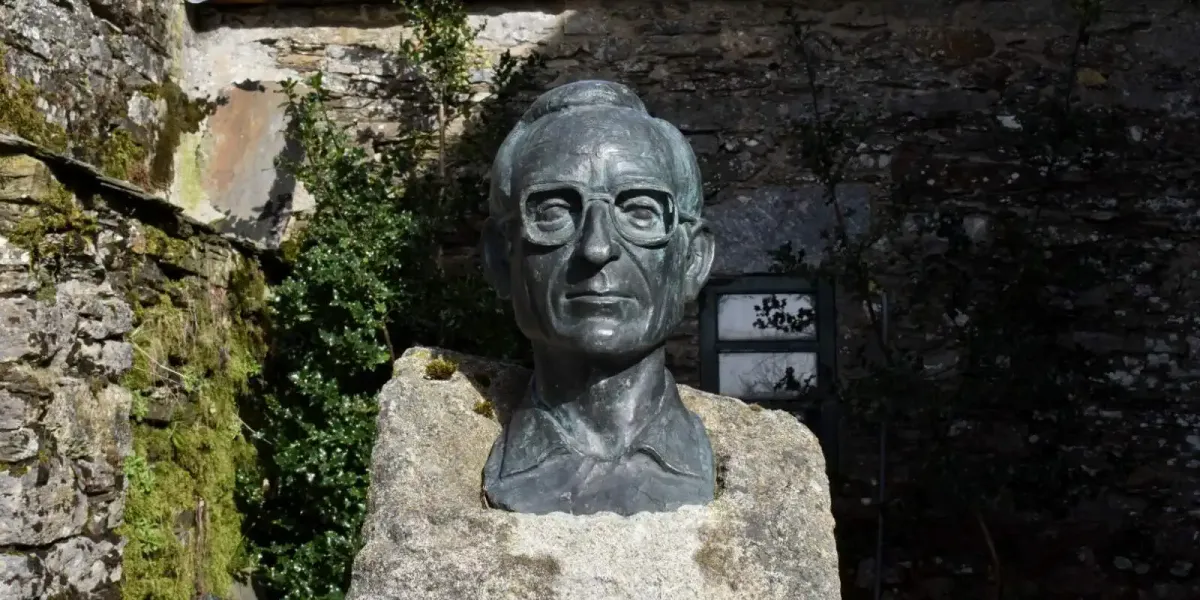 Elías Valiña Sampedro, iconic creator of the yellow arrow
Additionally, you will see milestones (stone markers, usually granite) located at crossings and key points. They typically include the engraved yellow arrow, a scallop shell on a tile, and a plaque with the remaining kilometers to Santiago. The local information panels complete the signage, featuring maps, profiles, and notices.
How to read the signs according to the environment
The signage on the different sections of the Camino may vary depending on where you are at a specific moment in the stage:
- Urban areas: There are fewer markers, but yellow arrows and scallop shells abound on walls, fences, and tiles. They may also be painted on the ground, curbs, building corners, or lampposts. In some cities, you will see scallop shells embedded in the pavement.
- Fields and forests: In addition to the markers, follow arrows painted on rocks, trees, stakes, or logs. Keep your eyes a few meters ahead to anticipate detours.
- Road sections: In Spain, when there is no sidewalk, it is mandatory to walk on the left, on the shoulder if there is one. Stay alert for marked detours, curves, changes in elevation, and dangerous areas: sometimes the Camino separates from the main road for safety.
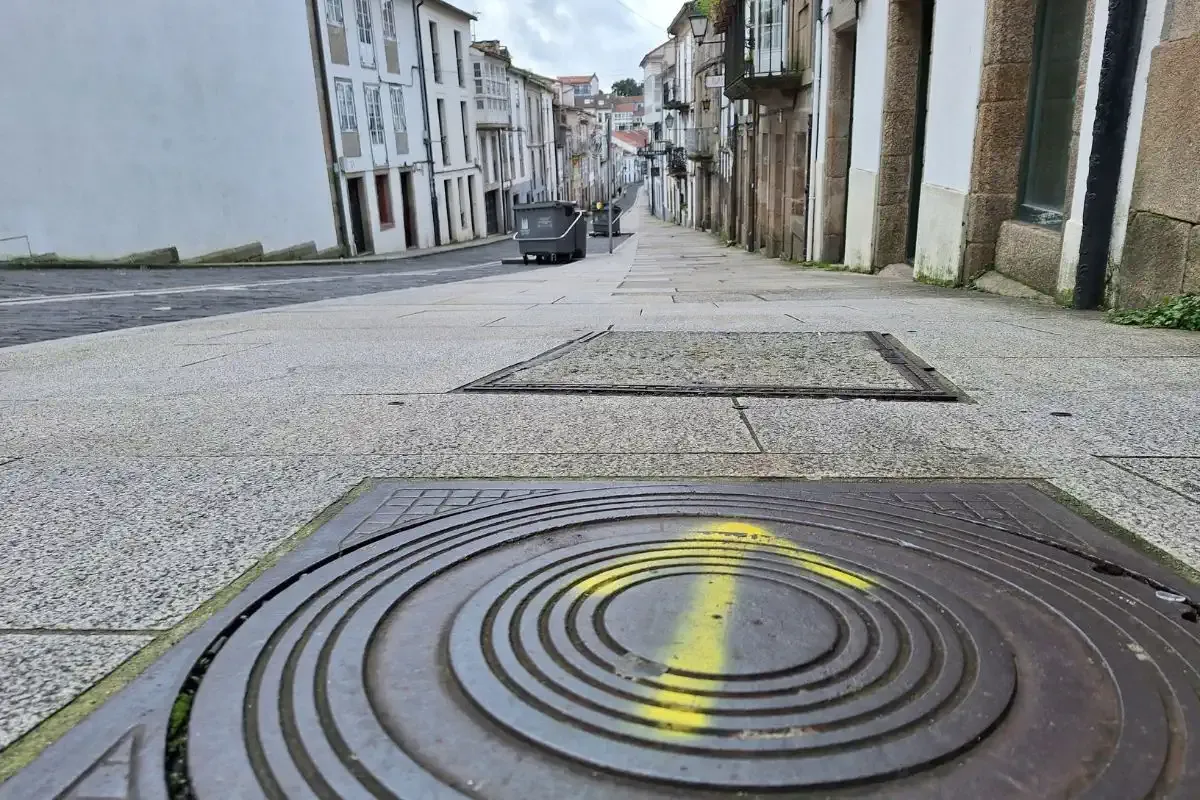 Yellow arrow leaving Santiago de Compostela, start of the Finisterre and Muxía Way
Variants, complementary paths, and temporary detours
In some stages, variants and complementary paths appear, usually well marked. If you choose a variant, follow its markings until it rejoins the main route. Avoid mixing paths "by eye".
There may also be temporary detours due to construction or natural causes. In those cases, you will find provisional arrows or specific signs: follow them until you resume the usual itinerary. Be wary of arrows of other colors, graffiti, or improvised markings.
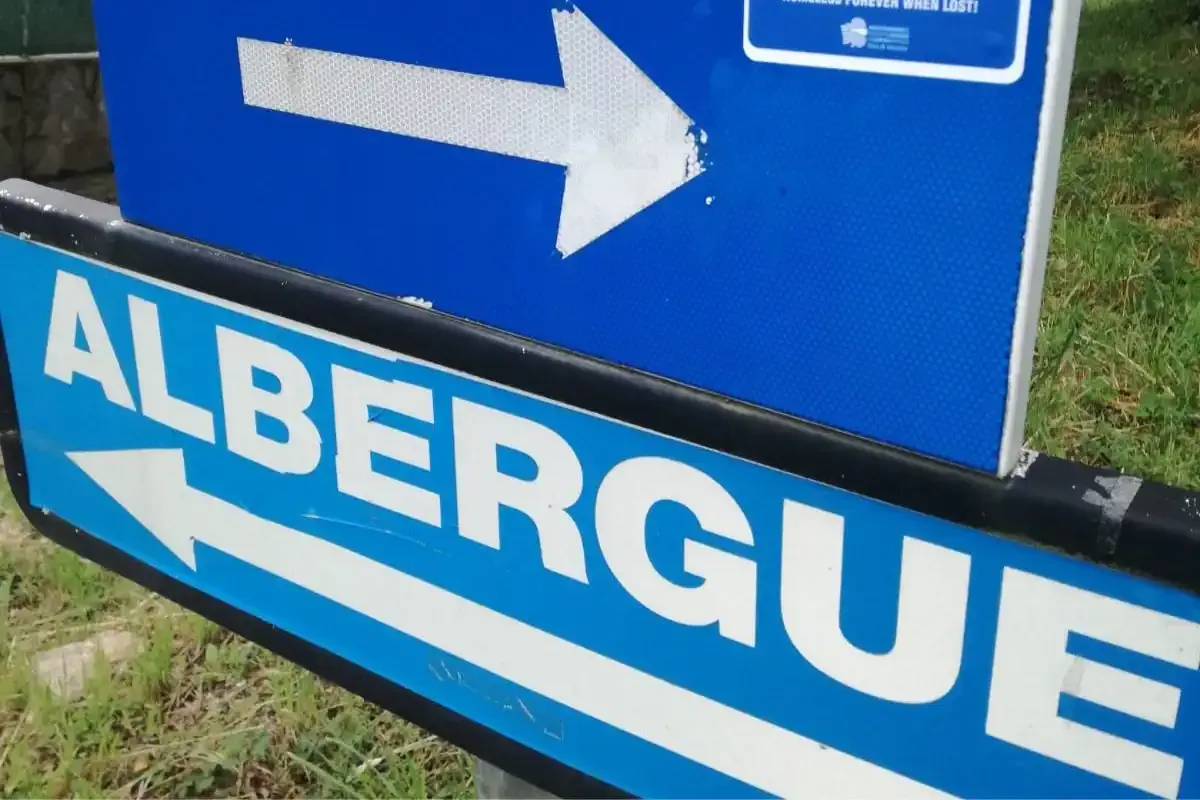 Sign of the French Way that causes confusion
What to do if you get lost: quick protocol
If you think you are lost, as you haven't seen any signage for a while, follow these tips:
- Stop and observe calmly: do not proceed blindly.
- Go back to the last reliable marker (arrow or post).
- Check the intersection carefully: look for signs on walls, corners, lampposts, or rocks.
- Consult a map: you can always use a mobile application.
- Ask local people: "Where does the Camino de Santiago continue?" always works.
- In fog or low visibility: proceed more slowly and seek frequent confirmations.
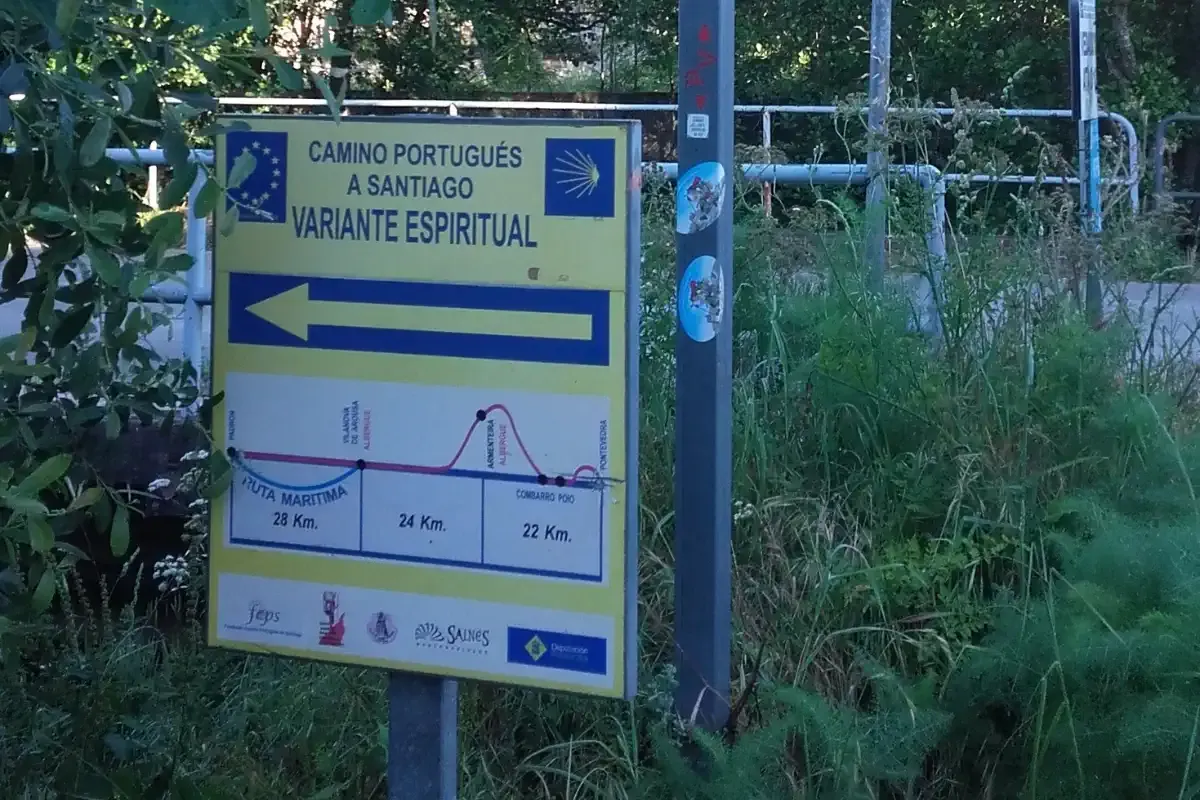 Sign of the fork in the Spiritual Variant
Taking care of the signs: shared responsibility
All pilgrims are co-responsible for taking care of the signage, as it must be available for the pilgrims who come behind us. Therefore, we kindly ask you to:
- Do not paint arrows or alter the signs.
- Avoid placing stickers or homemade marks on the milestones.
- Ignore false signs, advertisements, or contradictory indications.
- Use technology as support, not as a substitute.
- If you see someone with doubts, share your last reliable reference: being a good companion also makes the Way.
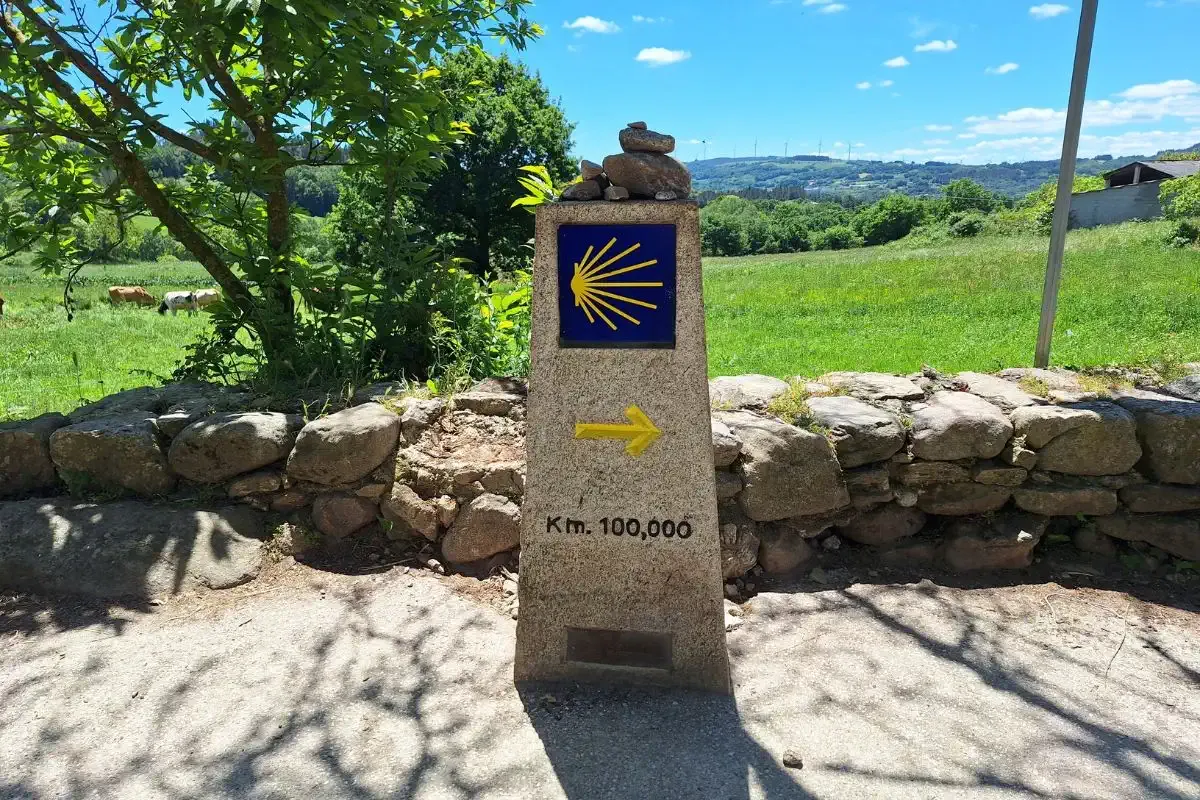 On the French Way from Sarria, you will find the famous milestone of kilometer 100
Clear signage, safe Camino
With the signage on the Camino de Santiago and a little attention, you will proceed safely. And if you want to focus solely on walking and following the arrows, at Viajes Camino de Santiago we are at your disposal to be your guide and prepare your trip so that you have the best pilgrimage experience.