


How to Prevent Muscle Fatigue?
01 June, 2026
Tips to prevent muscle fatigue on the Camino de Santiago, with recommendations on physical preparation, stretching, rest, and nutrition, helping to improve performance during the stages and reduce the risk of overloads and injuries along the route.

Muscle fatigue is a feeling of tiredness or exhaustion that can affect anyone, especially when walking the Camino de Santiago. Muscle fatigue can significantly decrease physical performance, cause pain, and in severe cases, lead to injuries. Fortunately, there are effective ways to prevent it, thus ensuring a more enjoyable and safe experience while traversing the Camino de Santiago. How to prevent muscle fatigue? How to guarantee a safe experience for your health on your pilgrimage adventure? Let’s go with our physiotherapy tips!
Symptoms of muscle fatigue
Muscle fatigue, which is the tiredness of the muscles, occurs when more effort than usual is exerted. This leads to extreme exhaustion of the muscle fibers, which carries a risk of injury.
It usually arises from excessive exertion, or from not having enough calcium, dehydration, overtraining, poor eating habits, etc. It primarily manifests when the calcium levels that our fibers need to contract and relax are reduced; thus, the famous soreness appears. It can also be due to a build-up of lactic acid or a deficiency of glycogen.
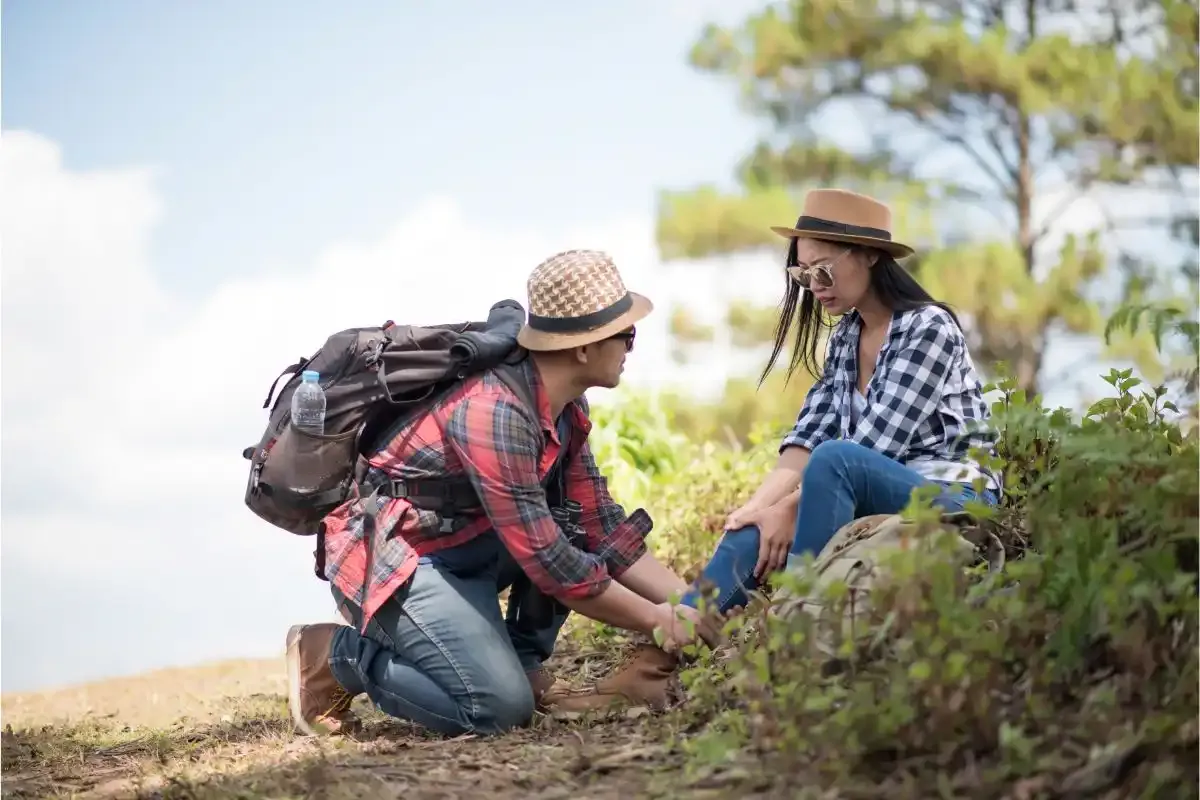
Muscle fatigue is very common on the Camino de Santiago
In general, the symptoms can present themselves in various ways:
- joint pain;
- appearance of soreness;
- fatigue;
- increased heart rate;
- general weakness;
- lack of strength and coordination;
- muscle stiffness;
- alteration of blood pressure.
Tips to prevent the onset of muscle fatigue symptoms
We start from the premise that you should undertake a training program for the Camino de Santiago beforehand, whether you are walking or cycling. This way, your body will be accustomed to the effort. However, muscle fatigue does not forgive, and it could pay you a visit during your pilgrimage. Train beforehand, only then will you know that you are prepared to undertake the Camino de Santiago.
Muscle Strengthening
Including strengthening exercises in your routine not only improves physical performance but also prevents muscle fatigue. Strength training increases muscle endurance, which is especially beneficial for those planning to undertake a Jacobean route.
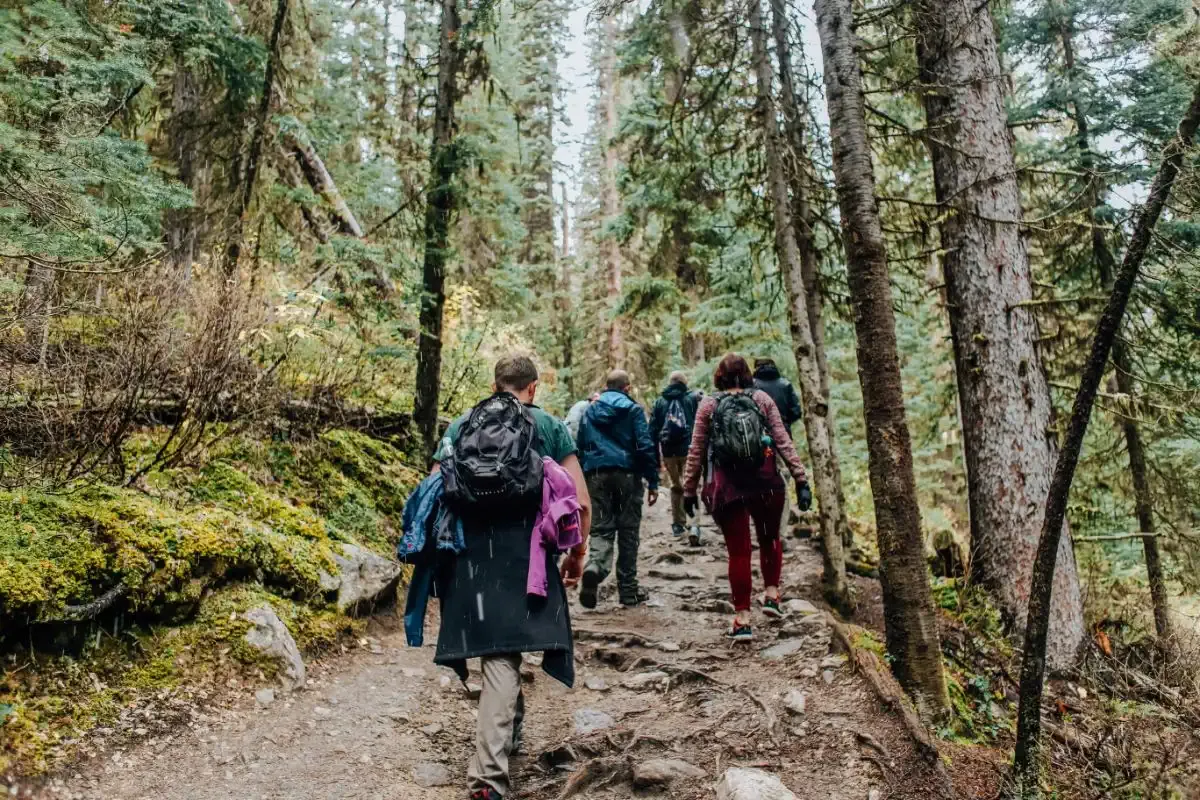
Prior training can help reduce fatigue and injuries
Avoid Physical Overexertion and Excess Weight in Your Backpack
Establish a division of stages according to your capabilities, and do not set stages that are too long for you. Additionally, if you need to rest during the stage, stop and do so; physical overexertion is the primary cause of injuries and muscle fatigue. Likewise, avoid excessive weight in your backpack: many pilgrims think of "just in case" and make this very common mistake.
Warm-up, Stretching, and Cool Down
Incorporating warm-up habits before starting physical activity, stretching during, and cooling down at the end can significantly reduce the risk of muscle fatigue. With these exercises, you prepare your body for physical effort and facilitate post-exercise muscle recovery.
In turn, stretching improves flexibility and also helps to prevent muscle fatigue. Performing stretches before, during, and after walking reduces muscle tension and increases blood flow to the muscles, which contributes to recovery.
It is well established that muscles that have been warmed up beforehand can:
- exercise for longer periods;
- experience less pain;
- have a lower risk of injury.
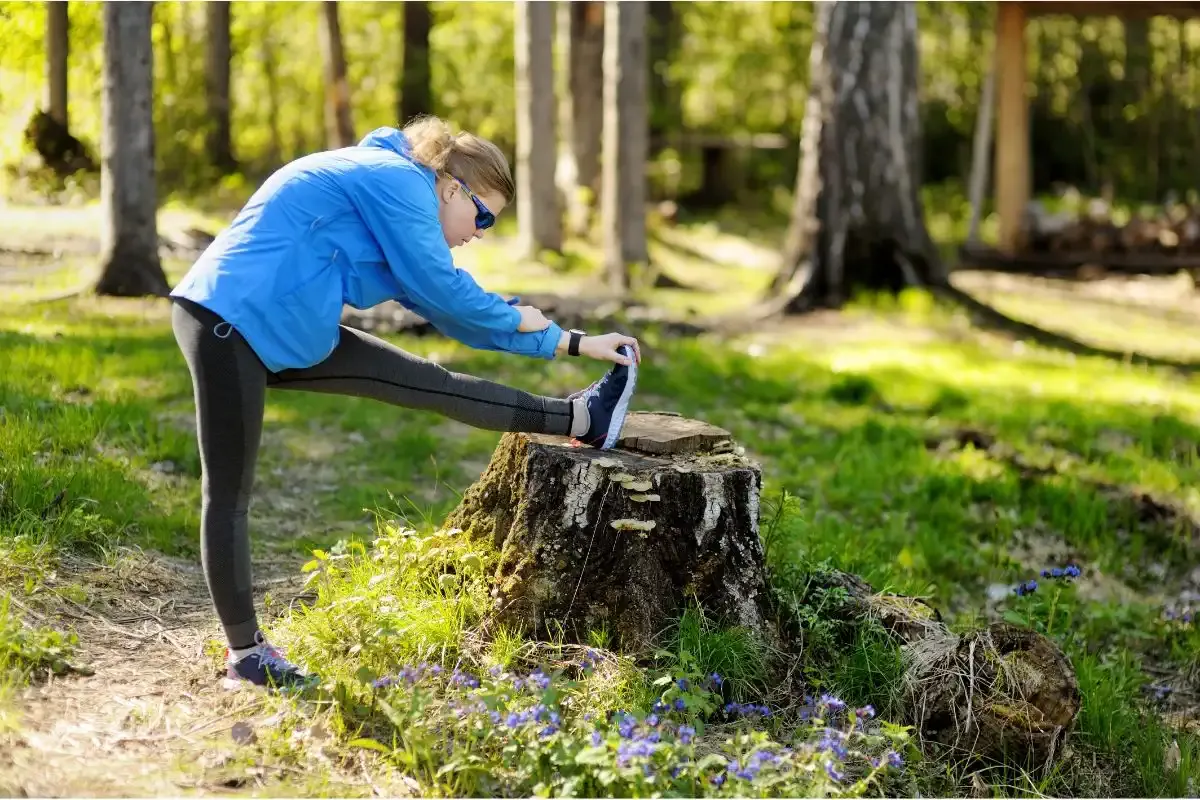
Stretching is key before, during, and after the Camino
We highly recommend wearing knee and ankle supports, as well as leg warmers. The warmth they provide to your muscles makes it easier to manage the walk.
Maintain adequate hydration
Hydration is key to preventing muscle fatigue, as water helps transport nutrients to muscle cells and eliminates toxins from the body. Drinking enough water before, during, and after physical activity is essential on the Camino de Santiago, where prolonged effort is a constant.
Balanced and nutrient-rich diet
Just like hydration, a balanced diet, rich in carbohydrates, proteins, healthy fats, vitamins, and minerals is fundamental to avoid muscle fatigue. Foods such as fruits, vegetables, whole grains, and lean proteins provide the energy and nutrients necessary for optimal muscle recovery.
Cold and hot water shower, and muscle cream
Once the exercise is finished, and in our case as pilgrims, the stage, a shower that combines cold and hot water is a blessing for the muscles. If, in addition, you apply a muscle recovery cream, your muscles will thank you.
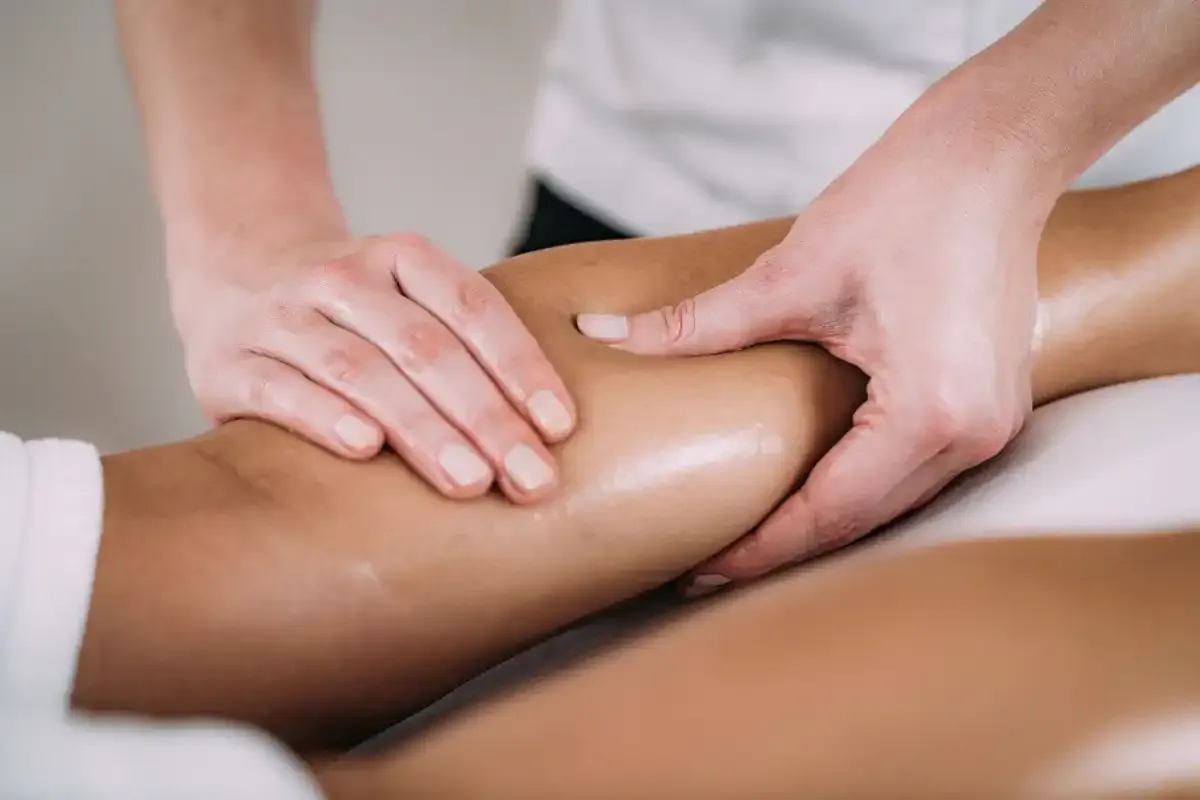
Muscle creams and massages help prevent muscle fatigue
Proper rest and recovery
Rest is as important as training itself. Sleeping enough hours allows the muscles to recover and regenerate. Furthermore, incorporating rest days into your training helps prevent overtraining and reduces the risk of muscle fatigue.
Stress Management
Stress not only affects you mentally but can also cause muscle fatigue. Practices such as meditation, yoga, or simply spending time in nature can help reduce stress levels. Believe it or not, this will improve your muscle endurance and recovery capacity.
How to recover from muscle fatigue?
Recovering from fatigued muscles and muscle fatigue in the legs can be summed up in three words: rest, rest, and rest. If you find yourself in the middle of the Camino, our recommendation is to take at least one or two days of rest. Elevate your legs and apply creams or sprays that help relieve muscle fatigue.
In addition to resting, you can do the following:
- use a hot water bottle;
- take a hot bath;
- get massages;
- warm up and stretch your body.
As always, if the situation is more serious, visit the nearest health center.
Allow yourself to rest on the Camino to prevent muscle fatigue
Preventing muscle fatigue is very important to fully enjoy the Camino de Santiago, minimizing the risk of injuries and enhancing the overall experience. Your health care on the Camino is very important. Implementing these tips in your preparation will help you keep your muscles in optimal condition and your mind focused on the Camino ahead.