


The Way of El Salvador
19 July, 2026
The guide on the Camino del Salvador presents this Jacobean route from León to Oviedo and Santiago, with details of its natural, cultural, and spiritual appeal, recommendations for stages, difficulties and logistics, and tips for planning the pilgrimage and making the most of this historic variant of the Camino de Santiago.

The Camino del Salvador is one of the lesser-known yet most magical routes linked to the Camino de Santiago. It stretches from León to Oviedo, traversing stunning landscapes of mountains, valleys, and rivers. A physical and mental challenge, rewarded with bucolic and impressive panoramic views and a direct connection to the essence of the Camino.
This route has a very special motto: "Whoever goes to Santiago and not to the Savior visits the servant and forgets the Lord". This phrase reminds pilgrims of the importance of visiting the cathedral of Oviedo. But what is the reason for this importance? Join us on this historical journey along the Camino del Salvador to discover what makes it so special.
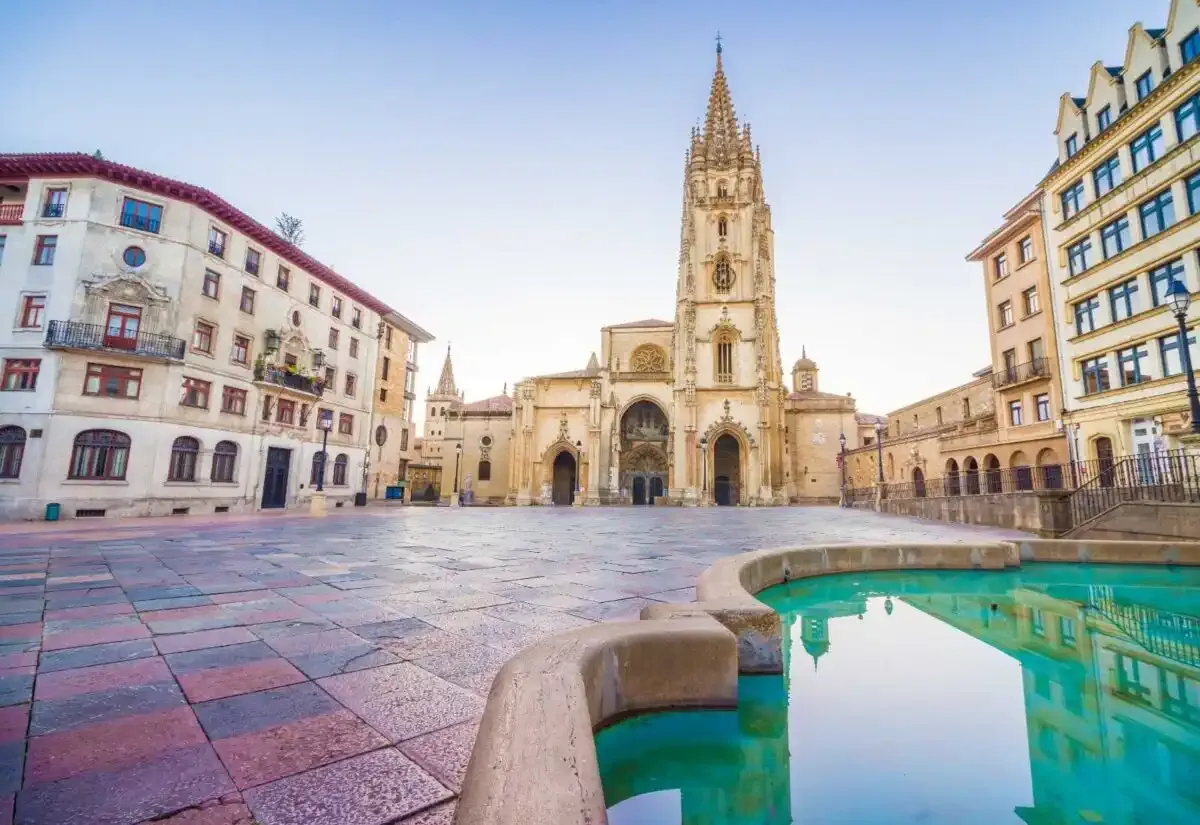 Oviedo, with its cathedral, is the end of the Camino del Salvador
History of the Camino del Salvador
In the late 8th century, following the onset of the Islamic invasion, a chest with sacred relics from Jerusalem arrived on the Peninsula. Known as the Holy Ark, it reached the northern part of the peninsula after a long journey that included Alexandria, Cartagena, and Toledo. It was ultimately hidden in the monastery of Santo Toribio de Liébana, in Cantabria, where the Lebaniego Way ends, to protect it from the invader.
With the Muslim advance, the Asturian king Alfonso II the Chaste moved the court to Oviedo in the year 792, where he ordered the city to be fortified and the church of San Salvador to be built. The Holy Ark was also moved there, and subsequently, it would be safeguarded in the chapel of San Miguel, adjacent to the temple.
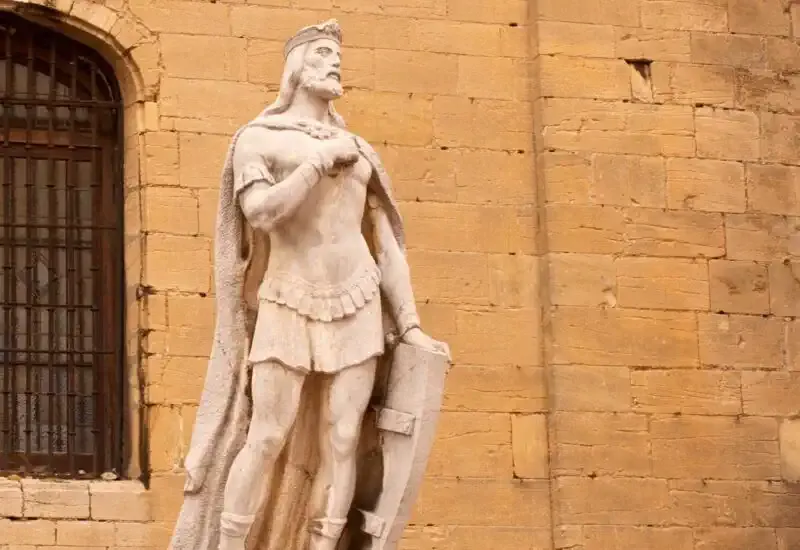 Alfonso II the Chaste, one of the key figures in the history of the Camino del Salvador
In 1075, during the reign of Alfonso VI, the ark was opened, revealing its invaluable contents. The Holy Ark contained important relics, including the Holy Shroud, considered to be the cloth that covered the face of Jesus Christ after his crucifixion. This event turned Oviedo into a place of pilgrimage that rivaled in importance with the tomb of the apostle Santiago in Compostela, giving rise to the Camino del Salvador.
Stages of the Camino del Salvador
This Camino has an approximate length of 120 kilometers, connecting León with Oviedo. This section, very mountainous, is designed for those experienced pilgrims in medium and high mountain, who seek a more intimate experience close to nature.
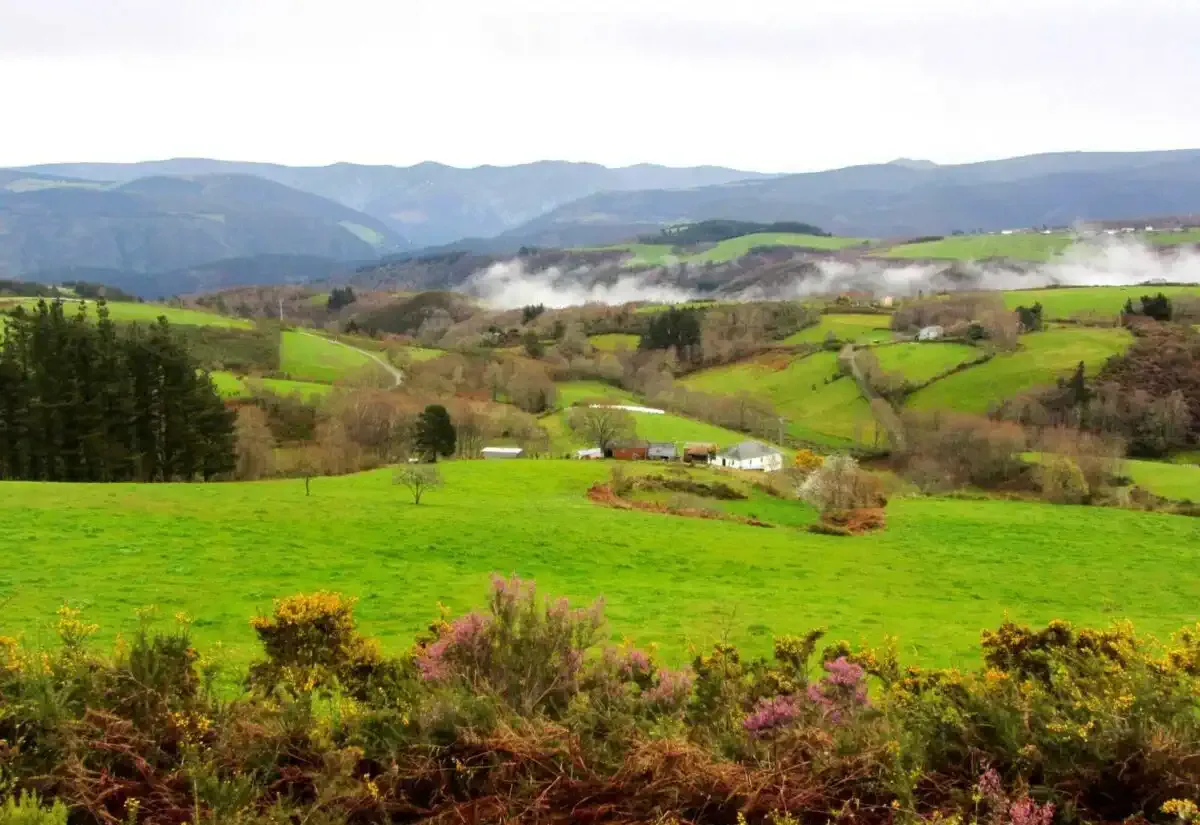 The green Asturian meadows are a spectacle for the pilgrim
The Camino del Salvador is usually completed in 6 stages, although this may vary depending on the physical condition of the pilgrim. This is the most common division of stages:
- Stage 1: León – La Robla · 27 km
- Stage 2: La Robla – Poladura de la Tercia · 23.2 km
- Stage 3: Poladura de la Tercia – Pajares · 14.1 km
- Stage 4: Pajares – Pola de Lena · 23.8 km
- Stage 5: Pola de Lena – Mieres · 13.4 km
- Stage 6: Mieres – Oviedo · 18.8 km
Stage 1: León – La Robla (27 km)
From León, the path follows the Bernesga River to Carbajal de la Legua, where it is essential to stock up. It passes through Villalbura, San Pelayo, and Cabanillas before continuing through "the oaks of the Bernesga" towards Cascantes and ending in La Robla. Mixed terrain with moderate difficulty.
Stage 2: La Robla – Poladura de la Tercia (23.2 km)
It begins with a flat section to Pola de Gordón, followed by a challenging ascent to the Forcadas de San Antón (1450 m) with stunning views, before descending to Poladura.
Stage 3: Poladura de la Tercia – Pajares (14.1 km)
The queen stage includes the climb to the Cruz del Salvador and the collada del Coito (1568 m), the highest point of the route. It continues crossing the Sierra del Cuchillo and descending towards Pajares, passing through streams and mountainous paths.
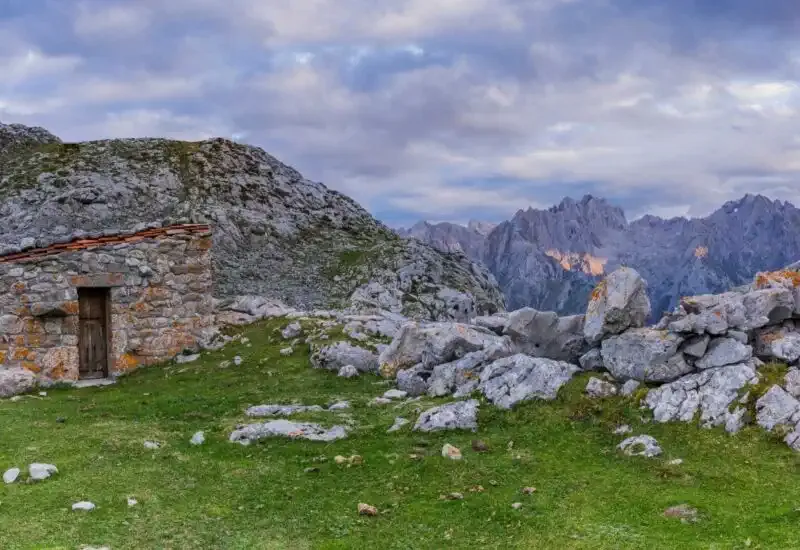 There will be demanding high mountain sections
Stage 4: Pajares – Pola de Lena (23.8 km)
With green landscapes and views of the Ubiñas massif, the path descends towards San Miguel and Llanos de Somerón. It includes Santa Cristina de Lena, a pre-Romanesque gem, and becomes flat from Campomanes.
Stage 5: Pola de Lena – Mieres (13.4 km)
A calm and simple stage with stops in Villallana (church of San Martín and hórreo of the Temple) and Santa Eulalia de Ujo. Ideal for relaxing and enjoying the cider house before the next challenge.
Stage 6: Mieres – Oviedo (18.8 km)
Predominantly urban, it combines stretches of asphalt and Roman road. It is a hilly route passing through El Padrún, La Manzaneda, and La Manjoya, which ends in Oviedo with a pleasant walk.
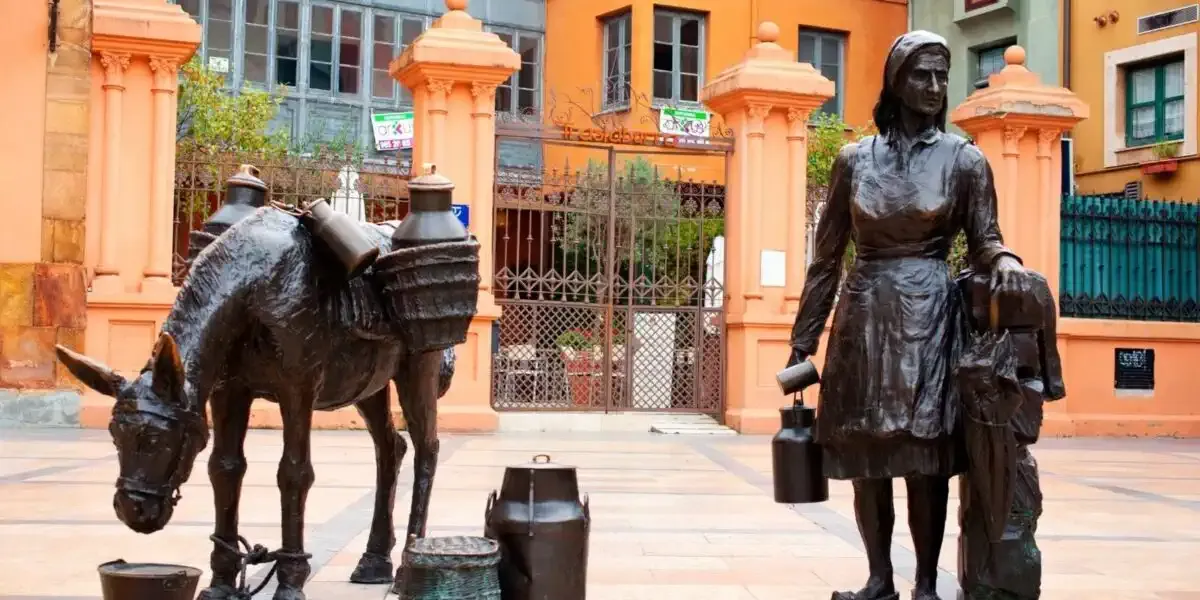 At the end of the Camino del Salvador, you can enjoy Oviedo
The Pilgrim Passport and the Salvadorana
The Pilgrim Passport of the Camino del Salvador identifies the pilgrim and must be stamped at least once in each stage. This is essential for accessing the shelters and services intended for pilgrims. This pilgrim passport has a price that varies between 2 and 5 €, depending on where it is obtained.
Where to obtain the Pilgrim Passport for the Camino de San Salvador?
There are different points where you can acquire this special Passport:
- Association of the Camino de Santiago of León.
- Tourist offices in La Robla and Pola de Gordón.
- Shelters in León, La Robla, Poladura, Pajares, and Pola de Lena.
- Some shops, as happens in towns like Carbajal de la Legua.
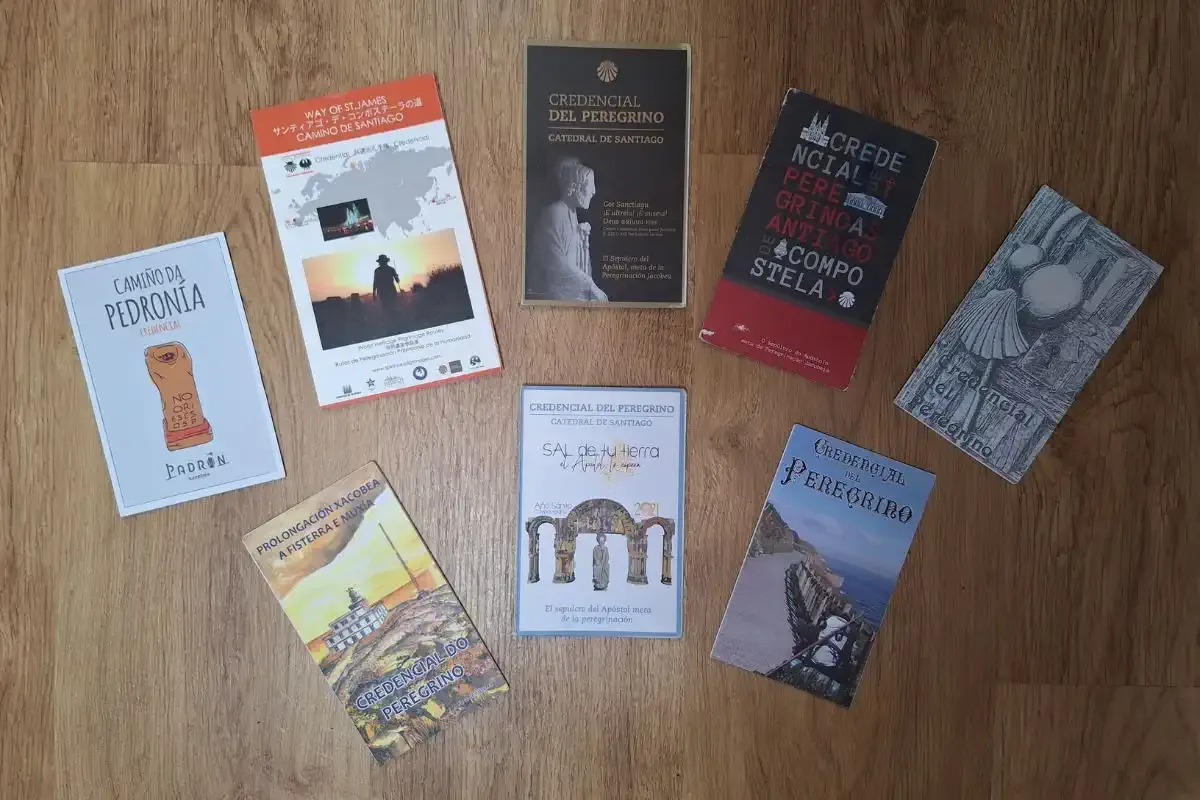 There is a specific passport for the Camino del Salvador, although the common passport of the Camino de Santiago can also be used
However, if you already have the common pilgrim passport for the Camino de Santiago, know that it is also valid for the Camino de San Salvador!
The certificate of the Salvadorana
Additionally, with the properly stamped pilgrim passport for the Camino del Salvador you will be able to obtain the Salvadorana, the official document that certifies the completion of the Camino de San Salvador, signed by the Dean of the Cathedral of Oviedo. This another pilgrim certificate can be collected at the Cathedral of Oviedo, where pilgrims are welcomed at the entrance, or at the El Salvador Shelter in Oviedo.
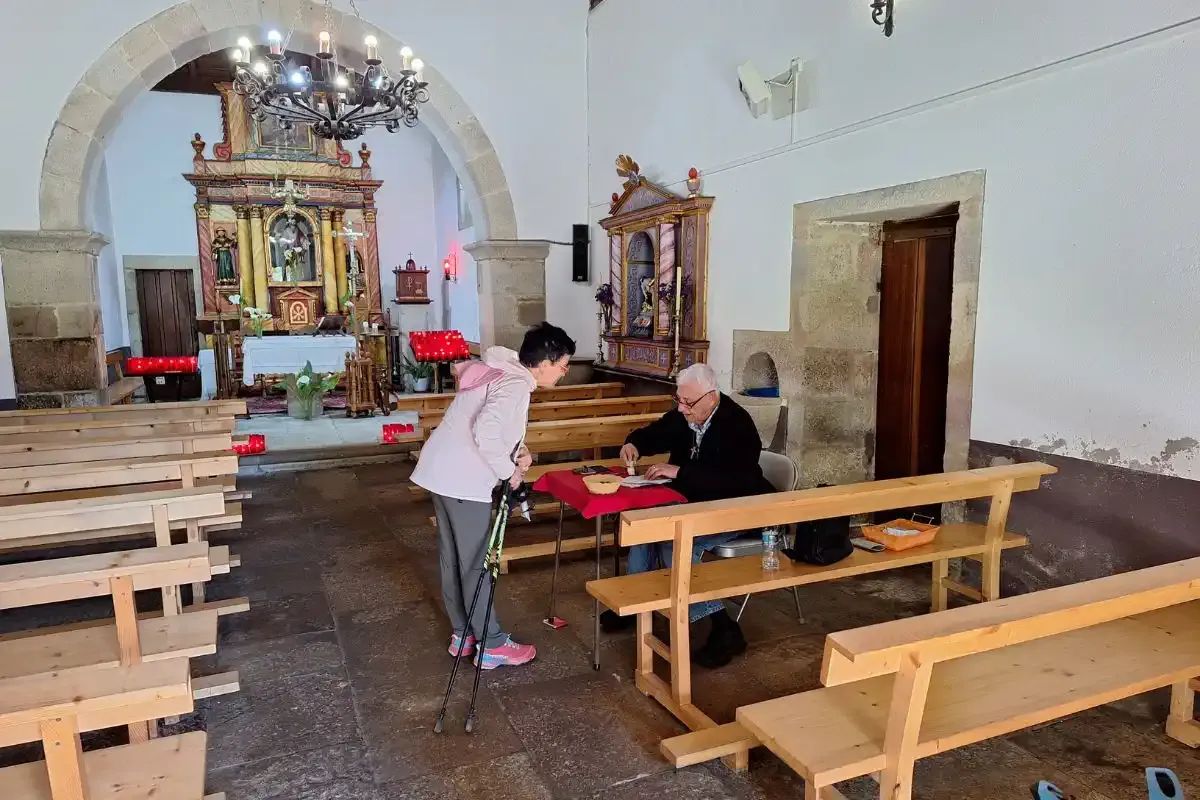 Remember to stamp at least once a day to be able to request your Salvadorana
Services and Signage on the Camino del Salvador
Although it is a less traveled route, the Camino del Salvador has basic services that ensure a comfortable and safe experience for pilgrims. However, it is always better to gather information in advance, for example, by visiting the official website of the Camino de Santiago Camino de San Salvador Association. Some of the services that can be found include:
- Shelters and accommodations: Although there are not as many as on other routes, the shelters on this route tend to be welcoming and offer the essentials for resting.
- Supply points: Many towns have bars and restaurants where you can enjoy local cuisine, such as the famous Cabrales cheese or the Asturian fabada.
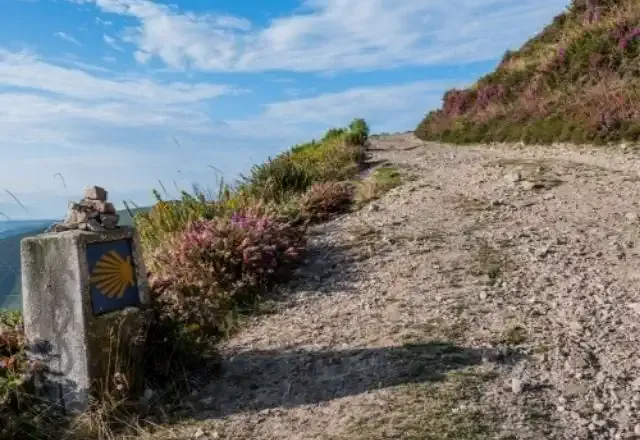
- Signage: Yellow arrows and signs are present throughout the entire route, although it is advisable to carry a map, a GPS, or a Camino de Santiago application.
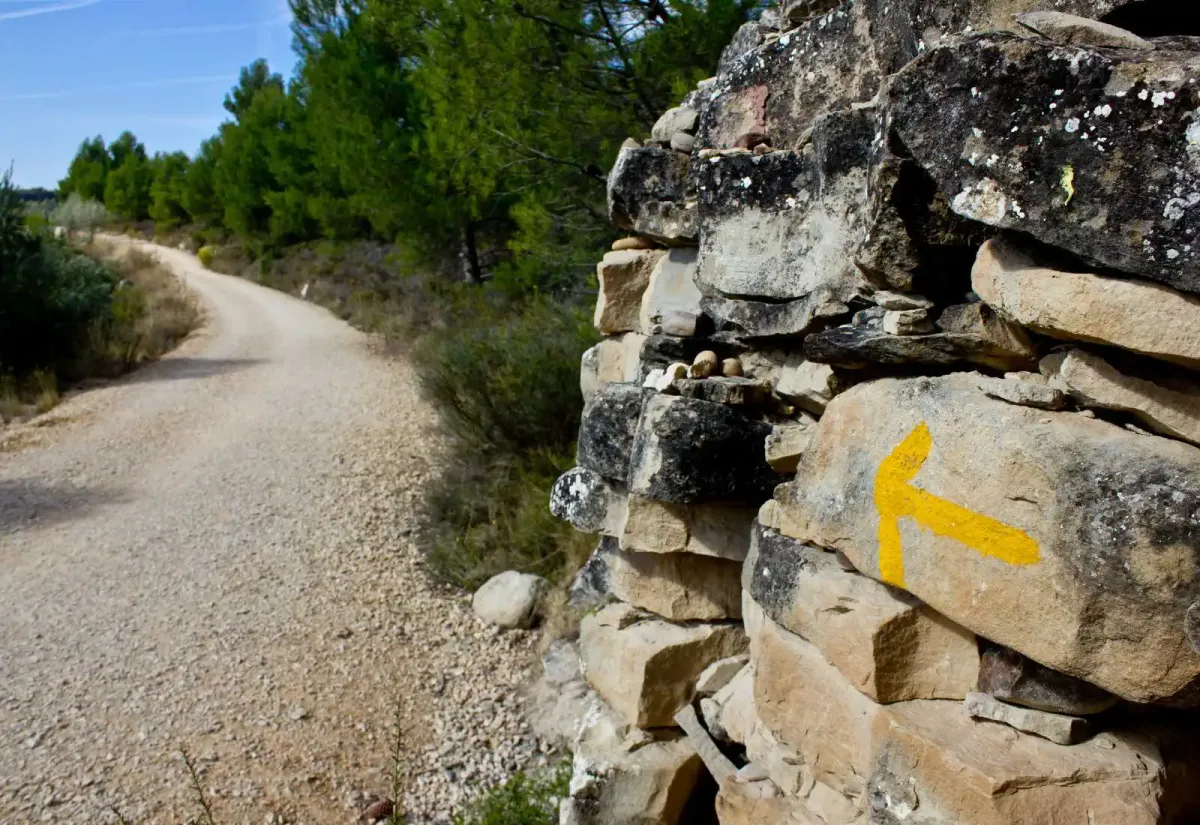 The yellow arrow is universal on the Jacobean paths, and you will also find it on the Camino del Salvador
Tips for Enjoying the Camino del Salvador
To have a good experience traveling this route without surprises, we recommend that you follow our tips:
- Prepare physically: This route includes demanding mountainous sections, so good physical preparation is key.
- Choose a good time: Act sensibly, and do not embark on this Camino in autumn or winter, as you will encounter a lot of snow in the high mountains. Choose spring or summer.
- Plan your accommodation: Check the availability in the shelters in advance.
- Enjoy at your own pace: The Camino del Salvador is a route to connect with nature and history. Take your time to enjoy every step.
 After arriving in Oviedo, you can continue to Santiago de Compostela via the Primitive Way or the Northern Way
The Camino del Salvador emerged as a connection between León, on the French Way, and Oviedo, on the Primitive Way, being a route of great religious importance. Although it lost popularity in recent centuries, it is regaining attention due to its authenticity and beauty. The Camino del Salvador is also a hidden gem related to the Jacobean Routes, ideal for those seeking authenticity, beauty, and a physical challenge. If you are looking for a different and exciting experience, this route is for you! Are you brave enough to discover it?