


The most fascinating museums to visit during the Camino de Santiago
30 May, 2026
Discover the most interesting museums along the Camino de Santiago, with suggestions for cultural stops that enrich the route, from sacred art and archaeology to local traditions. This guide helps you plan highlighted visits to combine heritage, history, and cultural breaks during your pilgrimage.

Imagine walking kilometers and kilometers, enjoying beautiful landscapes and meeting people from all over the world. But did you know that the Camino de Santiago is also a route full of history and culture? Let us discover the most fascinating museums to see during the Camino de Santiago. Join us and add a special touch to your pilgrimage!
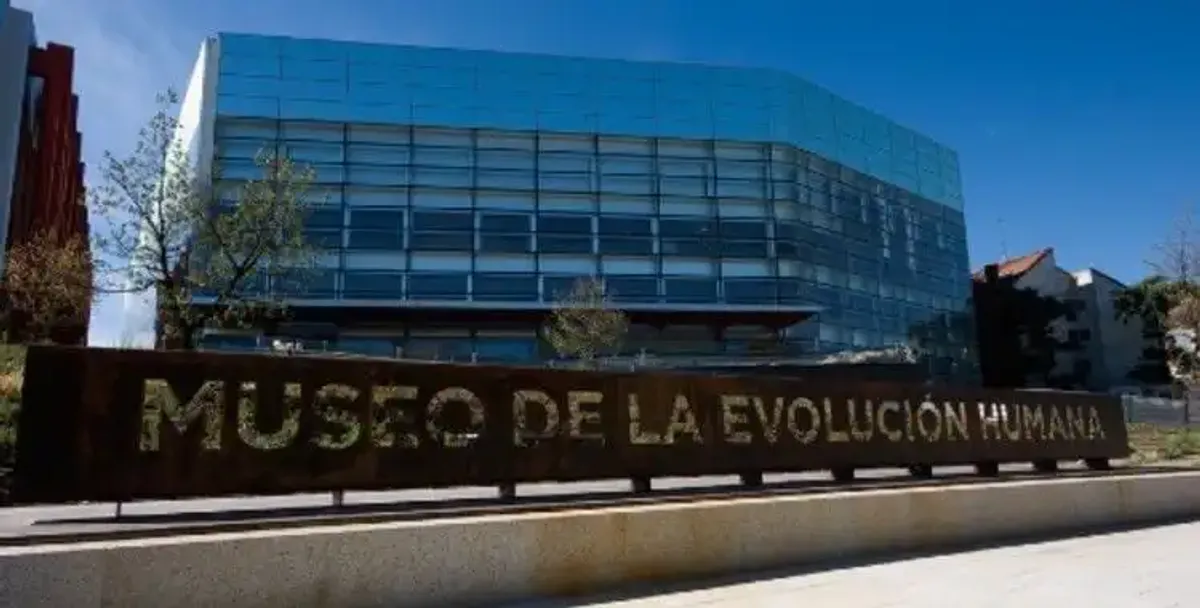
On the Camino de Santiago, you will find museums of all themes
Featured Museums on the Camino de Santiago
In addition to the museums you can visit in Santiago de Compostela, if you are undertaking a Jacobean route, you can visit these others.
Navarre Museum (Pamplona)
The Navarre Museum, located on the French Way, aims to bring the heritage and history of Navarre closer to everyone. It exhibits a collection from Prehistory to the 21st century. Additionally, it offers cultural programs in its temporary exhibition halls, event room, and workshops. Recently, the museum has renovated its permanent exhibition to be more attractive and accessible. This project seeks new ways to connect with 21st-century visitors.
Leon Cathedral Museum
The Leon Cathedral Museum was inaugurated in 1981, resulting from the merger of the old cathedral museum and the diocesan museum. It houses works from Prehistory to the 20th century in its seventeen rooms. Its access, through a walnut door made before 1513, already hints at what we are going to see. The Plateresque staircase by Juan de Badajoz el Mozo, located in the first room, is a masterpiece of the Renaissance. It displays crucifixes from the 14th century, a Virgin with Child, a transitional crucifix, and several paintings from the 16th century.
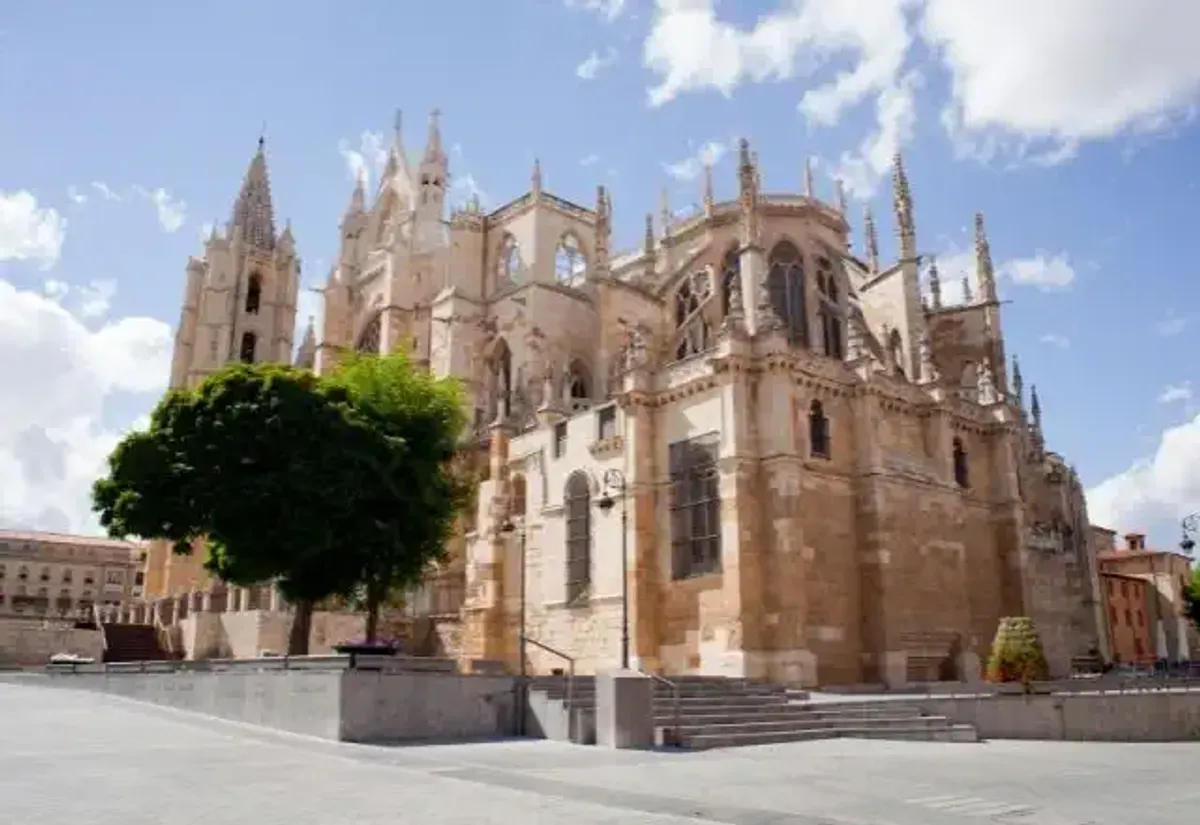
Leon Cathedral
Burgos Museum
The Burgos Museum was created to gather and preserve the art and culture of the province. It contains objects from Prehistory to the present day. The purpose of the museum is to disseminate knowledge of its collections and promote its activities. It is divided into two sections: Archaeology and Fine Arts.
Since 1955, the Archaeology headquarters has been the Casa de Miranda, while the Casa de Íñigo Angulo houses Fine Arts. The Prehistory and Archaeology Section stands out for fossils from Atapuerca and Roman pieces. Fine Arts exhibits works from the post-Visigothic era to Contemporary Art, including Burgos artists from the 19th and 20th centuries.
Etnographic Museum of Castilla y León (Zamora)
The Etnographic Museum of Castilla y León showcases the ethnographic heritage of the region. It is a center for anthropological research, documentation, and cultural conservation. Inaugurated in late 2002, it is located in Zamora, on the Silver Way.
This museum, which centralizes the study and dissemination of the ethnographic legacy, promotes reflection on community life and adaptation to the environment. It exhibits valuable ethnographic objects, such as farming tools, popular ceramics, and traditional costumes.
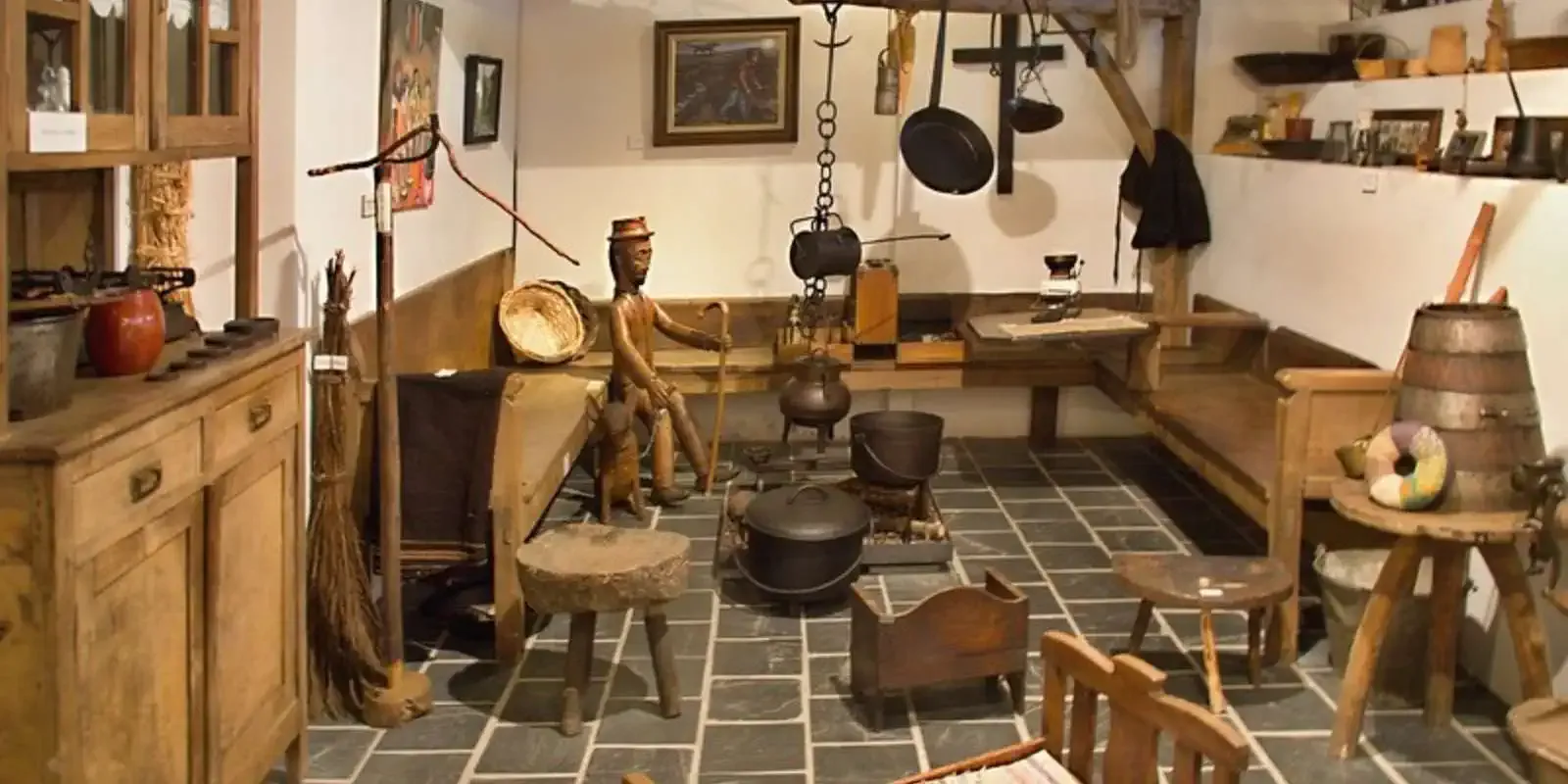
Etnographic museums show how our ancestors lived
Less known but equally interesting museums
Many other museums exist along the Camino de Santiago, where you can discover more about the heritage, history, and some surprising curiosities.
Museum of the Ways (Astorga)
Inaugurated in 1963, the Museum of Sacred Art is located in the impressive Episcopal Palace of Gaudí. It houses pieces from the entire Diocese of Astorga, which, documented since the 3rd century AD, guarantees an excellent collection.
It showcases objects and works of art from various periods and styles: Prehistory, Roman Archaeology, Romanesque and Gothic Art, the Camino de Santiago and the Silver Way, and Religious Art. It also offers temporary exhibitions. The Museum of the Ways allows visitors to enjoy the building itself, an example of Gaudí's architecture.
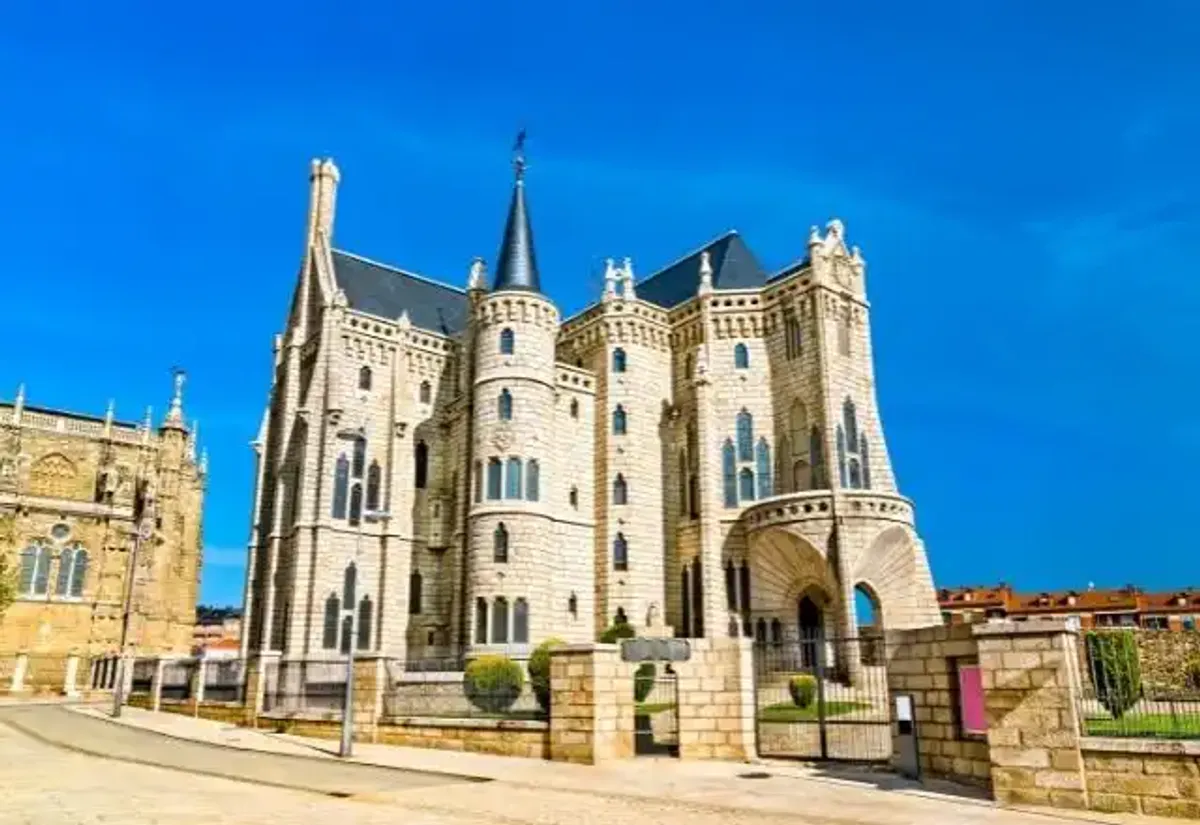
Episcopal Palace of Astorga
Jewelry Museum (La Bañeza)
Inaugurated in 2011, the Jewelry Museum in La Bañeza is located in the Casa de Doña Josefina, a modernist building from the 20th century. This museum pays tribute to folk art and the traditions of the Old Kingdom. It exhibits the best collection of traditional civil jewelry in Spain, with pieces from jewelers of the 16th century and embroiderers of the 19th.
The museum has seven rooms, each dedicated to different types of jewelry in history. From children's amulets to festive costumes and jewelry, the rooms showcase art and tradition at their finest.
Museum of the Giant Squid (Luarca)
The Museum of the Giant Squid in Luarca, on the Northern Way, has the largest collection of giant squids in the world, known as the mythical kraken. Opened in 2022, it allows for an immersion into the seabed.
Discover the life and habitat of the largest cephalopods, their prey and predators. The museum displays more than ten specimens of different species of giant squids. It offers tours for adults and children, with interactive games and the first recording of a live giant squid in its natural habitat. A sensory experience connects visitors with the seabed through lights and sounds.
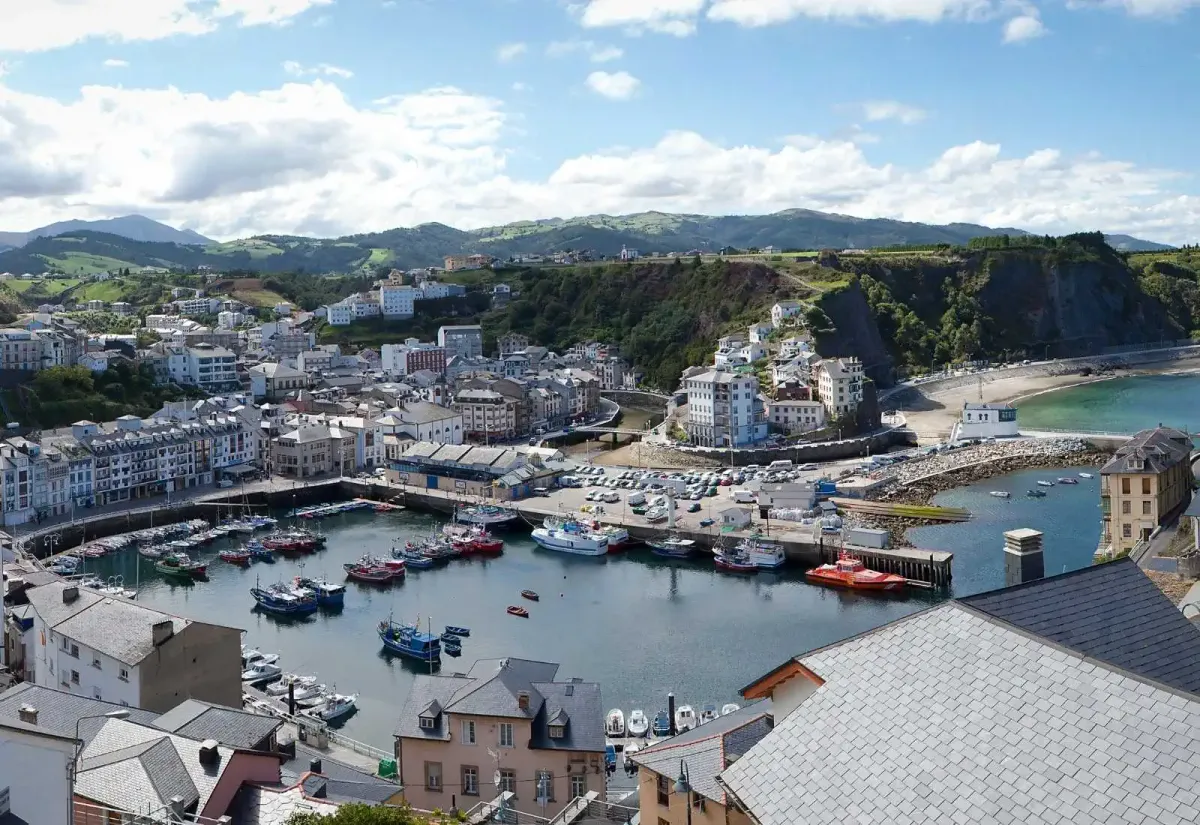
In Luarca, so closely tied to the sea, you can meet the very kraken in its Museum of the Giant Squid
Bierzo Museum (Ponferrada)
The Bierzo Museum is the result of an idea developed over many years, brought to life in 1996. The museum's collection, made up of pieces from various origins, offers a complete journey through the history of Ponferrada and El Bierzo.
From the Paleolithic to the 20th century, it includes objects of material culture, industrial archaeology, Roman occupation, Visigothic monastic life, and goldsmithing. One room is also dedicated to the castle of Ponferrada.
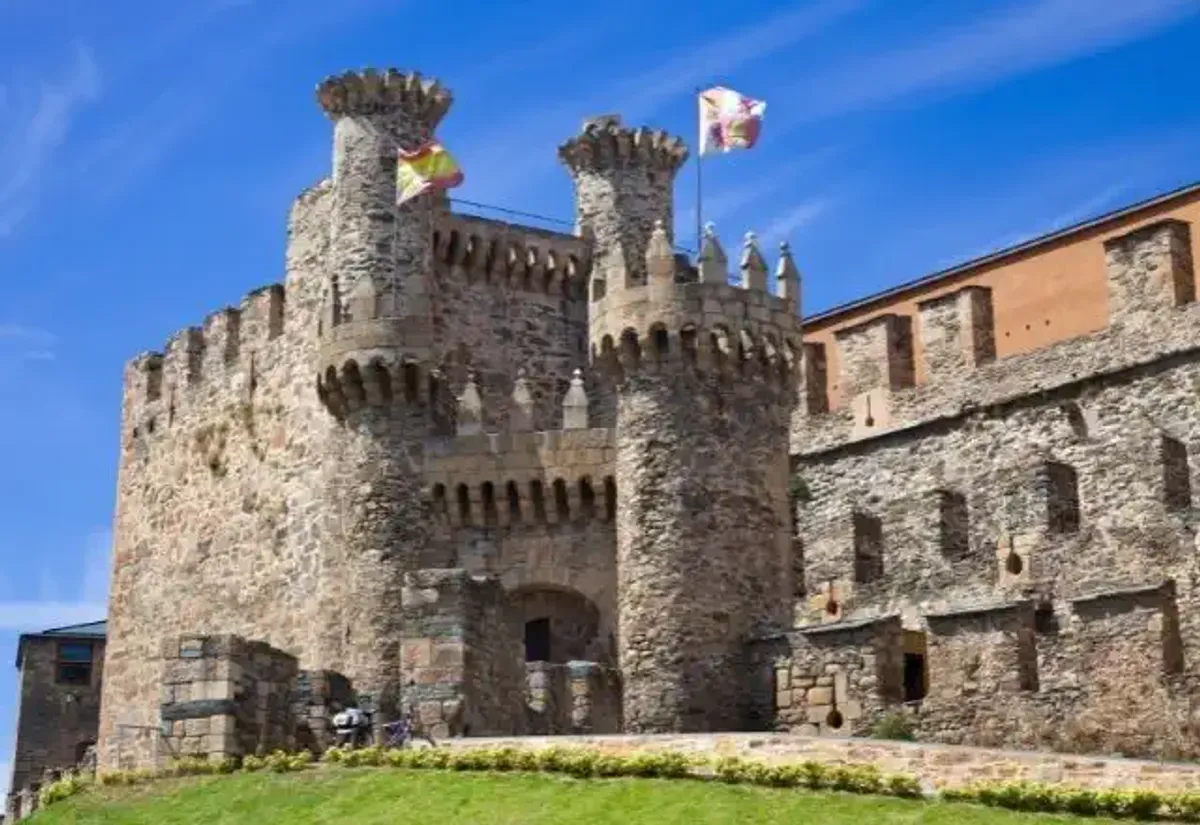
At the Bierzo Museum, you can learn more about the castle of Ponferrada, which is also visitable.
In each of these museums, you will find a window to the past that will enrich your experience on the Camino de Santiago. It is not only about walking and enjoying nature, but also about discovering the cultural wealth that this ancient route offers.
Each museum has its own history and peculiarities, making them must-see stops for pilgrims. Whether you are interested in archaeology, sacred art, or local traditions, there is a museum on the Camino waiting for you. Remember, the Camino de Santiago, which in itself is already a museum, is not just a physical journey, but also a journey through the history and culture of Spain. ¡Buen Camino!