


Your dog wants its Compostela too. This Camino de Santiago from Tui covers 115 kilometres through Redondela, Pontevedra, Caldas de Reis and Padrón, with days measured so neither of you ends up worn out, among eucalyptus woods, medieval bridges and the salty air of the Rías Baixas.
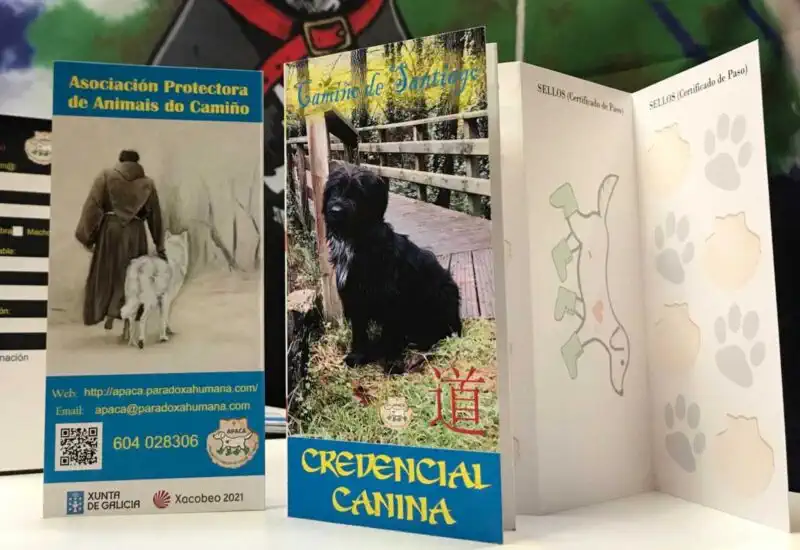
We handle the logistics, your four-legged companion included: dog-friendly accommodation, a canine credential, luggage transfer for both of you, full documentation and travel insurance, from 619 €.
The Portuguese Way with a dog is a journey organised by Viajes Camino de Santiago®.
Services
Included in all our routes
- Accommodation
7 days / 6 nights
- 7 days / 6 nights accommodation
- Canine credential
- Complete documentation (Dossier and material for the Camino)
- Luggage transfer during the stages. (1 piece per person max 15 kgs)
- On-the-road emergency telephone assistance
- Pilgrim's Credential
- Transfer of your pet's luggage
- Travel insurance
Optional
- Supplement for single room
- Extra night in Santiago de Compostela
- Breakfast
- MP (Breakfast and dinner)
- Cancellation Insurance
Accommodations
- Most popular
Dog Friendly Accommodation
619 €
Our Dog Friendly option offers hotels, guesthouses, and rural houses to pilgrimage with your pet. Accommodations with private bathrooms, TV, and maximum cleanliness on the Jacobean route. The perfect alternative to ensure your rest and that of your loyal companion.
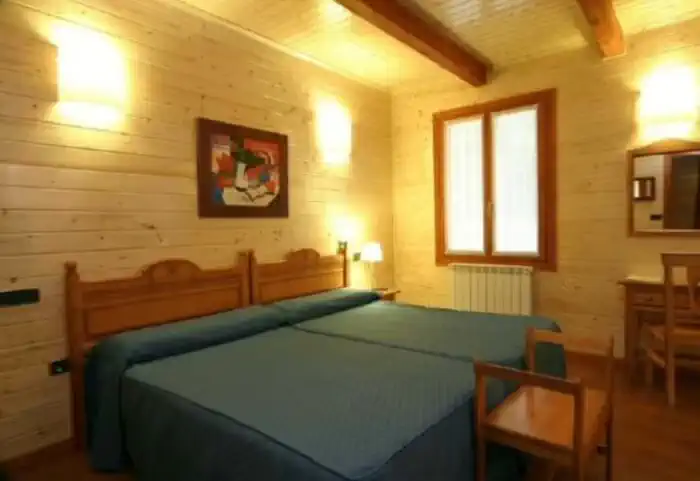
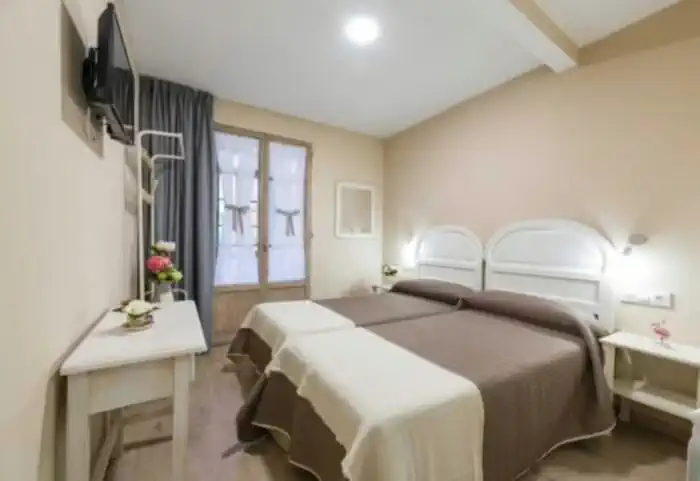
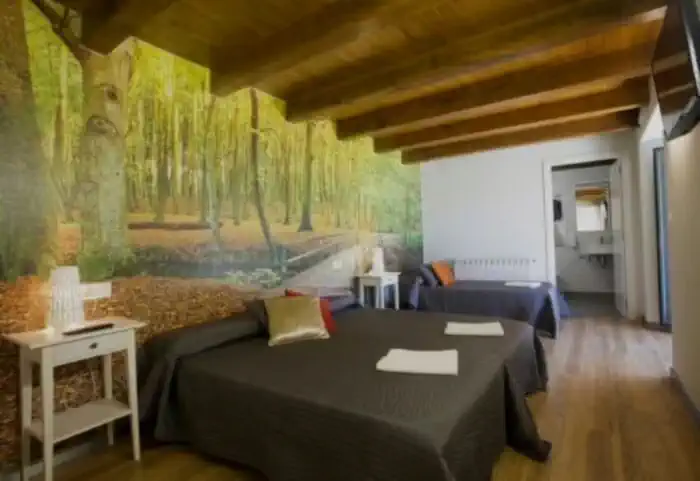
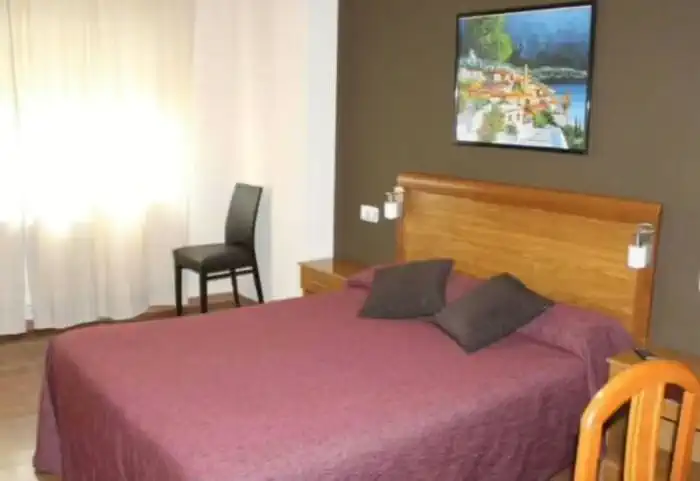
Photos
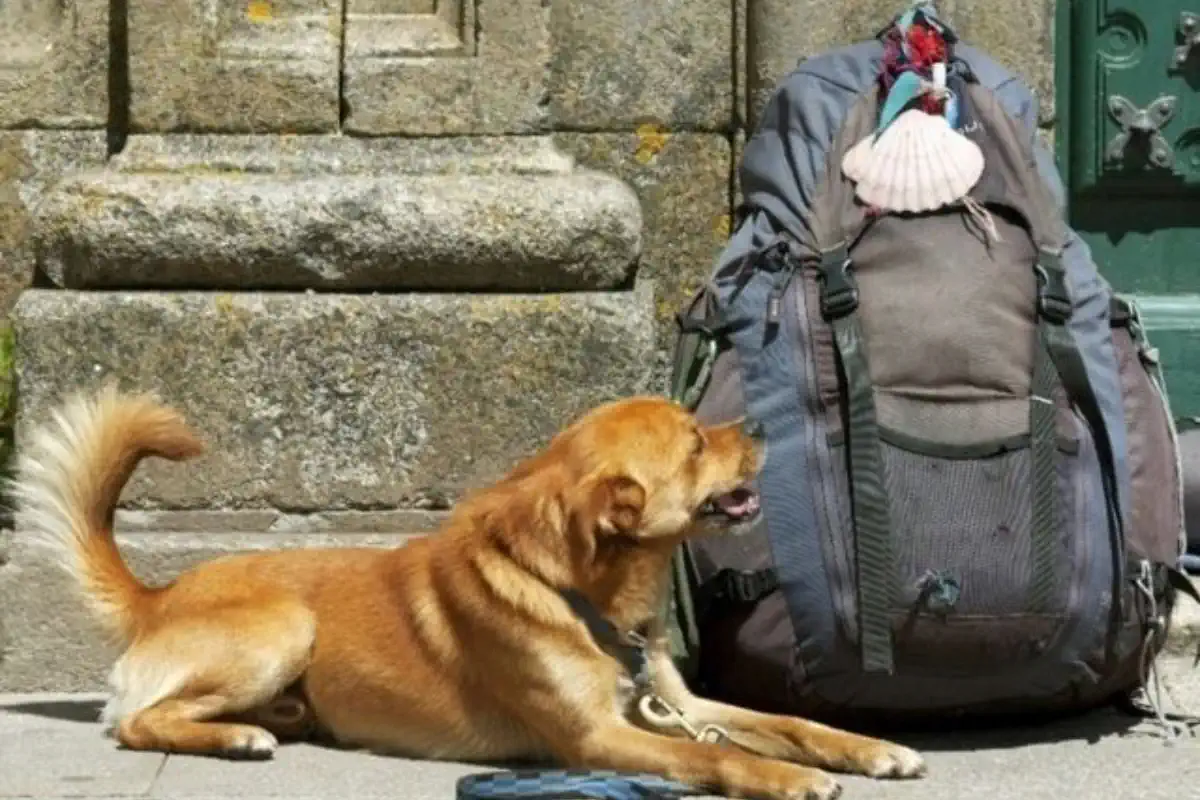
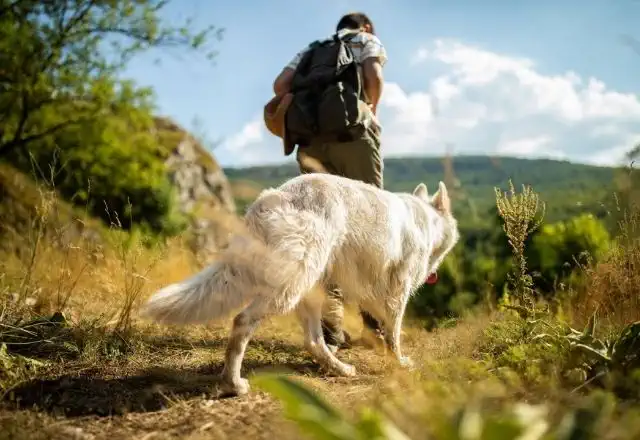
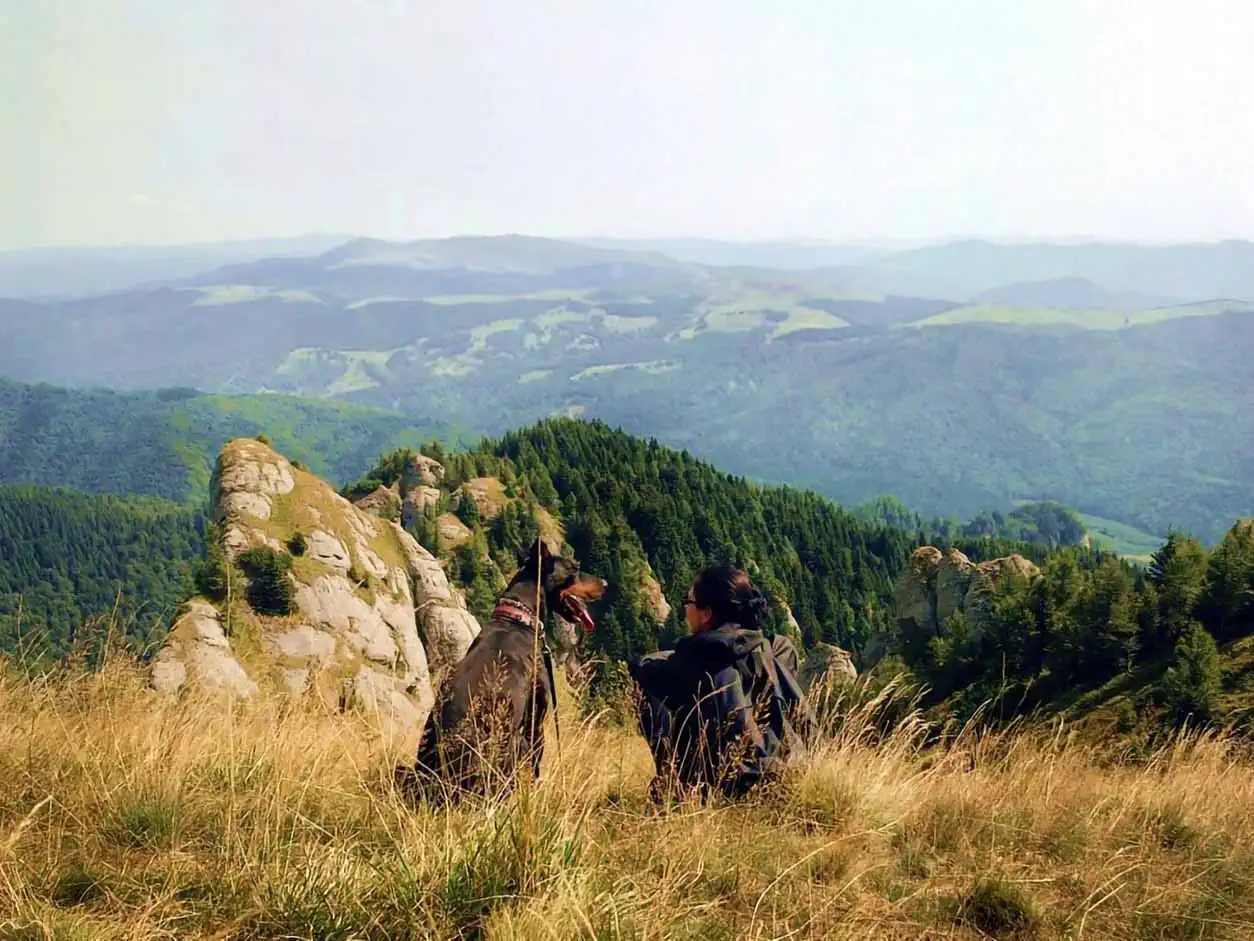
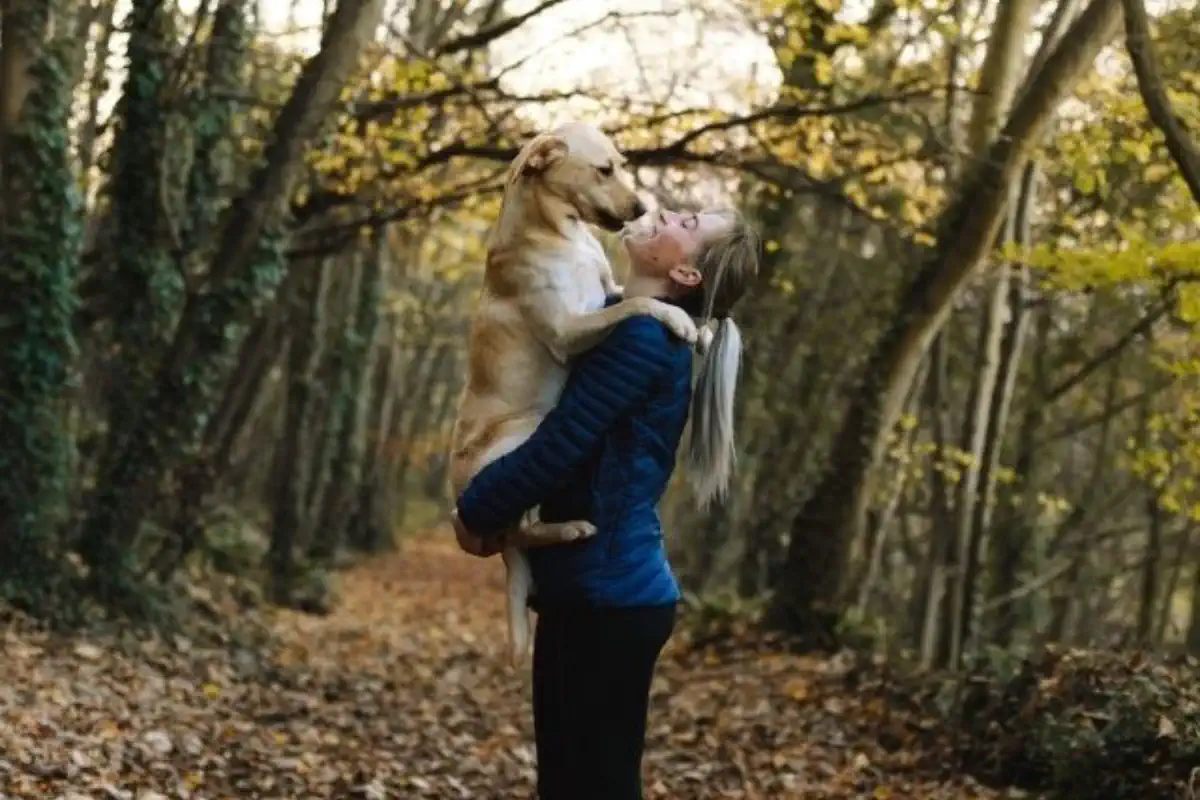
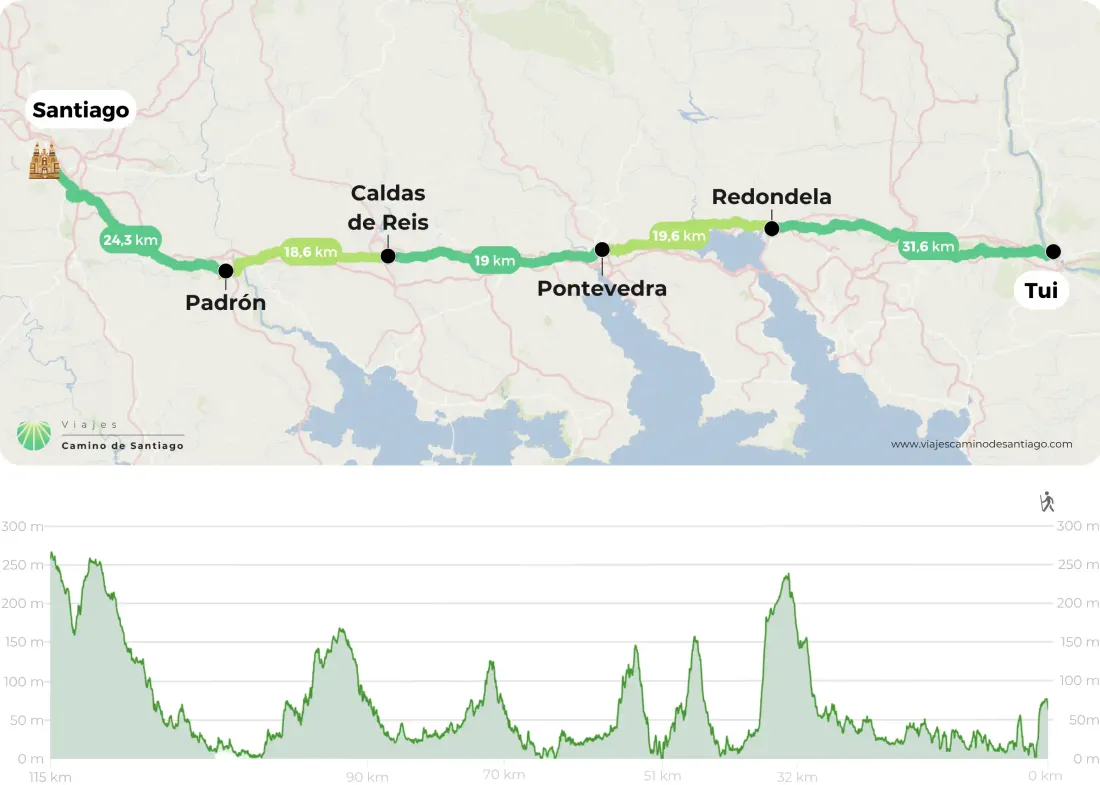
Map of the Portuguese Way from Tui with a dog (5 stages)
Stages
- day 1
Arrival at Tui
- day 2
Stage 1. Tui - Redondela (31.6 km)
Your first day as a pilgrim! You leave Tui through the natural area of As Gándaras e río Louro; we recommend this Louro route all the way to O Porriño, prettier than the one through the industrial estate. Then you face the toughest climb of the day, up to the chapel of Santiaguiño, in Mos. You finish in Redondela, with a very long history, the island of San Simón nearby and, with luck, a bit of beach time in Cesantes.
- day 3
Stage 2. Redondela - Pontevedra (19.6 km)
You head towards Arcade along the lovely Camiño Real de Cesantes and cross the imposing Ponte Sampaio, the site of the battle that drove the French troops out of Galicia. Then you walk the evocative Brea Vella da Canicouva, the old Roman road with its great slabs, past manor houses, granaries and stone crosses. You finish in Pontevedra, one of the most beautiful cities in Galicia, with its Church of the Peregrina as its symbol.
- day 4
Stage 3. Pontevedra - Caldas de Reis (21 km)
A gentle, pleasant stage. You leave Pontevedra through the Plaza de la Peregrina and cross the Puente do Burgo to head into a lovely rural setting, in the shade of centuries-old oaks. The small detour to the Barosa river waterfall is well worth it before reaching Caldas de Reis, a thermal town since ancient times: relax in its waters and follow its water route among waterfalls and mills.
- day 5
Stage 4. Caldas de Reis - Padrón (18.6 km)
The second-to-last day before Santiago. You leave Caldas de Reis along rural paths, pass through Valga and Pontecesures — the old "Port of Compostela" — and cross the river Ulla to enter Padrón. Here Jacobean legend hangs in the air: its church holds the Pedrón, where tradition says the boat carrying the Apostle's remains was moored. Try its famous peppers and turn in early: tomorrow, Santiago.
- day 6
Stage 5. Padrón - Santiago de Compostela (24.3 km)
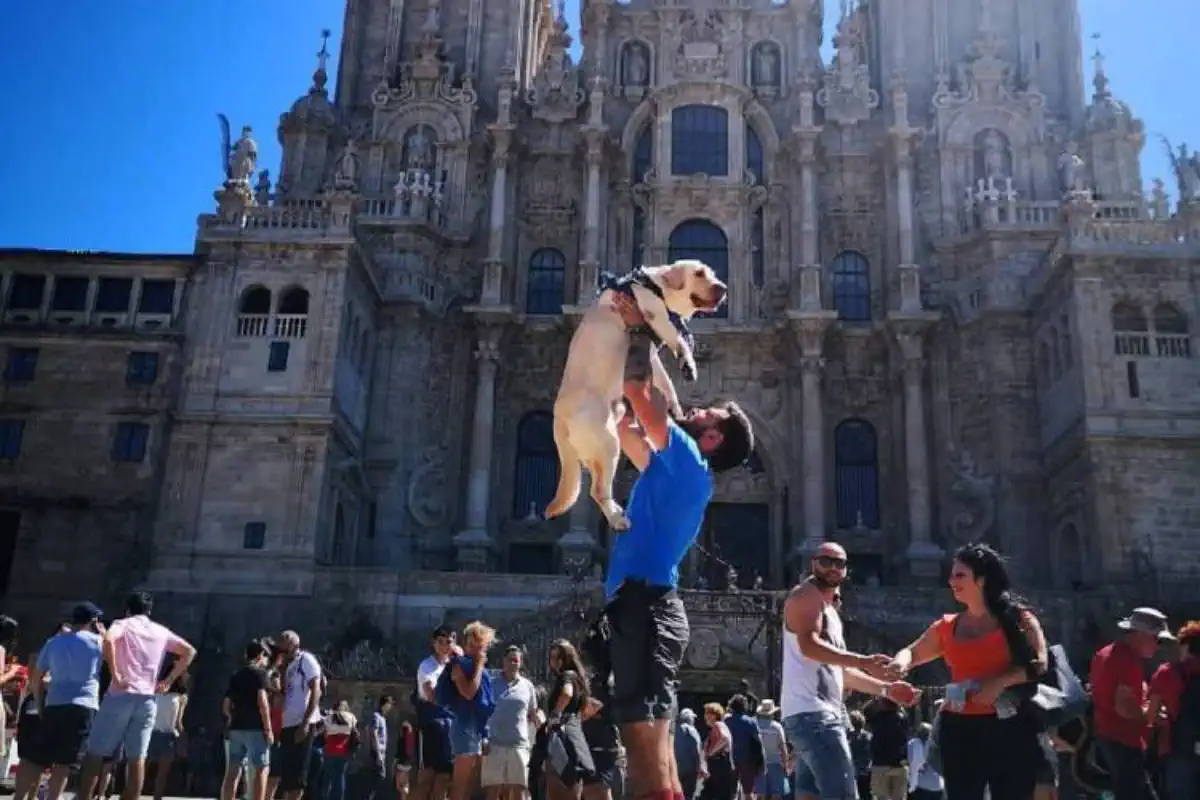
Last day! Get up early and set off from Padrón soon: the excitement will make the kilometres fly by as you cross Iria Flavia and the last villages toward Compostela. And suddenly, the Plaza del Obradoiro and the Cathedral of Santiago right in front of you: you've completed your Camino Portuguese. Collect your Compostela at the Pilgrim's Office (Rúa Carretas) and don't miss the pilgrim's mass or the rest of the Galician capital.
- day 7
End of the trip
After your last night, you check out of your accommodation and your trip comes to an end.
Related Trips
 7 days / 6 nights
 8 days / 7 nights
 13 days / 12 nights
Frequently Asked Questions
-
Will I be able to feed my dog at the accommodation?
Yes, but you'll need to bring your own food and your dog's own bowl. You'll also need to bring a water bowl. -
Do I have to keep my dog on a leash during the Camino?
We recommend that you always keep your dog on a leash on roads, in urban areas or in towns where there are likely to be loose animals. In Galicia it is allowed by law that dogs are allowed to run loose on rural roads. Therefore, you can let it enjoy whenever you are in rural areas, forests, fields etc. -
What do I do if my dog can no longer walk?
If during the Camino de Santiago you have any incident with your pet and it makes it impossible to continue walking, we have a transfer service from any point of the Camino. In addition to the documentation provided upon reservation, you'll have access to a helpline while on the road for assistance. Don't hesitate to reach out to us!
-
What documentation should I bring to do the Camino de Santiago with my dog?
Carrying the veterinary card or canine passport is mandatory. Additionally, it's recommended to attach a tag with your name and phone number to your pet's collar.Before embarking on your journey, ensure your dog has received a minimum of two doses of the following vaccinations: trivalent parvovirus (distemper, hepatitis, and leptospirosis), as well as the rabies vaccination administered at least 20 days prior. Regarding leishmaniasis, it is a disease prevalent in Galicia, so it is strongly advised that the dog is protected either through vaccination or by using a reliable collar. -
Will my dog sleep in the room with me?
You and your dog will comfortably share the same room for sleeping without any issues. -
Will I have to pay a pet supplement when I arrive to my accommodation?
No, you will not have to pay any additional charges for your pet in any accommodation. -
What is included in the Camino de Santiago package for me and my dog?
arrangements for each leg of the journey covers the following services:
- Accommodation arrangements for each leg of the journey
- Luggage transport for both your luggage and your pet's belongings
- A comprehensive dossier containing information about the various stages of the journey
- Pilgrim's credential
- Canine credential
- On-the-road helpline for any assistance required during the journey
- Travel insurance coverage for added security and peace of mind
Additionally, you have the option to tailor your trip by including the following optional services:
- Additional nights at the start or end of each stage
- Private transfers from Santiago de Compostela to either the beginning or end of each stage.
You WIL NOT be able to include:
- Breakfast or half-board options. Dining areas are shared with other pilgrims who may not be comfortable with dogs or could have allergies. However, you can inquire about this option at each accommodation and arrange it directly with them. Additionally, we'll provide you with a guide featuring advice, including places where you can have breakfast, lunch, or dinner with your pet.
Unlike group tours, there won't be a bus service, guide, or support vehicle provided between stages. However, you'll have access to a 24-hour hotline where you can reach us in case of any issues or unexpected events.
-
How many dogs can I travel with?
As a general rule, each booking includes one dog. If you want to travel with more, let us know when you book: accommodations only accept one dog per room, whatever its size, so you will need one person per room and dog.
-
Does the Portuguese Way from Tui entitle you to the Compostela?
Yes. From Tui to Santiago it is between 115 and 119 km depending on how the stages are split (115 km in 5 stages, 118 km in 6 and 119 km in short stages), more than the 100 km minimum on foot that the Pilgrim's Office requires for the Compostela. Tui is the equivalent of Sarria on the Portuguese Way: the most popular starting point that meets the requirement. -
Which routes are most suitable for doing with dogs?
Our experience tells us that the most suitable routes are the French Way from Sarria and the Portuguese Way from Tui. Over the years, we've found that along these sections, dogs are welcomed as another pilgrim, treated with care, and you'll also find a good network of services available for them: dog-friendly accommodations, transportation, veterinarians, etc. -
Can my dog manage the 31.6 km stage from Tui to Redondela?
It is the longest stage of this trip and includes the climb to Santiaguiño, in Mos, so your dog should be used to long walks and hilly terrain. Set off early, carry water for both of you and take breaks. In your favour, the section along the river Louro, through As Gándaras, is on paths rather than tarmac. If your dog isn't used to so many kilometres, choose the Portuguese Way with a dog in 6 stages, which stops overnight in O Porriño.
From Tui with a dog (5 stages)
From 619 €

Reviews
María López Cordero
Antonio Pérez Salgado
Sara Núñez Vidal
Alejandro Torres Vega
Patricia León Ortega
Jorge Torres Moreno
Marina Rivas Soto
Fernando Jiménez Castro
Carla Jiménez Ortega