


The Peliqueiros: a deeply rooted tradition in Galicia
29 May, 2026
The page about Peliqueiros de Laza presents this festive Galician tradition with history, significance, and details of the parade, explaining its cultural and tourist role in Laza and offering travelers reasons to discover this unique celebration, its origins, dates, and experiences when visiting it in the heart of Galicia.

The Peliqueiros are the protagonists of the Carnival of Laza, a small village in the province of Ourense. This festival, deeply rooted in this province and throughout Galicia, is called Entroido in Galician, and one of its typical characters is the peliqueiro. But, what is the origin of these characters? What significance do they hold? Discover with us everything about the peliqueiros and give yourself the opportunity to meet them in person if you decide to do the Camino de Santiago during Carnival.
The true origins of the peliqueiros
The origin of Carnival and of Entroido in Galicia is not well documented, and there are theories that relate it to Celtic and Roman festivities. Celebrated in the four Galician provinces, the Carnival of Ourense is the most famous, and the protagonists are its characters. If in Verín they are the Cigarróns, and in Xinzo de Limia they are the Pantallas, in Laza the peliqueiros stand out.
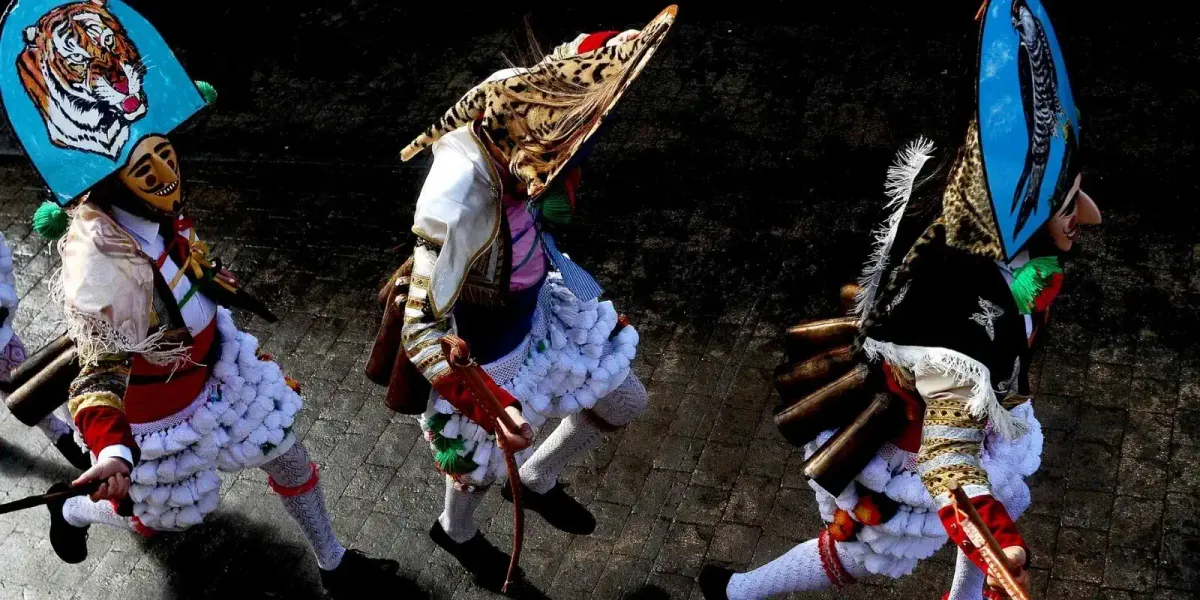
The peliqueiros of Laza jump and run during Entroido
The name of the character comes from the Latin term "pellica", which means "skin". This would be the cat skin that covers the back of the mask, which today is synthetic. Regarding the origin of the peliqueiro, a medieval theory relates it to tax collection. In the 15th century, the vassals of the area rebelled against the lord, the Count of Monterrei, and did not pay their tributes. To subdue them, he created a frightening mask that he would wear to intimidate them and make them pay.
This fundraising intention is more closely linked to the cigarrón of Verín, another character with a mask in the Entroido of Galicia. Thus goes the saying: "cigarrón lapón, you put the money in the pocket"; that is to say, "cigarrón glutton, you put the money in the pocket." The resemblance between cigarrón and peliqueiro is notable, and there are few differences in their clothing. Given the geographical proximity, the origin of both would be very closely linked to each other.
Be that as it may, the peliqueiro represents, with the elements of his costume, authority. With the mitre on the mask, he represents religious power, and with his zamarra or whip, which he uses to intimidate, he represents civil power.
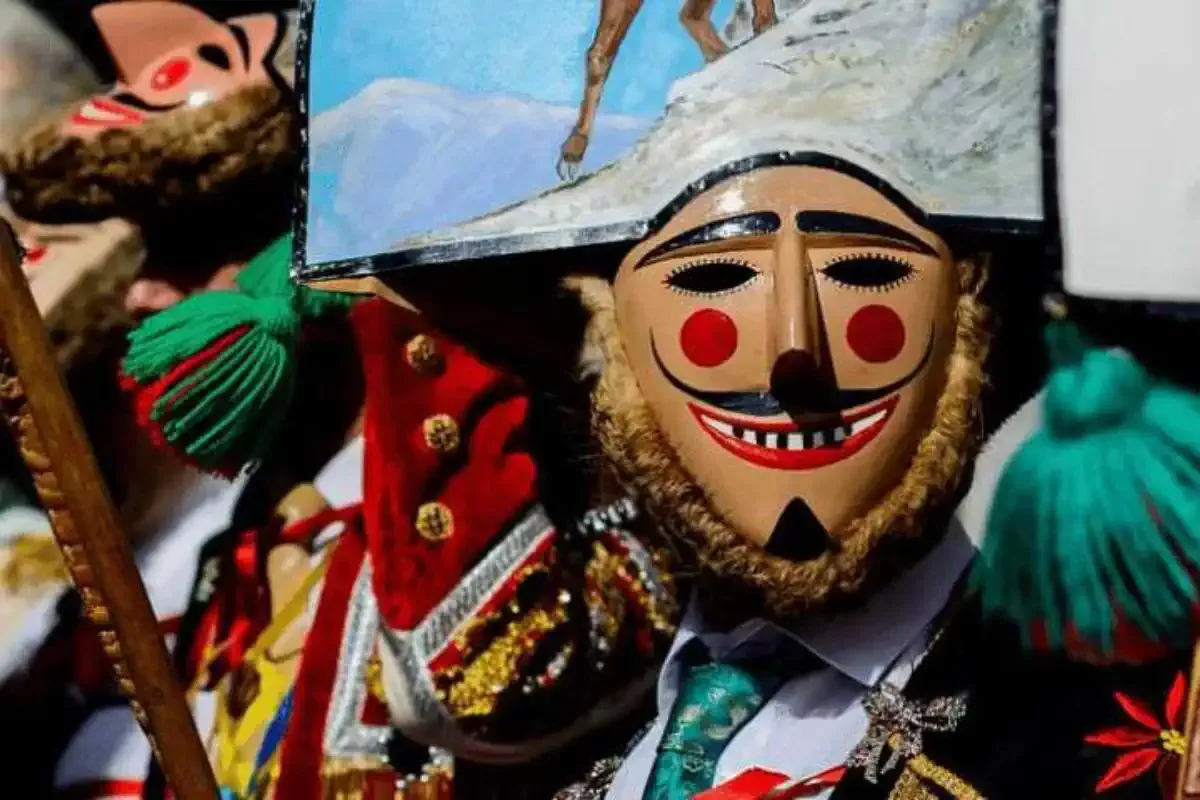
A Peliqueiro menacingly looks at anyone not in costume during the Entroido of Laza
Reasons to Enjoy Carnival in Ourense
The Carnival of Ourense, with its peliqueiros as protagonists in Laza, offers a unique experience that goes beyond the visual. In addition to characters like the peliqueiros, the streets of the towns throughout the province are filled with color, processions, and celebrations. Wars of farrapos (rags soaked in mud), flour, and biting ants are some of the "dangers" of the Entroido in Ourense. Of course, it is advisable to go in disguise, to avoid the wrath of the peliqueiros. And of course, no celebration in Galicia is complete without the prominence of gastronomy. Pork is the centerpiece of all tables, and in every good entroido, a good galician stew, as well as sweets, wines, and liquors, must not be missing.
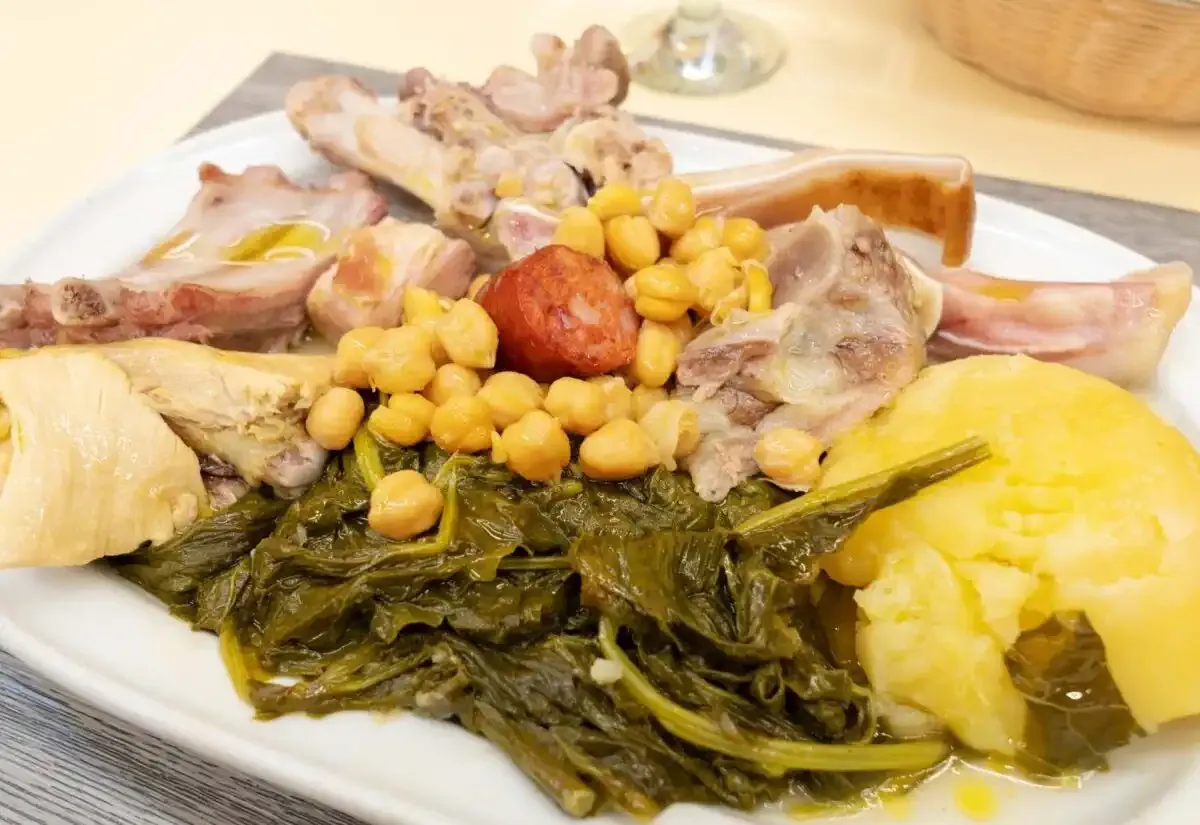
A good stew must not be missing in a Galician Carnival
Get ready to undertake your Camino de Santiago in winter
If you are planning to walk the Camino de Santiago in winter, the carnival season is a very good option. Although it may seem like a less common choice, this time of year offers the opportunity to discover the Galician Entroido through the Jacobean routes. Among all of them, the Sanabrés Way, passing through Laza, allows you to discover and enjoy the Carnival of Ourense and Galicia. Just remember to dress up and be ready to have fun!