


The Most Dangerous Danger Points on the Camino according to the DGT
22 December, 2021
The DGT has analyzed more than 7,000 kilometers of the Camino de Santiago, identifying dangerous points and sections where pilgrims and traffic coincide. They have published an interactive map with critical points and offer advice to ensure a safe pilgrimage.

Through the different routes to Santiago de Compostela, we will find beautiful paths where, step by step, we will leave our mark. They are friendly roads that at most may cause you a blister, although that is also part of the Portuguese Way from Tui. However, there are sections where the route is shared with vehicular traffic, and unfortunately there have been some traffic accidents involving pilgrims. Therefore, the General Directorate of Traffic (DGT) has been working on the ground to identify the most dangerous points of the Camino de Santiago, and thus implement measures to prevent tragedies. In this article, we will learn about the list of risk points from the DGT on the different Jacobean routes, which in this Holy Year Xacobeo 2021 brings us useful updates.
The DGT looks out for pilgrims
Among the different ways to reach Santiago de Compostela, as you may know, the most preferred are on foot and by bicycle. Many times in some sections, and perhaps more so by bicycle, due to the recommended paved detours for bikers, there are certain risks for those who pilgrimage in this way, as pilgrims and vehicular traffic coincide on the route. The DGT is aware of this and has taken action to try to mitigate the risks that these sections pose.
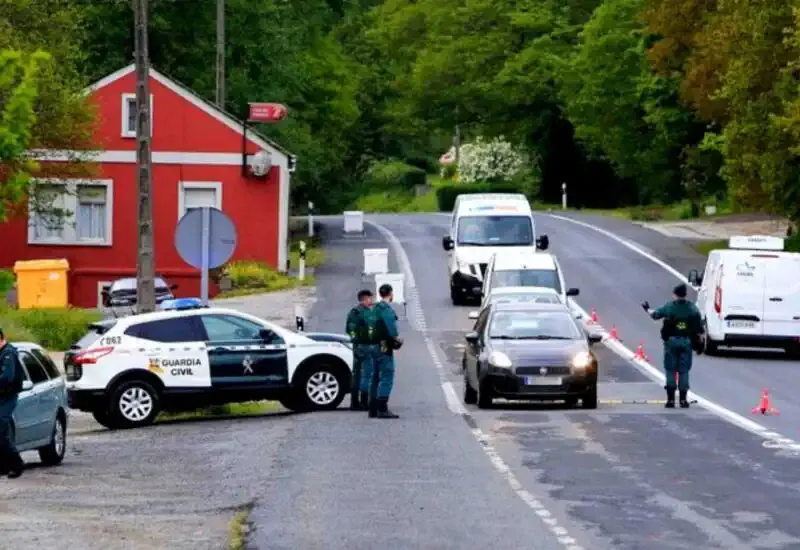
Last September 2021, the DGT reached an agreement with the Xunta de Galicia to protect the pilgrim and make the Stages of the French Way a safer place for everyone. In close collaboration, both institutions have developed an interactive guide with advice on how to pilgrimage and prepare for the adventure, as well as an interactive map of the most dangerous points of the Camino de Santiago, which can be consulted on their website.
More than 7,000 kilometers analyzed
This is the total mileage analyzed by the DGT on the different routes to Santiago de Compostela throughout Spain. Based on criteria of pilgrim volume, maximum speed of the road, traffic intensity, visibility, quality of signage, and the existence or not of shoulders or sidewalks, various critical points have been identified in Spain. These are intersection points of the Camino de Santiago with the state, regional, and provincial road network, where the DGT, in addition to looking out for the pilgrims, advises and asks us more than ever, for our safety and that of all, to respect and follow the values of pilgrimage and civic responsibility.
"The values that underpin our civic coexistence, respect, tolerance, equality, responsibility, and safety, constitute the foundation upon which the spirit of the Camino and the ideals of road coexistence are built"
This is how the DGT expresses itself in this regard, assuming its role in the fight against road accidents, guaranteeing safe mobility through efficient and effective traffic management, for the protection of vulnerable users and, therefore, of the pilgrims. It also urges the pilgrim to follow certain advice, as safety is everyone's responsibility:
- Always walk in the appropriate places;
- Respect the space and pace of other pilgrims;
- Be especially supportive and tolerant of those who are making the journey with greater effort and vulnerability;
- Always be responsible: follow the rules, make yourself visible, and avoid dangerous situations.
More specific advice is available for pilgrims on foot, by bicycle, and on horseback, and you can consult it on their website.
So, where do we need to be especially careful?
Differentiated across the various main routes, there are sections and points of risk. Below we present a list of the same.
French Way
- Risk points: Access N-540 Portomarín – Palas de Rei (Portomarín); LE-142 Rabanal del Camino – Ponferrada (Santa Colomba de Somoza)
- Risk sections: LE-6702 Calzadilla de los Hermanillos – Mansilla de las Mulas (El Burgo Ranero); BU-403 Castrillo Mota de Judíos – Carretera (Castrillo Mota de Judíos).
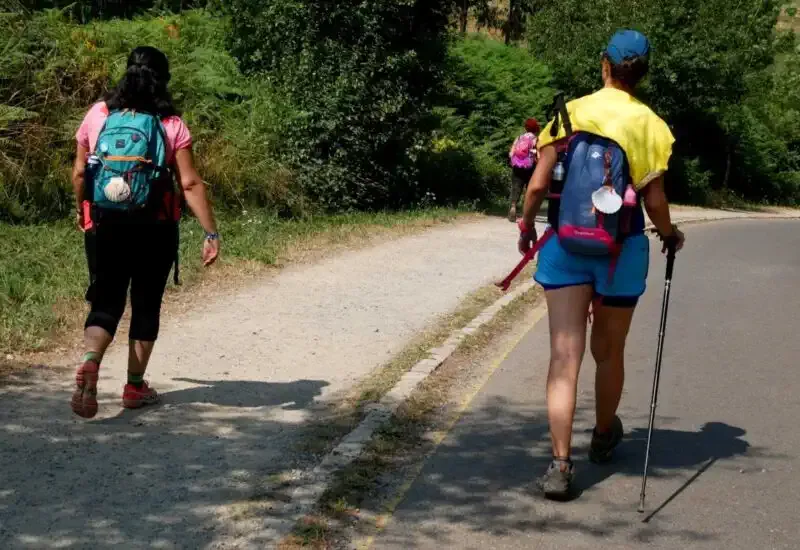
Northern Way
- Risk points: N-634 Zarautz – Deba (Deba); AS-17 Oviedo – Avilés (Cervera).
- Risk sections: N-632a Soto de Luiña – Cadavedo (Valdés); N-634a Cadavedo – Luarca (Valdés).
Silver Way
- Risk points: N-525 O Castro – Silleda (Dozón); Laza – Xunqueira de Ambia (Sarreaus).
- Risk sections: CC-84 Variante – Valdeobispo (Carcaboso – Valdeobispo); LE-04 Benavente – Alija del Infantado (Alija del Infantado).
English Way
- Risk points: AC-214 A Coruña – Hospital de Bruma (Xira); DP-0105 Betanzos – Ordes (San Esteban de Cos).
- Risk sections: DP-0105 Betanzos – Ordes (Abegondo); AC-462 Ordes – Agualada (Santiago de Compostela).
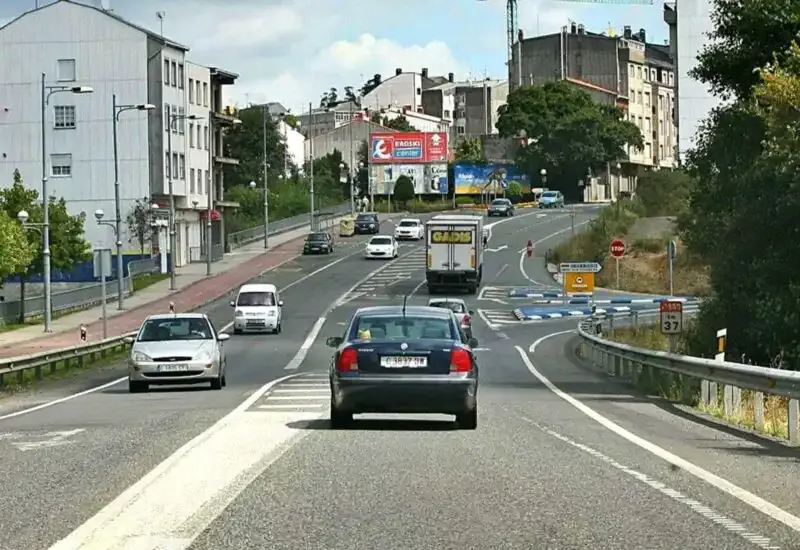
Finisterre Muxía Way
- Risk points: DP-3404 Dumbría – Muxía (Dumbría); AC-445 Corcubión – Cabo Fisterra (San Roque).
- Risk sections: DP-5603 Negreira – Olveiroa (Negreira); AC-448 Santiago de Compostela – Negreira (Negreira).
Portuguese Way
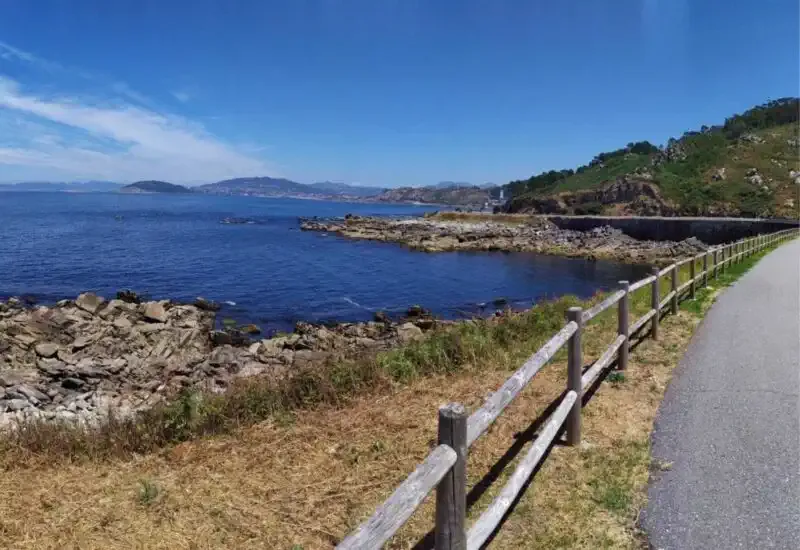
- Risk points: PO-552 A Guarda – Baiona (A Ermida); EP-9407 Pontevedra – Caldas de Reis (O Curuto).
- Risk sections: PO-552 Baiona – Castrelos (Vigo); EP-3102 Baiona – Castrelos (Baiona).
Precaution, dear pilgrim
Well, here you have them, and forewarned is forearmed. From here, we support the initiative of the DGT, and we want you to make the Camino de Santiago safely. It is a vibrant experience that will surprise you, but we want you to return home in one piece so you can share it with your loved ones and friends.
See you on the way!