


Bedbugs in hostels on the Camino de Santiago
30 July, 2026
Bedbugs are parasitic insects present in shelters due to the high turnover of pilgrims. They cause annoying bites but do not transmit diseases. Prevention, hygiene, and inspection of the surroundings are key to avoiding them during the Camino.

Have you ever wondered how something as small as a bedbug can impact your experience on the Camino de Santiago? It's a troubling question, isn't it? In this article, we will uncover everything you need to know about bedbugs in pilgrim hostels and on the Jacobean trails: what they are, where to find them, how to prevent them, and what to do if you get bitten. Keep reading!
On the Camino de Santiago, it's easy to find bedbugs in hostels for two reasons:
In hostels, it's recommended for caretakers to:
If you find bedbugs among your belongings, wash and dry them properly with hot water at 60-70°C and a drying cycle at 48°C.
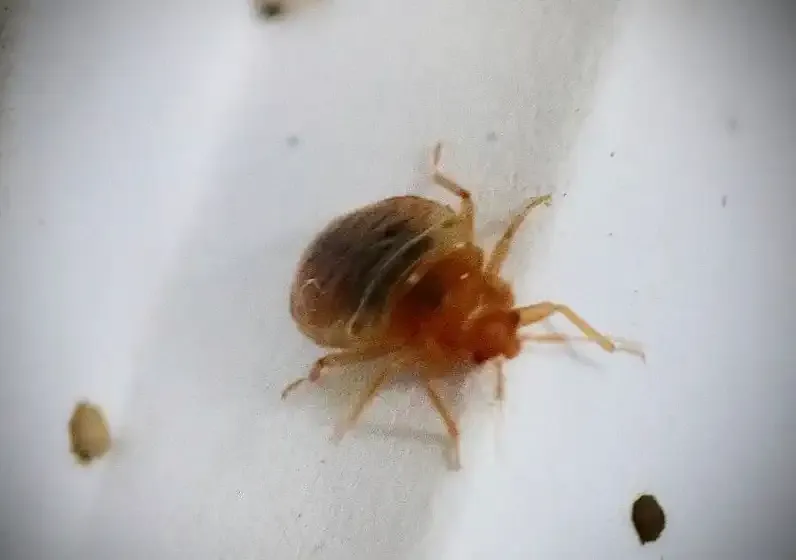
Bedbug
What exactly are bedbugs?
Bedbugs are small parasitic insects that feed on human blood and are about 4 to 7 millimeters in length. They are oval-shaped, with a flat, hairy body, and reddish in color, with a life cycle of between 5 and 10 weeks. Although their bites are annoying, it has not been proven that bedbugs transmit diseases.Where to find bedbugs on the Camino de Santiago?
Bedbugs can be found in any human environment, from furniture, walls, floors, to domestic clothing. These insects avoid light and shelter in dark, small places, waiting for nightfall, like bats, to come out and bite. Thus, just as you can find them anywhere, they also make their way onto the Jacobean routes, sometimes even as pilgrim bedbugs.On the Camino de Santiago, it's easy to find bedbugs in hostels for two reasons:
- High daily rotation of pilgrims.
- Concentration of many pilgrims in the same space.
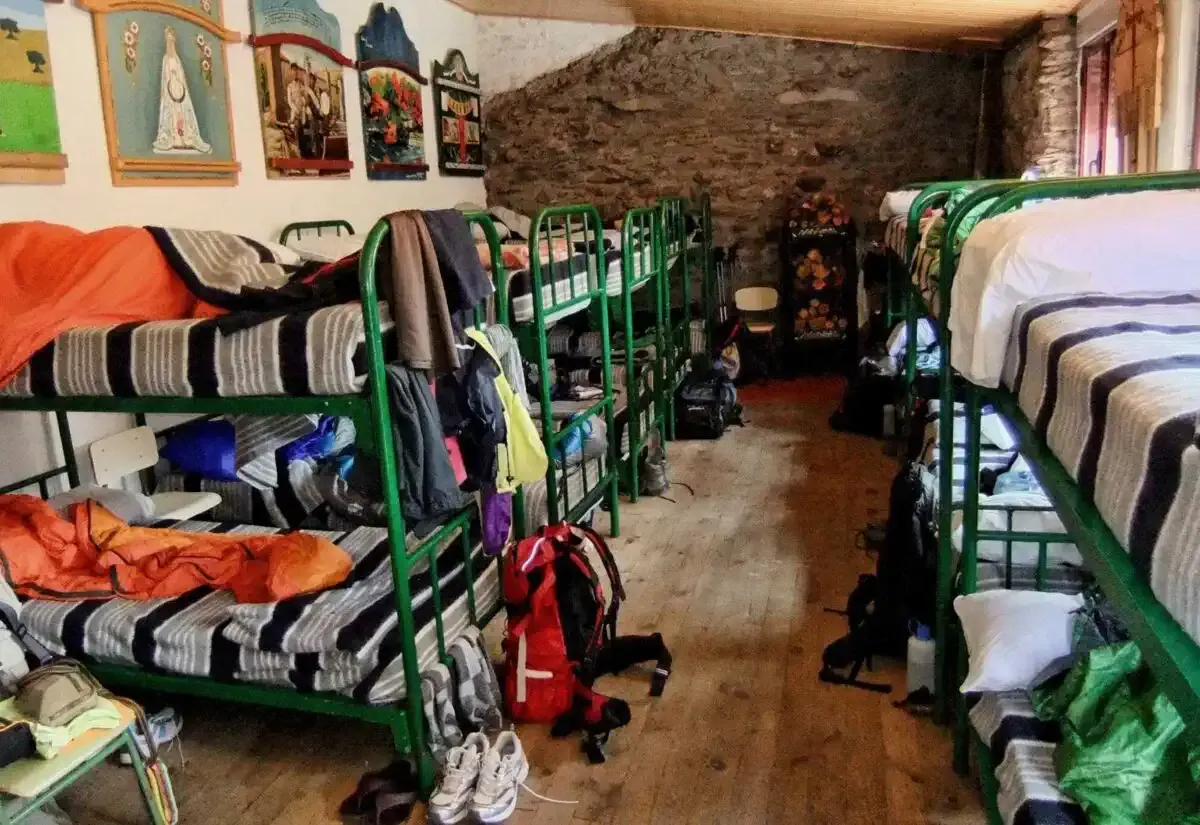
Hostel in the Camino de Santiago
How do bedbugs affect pilgrims?
Bedbugs can significantly affect pilgrims on the Camino de Santiago. These tiny insects use their sucking beak to bite human skin, often on arms and legs, feeding on human blood. This results in annoying bites, swelling, and inflammation. Usually, these are not isolated bites but several in a line along the skin.Preventing Bedbugs on the Camino de Santiago:
Preventing bedbugs is crucial. The only way to avoid bedbug bites is to prevent their presence, a task that both hostel caretakers and pilgrims must undertake.In hostels, it's recommended for caretakers to:
- Clean rooms daily: sweep and frequently vacuum all floor surfaces.
- Frequently clean bedding and domestic clothes: preferably use hot water at 60-70°C, and then check the hems and folds. Using a dryer at 48°C for about 15 minutes ensures more effectiveness.
- Repair and fill cracks: seal gaps between walls, floors, ceilings, skirting boards, and coverings. Avoid wallpaper or reattach it if it's peeling off.
- Prevent domestic animals from accessing sleeping areas.
- Apply treatments using insecticidal products.
- Maintain personal hygiene: daily showering and washing of clothes, and drying them in dryers.
- Keep the backpack clean: if you can't wash it, apply mite insecticide.
- Check the bed and room in the hostel: if possible, move the bed or bunk away from walls, and try to keep belongings in wardrobes or on furniture, not on the floor.
- Bring your own sleeping bag: ideally, include a bedbug-proof mattress cover and your own pillow in your backpack.
- Keep your backpack closed when not in use.
What to Do if You Find Bedbugs in Hostels During Your Journey:
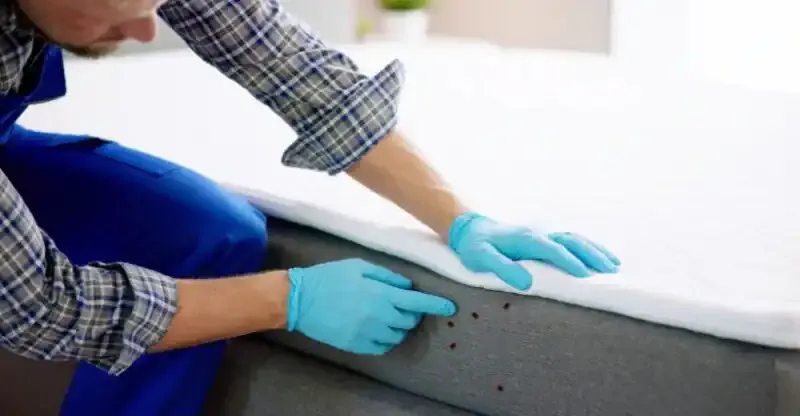
If you find bedbugs despite taking precautions, don't panic. Inform the hostel staff immediately so they can take measures, and change accommodations for the night. Also, check your backpack and belongings for any stowaway bugs.If you find bedbugs among your belongings, wash and dry them properly with hot water at 60-70°C and a drying cycle at 48°C.
Caretaker finding bedbugs in a hostel of the Camino
What should I do if I get bitten by bedbugs in hostels?
If you get bitten by bedbugs in hostels, it's important to treat the bites correctly:- For mild bites: Wash the area with soap and water.
- For more severe bites: Follow the same process and apply a soothing cream.
- For intense itching or signs of infection: Seek medical attention.