


The Camino de Santiago from Santander, from Cantabria to Asturias along the shore of the Cantabrian Sea. 142 kilometres through Santillana del Mar, Comillas, San Vicente de la Barquera and Llanes to Ribadesella, among medieval towns, wild beaches and the Picos de Europa in the background.
We handle the logistics so you only have to walk: accommodation, your pilgrim's credential, full documentation and travel insurance, from 501 €. If you want to walk the Asturian cliffs travelling light, add the daily luggage transfer.
Viajes Camino de Santiago® organises the Northern Way from Santander to Ribadesella.
Services
Included in all our routes
- Accommodation
7 days / 6 nights
- 7 days / 6 nights accommodation
- Complete documentation (Dossier and material for the Camino)
- On-the-road emergency telephone assistance
- Pilgrim's Credential
- Travel insurance
Optional
- Extra night
- Luggage transfer during the stages. (1 piece per person max 15 kgs)
- Breakfast
- MP (Breakfast and dinner)
- Cancellation Insurance
Accommodations
- Most popular
Private comfort (Guesthouses, rural houses and small hotels)
501 €
The perfect balance between charm and comfort. Guesthouses, B&Bs and country houses await you in the villages along the Camino with private rooms, private bathrooms, TV, and daily cleaning service. Simple and welcoming, they are the ideal place to truly rest and enjoy the peaceful rural essence that only the Camino can offer.
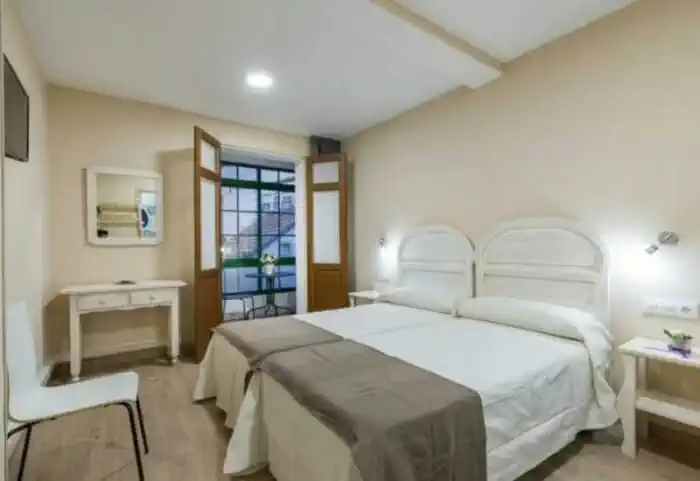
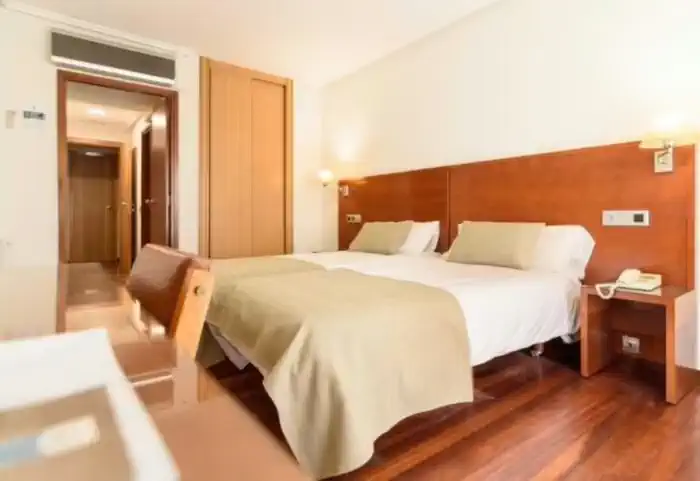
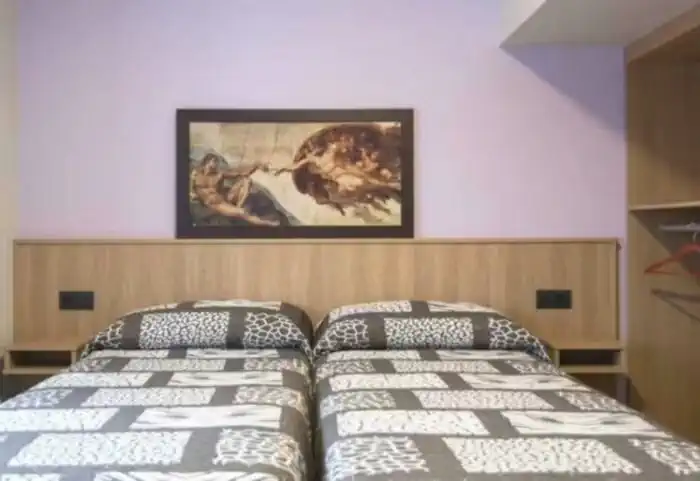
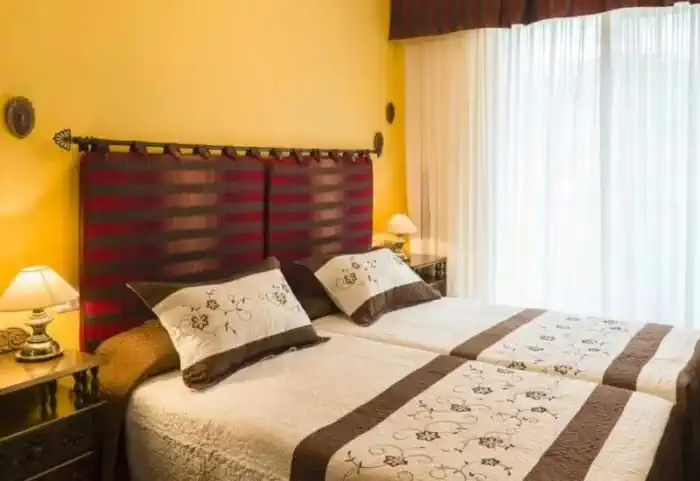
Photos


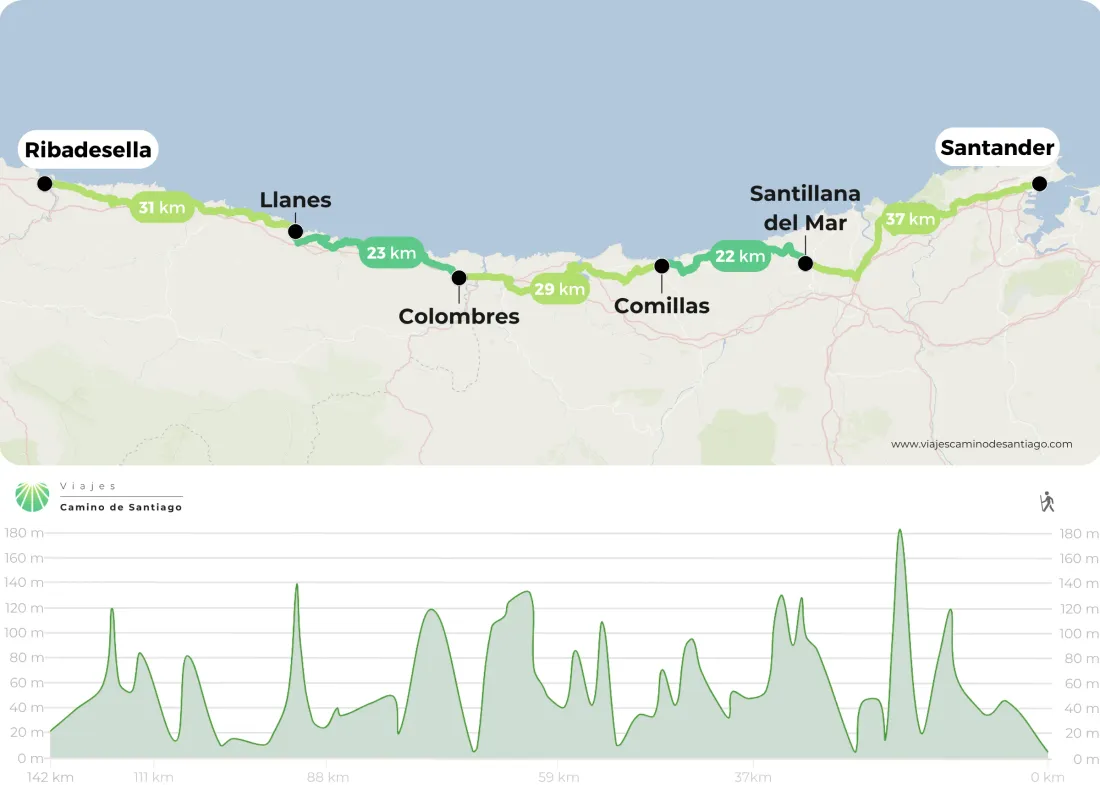
Map of the Northern Way from Santander to Ribadesella
Stages
- day 1
Arrival at Santander
- day 2
Stage 1. Santander - Santillana del Mar (37.1 km)
A long day, from city to medieval gem. You leave Santander heading west, past level crossings and the motorway to Santa Cruz de Bezana, and cross the medieval bridge of Oruña over the Pas river. After Requejada, Barreda and Viveda you reach Santillana del Mar, one of the most beautiful medieval towns in Spain. Today calls for a good rest.
- day 3
Stage 2. Santillana del Mar - Comillas (22.1 km)
You leave Santillana del Mar between meadows and rural lanes, with the church of San Pedro de Oreña peeking out above. You pass through Cóbreces and, on the northern variant, past Playa de Luaña, before reaching Comillas, a stately town with a modernist air where Gaudí's El Capricho and the Sobrellano palace await you.
- day 4
Stage 3. Comillas - Colombres (29 km)
A long day through the most seafaring side of Cantabria. You leave Comillas, cross the Oyambre Natural Park and make an essential stop in San Vicente de la Barquera, crossing its estuary via the La Maza bridge. Between estuaries, rivers and railway lines you reach Unquera and cross the Deva river to enter Asturias, at Colombres, famed for its indiano architecture.
- day 5
Stage 4. Colombres - Llanes (23.2 km)
A stage entirely through Asturias, with a seaside reward. From Colombres you continue along the N-634 to Pendueles, where we recommend the coastal path, far more spectacular: beaches like Vidiago, the surprising Bufones de Arenillas blowholes, and the Purón river. The day ends in Llanes, a charming seafaring town. Don't miss the Boriza viewpoint.
- day 6
Stage 5. Llanes - Ribadesella (31 km)
A long day: the first half hugs the coast through Poo, Celorio and Niembro, with the monastery of San Antolín de Bedón beside its beach. Then the Camino heads inland through Nueva and Piñeres de Pría —if the sea is rough, go and see the bufones blowholes— before dropping down to the Sella. Ribadesella is one of the most iconic towns in eastern Asturias: the Sella river flowing out between the harbour and Santa Marina beach, the promenade of indiano houses, and the Tito Bustillo cave, with cave paintings that are a World Heritage site. Good cider houses by the pier to end the day the way the land demands.
- day 7
End of the trip
After your last night, you check out of your accommodation and your trip comes to an end.
Related Trips
 12 days / 11 nights
 9 days / 8 nights
 11 days / 10 nights
Frequently Asked Questions
-
Which are the most beautiful stages of the Northern Way?
Some of the most beautiful stages of the Camino del Norte are:- San Sebastian - Zarautz: Breathtaking coastal views and the promenade of Zarautz.
- Deba - Markina-Xemein: Green and mountainous landscapes with forests and meadows.
- Llanes - Ribadesella: Cliffs, beaches and hidden coves with a seafaring finish in Ribadesella.
- Ribadesella - Colunga: Contrast of mountains and sea, with Vega Beach standing out.
- Ribadeo - Lourenzá: Entrance to Galicia with landscapes of hills, forests and picturesque villages.
- Gijón - Avilés: Combines the Asturian coast with the rich architecture of Avilés.
-
What are the hardest stages of the Northern Way?
The hardest stages of the Northern Way are:- Irun - San Sebastian: Initial stage with constant ups and downs, especially on Mount Jaizkibel.
- Deba - Markina-Xemein: Mountainous terrain with narrow paths and the tough ascent of Mount Arno.
- Gernika - Lezama: Significant gradients and unpredictable weather in the Basque Country.
- Llanes - Ribadesella: Long coastal stage with rugged terrain and frequent changes in altitude.
- Ribadeo - Lourenzá: Entry into Galicia with demanding climbs, especially to O Fiouco mountain.
- Villaviciosa - Gijón: Long stage with the demanding climb to the Alto de la Cruz before descending towards Gijón.
-
Which Camino is harder: the Primitive or the Northern Way?
The Primitive Way is harder than the Northern Way because of its short but intense stages, with steep slopes and mountainous terrain. Although the Camino del Norte also presents challenges, it alternates mountainous sections with flatter stages along the coast. -
I need to cancel my reservation.
You can cancel your trip free of charge up to 15 days before the start date, with no need to give any explanation.
- 15 days or more in advance → refund of 100 % of the amount paid, with no penalty. The refund is processed within a maximum of 7 days.
- Less than 15 days → Between 15 and 8 days before: 50 % of the total amount. 7 days or less → 100 % of the total amount.
- No-show → no right to a refund.
If you have taken out the Cancellation Insurance, you must inform us regardless of how many days' notice you give, but you have to handle the refund process with the insurer yourself.
Transfer of the booking: if you cannot travel, you can transfer it to another person at no cost; we only need you to let us know far enough in advance for us to arrange it. In that case, payments are settled directly between clients.
The client is responsible for any additional cost arising from the cancellation.
⚠️ IMPORTANT: every cancellation must be notified by email: info@viajescaminodesantiago.com (cancellations are not processed by phone).
👉 More info: Booking conditions.
-
What is luggage transport and how does it work?
Luggage transport is included in group trips, trips with a dog and VIP trips; on all other trips it is an optional service you can add when booking. With it you can enjoy the Camino de Santiago without the burden of carrying your luggage on your back, knowing that your suitcase will be waiting for you at your next accommodation upon your arrival. Along with your credential, you'll also receive stickers. Cover these stickers with the requested information and stick them in a visible place on your suitcase. Upon arrival at your accommodation, we suggest asking at the reception where you can leave your luggage. You'll need to leave your luggage at the designated spot early in the morning for our carrier to pick it up. This ensures that when you arrive at your next accommodation, your luggage will already be waiting for you. -
Is the Santander to Santillana del Mar stage very hard?
It's the most demanding stage of the trip because of its length, not its gradients: 37.1 km on the first day. You leave Santander between railway lines and the motorway to Santa Cruz de Bezana, cross the medieval Oruña bridge over the river Pas and continue via Requejada, Barreda and Viveda to Santillana del Mar. Set off early, walk at your own pace and keep the afternoon for resting.
-
Does the Northern Way from Santander to Ribadesella qualify for the Compostela?
Not on its own. The Pilgrim's Office awards the Compostela to those who walk at least the last 100 km to Santiago, and this section ends in Ribadesella. What you do get is stamps in your Pilgrim's Credential, which you can use to continue the Northern Way on another trip. To earn the Compostela you'll need to walk those last 100 km to Santiago, for example from Vilalba (118 km).
-
Can you visit Altamira from Santillana del Mar?
Yes: the Altamira Museum is about 2 km from Santillana del Mar. What you visit is the Neocave, a faithful replica of the original cave and its paintings, which are a World Heritage Site; the real cave is closed to the general public. If you're not too tired after the 37 km, the afternoon is enough for the museum and a stroll around Santillana, one of the most beautiful medieval towns in Spain.
-
What is there to see in Comillas at the end of the stage?
Comillas is a stately town with a modernist feel. Waiting for you are Gaudí's El Capricho, the Sobrellano Palace and the Pontifical University, plus its beaches and historic centre. You get there after 22.1 km from Santillana, passing through Cóbreces and, on the northern variant, Luaña beach.
-
Where does the Northern Way enter Asturias?
On the 29 km stage from Comillas to Colombres: you cross the river Deva at Unquera and enter Asturias at Colombres, known for its «indiano» architecture. Before that you cross Oyambre Natural Park and stop at San Vicente de la Barquera, crossing its estuary on La Maza bridge. It's a long day, but there are villages along the way to refuel.
-
Coastal path or inland route from Colombres to Llanes?
We recommend the coastal path from Pendueles: it's far more spectacular, with beaches like Vidiago, the Bufones de Arenillas blowholes and the river Purón. The «original» route runs inland, with gentle ups and downs through the Sierra de Borbolla. The two join a few kilometres before Llanes. The stage is 23.2 km long.
-
What can I do in Ribadesella when I finish?
Ribadesella is worth staying in. There's the Tito Bustillo cave, with World Heritage rock art, the promenade of «indiano» mansions, Santa Marina beach and the cider bars on the quay. It's also the town of the Sella canoe descent. If you want to enjoy it without rushing, you can add an extra night when you book.
From Santander to Ribadesella
From 501 €

Reviews
Leandro Moya Valdés
Paula Arévalo Serrano
Hugo Casado Villanueva
Elena Roldán Pacheco
Adrián Bermúdez Gallego
Noa Ferrero Salinas
Samuel Prieto Llorente
Candela Muñoz Reverte
Mateo Escudero Varela
Aitana Soler Carrasco