Camino de Santiago with a dog from Sarria 5 stages

Camino de Santiago with a dog from Sarria 5 stages - Paquete turístico
Attention: This route is not available for walking between November 1st and January 15th.
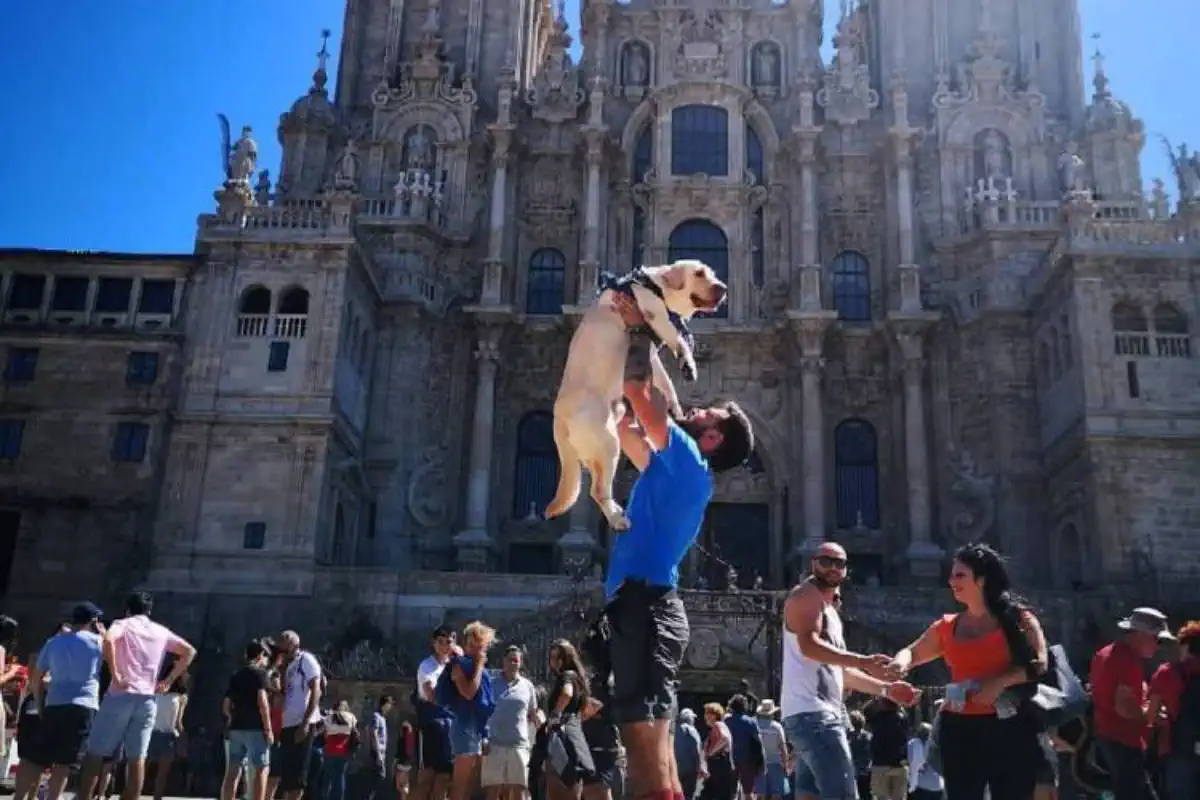
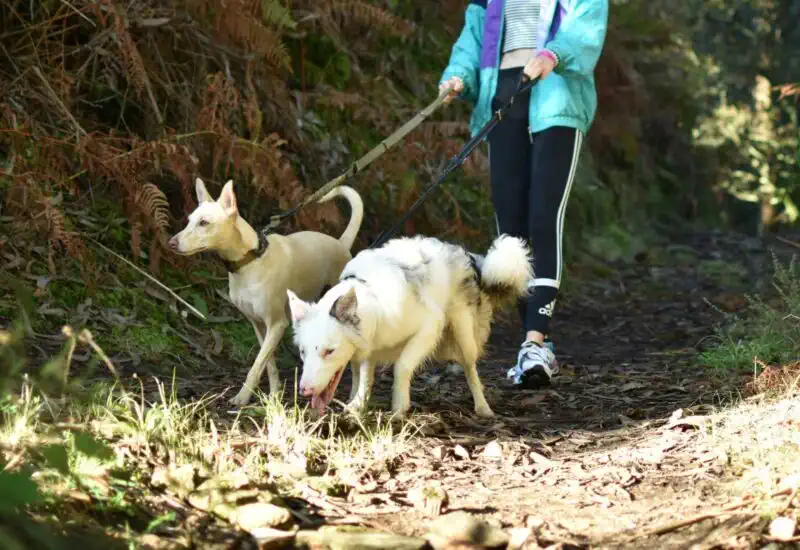
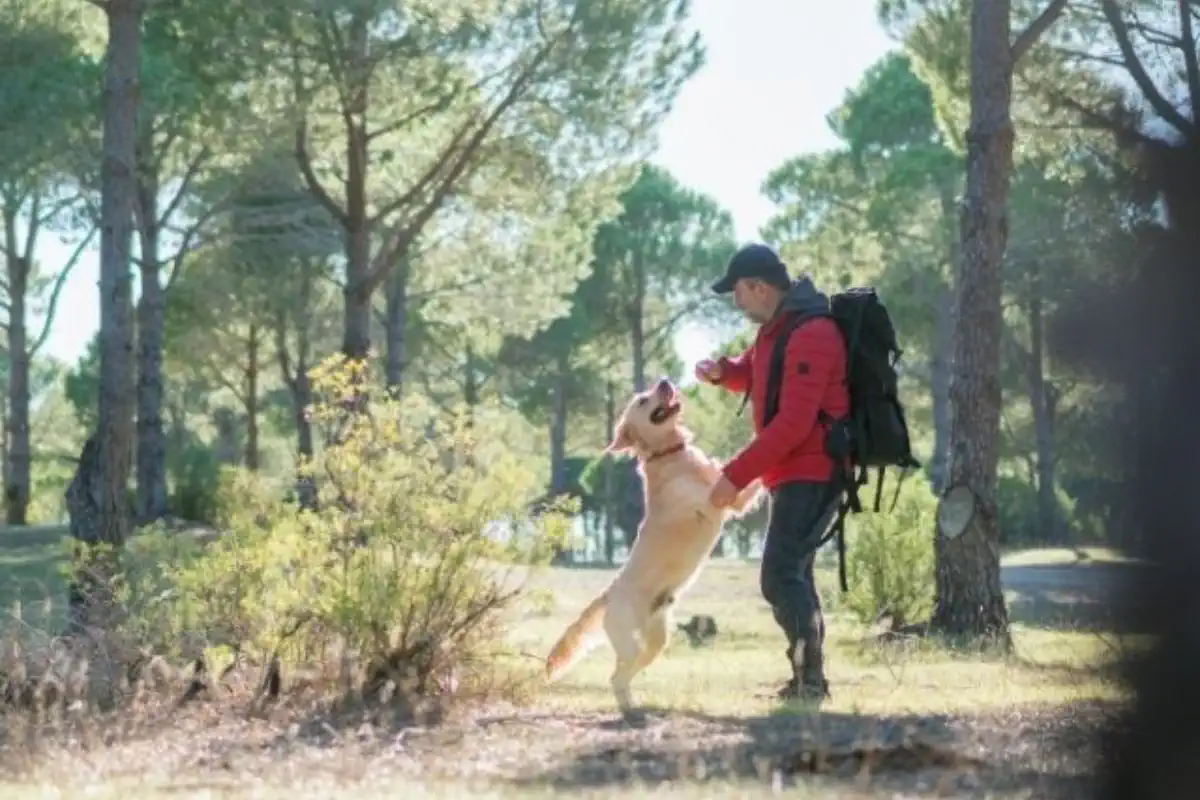
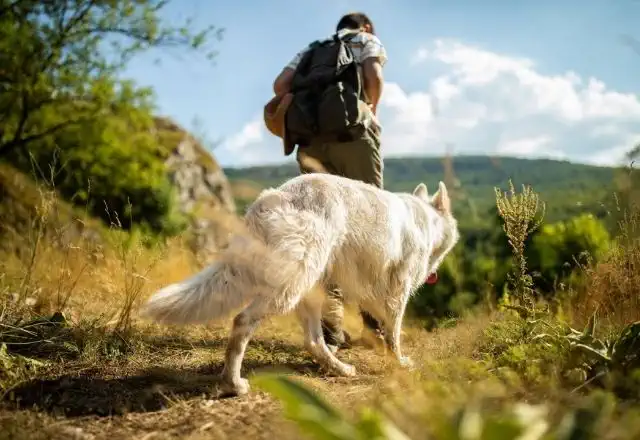
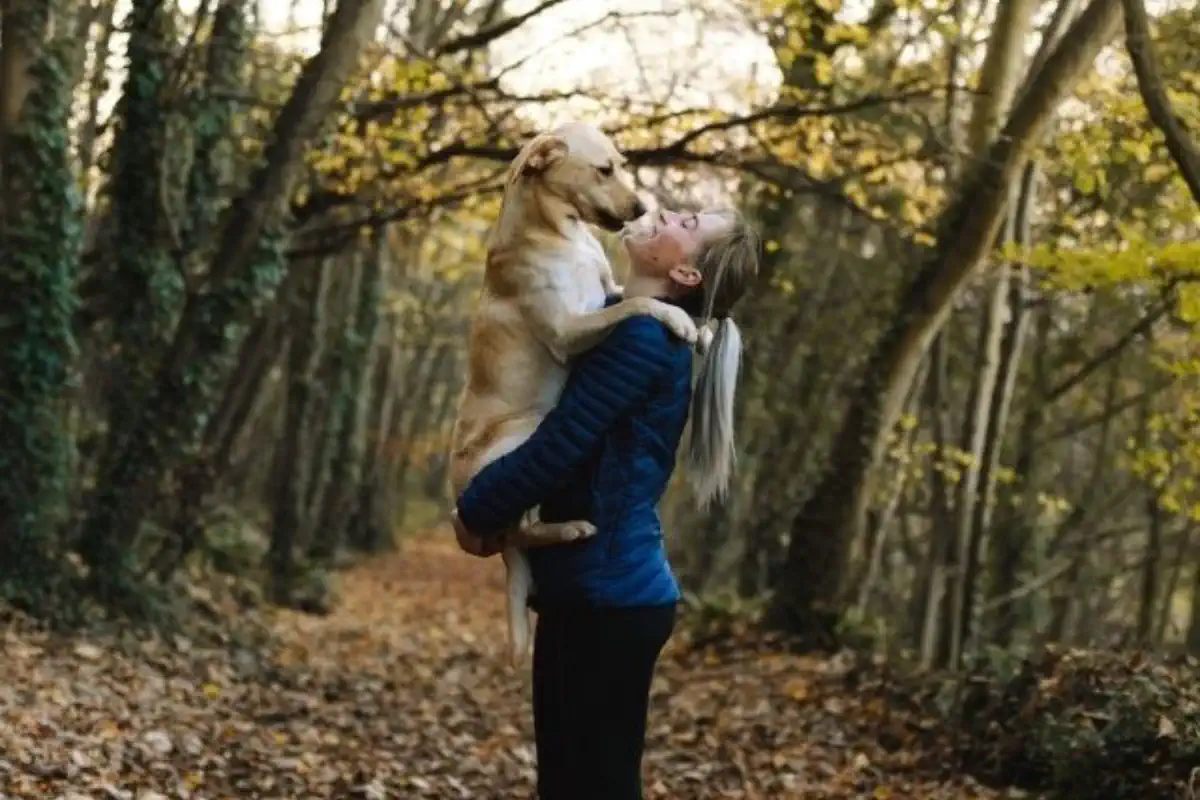
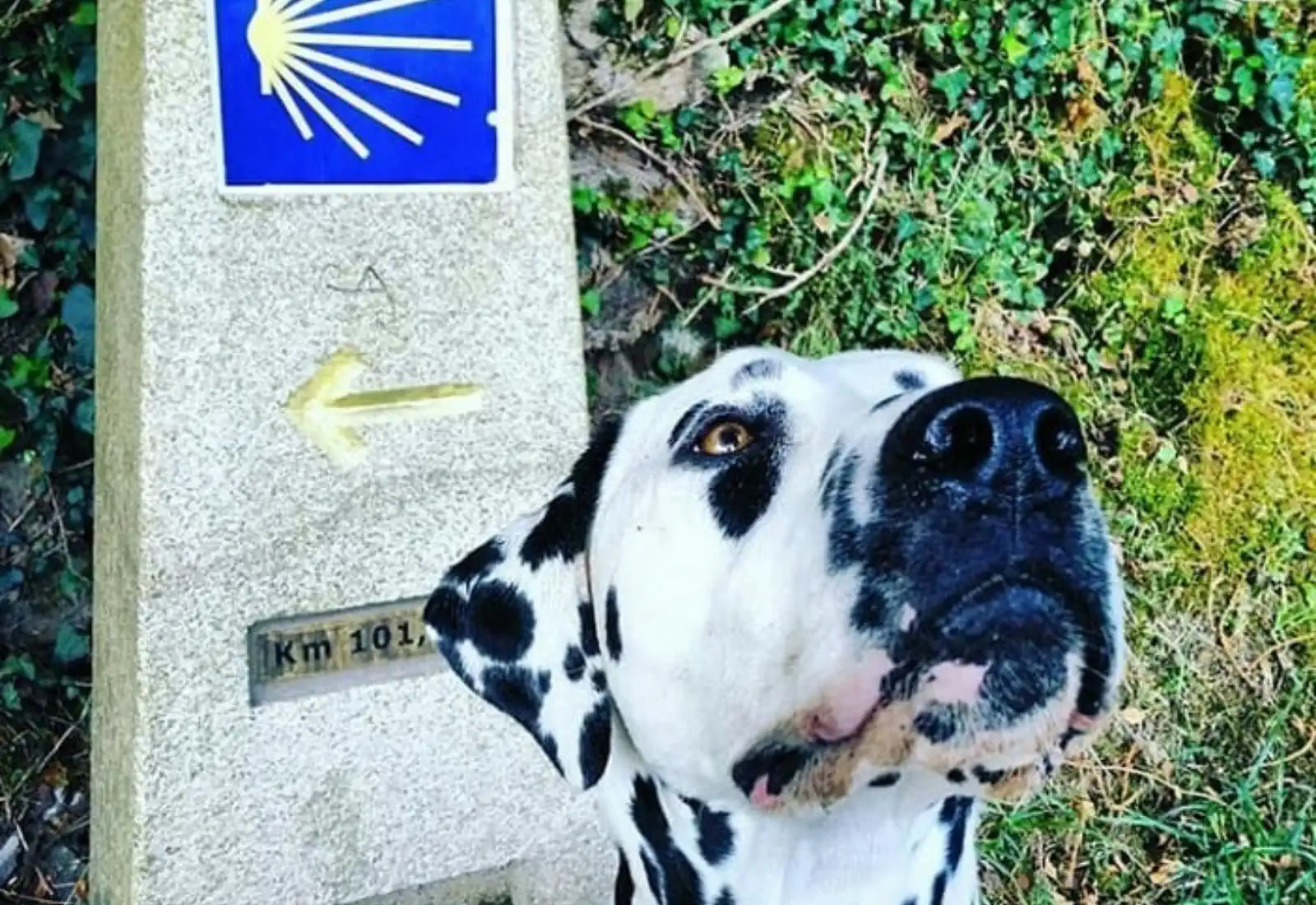
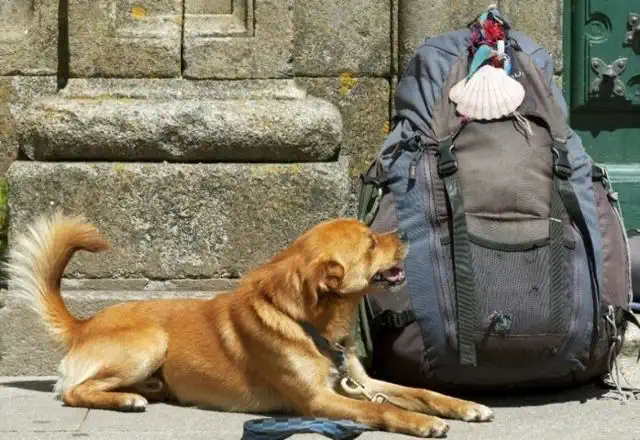
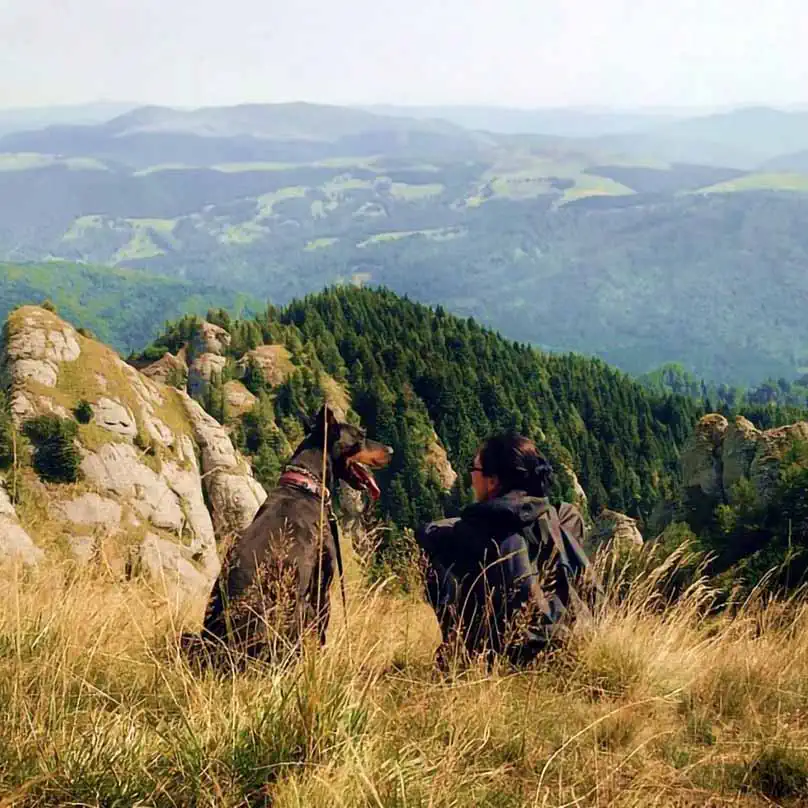
If you have little time but a strong desire to experience the Camino de Santiago with your dog, this route is perfect for you. The last 110 kilometers of the French Way from Sarria, divided into 5 stages, will allow you to enjoy a welcoming atmosphere and a spectacular rural environment, all while accompanied by your dog!
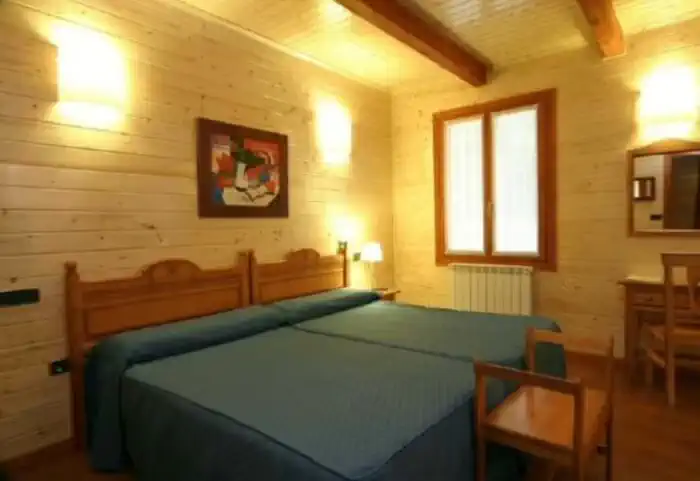
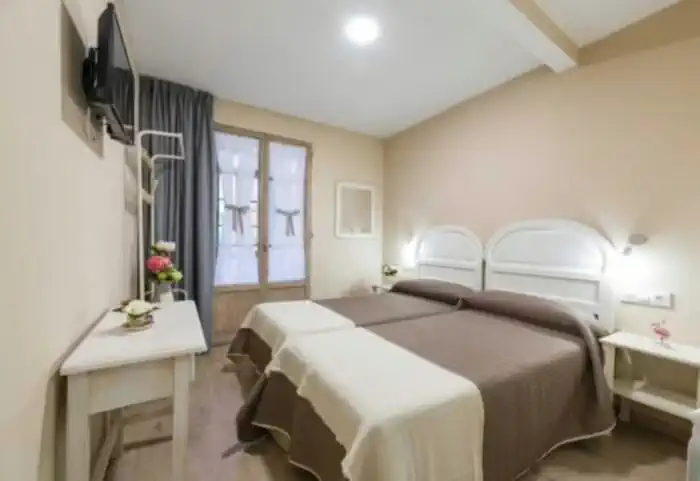
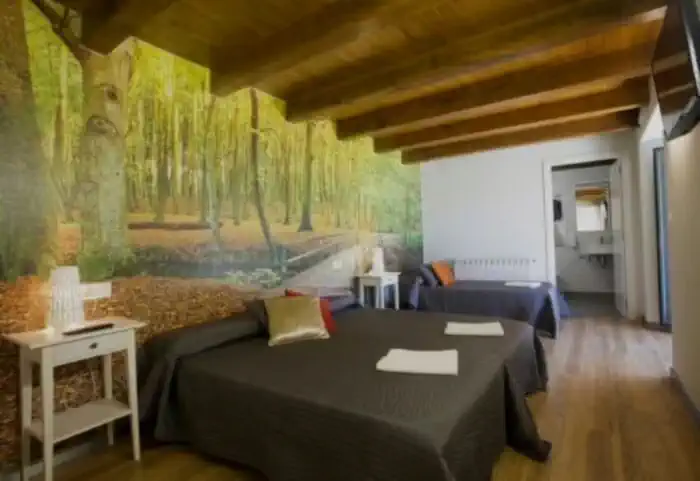
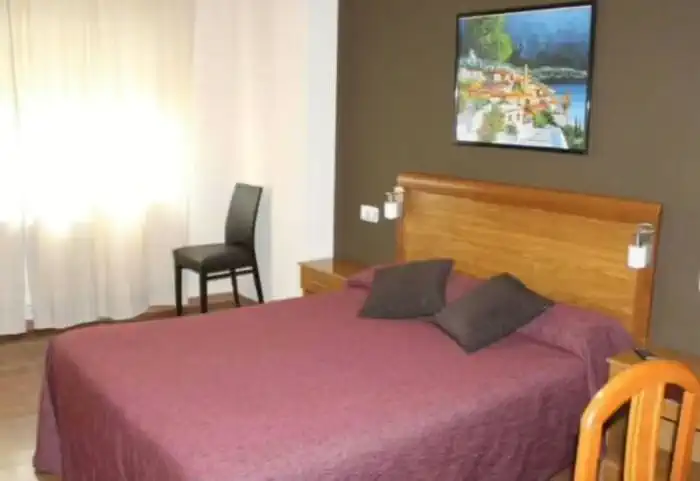
What awaits you on the Camino from Sarria? Enjoy beautiful chestnut and oak forests, rivers, and green meadows – pure nature that your best friend will enjoy like never before. These are 5 stages with average daily distances, adapted so you can walk at a comfortable pace. Additionally, during your journey, you will have the chance to savor the best of Galician food in local bars and restaurants, always with your furry companion by your side. And at the end of each stage, you can rest in dog-friendly accommodations, ensuring that both you and your dog can relax comfortably.
We provide everything you need so you can focus on enjoying the journey and your pet, including luggage transport and your pilgrim credentials (and "perregrino" credentials).

Photos

Accommodations

Services

Included in all our routes

  • Accommodation

    7 days / 6 nights

  • Canine credential

  • Complete documentation (Dossier and material for the Camino)

  • Luggage transfer during the stages. (1 piece per person max 15 kgs)

  • On-the-road emergency telephone assistance

  • Pilgrim's Credential

  • Transfer of your pet's luggage

  • Travel insurance

Optional

  • Supplement for single room
  • Extra night in Santiago de Compostela
  • Breakfast
  • MP (Breakfast and dinner)
  • Cancellation Insurance

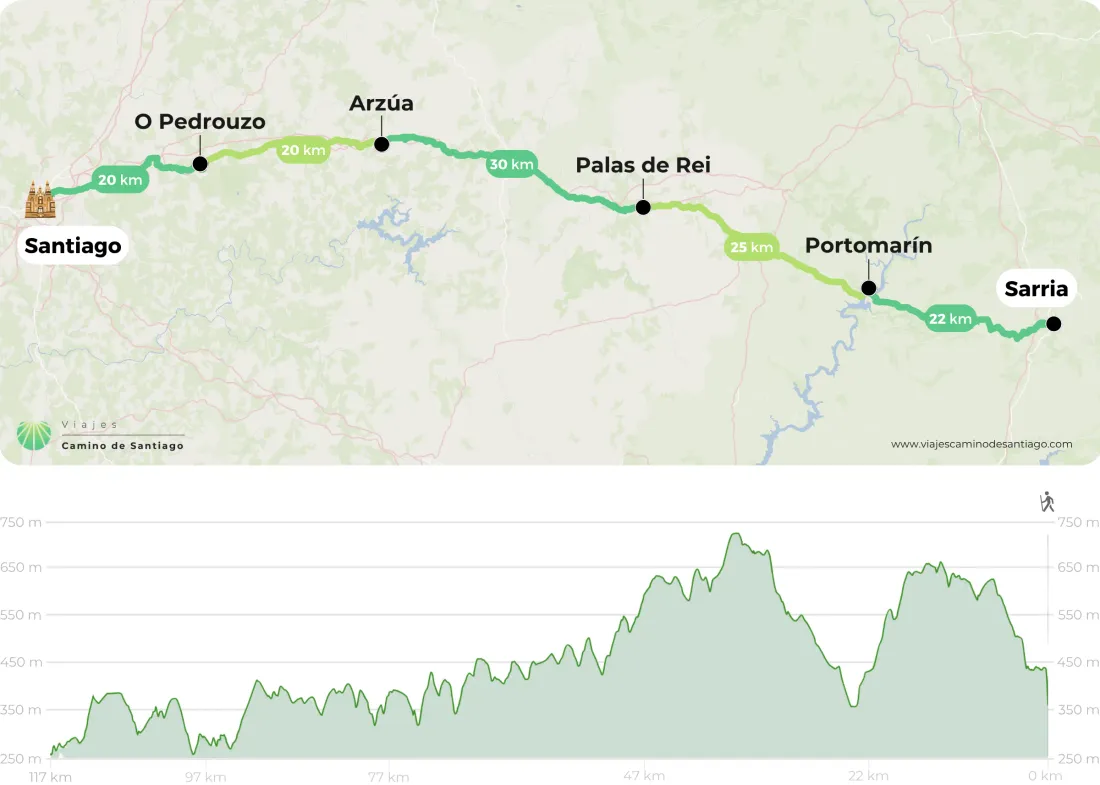
Map of the Camino de Santiago with a dog from Sarria 5 stages

Mapa Sarria Santiago 5 Etapas Perro Jpg DsWcY

Stages

  • day 1

    Arrival at Sarria

    You will start your French Way from the historic village of Sarria, in the province of Lugo. A place where you can enjoy your first day strolling through its streets, discovering its monuments, or relaxing at one of its terraces, enjoying a lively pilgrim atmosphere. Let yourself be filled with the thousands of sensations and emotions of nervousness and joy that you will experience as soon as you arrive. And then rest, tomorrow the adventure begins.
  • day 2

    Stage 1. Sarria - Portomarín (23 km)

    Well, now it’s really time, let’s go for our first day as pilgrims! You will start your French Way by walking the first stage from Sarria to Portomarín, an easy and pilgrim-friendly route. You will cross rivers and forests, passing by small churches and villages, with plenty of places to stop and have a drink. Pilgrims say this is one of the most beautiful stages of the French route, so you’re lucky to begin here. As soon as you reach the banks of the Miño River, you will find the charming town of Portomarín, shining with its white houses and slate roofs. A stage finish that will steal your heart and holds a secret beneath the waters of the reservoir! Now, all that’s left is to relax and enjoy!
  • day 3

    Stage 2. Portomarín - Palas de Rei (25 km)

    We leave Portomarín in the direction of Palas de Rei from the Church of San Nicolás and descend along the Rúa Compostela to the road, which we must cross to the right to continue along the hard shoulder of the road. We cross the river over a footbridge, turn right and enter a beautiful uphill path.

    We cross the road at the height of a factory and pass by a couple of farms before arriving at Toixibó, where we will be struck by a beautiful granary. We continue ascending to Gonzar, where we can make the first stop to regain strength.

    From here, the Way continues along a slope that climbs up to Castromaior with a final steep slope (about 600 metres). At this point it is worth taking a detour from the Camino to visit the Castro de Castromairor, a Celtic site that bears witness to the past of the Galician community.

    We leave Castromaior looking for the road, which we cross to go along a path for a kilometre and a half until we reach O Hospital do Alto da Cruz. We leave the village crossing a bridge over the road, we turn left onto an asphalted track that leads us to Ventas de Narón, with a very well preserved temple.

    We advance ascending until crowning the Ligonde mountain range, enjoying some stupendous panoramic views.

    We follow the path that descends to A Previsa and Os Lameiros, where we will find one of the most famous and unique crosses in Galicia, dating from 1679, from here the path turns off the road along a path on the left, following a steep ramp that leads us to Airexe to visit the church of Santiago, with Romanesque remains and sepulchre, a cruceiro and a rectory house.

    We continue down the path until we find a washhouse and arrive at the village of Portos, where some huge ants will welcome us. From here, we can leave the path for a moment to visit the Romanesque temple of Vilar de Donas, which houses several sarcophagi of Knights of the Order of Santiago.

    We follow the road and arrive at Lestedo, where on the right hand side we see its rectory, now converted into a rural house. The road continues without loss to A Brea and Alto del Rosario. If the day is clear we can see the Sacro peak, a mountain very close to Santiago de Compostela.

    Before arriving at Palas de Rei, we will cross the village of Rosario, which owes its name to the prayer of the walkers as thanks for the good luck during the journey. The last stretch of the stage we take a path on the left side of the road, we pass next to the Os Chacotes hostel and we enter Palas de Rei, ending our stage.

    To consider

    Those pilgrims who wish to visit the monastery of Vila de Donas, should deviate 2.3 km from the Camino. A neighbour has the keys and acts as a guide.

    Places of interest

    • Church of Santa María de Gonzar
    • Castro de Castromaior
    • Church of Santa María de Cortapezas - Castromaior
    • Monastery of Vilar de Donas
    • Double-sided cross - Os Lameiros
    • Church of San Tirso - Palas de Rei

    Typical dishes

    • Rustic bread from wood-fired oven
    • Galician octopus
    • Lacón with turnip tops
    • Arzúa-Ulloa D.O. Cheese
  • day 4

    Stage 3. Palas de Rei - Arzúa (29 km)

    This is the longest stage of the French Route within the Galician community, so we recommend taking it easy and enjoying the surroundings, as it is also one of the most beautiful stretches of the route. A stop in Melide, the capital of Galician octopus, is a must for every pilgrim. After regaining strength, the last few kilometres won’t take much effort. You will also find a small oasis in Ribadiso de Abaixo, where, if the weather is fine, you can take a dip.
  • day 5

    Stage 4. Arzúa - O Pedrouzo (20 km)

    This stage is a pleasant walk on flat and comfortable terrain, with plenty of bars and restaurants that will encourage you to take it easy. You will alternate between villages and pine and eucalyptus forests. Small towns like Salceda mark the halfway point of the stage, a perfect stop to recharge your batteries before the last kilometres of the stage.
  • day 6

    Stage 5. O Pedrouzo - Santiago de Compostela (19 km)

    At last the last stage of your journey is here. As we said before, the sooner you start walking today the better, because the sooner you will get to Santiago de Compostela. Once you arrive at Monte do Gozo, you will discover that pleasant sensation when you first see the towers of the cathedral. A perfect panoramic view before savouring your last kilometres and making the triumphal entrance to the Plaza del Obradoiro.
  • day 7

    End of the Camino

    After arriving... End of the Camino

Frequently Asked Questions

  • Is the French Way of Santiago difficult?

    The French Way of Santiago is the most popular and traveled route of the Camino, but its difficulty level can vary depending on the section and the pilgrim's preparation. While the total route covers approximately 768 kilometers from Saint-Jean-Pied-de-Port in France to Santiago de Compostela, it is divided into stages that allow the journey to be adapted to each person's abilities. Here are the main factors that determine its difficulty:
  • Elevations and terrain: The early stages, particularly the crossing of the Pyrenees from Saint-Jean-Pied-de-Port to Roncesvalles, are among the most challenging, with significant elevation changes and mountainous terrain. However, other sections, such as the Meseta of Castile, are much flatter and more accessible.
  • Climate: The weather can greatly impact the difficulty. In summer, the heat in the Meseta can be exhausting, while in spring and autumn, rain and mud can complicate the journey. In winter, some mountainous stages can be tougher due to snow.
  • Duration: The duration of the Camino is another factor. Completing the full route can take between 30 and 35 days, requiring good physical stamina. However, many pilgrims choose to walk only the final stages, especially from Sarria, covering the last 100 kilometers in about 5 days.
  • Based on the pilgrim's experience, we can recommend the following sections:
    • For experienced pilgrims: They will find a challenge in mountainous stages like the Pyrenees or the ascent to O Cebreiro, but will be rewarded with breathtaking scenery.
    • For beginners: While the full Camino may be demanding, it's possible to walk only more accessible sections, such as the last 100 kilometers from Sarria, without facing major difficulties.
  • What are the most important towns on the French Way?

    The French Way of Santiago passes through a series of towns and cities rich in history, culture, and unique landscapes. Some of the most important towns and cities along the French Way are:
    • Saint-Jean-Pied-de-Port (France): The starting point of the French Camino, this picturesque town at the foot of the Pyrenees is known for its cobbled streets and the impressive Santiago Gate.
    • Roncesvalles: After crossing the Pyrenees, Roncesvalles marks the entry into Spain. Its collegiate church and historical significance make it a key spiritual stop for pilgrims.
    • Pamplona: Famous for its San Fermín running of the bulls, Pamplona is a vibrant city with rich medieval heritage, highlighted by its cathedral and city walls.
    • Logroño: The capital of La Rioja, known for its wines and delicious gastronomy. Logroño is an excellent place to enjoy tapas on the famous Laurel Street.
    • Burgos: Burgos boasts one of the most impressive Gothic cathedrals in Spain, a UNESCO World Heritage Site. Its historic center is also a must-see on the Camino.
    • Carrión de los Condes: This small town in the province of Palencia stands out for its rich medieval history and Romanesque churches, offering a more intimate experience on the Camino.
    • León: With a majestic Gothic cathedral, the Convent of San Marcos, and vibrant urban life, León is one of the most important cities along the route, ideal for taking an extended break.
    • Astorga: This city features the Episcopal Palace designed by Gaudí and a beautiful cathedral, serving as a crossroads between the French Camino and the Via de la Plata.
    • Ponferrada: Famous for its Templar castle, Ponferrada is the gateway to the El Bierzo region and an important stop before tackling the mountains of Galicia.
    • O Cebreiro: This charming mountain village is one of the most iconic stops on the Camino, known for its traditional palloza houses and its connection to the Holy Grail.
    • Sarria: A starting point for many pilgrims who wish to complete the final 100 kilometers required to earn the Compostela. Sarria is an essential stop.
    • Portomarín: This town is notable for its unique history, having been relocated stone by stone after the construction of the Belesar reservoir. Its fortress-like church of San Nicolás and its location by the Miño River make it a special stop before reaching Santiago.
  • How long does it take to do the Camino de Santiago from France?

    The French Camino de Santiago is one of the longest routes of the Camino, spanning around 768 km and typically divided into 33 stages. Therefore, with this division, it takes 33 days to complete the Camino de Santiago starting from Saint Jean A-Pied-De Port (France) on foot. Each stage represents the distance you cover in a day, from the starting point of the stage to the endpoint, where you'll spend the night. The stages can vary in distance and difficulty, and it’s important to remember that they can be adjusted according to your pace and physical condition. Some pilgrims choose to break up longer or more challenging stages, while others may extend the shorter, easier ones. It all depends on finding a place to stay.
  • Where does the French Way start?

    The French Way of the Camino de Santiago begins in Spain at Roncesvalles (Navarra), coming from Saint Jean Pied de Port. However, there is also another starting point after crossing the Somport Pass, in Candanchú (Huesca), known as the French Way through Aragón or the Aragonese Way. This route merges with the French Way from Roncesvalles in Puente la Reina (Navarra).
  • What are the most beautiful stages of the French Way?

    Some stages of the French Way stand out for their natural beauty, historical richness, and cultural significance. Here is a selection of the most beautiful stages of the French Way:
    • Saint-Jean-Pied-de-Port - Roncesvalles
    This stage, crossing the Pyrenees, is one of the most iconic on the French Way. It offers spectacular mountainous landscapes, with panoramic views and a physical challenge that makes it an unforgettable experience.
    • Burgos - Hontanas
    After leaving the city of Burgos behind, the path crosses the Castilian Plateau. Although it's a long stage, the stark beauty of the wheat fields, the open skies, and the tranquility of the surroundings create an almost spiritual atmosphere.
    • León - Hospital de Órbigo
    Leaving the historic city of León, this stage combines the best of urban architecture with the serenity of the countryside. The Puente de Órbigo, one of the longest and best-preserved medieval bridges in Spain, is the highlight of this stage.
    • Rabanal del Camino - Cruz de Ferro - Ponferrada
    This stage is known for the climb to Cruz de Ferro, where pilgrims leave a stone as a symbol of their intentions or burdens. The stage continues with a descent towards Ponferrada, offering spectacular views of the León Mountains.
    • Ponferrada - Villafranca del Bierzo
    This stage offers a journey through the Bierzo region, famous for its vineyards and rolling landscapes. Villafranca del Bierzo is known as the "Little Compostela" for its historical richness and monuments.
    • O Cebreiro - Triacastela
    This stage is famous for its mountainous landscapes and mystical atmosphere. O Cebreiro, with its traditional architecture and impressive views, marks the beginning of the stage, which then descends through green valleys and forests to Triacastela.
    • Triacastela - Sarria
    This stage allows pilgrims to choose between two routes: a longer one passing through the Monastery of Samos, one of the oldest in Spain, and a shorter one through San Xil, offering a more direct route through the green Galician countryside.
    • Sarria - Portomarín
    As part of the last 100 kilometers of the Camino, this stage offers green Galician landscapes, small villages, and paths shaded by oaks and chestnut trees. The arrival in Portomarín, with its fortress church, is a highlight. Choosing the most beautiful stage can be subjective and very personal, depending on the tastes and preferences of each pilgrim. However, one of the most highly rated stages, often highlighted for its natural, scenic, and historical beauty, is the one from O Cebreiro to Triacastela. Some of the reasons it is considered the most beautiful include:
    • Mystical Landscapes: O Cebreiro, a small mountain village, is known for its traditional "palloza" architecture and its almost magical atmosphere, especially when enveloped in mist. From here, the Camino winds through mountains and valleys, offering spectacular views of the Sierra de O Courel.
    • Culture and Tradition: O Cebreiro is a place of great historical significance on the Camino. It is home to the Church of Santa María la Real, dating back to the 9th century, known for housing the legendary miracle of the Holy Grail. This village is also the entry point into Galicia, a region rich in Jacobean traditions and culture.
    • Variety of Landscapes: As the path descends towards Triacastela, pilgrims transition from mountains to valleys, crossing lush forests, small streams, and charming Galician villages. The diversity of landscapes in a single stage is what makes it so special.
    • Spiritual Experience: Many pilgrims describe this stage as one of the most spiritual on the Camino, thanks to its tranquility, natural beauty, and connection with ancient Galician traditions.
  • What are the toughest stages of the French Way?

    Throughout all the routes and stages of the Camino de Santiago, there is abundant beauty, nature, and heritage. However, these come amidst dozens of kilometers, with some sections and stages being easier to traverse and others more challenging. The latter are often characterized by significant elevation changes and, at times, long uphill stretches. Below, we’ll inform you about the most talked-about stages and climbs due to their physical demands on the French Way. For many, these are considered some of the toughest stages of the Camino de Santiago.
    • Saint-Jean-Pied-de-Port – Collado Lepoeder
    The start of the French Way at the border of France and Spain includes one of the most discussed ascents among pilgrims. The stage between Saint-Jean-Pied-de-Port and Roncesvalles has a pivotal point: the legendary Collado Lepoeder. Over a distance of about 20 km, the elevation rises from 150 meters to around 1,450 meters, making it one of the famous tough climbs for those starting the Camino here. This official route, known as the “Napoleon Route,” is a challenging but beautiful segment, with an alternative path through Valcarlos that is shorter and less strenuous. Any pilgrim taking on this stage must opt for the Valcarlos route if walking between November and March due to extreme snow conditions—be warned, there’s even a fine.
    • Cizur Menor – Alto del Perdón
    Moving along the French route, in the fourth stage, we encounter another climb frequently mentioned by the pilgrim community: the ascent to Alto del Perdón. Between Cizur Menor and this iconic spot, with its famous Jacobean sculpture ensemble, there’s an 8.5 km stretch where the elevation rises by about 300 meters. Stages within the Meseta (from Burgos to León) These stages are not physically difficult in terms of elevation but can be mentally challenging due to their long, flat stretches and exposure to the sun.
    • Hospital – O Cebreiro
    As you enter Galicia via this French route, you arrive at perhaps the most mythical place on this journey: the O Cebreiro mountain. This point marks the end of the 27th stage of the French Way from its start in Spain, and for some, it is the most demanding stage and one of the toughest climbs of the Camino. In fact, it is considered the “Queen Stage,” as it features the highest ascent of the French route. After covering 27.8 km—a considerable distance—pilgrims must tackle a final uphill stretch: about 600 meters over 8 km. But the sublime landscapes, the entrance into Galicia, and the "hyper-photographed" monument make the climb worthwhile. Moreover, the final arrival in the bucolic and legendary village of O Cebreiro, with its Santa María la Real church and historic pallozas, will be the best reward.
    • Boente – Arzúa
    To finish with the French Way, we can’t forget the infamous "leg-breaker," which refers to the final stretch between Melide and Arzúa. From the church of Santiago de Boente, pilgrims face a series of three pairs of challenging descents and climbs. Like a rollercoaster, in this stretch of the last 100 km of the French Way, it’s essential to pay attention to your legs, ankles, and knees. The slopes are not very steep, but the final 8 km can be tough for those starting from Palas de Rei, making a massage in Arzúa a welcome relief.
  • How many kilometers is the French Way to Santiago?

    The total distance of the French Camino is approximately 768 km from Roncesvalles. It's important to note that this distance can vary depending on the complementary or alternative routes a pilgrim might choose along the way. Another possible starting point for the French Camino is from Somport, known as the Aragonese Camino, which adds around 160 additional kilometers.
  • Why is doing the Camino de Santiago with your dog an excellent idea?

    Well, simply because everything you do in life is cooler when you do it with your dog! ;)
  • Will I be able to feed my dog at the accommodation?

    Yes, but you'll need to bring your own food and your dog's own bowl. You'll also need to bring a water bowl.
  • What documentation should I bring to do the Camino de Santiago with my dog?

    Carrying the veterinary card or canine passport is mandatory. Additionally, it's recommended to attach a tag with your name and phone number to your pet's collar.
    Before embarking on your journey, ensure your dog has received a minimum of two doses of the following vaccinations: trivalent parvovirus (distemper, hepatitis, and leptospirosis), as well as the rabies vaccination administered at least 20 days prior. Regarding leishmaniasis, it is a disease prevalent in Galicia, so it is strongly advised that the dog is protected either through vaccination or by using a reliable collar.
     
  • Will my dog sleep in the room with me?

    You and your dog will comfortably share the same room for sleeping without any issues.
  • What is included in the Camino de Santiago package for me and my dog?

    arrangements for each leg of the journey covers the following services:

    • Accommodation arrangements for each leg of the journey
    • Luggage transport for both your luggage and your pet's belongings
    • A comprehensive dossier containing information about the various stages of the journey
    • Pilgrim's credential
    • Canine credential
    • On-the-road helpline for any assistance required during the journey
    • Travel insurance coverage for added security and peace of mind

    Additionally, you have the option to tailor your trip by including the following optional services:

    • Additional nights at the start or end of each stage
    • Private transfers from Santiago de Compostela to either the beginning or end of each stage.

    You WIL NOT be able to include:

    • Breakfast or half-board options. Dining areas are shared with other pilgrims who may not be comfortable with dogs or could have allergies. However, you can inquire about this option at each accommodation and arrange it directly with them. Additionally, we'll provide you with a guide featuring advice, including places where you can have breakfast, lunch, or dinner with your pet.

    Unlike group tours, there won't be a bus service, guide, or support vehicle provided between stages. However, you'll have access to a 24-hour hotline where you can reach us in case of any issues or unexpected events.

  • Where does the French Way start in France?

    The French Way of the Camino de Santiago begins in France at Saint Jean Pied de Port, one stage before Roncesvalles and before entering Spain. It can also start at Somport, another entry point from France that connects with the Aragonese Way, which in turn links up with the French Way at Puente La Reina. Another option is to start from any French city, as they will eventually connect with either Saint Jean Pied de Port or Somport.
  • Which routes are most suitable for doing with dogs?

    Our experience tells us that the most suitable routes are the French Way from Sarria and the Portuguese Way from Tui. Over the years, we've found that along these sections, dogs are welcomed as another pilgrim, treated with care, and you'll also find a good network of services available for them: dog-friendly accommodations, transportation, veterinarians, etc.
  • Does making the Camino de Santiago from Sarria entitle you to the Compostela?

    Yes. From Sarria to Santiago, there are approximately 115 km, above the minimum 100 km that the Pilgrim's Office requires to be walked (200 km by bicycle) in order to obtain the Compostela. That is why Sarria is the most chosen starting point: it is the closest starting point that meets the requirement.
  • Why is 5 stages the most chosen option from Sarria?

    Because it balances distance and rest: it divides the ~115 km into stages of about 19 to 29 km, manageable for most pilgrims without giving up the enjoyment of the journey. It is the most popular format since Sarria.
  • What is the difference between completing the Camino from Sarria in 5 or 6 stages?

    The 6-stage version breaks the longest days (the area of Palas de Rei – Melide – Arzúa) into shorter sections, with days ranging from 14 to 25 km. It is ideal if you walk at a leisurely pace, travel with family, with seniors, or if it is your first Camino. The 5-stage version is slightly more demanding but equally manageable.

Camino de Santiago with a dog from Sarria 5 stages

From 584,50 €

Reviews from our users (11)
See the price for my dates
Request a quote
Organised Trips
Rafael Sánchez López - Kaufmännischer Leiter - Agentur Viajes Camino de Santiago